Newsletters


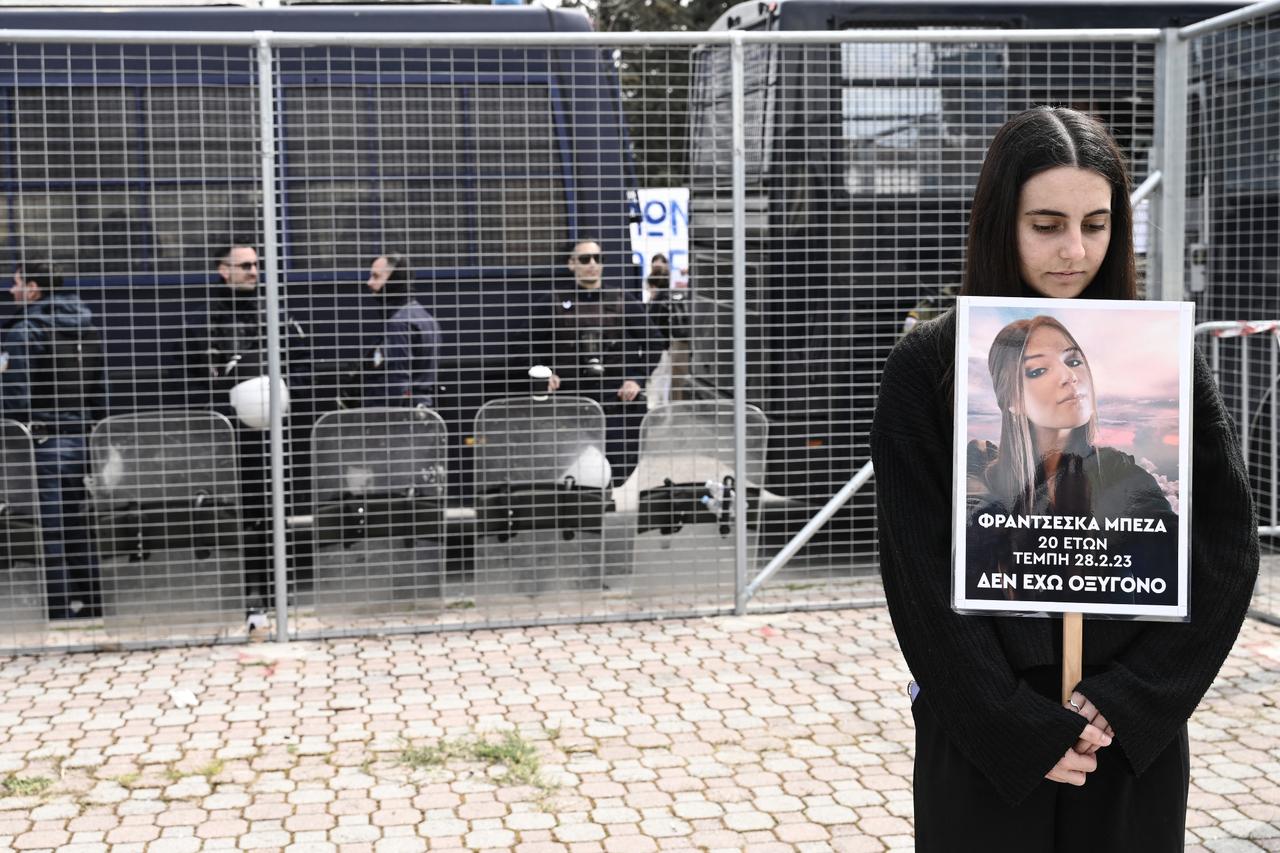


Over three years after the Tempi train crash killed 57 people, victims’ families arrived in the courtroom expecting justice, only for the trial to unravel into chaos.
The long-awaited trial over the train disaster began in Larissa on Monday but stopped hours later after victims’ families and lawyers denounced overcrowding, safety risks, and what they called another humiliation in a case that still fuels public anger across Greece.
The crash took place on Feb. 28, 2023, near Tempi when a freight train and a passenger train traveled on the same track for more than 10 minutes without an alarm being triggered.
The disaster exposed deep failures in Greece’s railway safety system and has since become a symbol of state negligence, institutional mistrust, and political anger.
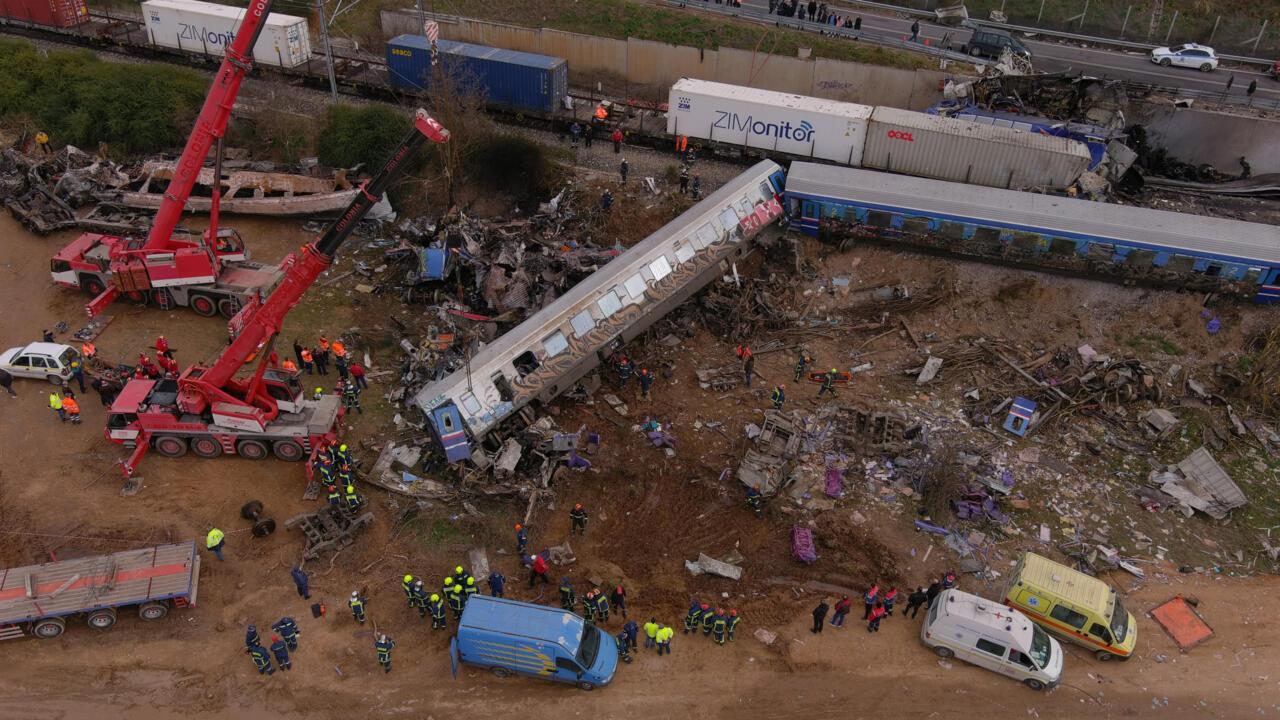

The trial over the Tempi train disaster, Greece’s deadliest rail crash, opened in the city of Larissa, more than three years after the collision that killed 57 people, many of them students returning from a holiday weekend.
But the first day quickly descended into confrontation and repeated interruptions before the court halted proceedings and set April 1 as the next hearing date.
36 people are on trial, and over 350 witnesses are expected to testify in a case that is likely to last for years.
Thirty-three of the defendants face criminal charges that could carry penalties up to life imprisonment, while the accused include the station master on duty that night, other railway officials, transport ministry figures, and former Hellenic Train executives, according to Agence France-Presse (AFP).
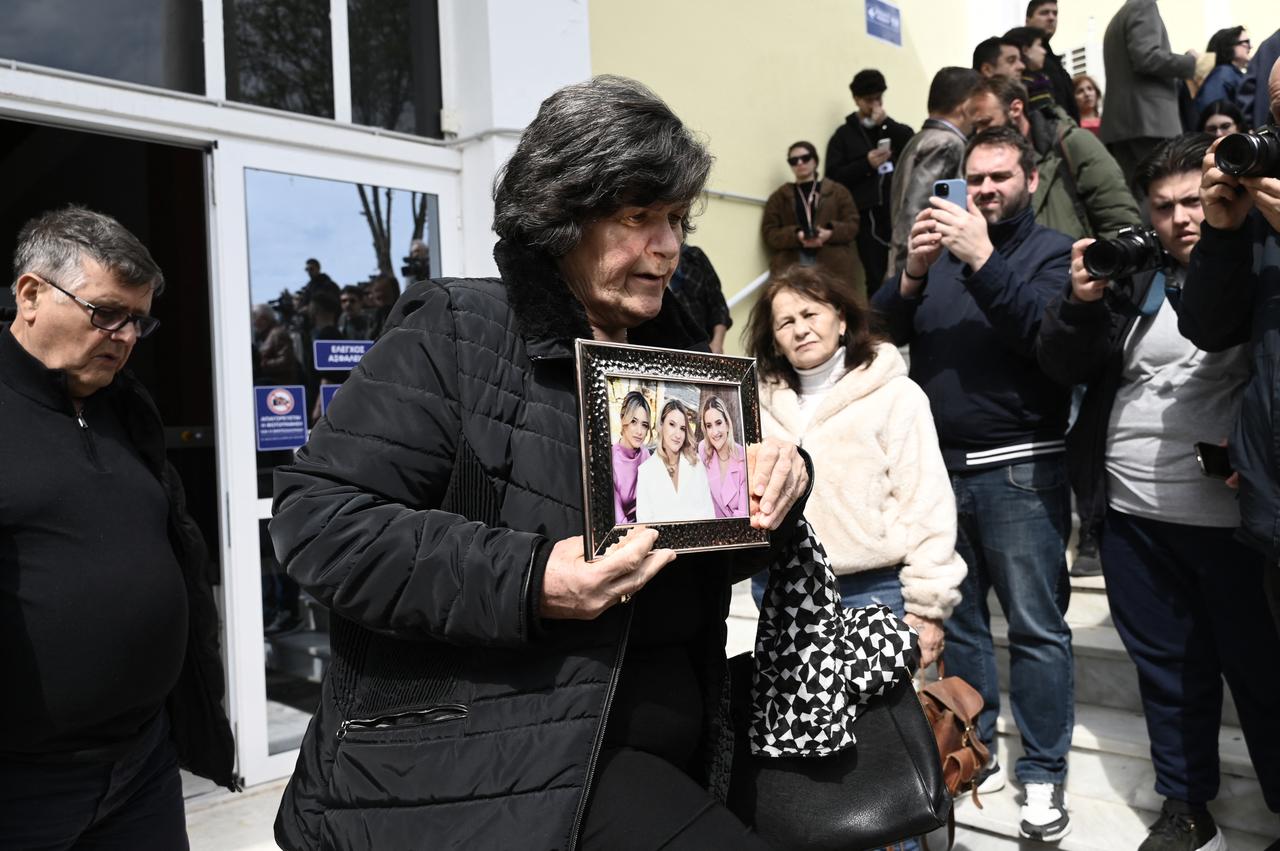
Outside the courthouse, victims’ relatives said the trial had already started too late and warned that key questions remain unanswered.
“This trial is starting with great delay. What we want is exemplary punishment of those responsible,” Pavlos Aslanidis, head of the Association of Victims’ Families, told reporters before the hearing, according to AFP.
Maria Karystianou, the pediatrician who became one of the best-known voices of the families after losing her daughter in the crash, said no investigation had clarified how her child “burned alive” and described the trial as incomplete. “We want the truth to come out,” she said.
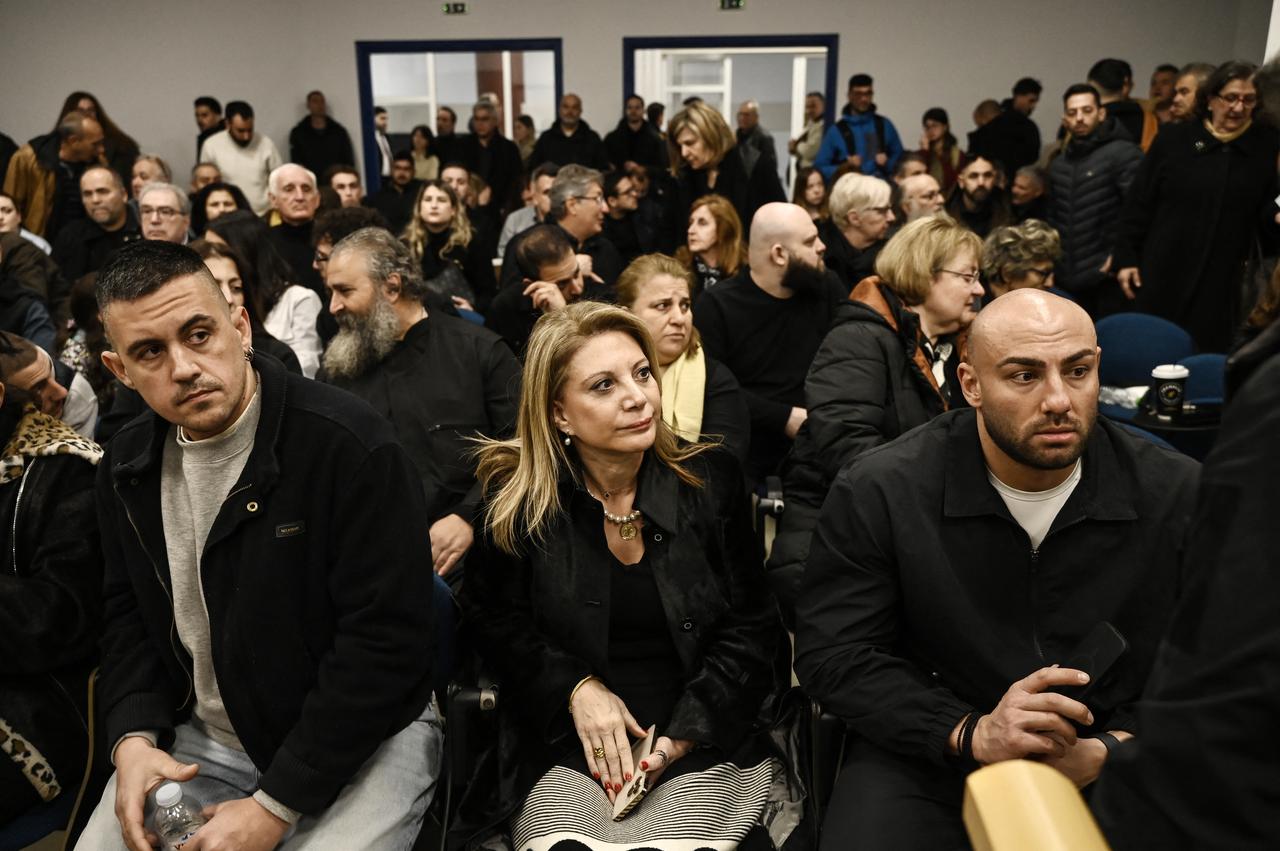
The anger inside the courtroom matched the mood outside.
Greek outlet Proto Thema reported that relatives shouted at former Hellenic Railways Organisation (OSE) president Spyros Pateras, with one family member yelling, “I will tear you apart,” as he entered the courtroom.
Family members demanded answers over responsibility for the crash and over the freight train’s cargo, an issue that has remained politically and legally sensitive in the wider Tempi debate.
Karystianou also clashed verbally with a person in the audience, saying the families were there “for the people who died, not for money,” while again demanding answers about what the freight train had carried.
That dispute reflects a broader point of tension that has persisted throughout the case.
Families and their technical advisers have long questioned whether the freight train may have carried undeclared flammable material, especially after allegations that some victims survived the impact but later died in the fire that followed.
Those claims remain central to public mistrust around the official handling of the disaster.
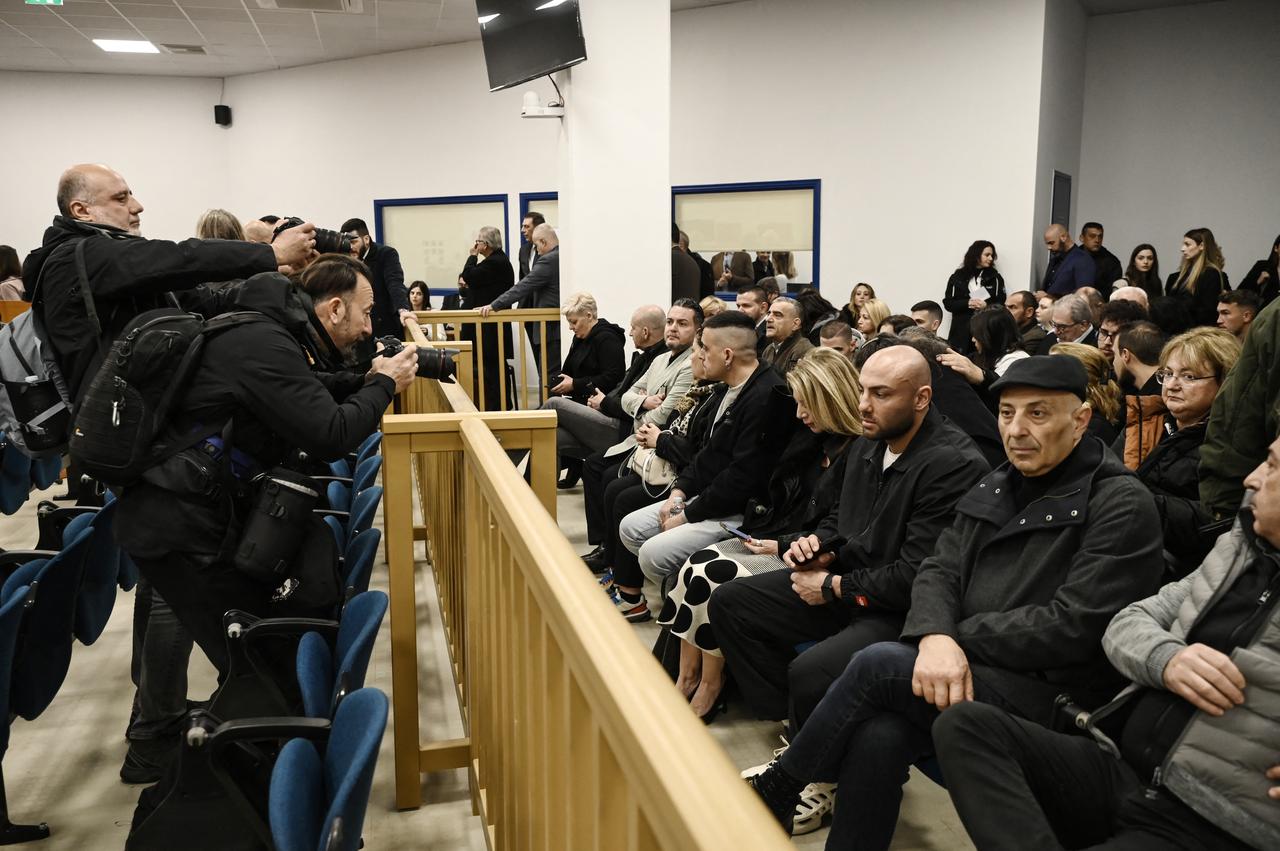
As the hearing began, the focus quickly shifted from the indictment to the courtroom itself.
Strong objections from relatives and lawyers over the conditions inside the specially arranged courtroom at the Gaiopolis complex in Larissa. Reports described a packed room, repeated technical failures, inadequate seating, and broader safety concerns.
Documento reported that the hearing stopped after five hours of tension and four interruptions, with relatives chanting “shame” as lawyers, journalists, and family members struggled to fit into the room.
Only 120 seats were reportedly available in the 283 square meter hall, leaving many people standing, including lawyers and reporters.
Families said the conditions insulted the victims and made a fair hearing impossible.
One mother asked the court president whether, by April 1, she would be able to attend without sitting next to a defendant. Karystianou described those inside the room as packed together “like sardines.”
Many complained that victims' parents and survivors had to sit even in seats intended for defendants, while some participants raised concerns over air, visibility, and basic safety.
Lawyer Zoe Konstantopoulou, who represents some families, demanded a different venue and objected when the court sought to remove cameras and photographers from the room.
At one point, lawyers Maria Gratsia and Giannis Mantzouranis requested an urgent fire safety inspection of the venue, arguing that severe overcrowding may have breached legal safety standards.
The court president initially began reading out the names of the accused but stopped after strong objections from lawyers who insisted the trial could not properly proceed under those conditions.
Greek state news agency APE MPE reported that the court interrupted the session four times before deciding to continue the case on April 1.
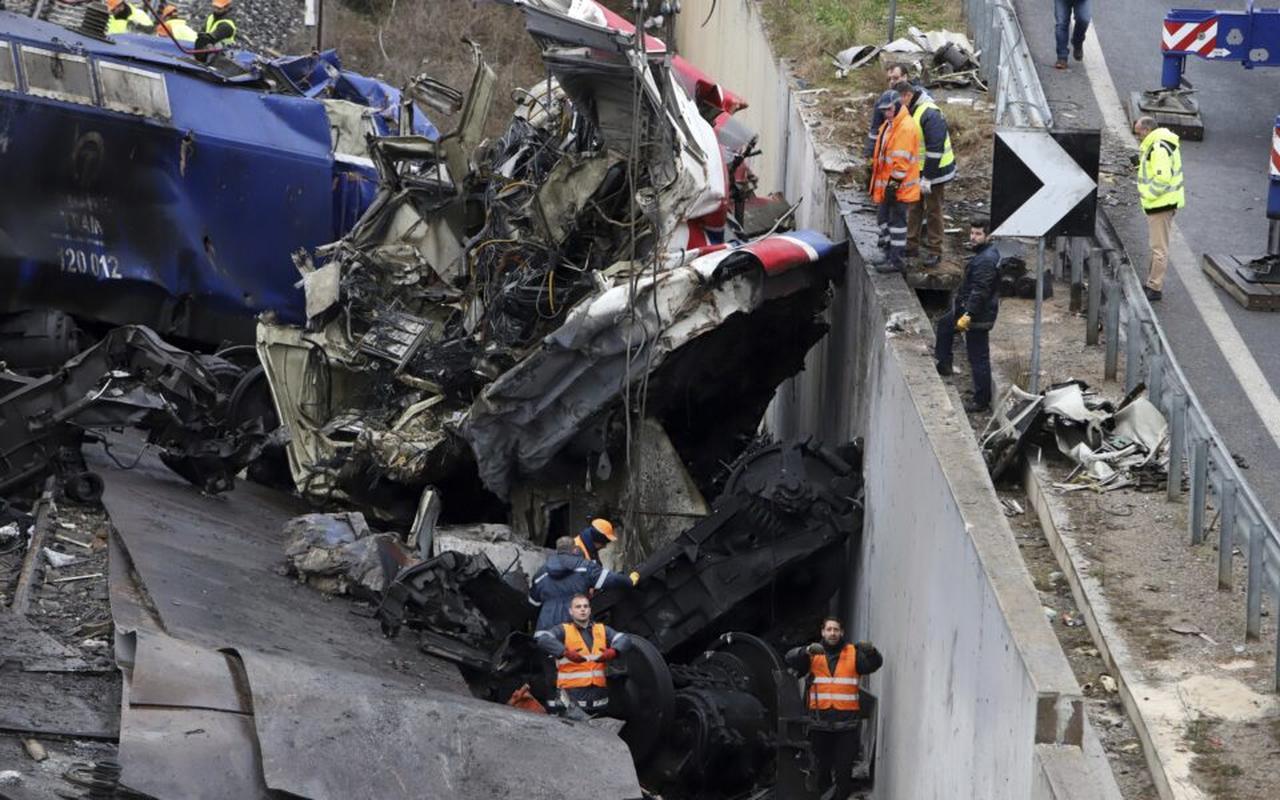
The disorder on the first day reinforced a wider feeling among many families that the Greek state still has not treated the case with the seriousness it demands.
“This trial clearly demonstrates all the corruption of the Greek state, the corruption that killed our children,” Christos Vlahos, a parent of one of the victims, told AFP outside the court.
The defendants include railway managers, OSE personnel, ministry officials, and former Hellenic Train executives.
No political figure is directly on trial in the main proceedings, even though the case has triggered years of demands for higher-level accountability.
Two former ministers, including former Transport Minister Kostas Karamanlis, were referred to justice by parliament but currently face only misdemeanor accusations.
That gap remains one of the most explosive parts of the Tempi case.
Families had already accused authorities of shielding senior political figures, mishandling evidence, and failing to account for missing files and unanswered questions over the fire and cargo.
The first day of the trial did little to restore confidence.
Government spokesperson Pavlos Marinakis said the courtroom had more than 460 seats and insisted authorities had planned according to the case’s needs.
But relatives and lawyers on site described a very different reality, with many arguing that the handling of the opening session added a new layer of indignity to an already traumatic process.
The trial will resume on April 1. The first day shifted focus beyond the crash itself, raising renewed questions about whether the justice process can deliver clear answers.


 Set as preferred source
 Set as preferred source


 2 min read