Newsletters


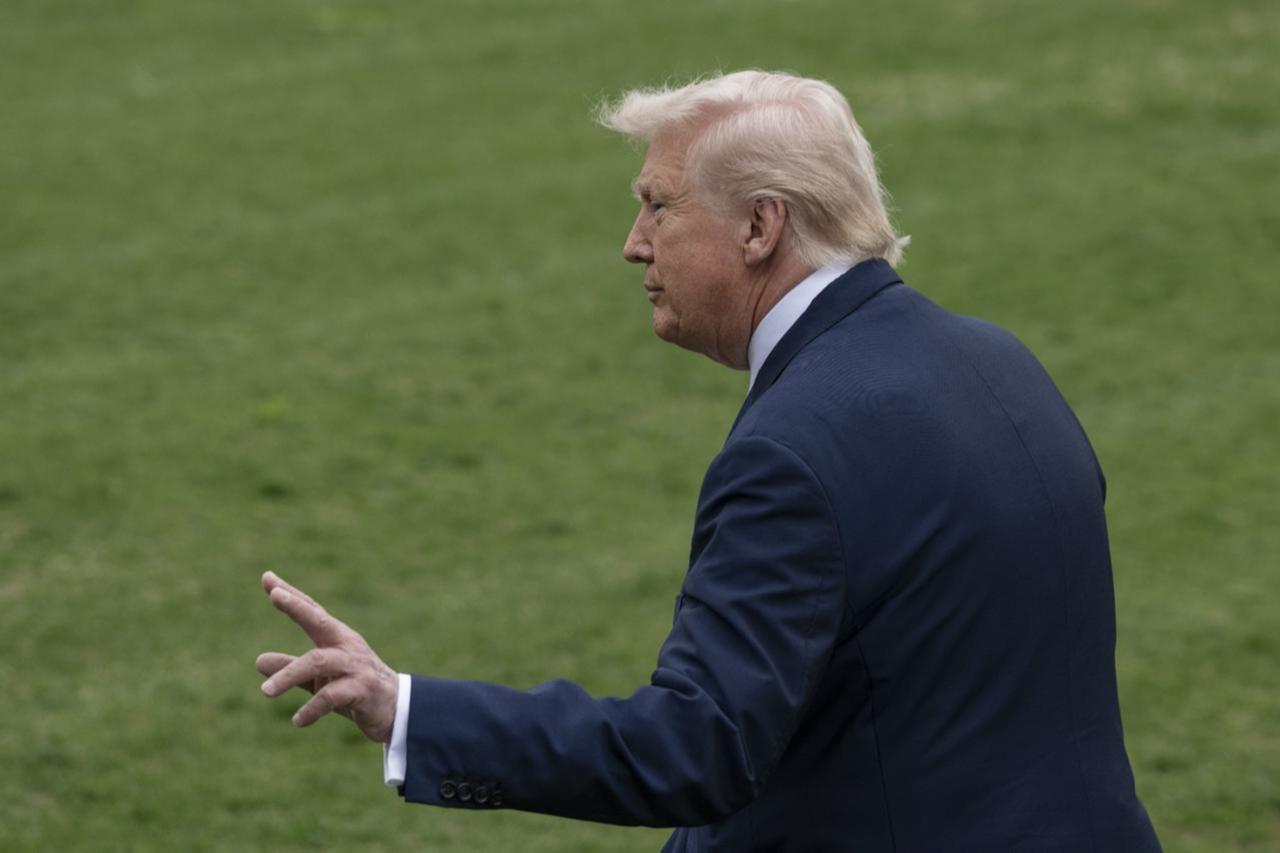


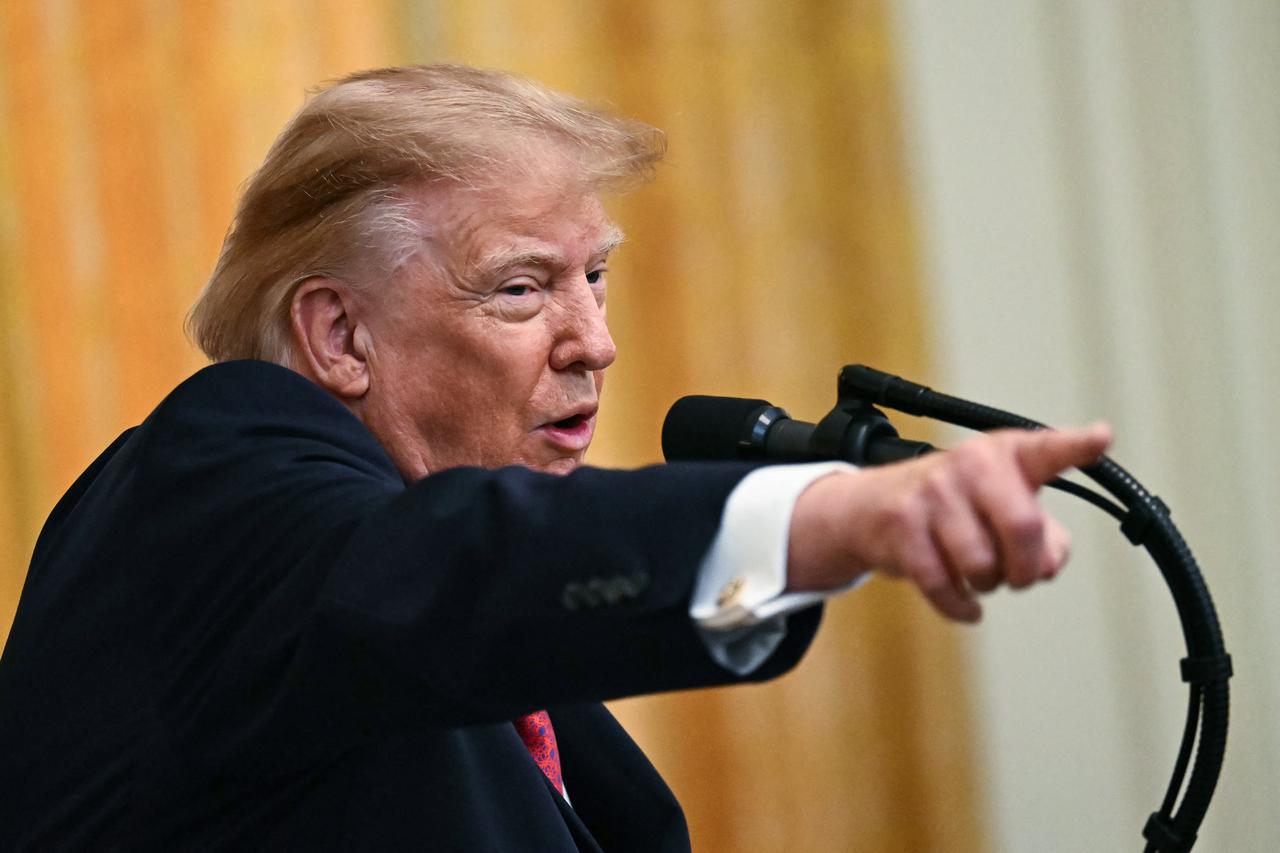
President Donald Trump announced Monday that "regime change" was underway in Iran, claiming the United States had opened peace talks with an unidentified Iranian figure he described as "a top person" and "the most respected and the leader," though Tehran swiftly denied any negotiations were taking place.
The surprise declaration, made to reporters in Florida shortly before Trump boarded his plane, came just hours after the president retreated from a threat to bombard Iranian power stations within the next day, a move that had rattled global energy markets and drawn a vow of reprisals from Tehran against sensitive regional targets.
Trump said the unnamed negotiator was "not the supreme leader," referring to Mojtaba Khamenei, and described the contact as originating from the Iranian side. "They called, I didn't call," Trump said. "They want to make a deal, and we are very willing to make a deal."
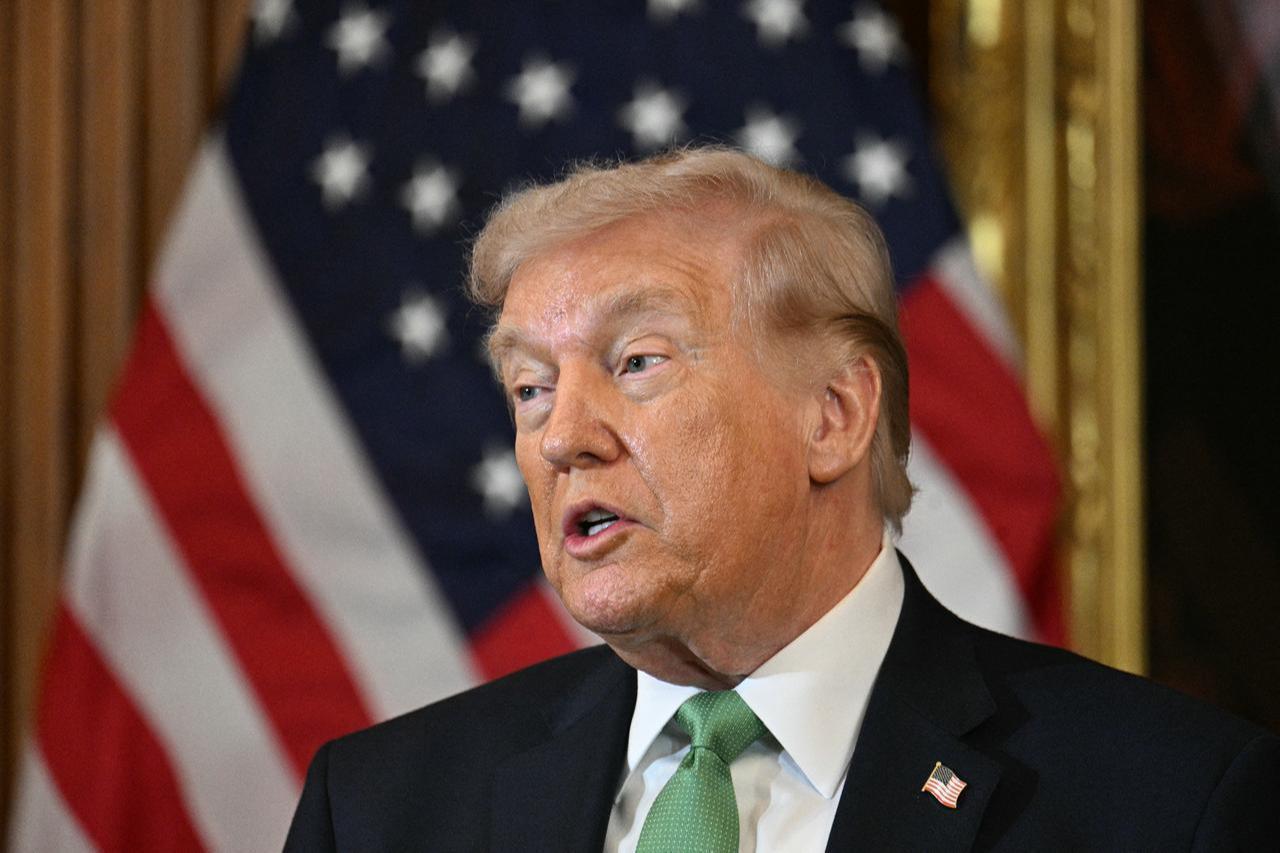

Trump announced on his Truth Social platform that he was granting five days for the talks to produce results, stepping back from the imminent power-station strikes that had further roiled US and world economies. But the reprieve came with a blunt warning: if negotiations fail, "we'll just keep bombing our little hearts out."
The president said there were already "major points of agreement" with whoever was representing the Iranian side. US conditions, he said, include a complete end to Iran's nuclear ambitions and the surrender of its enriched uranium stockpiles. "We want no enrichment, but we also want the enriched uranium," Trump said.
Asked why he would not identify the people in contact with Washington, Trump responded: "Because I don't want them to be killed."
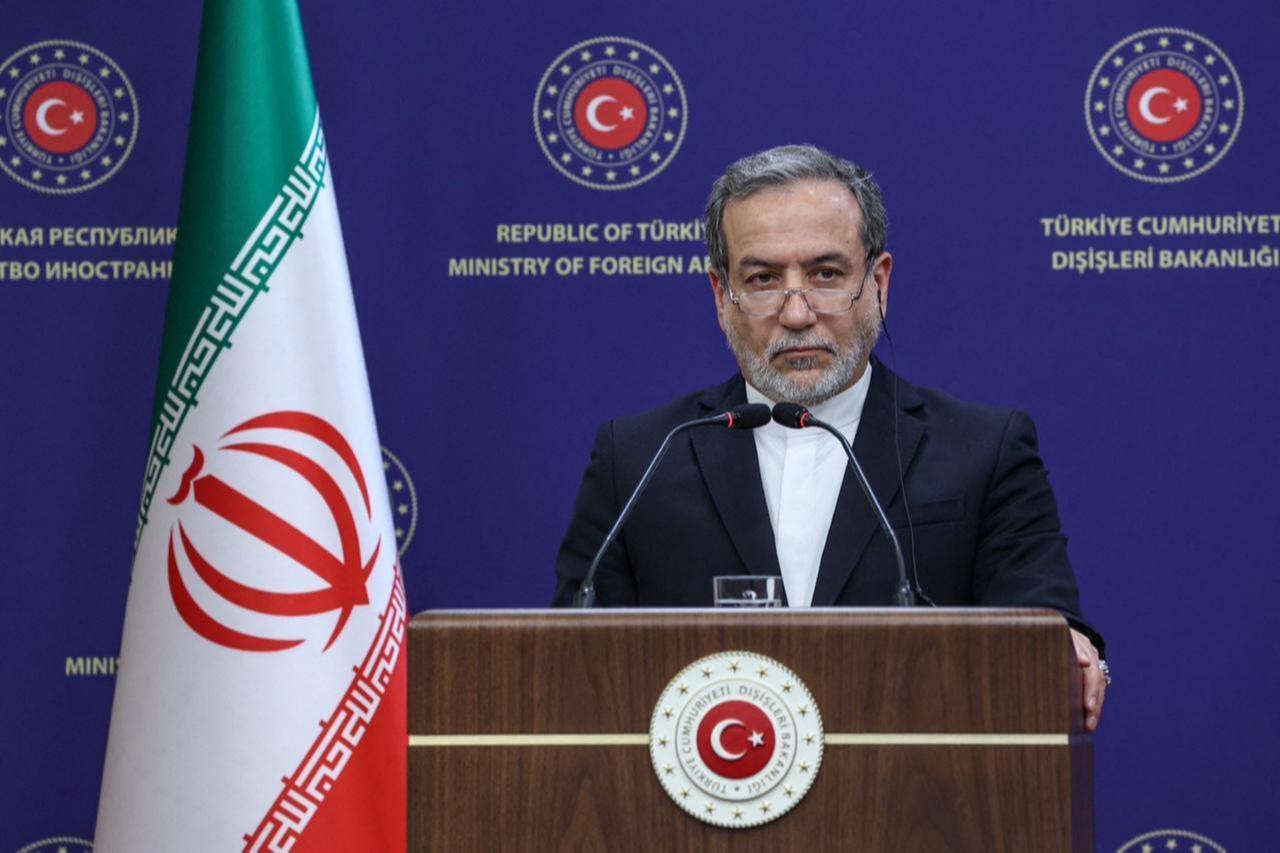
Iran's foreign ministry pushed back forcefully against Trump's account. The Mehr news agency, citing the ministry, reported that there were no negotiations between Tehran and Washington, dismissing Trump's statements as part of a campaign to reduce energy prices.
The denial underscored a pattern of conflicting signals that has defined the weeks-long conflict. Iranian media maintained Monday that no channel for ending the war had been opened.
Trump, however, dismissed Mojtaba Khamenei's authority outright. "I don't consider him really the leader," he told reporters, adding: "But we think we have people that are very representative of the country and will do a good job."
In a brief phone interview with AFP earlier in the day, Trump offered little elaboration beyond saying "things are going very well."
Trump suggested he was seeking an arrangement similar to the one imposed on Venezuela, where US forces captured longtime leader Nicolas Maduro in a military raid in January. The country is now run under American oversight following the operation.
"Look at Venezuela, how well that's working out," Trump said. "Maybe we find somebody like that in Iran."
The comparison carries significant weight. In January, the US launched Operation Absolute Resolve, seizing Maduro from his compound in Caracas and transporting him to New York to face narcoterrorism charges.
Trump declared at the time that the US would "run" Venezuela until a transition could take place. The situation there remains contested, with Maduro loyalists still in positions of power and questions about the country's political future unresolved months later.
Trump has repeatedly said he does not know whom to negotiate with in Iran because so many of the country's leaders have been killed since the US and Israel launched joint strikes on February 28. Those strikes killed former Supreme Leader Ali Khamenei along with several senior officials and members of his family.
His son Mojtaba was appointed as the new supreme leader on March 9 by the Assembly of Experts, but he has not appeared publicly since the war began, fueling speculation about his condition. US Defense Secretary Pete Hegseth has claimed Mojtaba Khamenei was "wounded and likely disfigured" in the strike that killed his father.
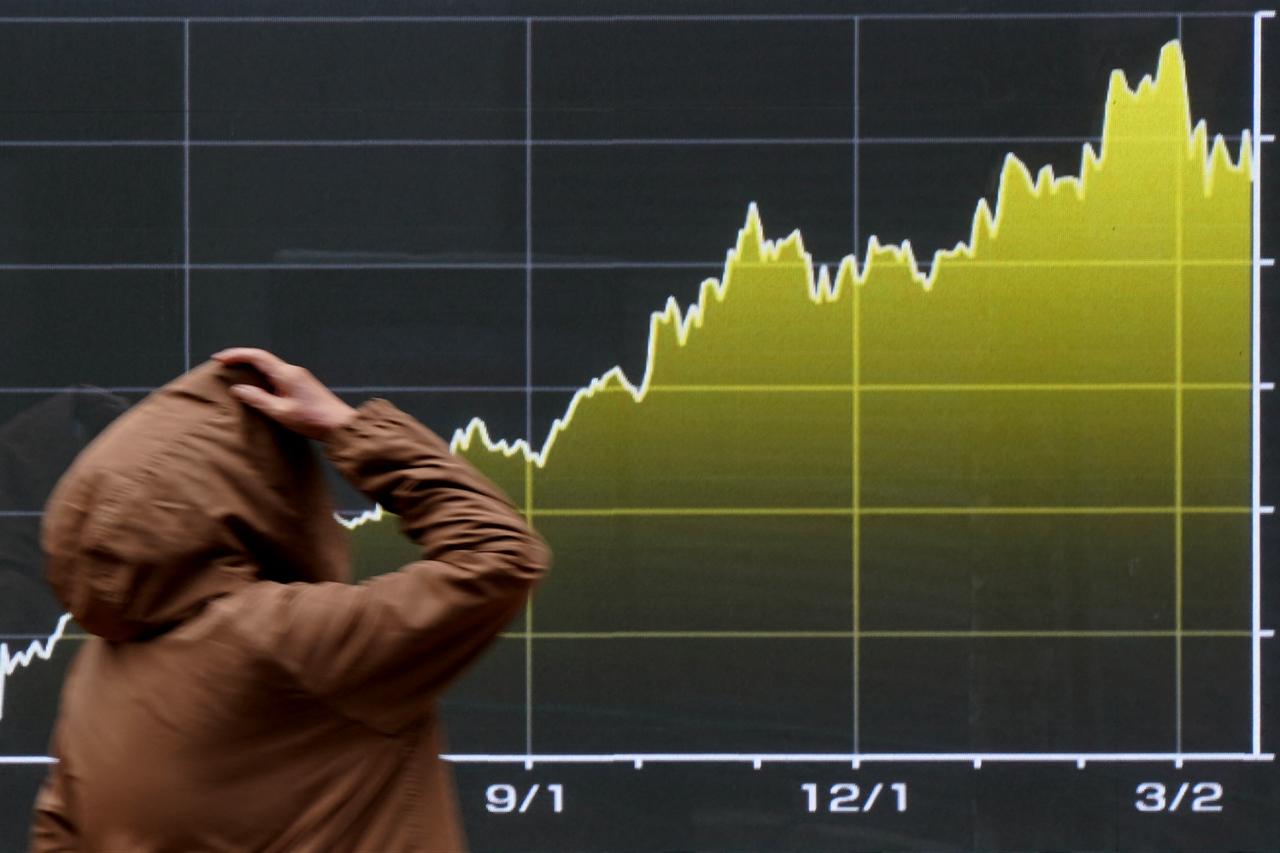
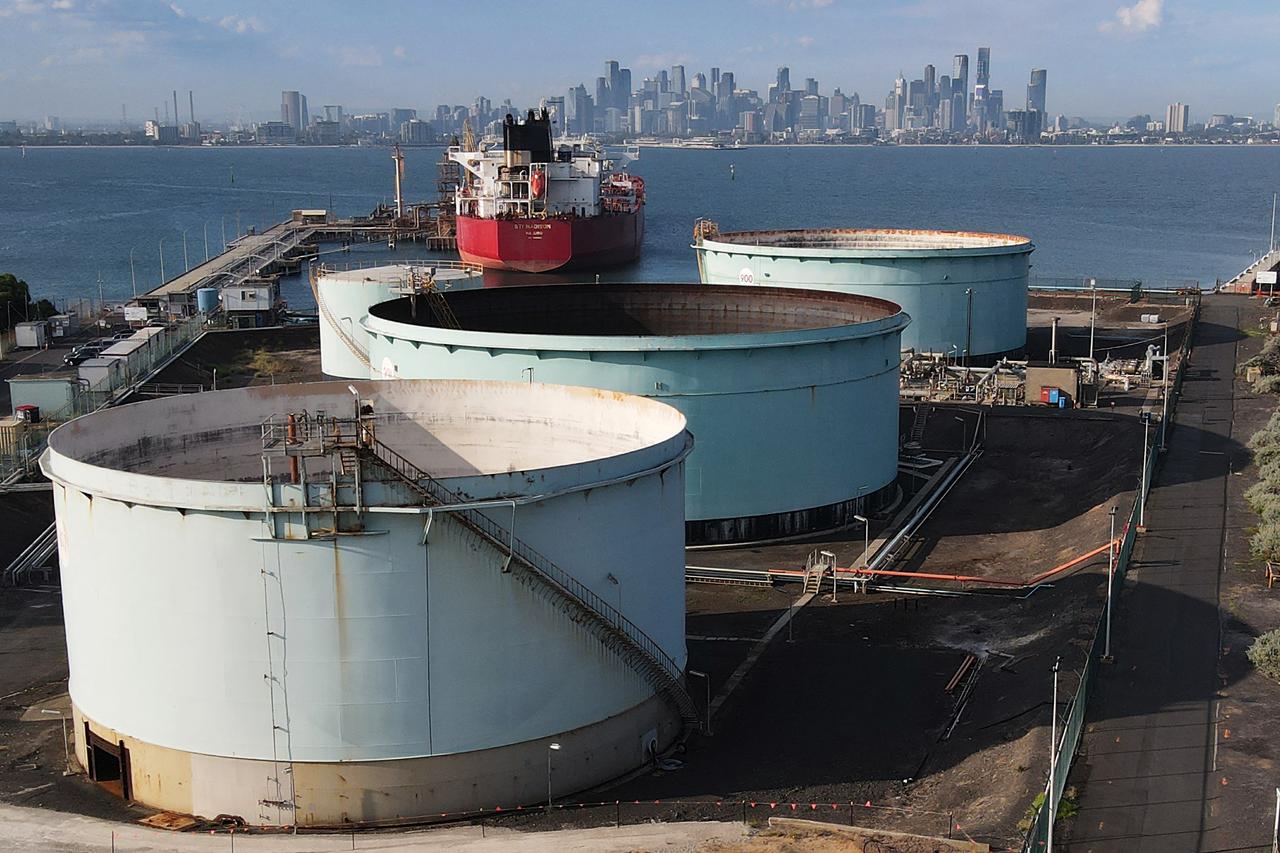
Trump's retreat from the power-station threat came just hours before Wall Street was set to open following brutal selloffs on European and Asian markets and a further rise in the price of oil. Crude prices have climbed roughly 45 percent since the war began on February 28, driven in large part by the near-total halt of shipping through the Strait of Hormuz, through which approximately a fifth of the world's oil and liquefied natural gas normally passes.
The oil price surge has become an escalating political problem for Trump as American consumers face higher prices at the pump, with crucial midterm elections in November set to determine the makeup of Congress.
Iran has lost a significant portion of its senior leadership to US and Israeli bombing over the course of the conflict, and the country's economy, already devastated by years of sanctions and the collapse of the rial in late 2025, has been further battered by the war. Massive anti-government protests that erupted in late December 2025, the largest since the 1979 revolution, were met with a deadly government crackdown before the US-Israeli strikes began.
Whether Trump's claim of back-channel contact reflects a genuine opening or a strategic maneuver to ease market pressure remains unclear. What is certain is that the five-day clock he set Monday is now ticking.


 Set as preferred source
 Set as preferred source


 1 min read
 1 min read