Newsletters





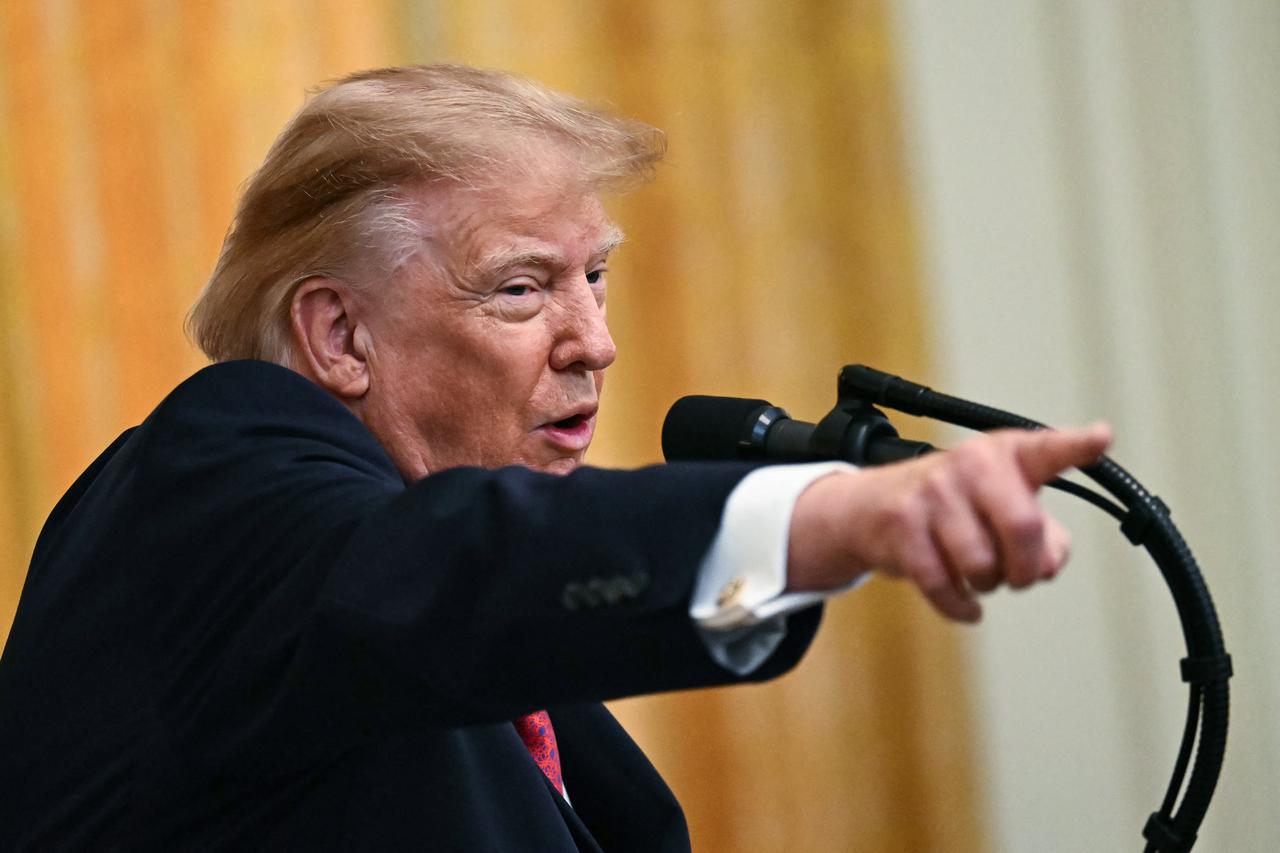
U.S. President Donald Trump said Saturday that his administration believes reports indicating Iran's Supreme Leader Ali Khamenei has been killed in the joint U.S.-Israeli military offensive are accurate, telling NBC News in a phone call that "we feel that that is a correct story."
The president's remarks came hours after he announced from his Mar-a-Lago estate in Florida that the United States had launched "major combat operations" in Iran, a sweeping military campaign conducted alongside Israel that he said was aimed at neutralizing what he described as imminent threats posed by the Iranian regime.
"The people that make all the decisions, most of them are gone," Trump told NBC News, adding that Khamenei had "killed many people" and "destroyed a country."
Israeli Prime Minister Benjamin Netanyahu echoed the assessment in an address to his nation Saturday night, though he stopped short of making a definitive declaration. "There are many signs that even the tyrant Khamenei does not exist," Netanyahu said, becoming the first leader to publicly suggest the supreme leader may have been killed. NBC News has not independently confirmed Khamenei's death and has not obtained reporting indicating that U.S. intelligence sources have verified the Iranian leader's current whereabouts or condition.
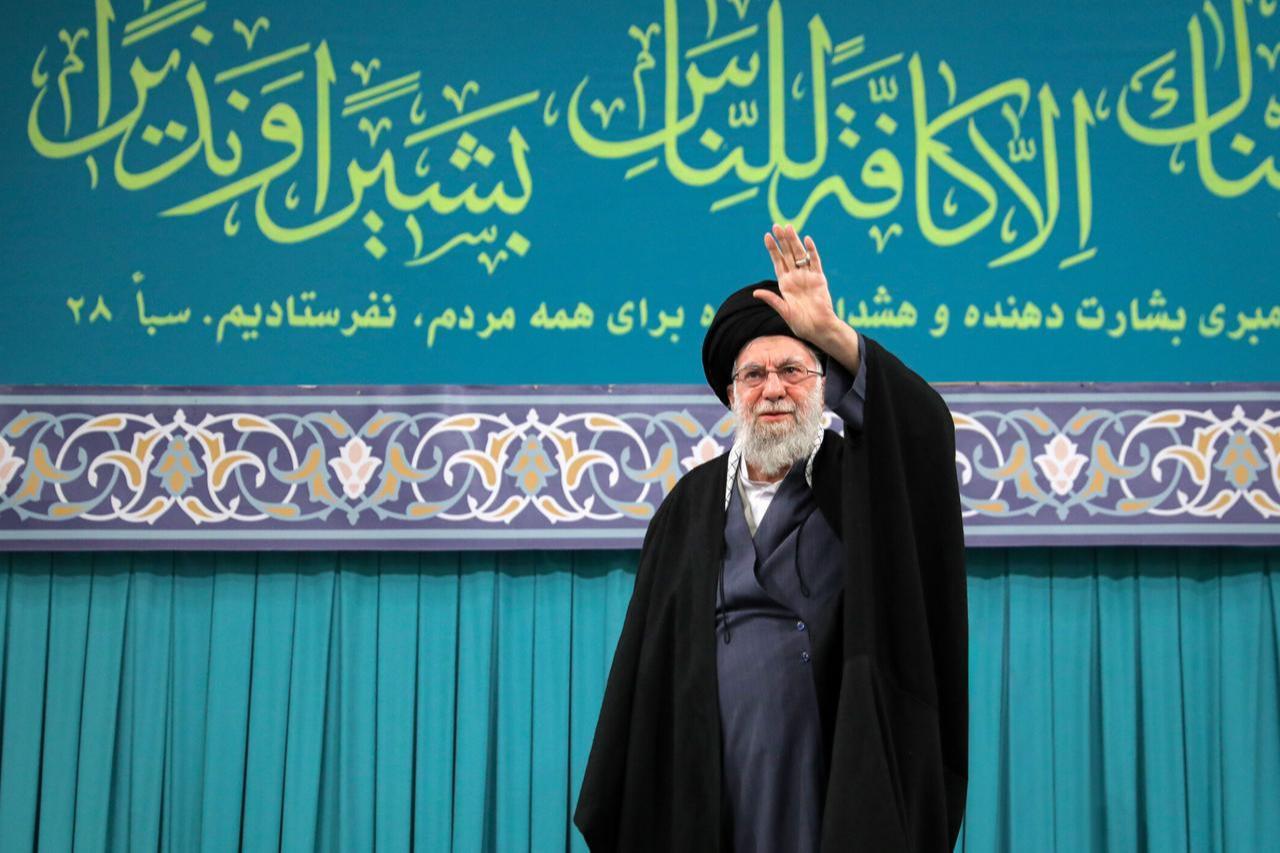

Iranian Foreign Minister Abbas Araghchi offered a sharply different account. In an interview with NBC News conducted hours after the strikes began, Araghchi said that "as far as I know," the 86-year-old Khamenei remained alive. The conflicting statements underscored the fog of war surrounding the status of Iran's most powerful figure, who has served as supreme leader since 1989 and holds ultimate authority over the country's political, military and religious affairs.
Khamenei, who succeeded the Islamic Republic's founder Ayatollah Ruhollah Khomeini, has for decades shaped Iran's foreign policy posture, its nuclear ambitions and its network of regional proxy forces. His compound in central Tehran was among the targets struck in the operation, according to multiple reports, though Iranian authorities had not released official information about leadership casualties.
Speaking from Mar-a-Lago, where he has been monitoring the joint operation, Trump expressed confidence that the campaign had already achieved its goals. "I think it's already a success. We've inflicted tremendous damage," he told NBC News. "It would take them years to rebuild."
In an earlier video statement posted to his Truth Social account, the president laid out the rationale for the strikes in stark terms. "Our objective is to defend the American people by eliminating imminent threats from the Iranian regime, a vicious group of very hard, terrible people," he said, adding that Iran's activities "directly endanger the United States, our troops, our bases overseas and our allies throughout the world."
Trump also acknowledged the risks, warning that the strikes could result in American deaths or casualties.
The military operation, dubbed "Epic Fury" by the Pentagon and "Roaring Lion" by the Israeli military, represents the most dramatic U.S. military intervention in Iran since the Islamic Revolution of 1979. It came just days after both Washington and Tehran had publicly described progress in a series of indirect nuclear negotiations mediated by Oman in Geneva, with a further round of talks reportedly planned for the following week.
The strikes also marked the second time in eight months that the Trump administration authorized the use of force against Iran, following a 12-day conflict in June 2025 during which both Israel and the United States struck Iranian nuclear and military facilities. That earlier confrontation ended in a U.S.-brokered ceasefire after Iran reported more than 600 of its citizens killed.
When asked how he would determine when the current operation was complete, Trump offered no specific benchmarks, pointing instead to the scale of destruction already inflicted.


 Set as preferred source
 Set as preferred source


 2 min read

 1 min read