Newsletters


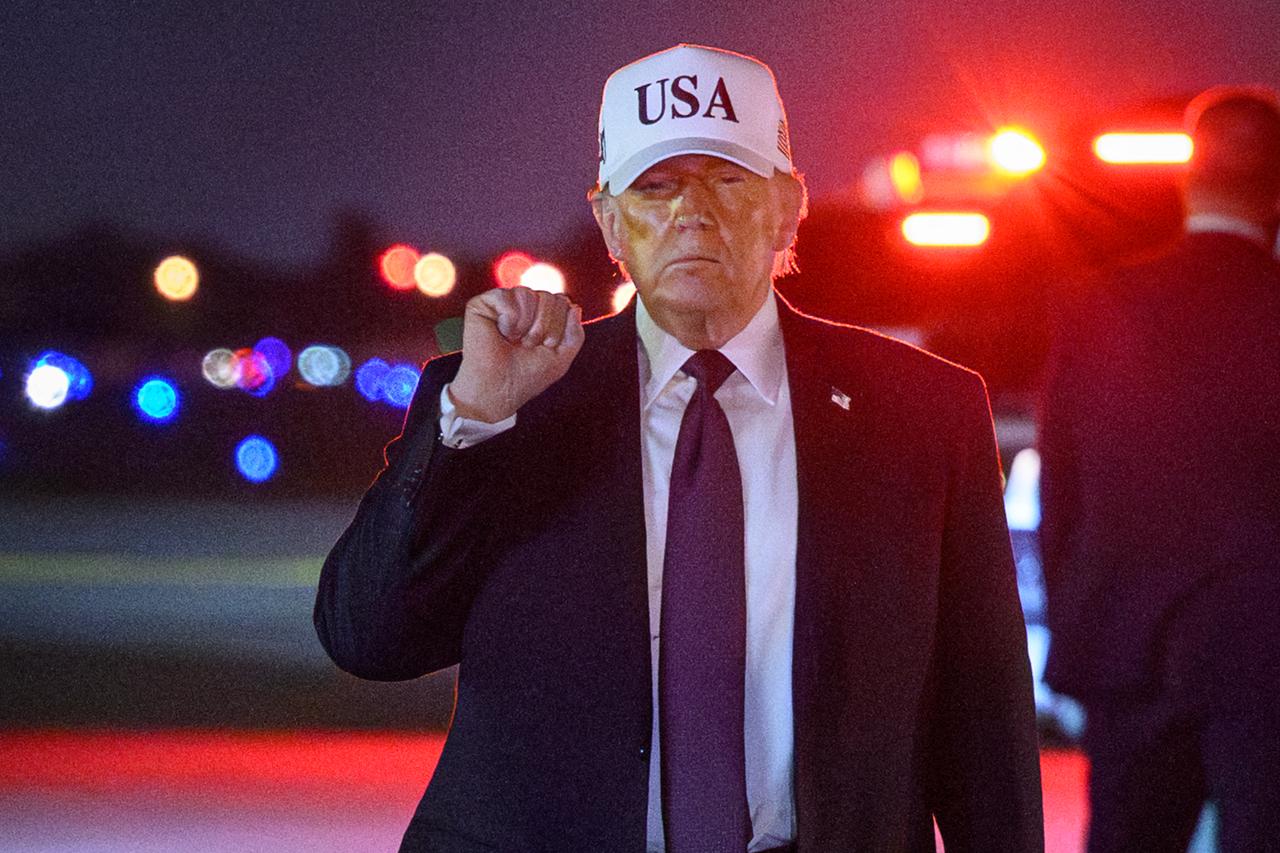


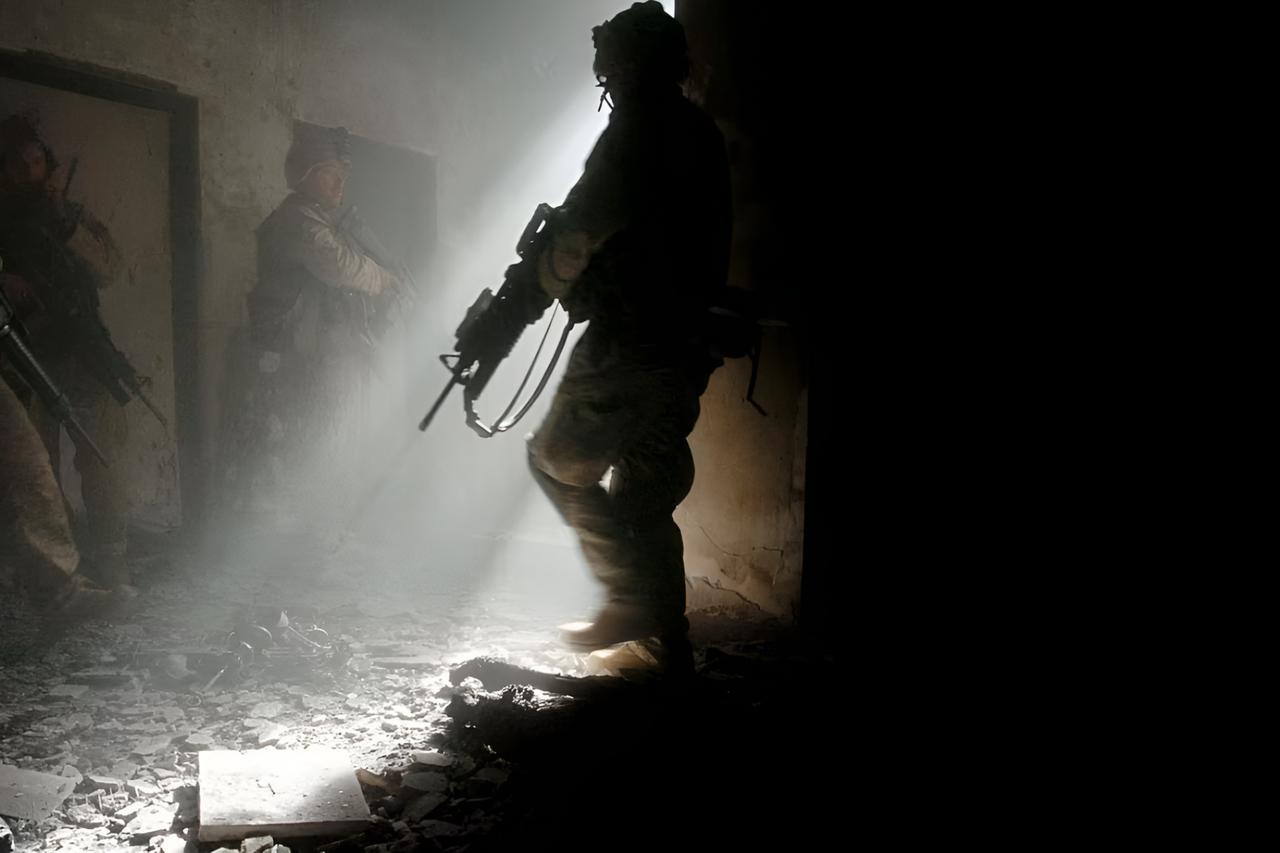
U.S. President Donald Trump said on Saturday that the massive U.S.-Israeli military campaign against Iran could end in as little as "two or three days," offering the first substantive glimpse into his thinking on how the operation he launched in the early hours of the weekend might conclude.
In a five-minute phone interview with Axios from Mar-a-Lago, Trump indicated he is weighing a range of outcomes for Operation Epic Fury, from a brief but devastating assault followed by ultimatums to a far more expansive engagement. "I can go long and take over the whole thing, or end it in two or three days and tell the Iranians: 'See you again in a few years if you start rebuilding,'" he said, referring to Iran's nuclear and missile programs.
The remarks suggest the president remains open to a diplomatic resolution even after U.S.-Iran nuclear negotiations collapsed in Geneva earlier in the week, and they stand in notable contrast to the regime-change ambitions that some U.S. and Israeli officials have described as the campaign's ultimate objective.
Trump pointed to two principal justifications for launching the strikes. The first was the failure of negotiations led by his envoys Steve Witkoff and Jared Kushner. "The Iranians got close and then pulled back, close and then pulled back. I understood from that that they don't really want a deal," he told Axios.
The second was a broader indictment of Iranian conduct over the past quarter century. Trump said he asked his team to compile a record of every Iranian-linked attack around the world over the past 25 years while drafting his Friday address announcing the operation. "I saw that every month they did something bad, blew something up or killed someone," he said.
Iran has long been accused by Western governments and intelligence agencies of sponsoring militant groups across the Middle East and beyond, and has been subject to extensive international sanctions over its nuclear program. Tehran has consistently denied seeking nuclear weapons.
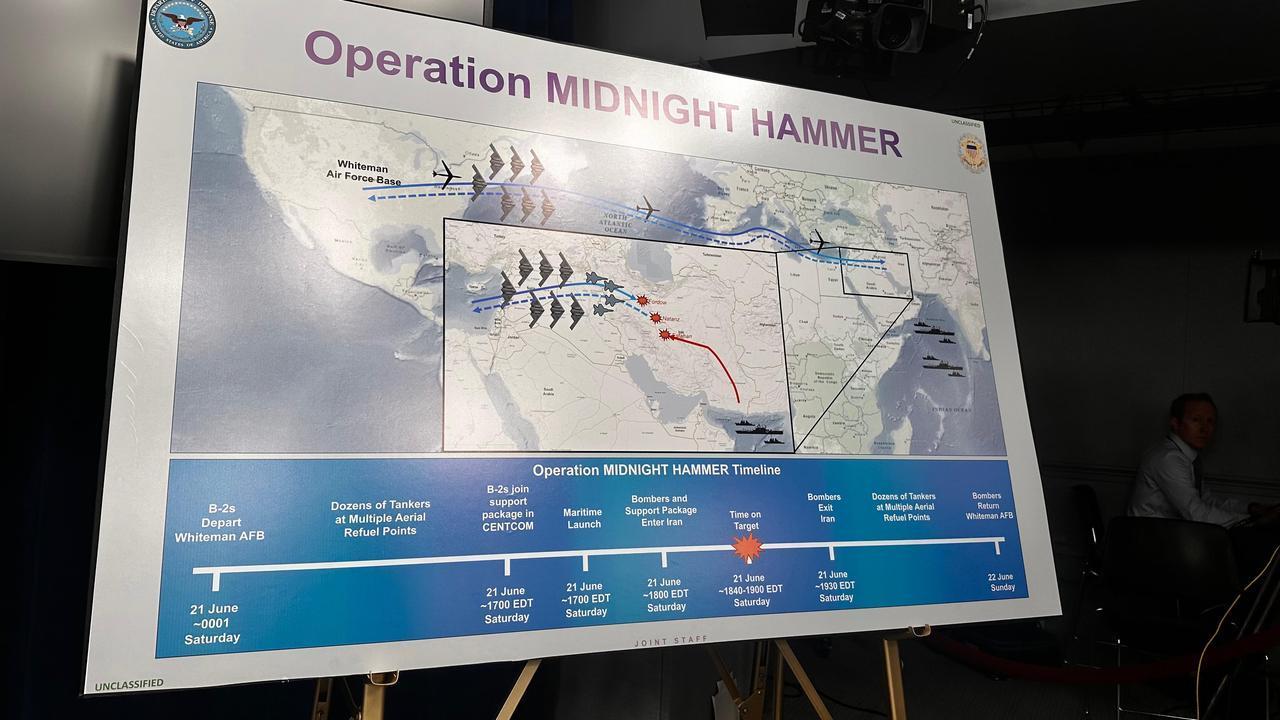

Trump repeatedly tied the current offensive to Operation Midnight Hammer, the joint U.S.-Israeli strikes last June that destroyed or significantly damaged three Iranian nuclear facilities during the 12-Day War. He argued that had those strikes not taken place, Iran might have already developed a nuclear weapon, which would have made the present campaign impossible.
Trump also claimed Iran had begun rebuilding some of the nuclear sites hit during that earlier operation. Independent analysts have noted construction activity at some of the sites, though they have not concluded that Iran resumed nuclear work.
The operational plan for the current campaign envisions an intensive bombing effort lasting at least five days, according to a senior U.S. official, though Trump indicated to Axios that the timeline could shift depending on developments on the ground.
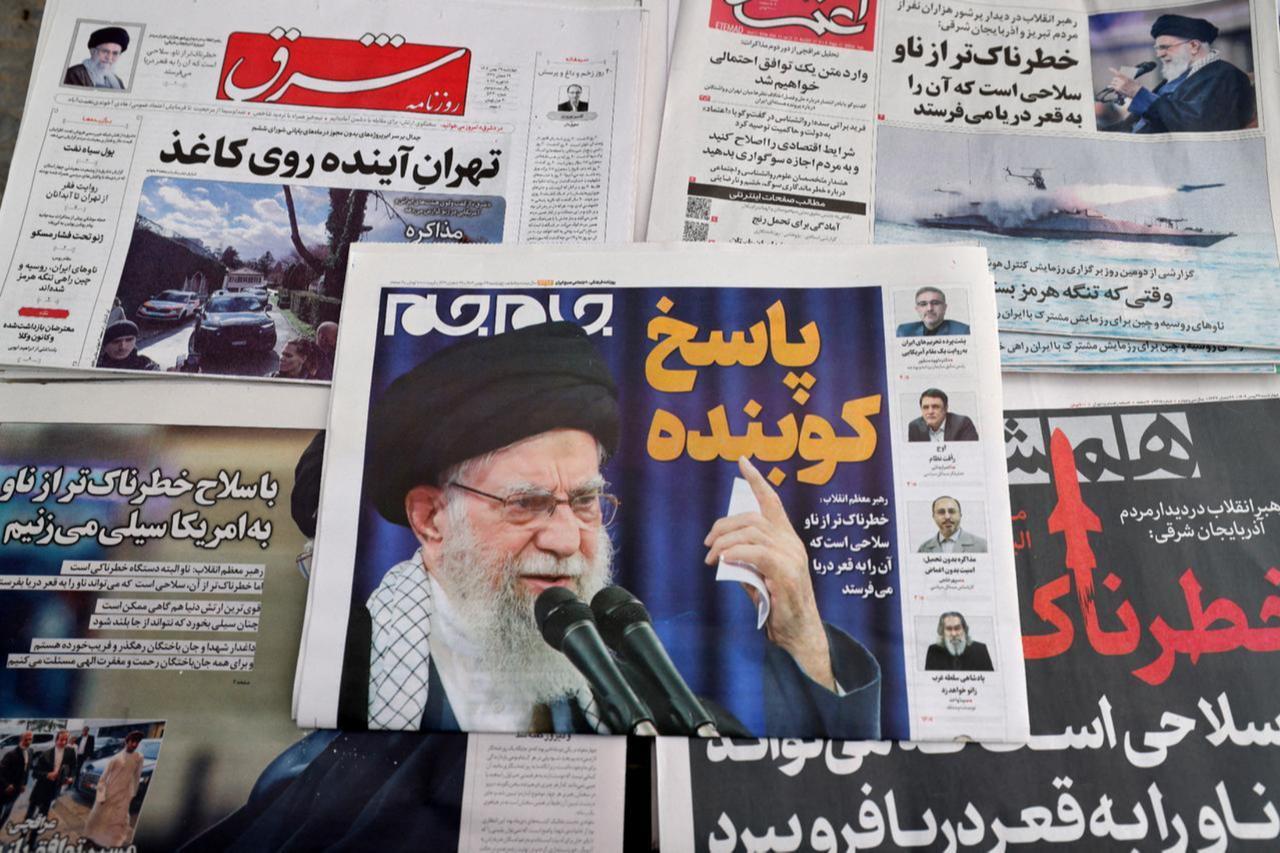
Among the most consequential variables shaping the campaign's trajectory is the fate of Supreme Leader Ali Khamenei. In a televised address on Saturday afternoon, Israeli Prime Minister Benjamin Netanyahu said there are "signs" that Khamenei is "no longer," though he stopped short of explicitly confirming the supreme leader's death. Iran's foreign ministry had said shortly before the address that Khamenei is "safe and sound."
Netanyahu declared that Israel's military campaign in Iran would continue "as long as it is needed" and framed the conflict as a path toward "true peace." He said everyone knows that "such a murderous regime" should not possess nuclear weapons that can "continue threatening the entire humankind."
In a striking direct appeal to Iranian citizens, Netanyahu said he wished to "thank the brave Iranian people, that they are being freed of those horrific ties with that regime." He urged them not to "sit with your arms crossed," calling the moment an opportunity to "go out on the streets in the masses" and "bring down and eradicate this regime."
Trump said he spoke with Netanyahu after the joint operation began. "I had a great conversation with Bibi, we're on the same wavelength," he said.
The president also held calls on Saturday with the leaders of Saudi Arabia, Qatar and the United Arab Emirates, as well as NATO Secretary General Mark Rutte, according to White House press secretary Karoline Leavitt. The outreach came as reports emerged of retaliatory Iranian attacks on military bases in Bahrain, Qatar and the UAE.
A short operation capped by new ultimatums would represent a dramatically different outcome than the sweeping regime-change scenario some officials have outlined, and Trump is facing domestic pressure, including from within his own political base, to avoid a prolonged military entanglement in the Middle East. "In any case, it will take them several years to recover from this attack," the president predicted.


 Set as preferred source
 Set as preferred source


 3 min read
 1 min read