Newsletters


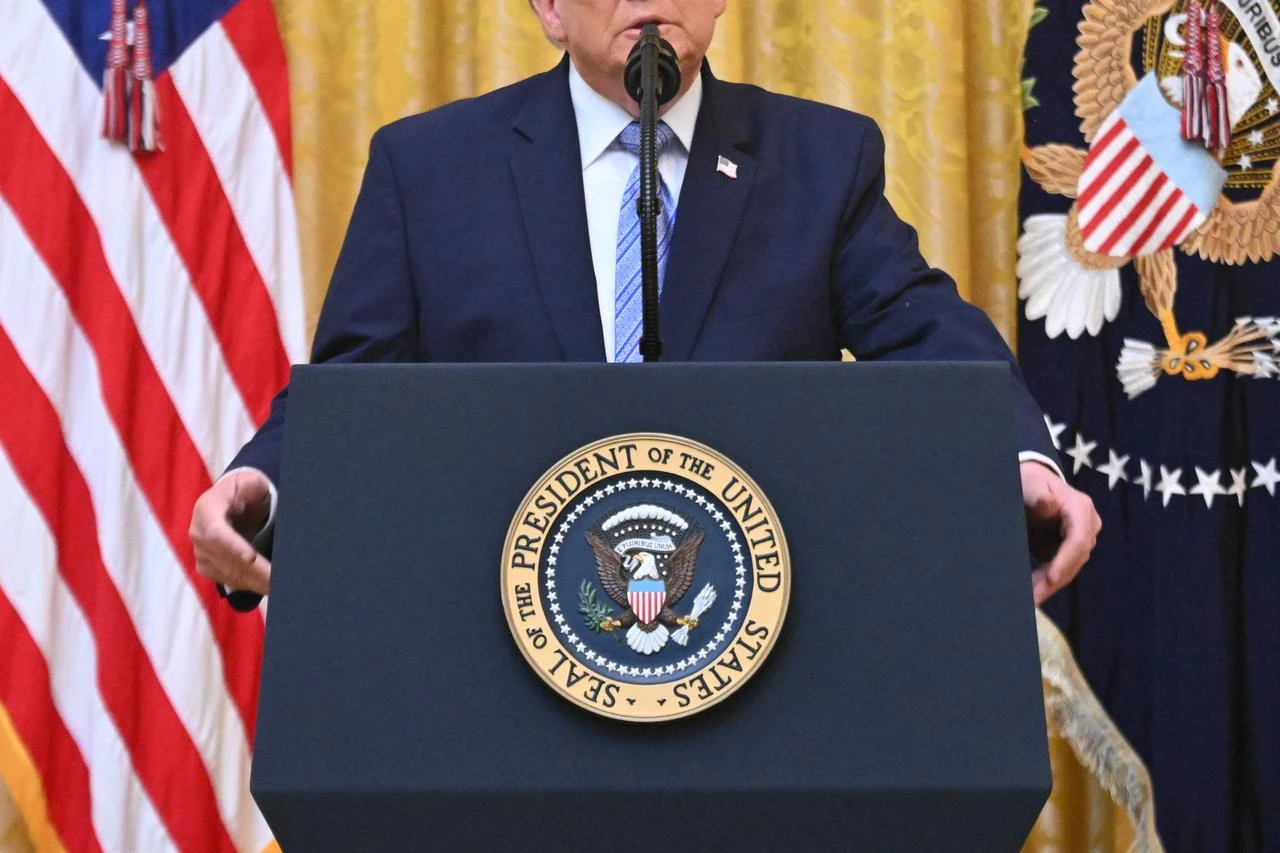


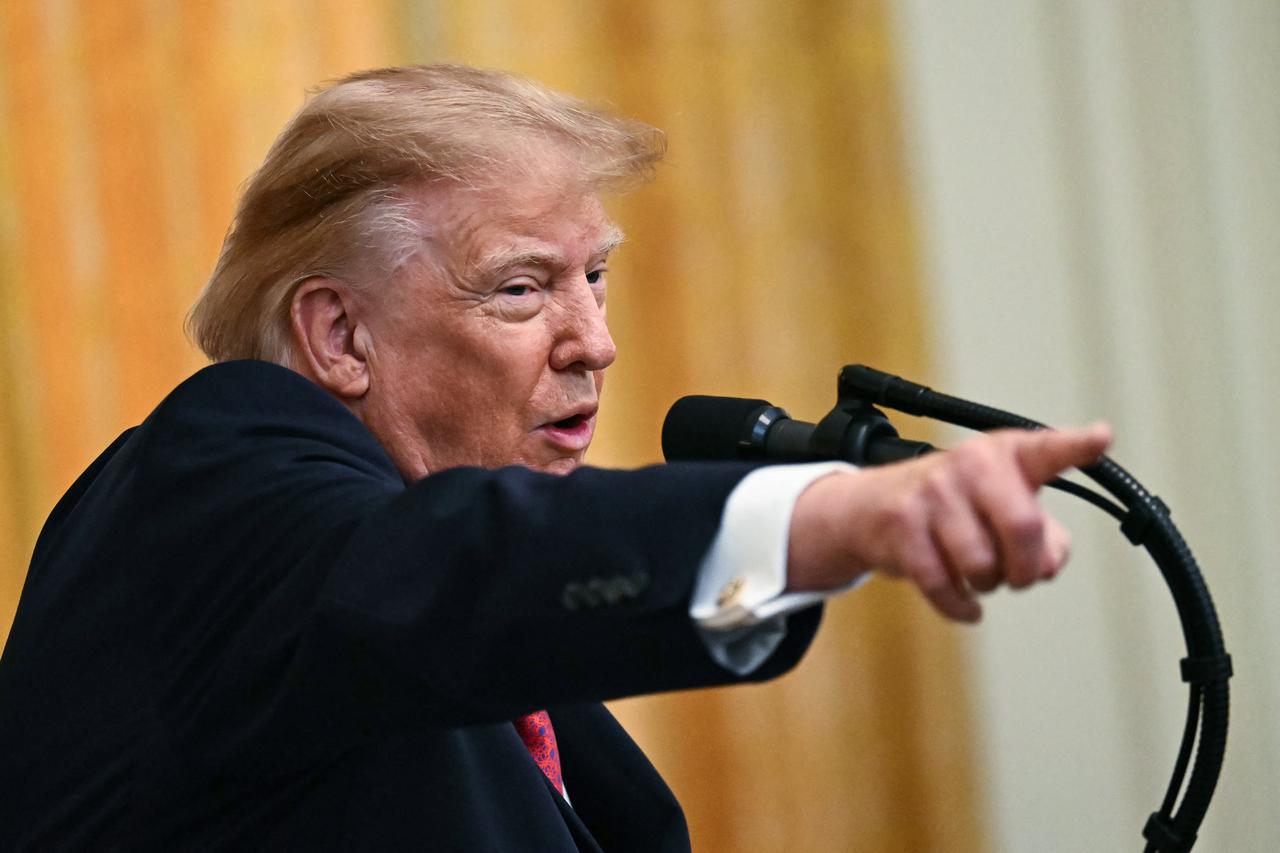
U.S. President Donald Trump stated Sunday that Republicans should add Iran to a pending Russia sanctions bill, invoking the late Sen. Lindsey Graham, who led efforts to draft the legislation before his death.
"Republicans should add Iran to the Russian Sanctions Bill. That's what Lindsey wanted to do, and it was going to happen. Important!!!" Trump wrote on Truth Social.
Trump credited Graham, a Republican senator known for his support of Israel, who died suddenly, with wanting the addition. Graham, 71, who had served in the Senate since 2003, died on the night of July 11 following what was described as a brief and sudden illness.
U.S. media reported that Republican and Democratic senators had rallied around the Russia sanctions bill Graham had led in drafting.
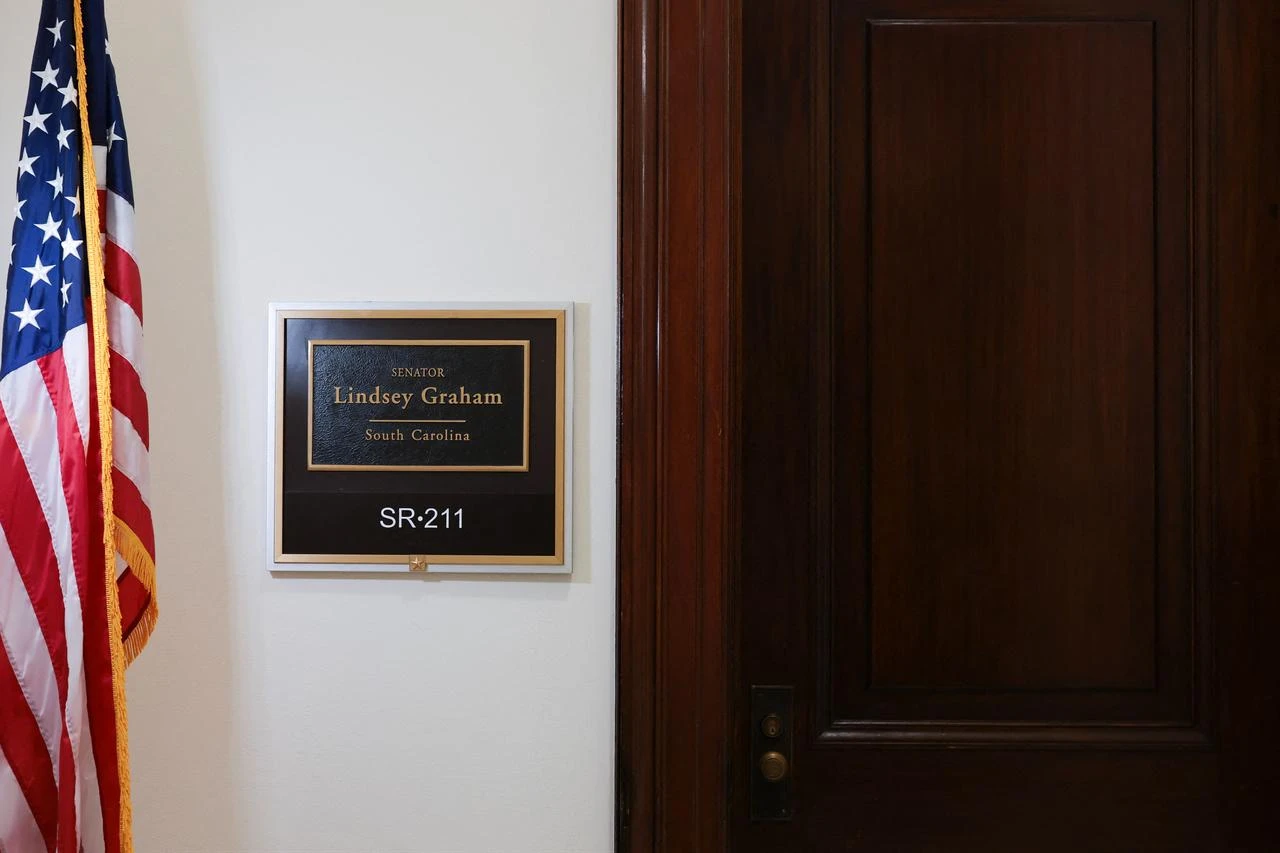

According to The New York Times (NYT), the bill, originally conceived by Graham before his death, aims to impose mandatory sanctions on Russia and its allies and could broaden penalties to include tariffs on buyers of Russian energy.
The White House has said the bill's scope could expand to include Iran and Hezbollah and that lawmakers from both parties have expressed optimism it could become law this summer.
It is reported that the legislation puts the Trump administration in a difficult position, as lawmakers are pushing for expanded financial warfare even as the administration has grown concerned that heavy reliance on sanctions could erode the U.S. dollar's dominance in the global financial system.
The NYT reported that the administration has recently been scaling back its broader sanctions program even as it pursues renewed pressure on Iran specifically, with the Treasury Department quietly removing dead individuals, decommissioned vessels, and people it no longer considers security threats from its sanctions lists in recent weeks.
According to the report, the U.S. has also eased sanctions on Venezuela, temporarily allowed exemptions permitting the sale of Russian and Iranian oil, and this month saw Trump call for lifting sanctions on Türkiye so it could purchase American fighter jets.
It is reported that within the administration, there is growing concern about a potential global shift away from the dollar, driven by increased use of China's renminbi and cryptocurrencies, with heavy sanctions sometimes prompting other countries to seek alternative currencies to avoid the reach of U.S. enforcement.
Treasury Secretary Scott Bessent said in a May speech in Paris: "The most effective actions are aggressive and targeted, with defined timelines to drive specific effects. Sanctions left in place for years with no visible and tangible changes in behavior can have generational impacts that are nearly impossible to predict."
The new U.S. sanctions designations peaked at roughly 3,000 in 2024 before declining in 2025 as Trump relied more heavily on tariffs as a diplomatic tool.
According to a working paper by Northwestern University's Gregor Matvos and the University of Chicago's Brent Neiman, cited by the Times, banks in heavily sanctioned countries such as Russia, Belarus, Kyrgyzstan and Myanmar have notably shifted toward using the renminbi, though the researchers found shifts away from the dollar remained minimal outside those countries.
The Times reported that, according to International Monetary Fund data, 57% of global foreign exchange reserves are still held in U.S. dollars.
Bessent told CNBC in June that "dollar dominance is essential" and separately noted that Venezuela and Iran, during a brief period when Iran held a license to sell oil, were permitted to invoice crude exports in dollars. Bessent also suggested Russia would return to the dollar system once the war in Ukraine ends.
The Times reported the administration has also been considering expanding dollar swap lines to more countries to encourage broader use of the currency and reduce allies' reliance on the renminbi or other alternatives.


 Set as preferred source
 Set as preferred source


 4 min read