Newsletters


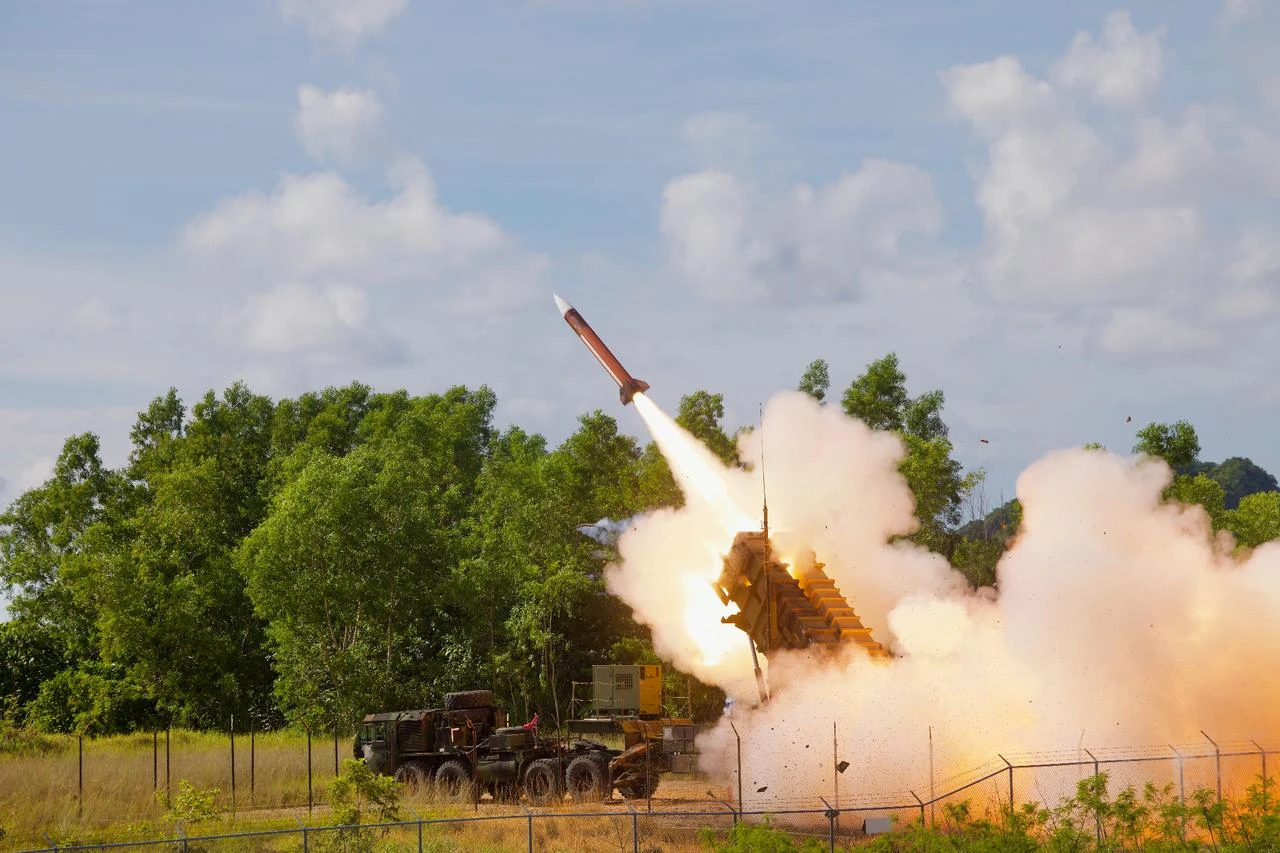


Last week, the U.S. Army awarded Lockheed Martin a contract worth up to $58.6 billion to produce interceptor missiles for the Patriot air-defense system. The figure is, in fact, a contractual ceiling representing long-term demand; actual spending and deliveries will depend on congressional appropriations and final orders.
Nevertheless, the immense scale of the deal reflects the depletion of U.S. stockpiles amid the wars involving Ukraine and Iran, as well as surging demand for air-defense systems at home and among Washington’s allies. Covering fiscal years 2026 through 2032, the agreement is intended to provide industry with the certainty needed to expand output for current requirements and possible future crises.
It should not, however, be read as just another large-volume defense contract. It is an admission that the United States and its allies entered an era of mass missile and drone warfare with inventories, production lines, and planning assumptions designed largely for limited campaigns.
The central question in air defense is no longer only whether an interceptor can destroy its target. It is whether the defender can manufacture and replenish enough interceptors to continue fighting after weeks or months of sustained attacks.
This is the defining economic problem of modern air defense.
Russia has demonstrated in Ukraine how inexpensive kamikaze drones can be combined with cruise missiles, ballistic missiles, and decoys to create repeated, complex salvos. Similarly, Ukraine has wreaked significant havoc on Russian industry and the economy with low-cost FP-5 Flamingo cruise missiles and long-range kamikaze drones.
An individual kamikaze drone, such as a Shahed or Geran, may be crude and cheap, but the campaign built around it is strategically sophisticated. It forces radars to remain active, exhausts crews, reveals defensive positions, and compels the defender to decide which threats must be engaged and with what weapon.
The attacker can tolerate very high drone-loss rates because the purpose of the campaign is not merely to destroy targets, but also to saturate and gradually exhaust air defenses.
The familiar comparison between a drone costing tens of thousands of dollars and an interceptor costing several million dollars is useful, but incomplete. The Patriot’s PAC-3 MSE is not principally a counter-drone weapon; it is a high-performance, hit-to-kill interceptor designed to be used against ballistic and cruise missiles. Nor is the price of the incoming weapon the only relevant measure. A multimillion-dollar interceptor may be an entirely rational expenditure when it protects an airbase, command center, power plant, or densely populated city.
The real failure occurs when an expensive interceptor becomes the only dependable answer to a broad range of threats. A sustainable architecture must assign each target to the cheapest effective defensive layer: electronic warfare, directed energy weapons, and anti-aircraft artillery systems against many drones; short-range missiles and interceptor drones against more difficult low-level threats; fighter aircraft and medium-range systems against cruise missiles; and Patriot or THAAD against the ballistic threats for which they are indispensable. Without such layering, the attacker can impose an unfavorable cost exchange even when most incoming weapons are destroyed.
Ukraine has made this logic visible over several years.
Russia does not need every drone or missile to reach its target; it needs to launch enough weapons, often enough, to force Ukraine to consume scarce interceptors, disperse its systems, and defend an enormous number of military, industrial, and civilian sites. A raid can therefore achieve part of its strategic purpose even when most attacking weapons are shot down. Tactical defensive success may still produce strategic attrition.
This reveals the central paradox of missile defense: a defender can win the engagements and still emerge less prepared for the next war. An interceptor fired today cannot be replaced tomorrow. Its replacement must pass through a supply chain involving rocket motors, seekers, energetic materials, electronics, specialized castings, precision machinery, and skilled labor. Increasing final assembly therefore means little unless every critical lower-tier producer expands at a compatible rate..
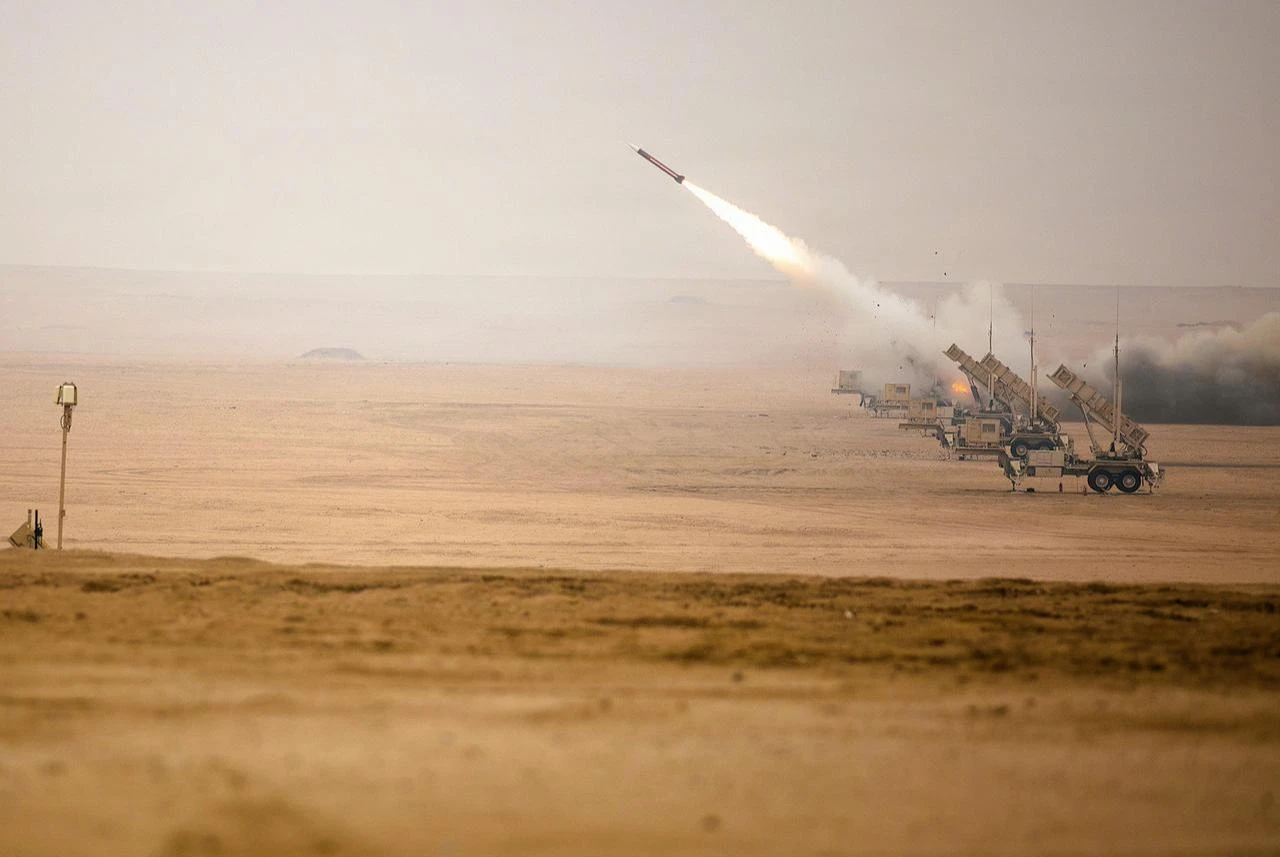

The Pentagon’s separate framework agreement to triple production of PAC-3 MSE seekers illustrates the importance of this point. A missile manufacturer cannot increase deliveries if the suppliers of seekers, propulsion systems, or other critical components cannot match the planned rate. Supply-chain resilience must consequently be measured not at the level of the prime contractor, but at the weakest and least replaceable point in the entire production network.
Industrial capacity must therefore be treated as part of the air-defense system itself. A battery’s radar range, probability of kill and number of launchers tell only part of the story. Its lasting combat value also depends on reload stocks, expenditure rates, transport capacity, maintenance infrastructure and the speed at which industry can replace fired missiles. Production lines are not merely commercial assets behind the battlefield; they are operational capabilities extending into it.
Above all, recent wars require a fundamental reassessment of stockpile planning. Peacetime models have repeatedly underestimated campaign duration, daily expenditure, multiple-interceptor engagements, decoys, transfers to allies and the possibility of simultaneous crises. Stockpiles have been calculated around the most likely war, while production capacity has been sized around efficient peacetime demand. Both assumptions collapse when combat becomes prolonged and geographically dispersed.
No serious estimate of wartime expenditure appears to have survived contact with the conflicts of the past several years.
The war in Ukraine, operations against the Houthis and the successive confrontations with Iran have all consumed certain categories of missiles at rates that would previously have been regarded as exceptional. The exceptional rate, however, is becoming the normal rate for high-intensity warfare.
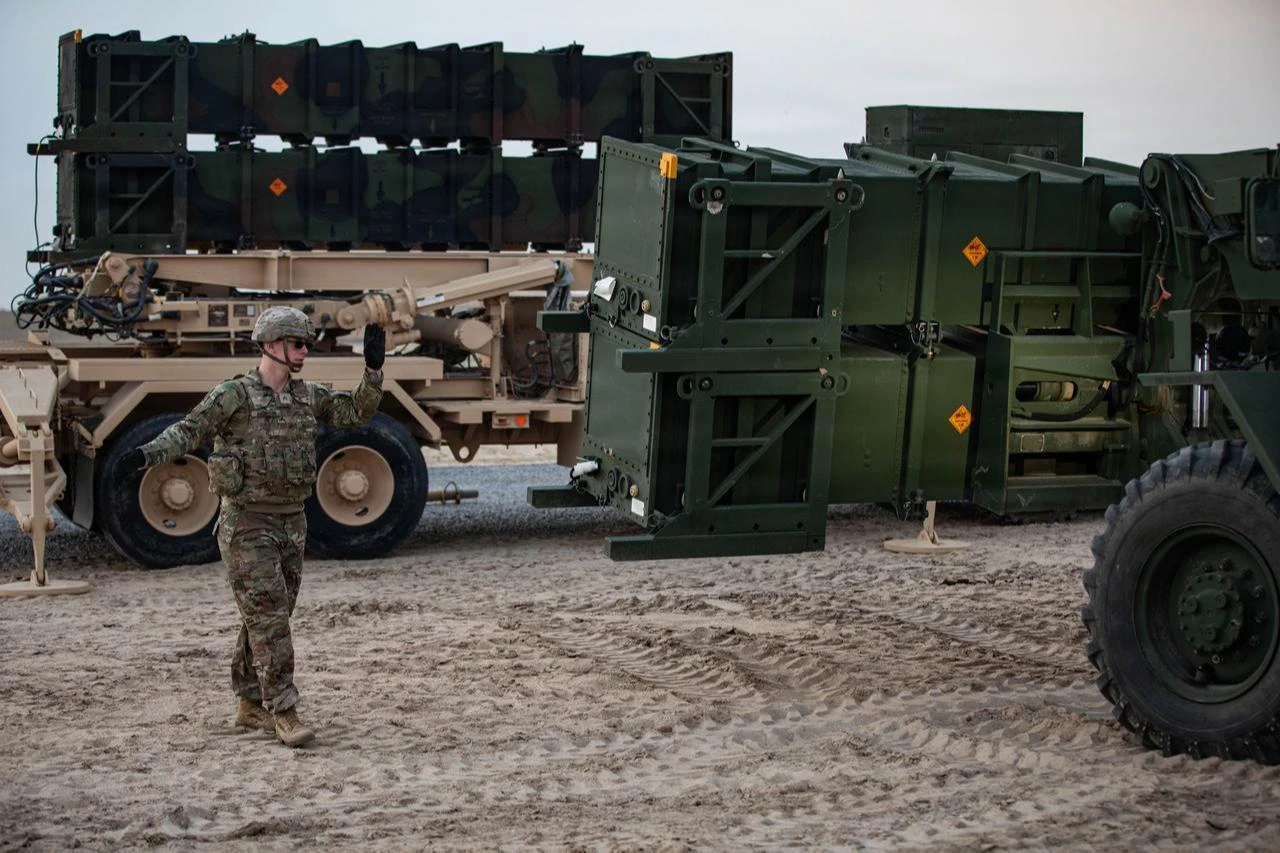
Future stockpile requirements must therefore be calculated against deliberately pessimistic scenarios: longer campaigns, larger salvos, higher failure rates, more decoys, simultaneous commitments in several theaters, and years rather than months of industrial replenishment. Governments must also accept the financial cost of maintaining reserve production capacity during peacetime. An apparently inefficient factory with unused surge capacity may prove far less expensive than discovering during a war that additional missiles cannot be produced at any price.
The Patriot contract is necessary, but not sufficient. The United States and its allies need larger stocks of high-end interceptors, denser lower-cost defensive layers, and an industrial base capable of replacing munitions at wartime speed. Air defense is not only a contest between an attacking missile and an interceptor. It is a contest between two production systems, two stockpiles, and two capacities for endurance.
In the emerging missile age, technological sophistication will remain essential. But the decisive advantage may belong not to the side possessing the most advanced interceptor, but to the side that can still manufacture, reload, and fire after its opponent’s magazines are empty.


 Set as preferred source
 Set as preferred source



 4 min read