Newsletters


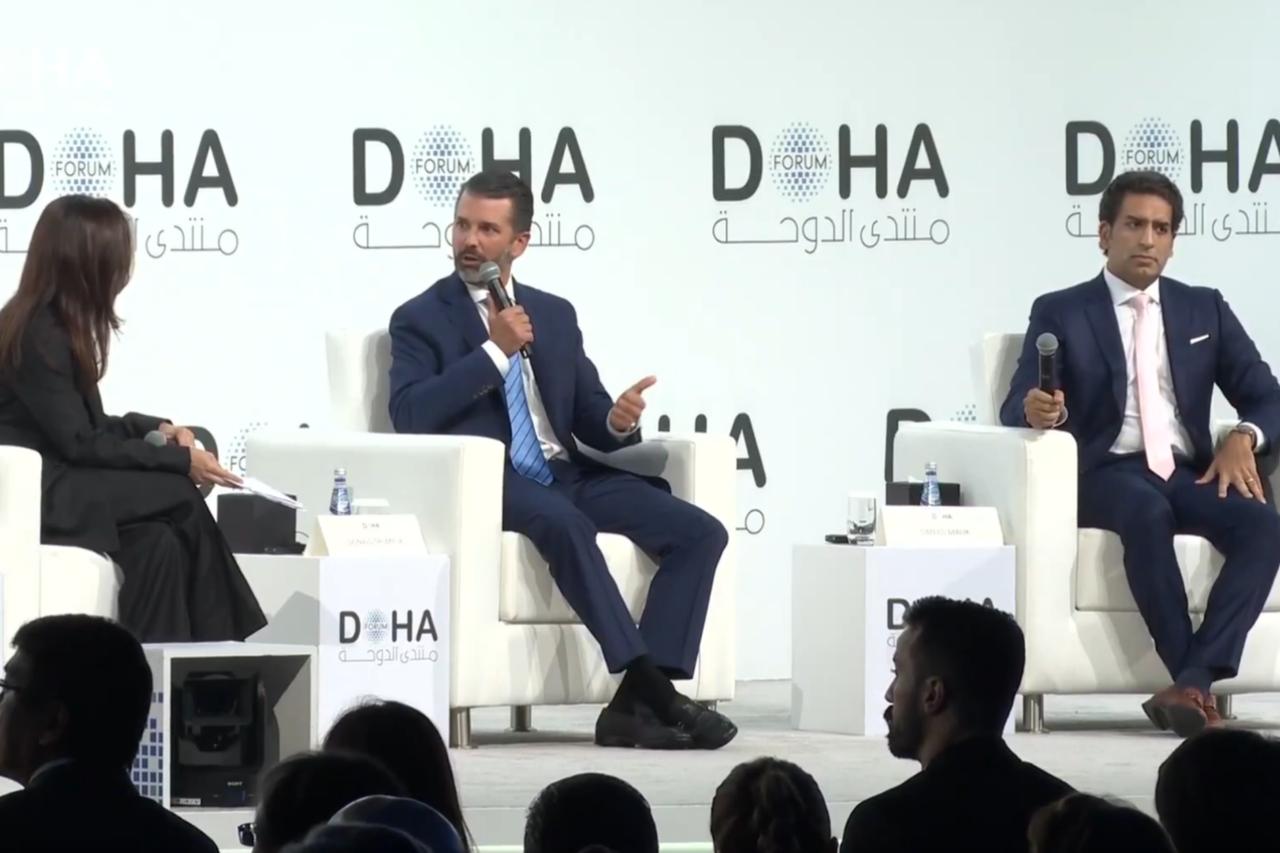


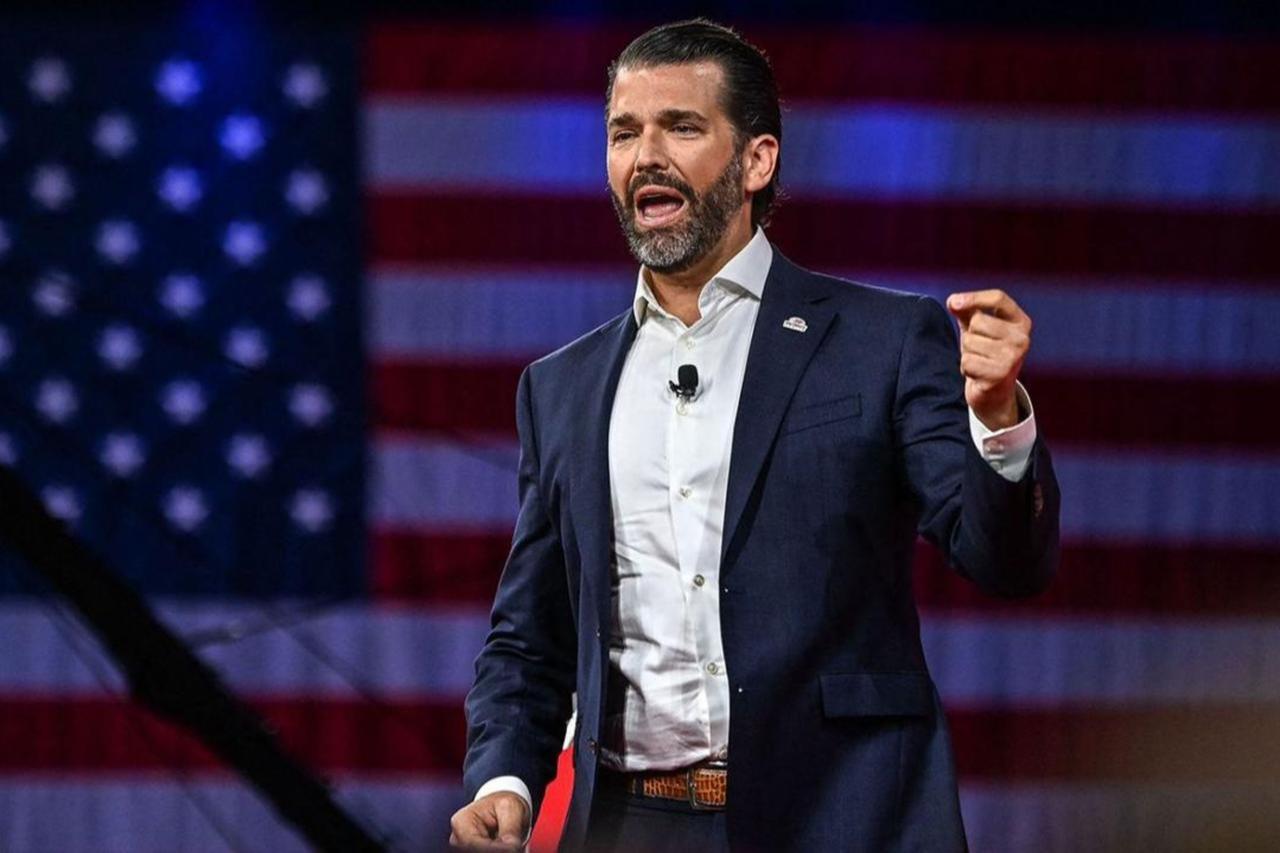
Donald Trump Jr., the son of U.S. President Donald Trump, said the American public no longer considers Ukraine a top national concern, warning that the U.S. should not act as a “checkbook fool” for Kyiv, while former U.S. Secretary of State Hillary Clinton warned that Ukraine is at risk of being pushed into a ceasefire that may leave it exposed to renewed Russian aggression.
Speaking at the 23rd Doha Forum in Qatar, Trump claimed that among "hundreds of thousands" of people he had spoken to, only three identified Ukraine as one of the top ten issues facing the country.
Trump Jr. argued that the United States should not continue to shoulder the financial burden of the war indefinitely, suggesting that European nations must assume greater responsibility.
He also cited ongoing allegations of corruption in Ukraine as a reason for caution, stating that the U.S. must avoid reverting to its previous role as "a fool with a checkbook."
He dismissed earlier claims that his father would provoke a global conflict, asserting instead that Donald Trump had worked to de-escalate wars during his presidency.
Trump Jr. also praised Qatar’s role in the Gaza talks, saying the Gulf country had stood by its partners rather than promoting its own image. While he did not commit the United States to participating in Gaza’s reconstruction, he left the possibility open—provided it would not involve Washington acting alone.
"It’s possible; my father is the best construction consultant in world history, but no one in the U.S. wants us to bear that responsibility alone," he said.
He further emphasized that domestic investment remains the top priority for the U.S. and said the administration would continue to compete with China over access to critical minerals. He added that U.S. operations targeting drug trafficking in the Caribbean currently take precedence over the war in Ukraine.

In stark contrast, Hillary Clinton pushed back against a U.S.-backed peace draft on the Ukraine war, saying she had observed efforts to pressure Kyiv into a negotiated deal that lacks long-term security guarantees.
She emphasized that "solutions without permanent security cannot bring peace to Ukraine," and argued that such outcomes would reward Russian President Vladimir Putin’s aggression.
Clinton called on the U.S. to adopt a firmer stance, underlining that Russia has maintained a presence in Ukraine since 2014 and that the consequences of any agreement must be evaluated with that history in mind.
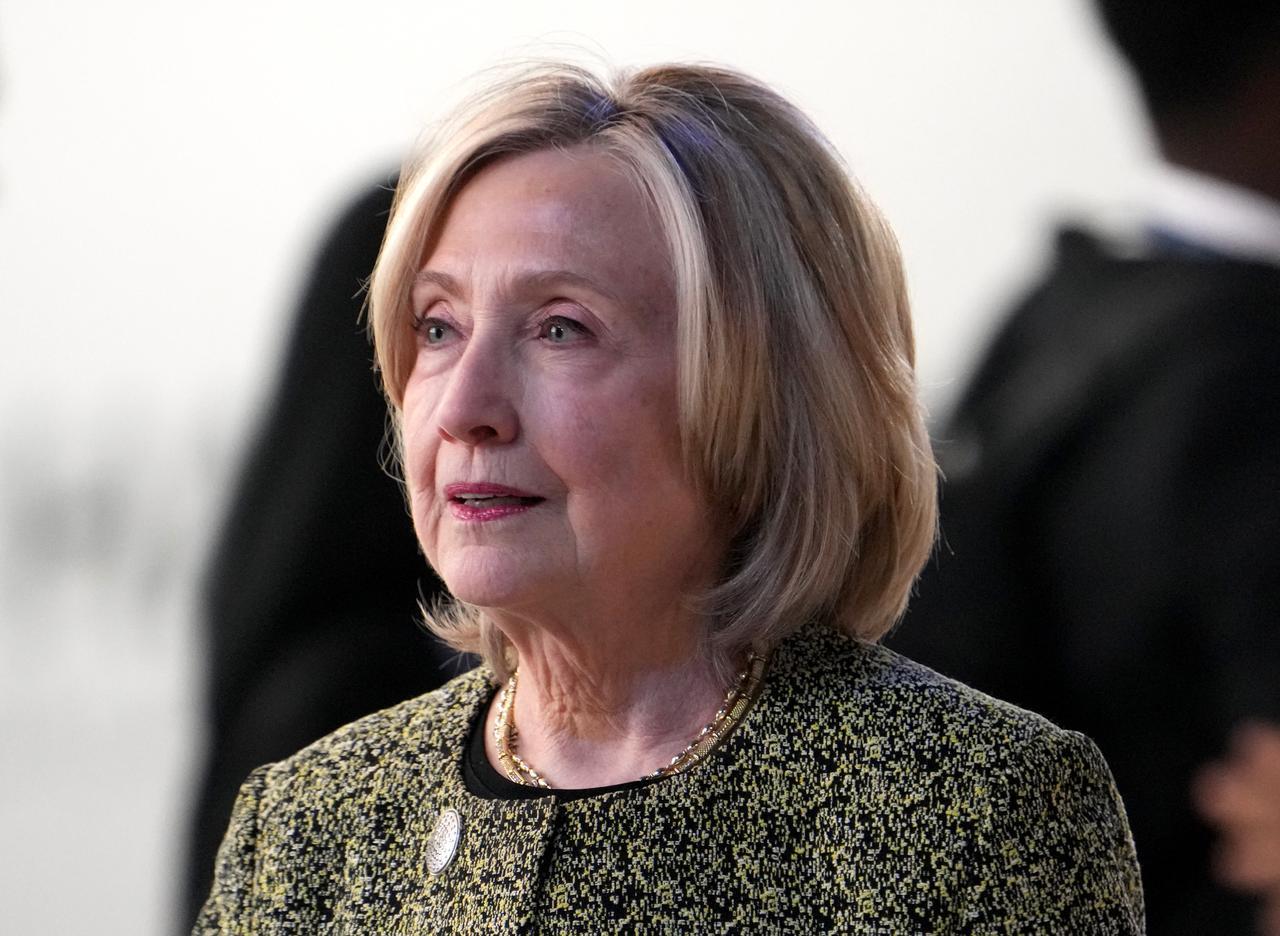
Clinton used her remarks to critique the Trump administration’s approach to diplomacy, suggesting it weakened the United States’ ability to respond to complex international challenges. She argued that sidelining foreign policy institutions and limiting the role of diplomats left Washington unprepared for today’s global dynamics.
She also voiced concern that Trump-era national security policies led to unnecessary friction with key allies, undermining the very relationships that underpin U.S. security.
Clinton stressed the need for the U.S. to recommit to international norms, stating that failing to defend rules and legal frameworks would be "a serious mistake."
Clinton endorsed the 20-point ceasefire plan for Gaza but noted that a durable peace would require sustained diplomacy and negotiation.
She also stressed the need to address global human rights crises collectively, including conflicts in Gaza, Sudan, and Ukraine, instead of focusing on one region alone.


 Set as preferred source
 Set as preferred source


 2 min read
 1 min read