Newsletters


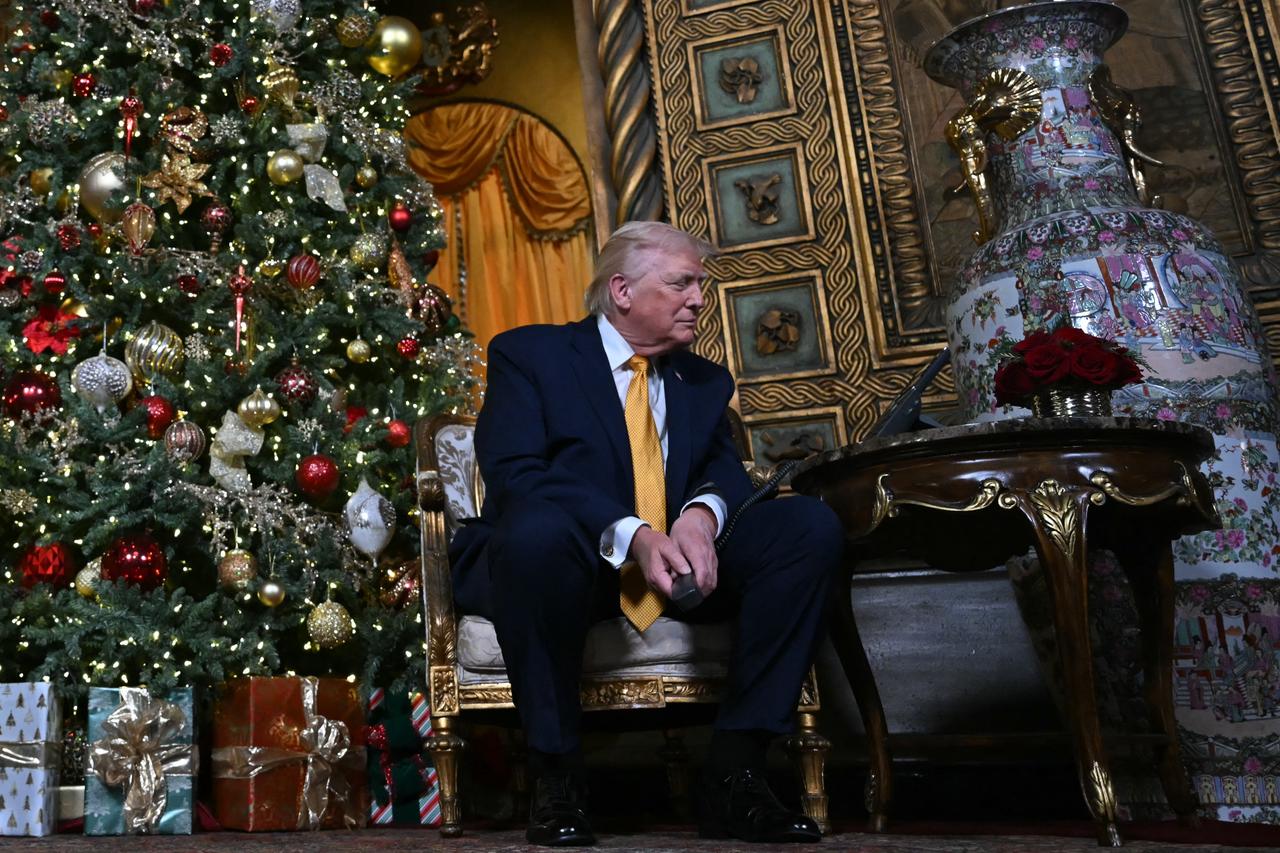


The United States military struck Daesh positions in northwestern Nigeria on Christmas, marking a dramatic escalation in President Donald Trump's two-month confrontation with Africa's most populous nation over security conditions and alleged religious targeting that experts say affects both Christian and Muslim communities.
Trump announced the operation in a Truth Social post late December 25, declaring that American forces had launched what he called a powerful strike against militants he accused of killing Christians at unprecedented levels. The president framed the military action as fulfillment of earlier warnings to extremist groups operating in the region.
U.S. Africa Command confirmed it conducted the strike at the request of Nigerian authorities in Sokoto State, killing multiple Daesh fighters. Defense Secretary Pete Hegseth wrote on social media that American military forces were always ready, adding that the extremist group found out tonight on Christmas.
The airstrikes capped a turbulent period that began with Trump's October 31 designation of Nigeria as a Country of Particular Concern under the International Religious Freedom Act, followed by congressional investigations, visa restrictions, and ultimately a partial travel ban affecting multiple categories of Nigerian visitors to the United States.
The path to military action was paved by a series of devastating attacks on schools and houses of worship throughout November that captured international attention and prompted urgent congressional briefings.
On Nov. 18, armed men stormed a government girls' boarding school in Kebbi State, kidnapping 25 female students and fatally shooting the school's vice principal. A day later, gunmen attacked a church in Eruku town in central Nigeria, killing two people and abducting 38 worshippers including the pastor. Those hostages were freed nearly a week later.
The most shocking incident occurred Nov. 21-22, when attackers abducted 303 schoolchildren and 12 teachers from St. Mary's School, a Catholic institution in Niger State. Fifty students managed to escape, but the mass kidnapping—one of the largest in Nigerian history—prompted the state governor to close all schools until further notice and declare an early Christmas holiday.
These attacks coincided with increasingly aggressive rhetoric from Washington. On Nov. 1, Trump threatened that America may very well go into Nigeria with guns blazing to wipe out extremists, instructing the Department of War to prepare for possible action. He warned the Nigerian government to move fast or face consequences he described as vicious and sweet.
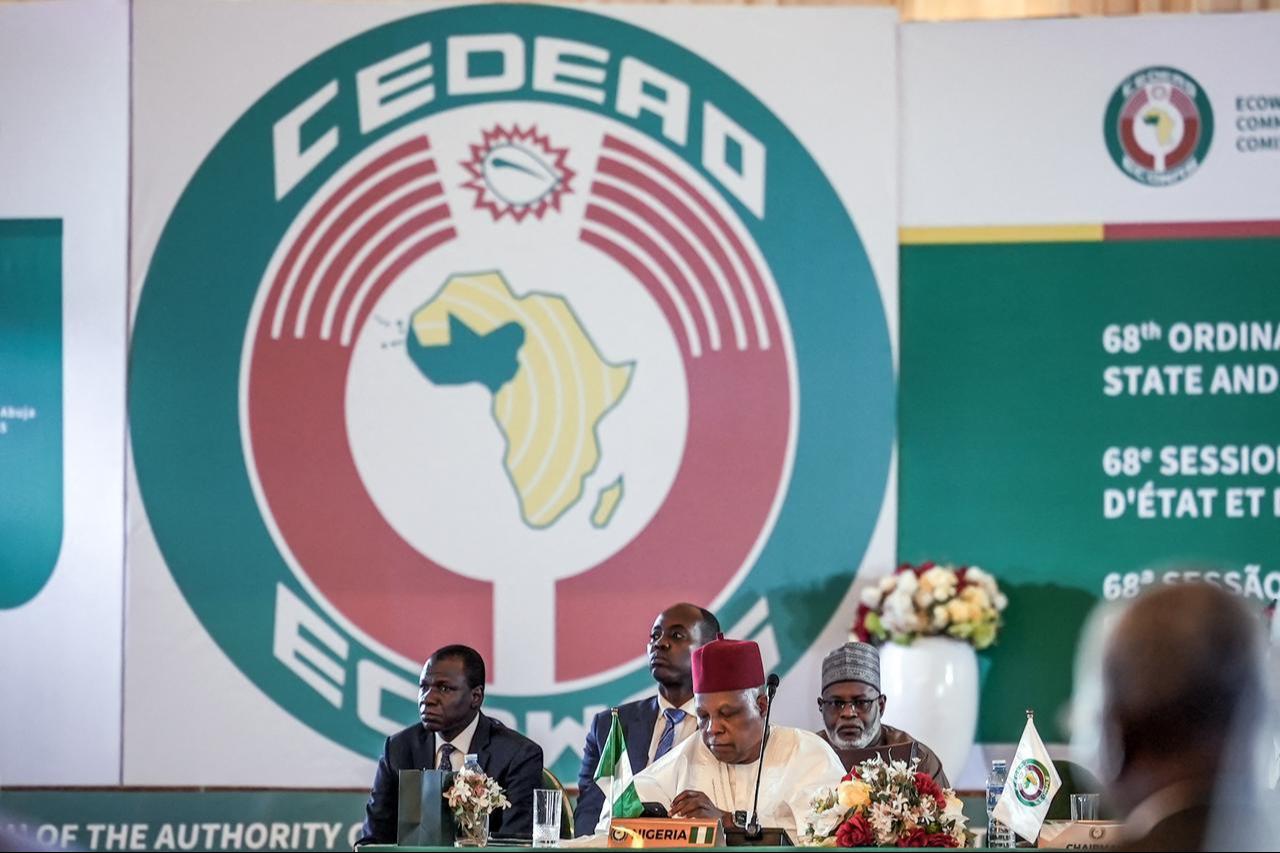

Nigerian President Bola Ahmed Tinubu, a Muslim married to a Christian pastor, rejected the characterization of his country as religiously intolerant, stating that religious freedom and tolerance have been core tenets of Nigeria's collective identity. The government maintained it would continue defending all citizens regardless of race, creed, or religion.
That pushback highlights a central dispute between the Trump administration and both Nigerian officials and security experts over whether violence in the country specifically targets Christians or reflects broader extremist activity affecting all religious communities.
Bulama Bukarti, a Nigerian human rights advocate specializing in security issues, told reporters that while extremist groups have killed many Christians, they have also massacred tens of thousands of Muslims. Crisis monitoring group Armed Conflict Location & Event Data found that among more than 20,400 civilians killed between January 2020 and September 2025, attacks specifically targeting Christians accounted for 317 deaths while attacks targeting Muslims caused 417 deaths.
Bukarti described the Christian genocide narrative as dangerous and far-right, warning it would only increase instability in Nigeria. He explained that armed groups bomb markets, churches, mosques and every civilian location they find without discriminating between Muslims and Christians.
 1 min read
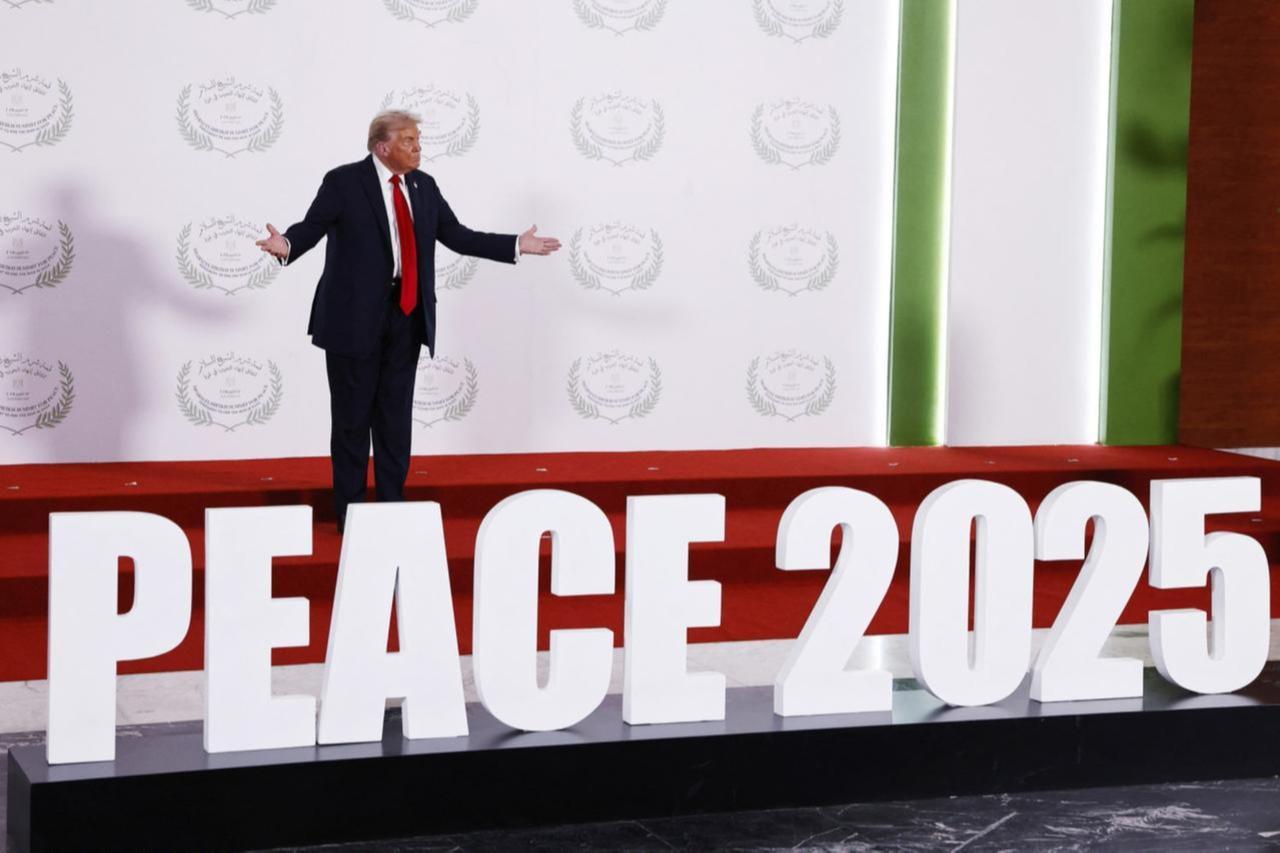
The Trump administration implemented a series of escalating policy measures throughout December designed to pressure Nigeria on security cooperation and religious freedom.
On Dec. 4, Secretary of State Marco Rubio announced visa restrictions targeting individuals who directed, authorized or participated in religious freedom violations, declaring that America was taking decisive action against mass killings and violence. The policy allowed the State Department to deny visas to perpetrators and their immediate family members.
Twelve days later, the administration imposed far broader travel restrictions barring Nigerians from entering as green card holders or on business, tourism, academic, vocational and exchange program visas.
The proclamation cited the presence of extremist groups like Boko Haram and Daesh operating freely in certain parts of Nigeria, creating substantial screening difficulties. It also noted visa overstay rates of 5.56 percent for business and tourism visas and 11.90 percent for student and exchange visas. Those restrictions took effect January 1, 2026.
House Appropriations Vice Chair Mario Diaz-Balart led joint congressional briefings in early December examining what lawmakers characterized as escalating violence and targeted persecution. Rep. Vicky Hartzler told colleagues that religious freedom in Nigeria had been under siege in 2025 and unfortunately seemed to be getting worse, citing the St. Mary's School mass abduction.
Congressional offices claimed more than 7,000 Christians had been killed in Nigeria in 2025 alone—an average of 35 per day—with reports indicating between 50,000 and 100,000 Christians killed since 2009. However, those figures have been widely disputed, with the United States Commission on International Religious Freedom finding in 2024 that extremist violence affects large numbers of Christians and Muslims across several Nigerian states.
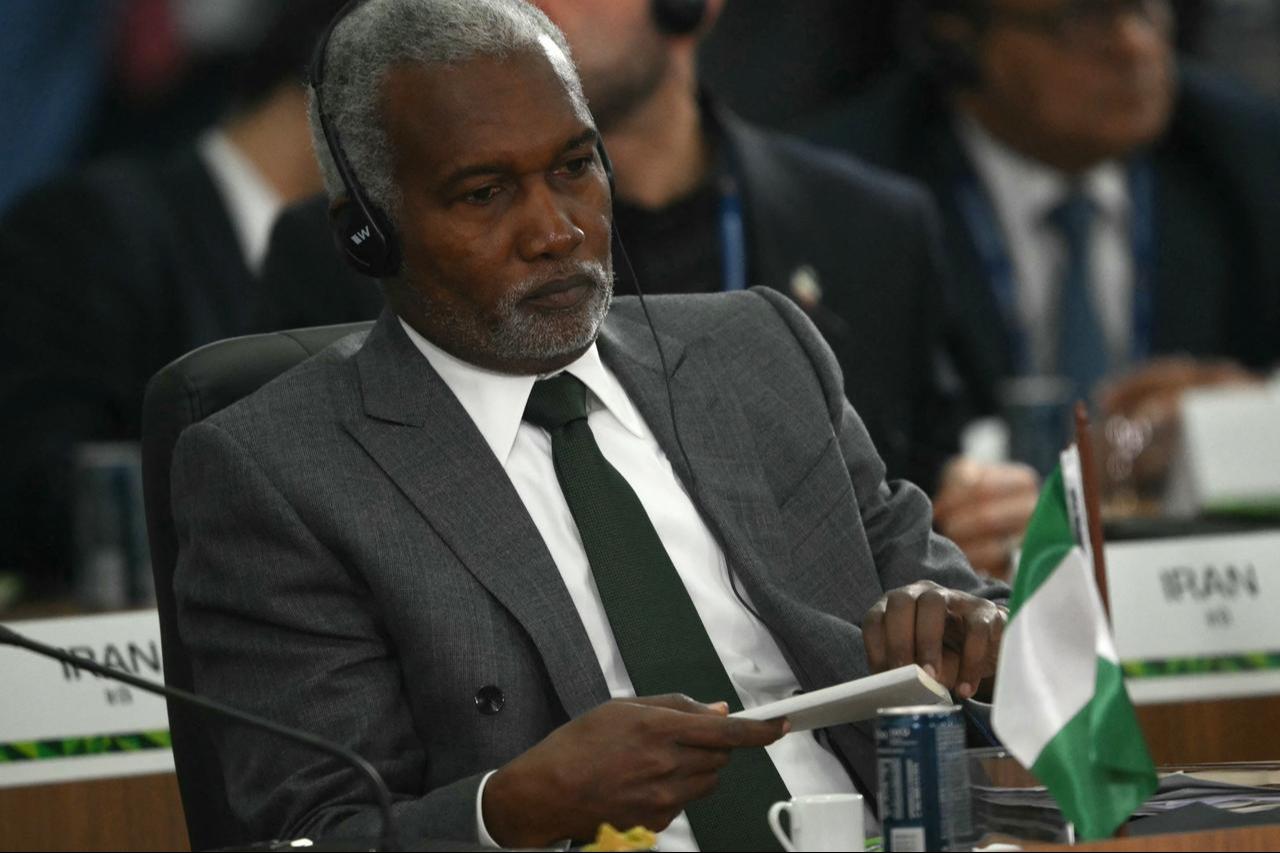
Despite months of public friction, the Nigerian government confirmed cooperation with the United States on the Christmas strikes against what it called terrorist targets. The Foreign Ministry reiterated Nigeria's commitment to uphold religious freedom following the operation.
On Christmas Eve, just hours before the American military action, President Tinubu issued a message stating he stood committed to doing everything within his power to enshrine religious freedom in Nigeria and protect Christians, Muslims and all Nigerians from violence.
Senator Tom Cotton praised Trump, Hegseth and American troops for the strikes against what he called bloodthirsty savages who have killed many Americans in addition to persecuting Christians.
Kimiebi Imomotimi Ebienfa, a spokesman for Nigeria's Ministry of Foreign Affairs, acknowledged the country's security challenges while disputing the narrative that only Christians face targeting. President Tinubu has sought to strike a balance through equal representation of Muslims and Christians in government and military appointments.


 Set as preferred source
 Set as preferred source



 1 min read