Newsletters


Natural gas futures jumped sharply on Monday, mirroring a double-digit surge in oil prices as tanker traffic through the Strait of Hormuz effectively halted amid the Iran conflict, pushing European gas prices up 27%.
At the Dutch TTF hub, April futures trade above €40.8 ($47.76) per megawatt-hour, marking the highest level since late January. U.S. natural gas futures at Henry Hub also climbed by more than 5%, with prices moving past $3.
The Strait of Hormuz, a narrow waterway at the mouth of the Persian Gulf, links oil and liquefied natural gas (LNG) producers in the Middle East to global markets via the Gulf of Oman and the Indian Ocean.
Roughly 20% of global LNG exports pass through the strait. Qatar, one of the world’s largest LNG exporters, ships nearly all of its LNG to international buyers via this route. According to European Commission data, the share of LNG in total EU gas imports reached 45% in 2025, and Qatar also remains one of the bloc’s key suppliers.
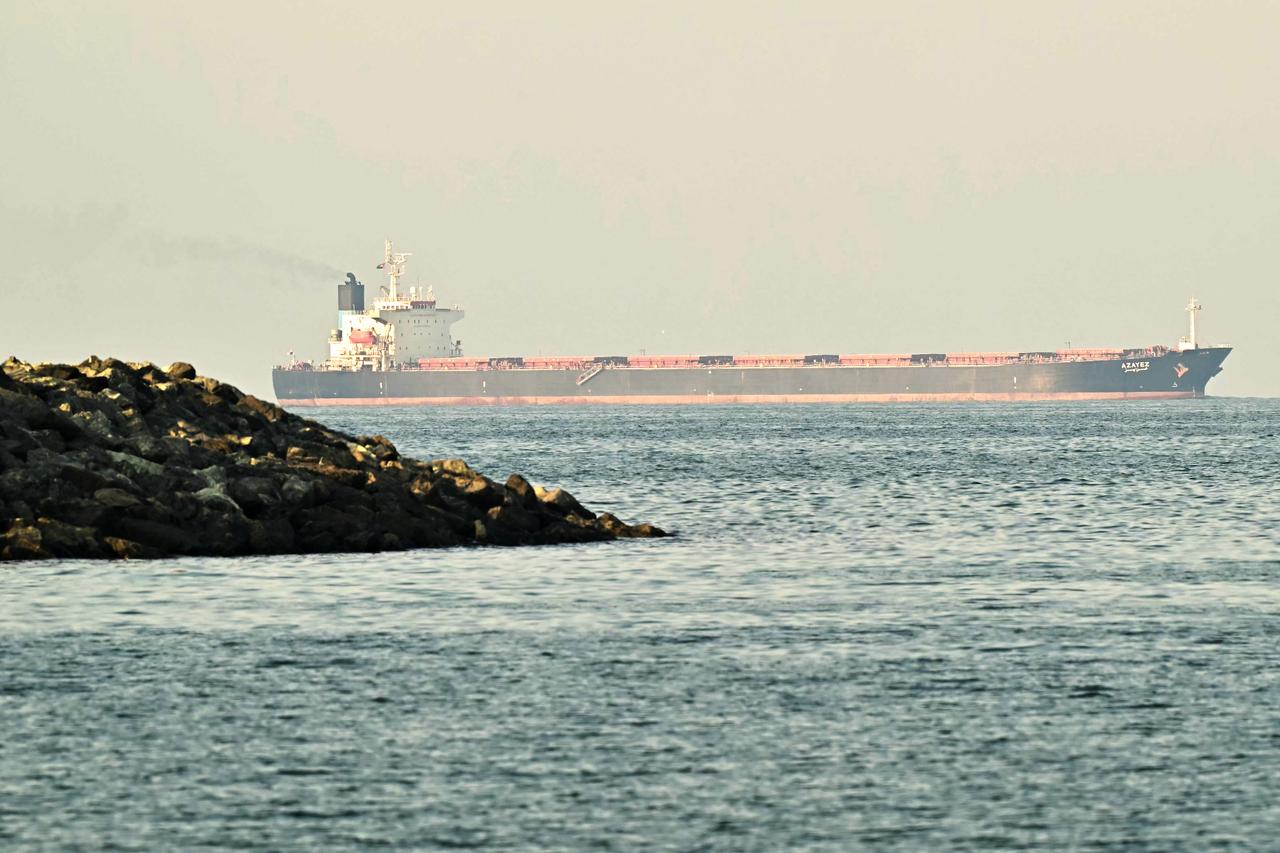
Commercial vessel transits in the strait effectively grind to a halt after the strikes, according to reports, disrupting shipments from the region.
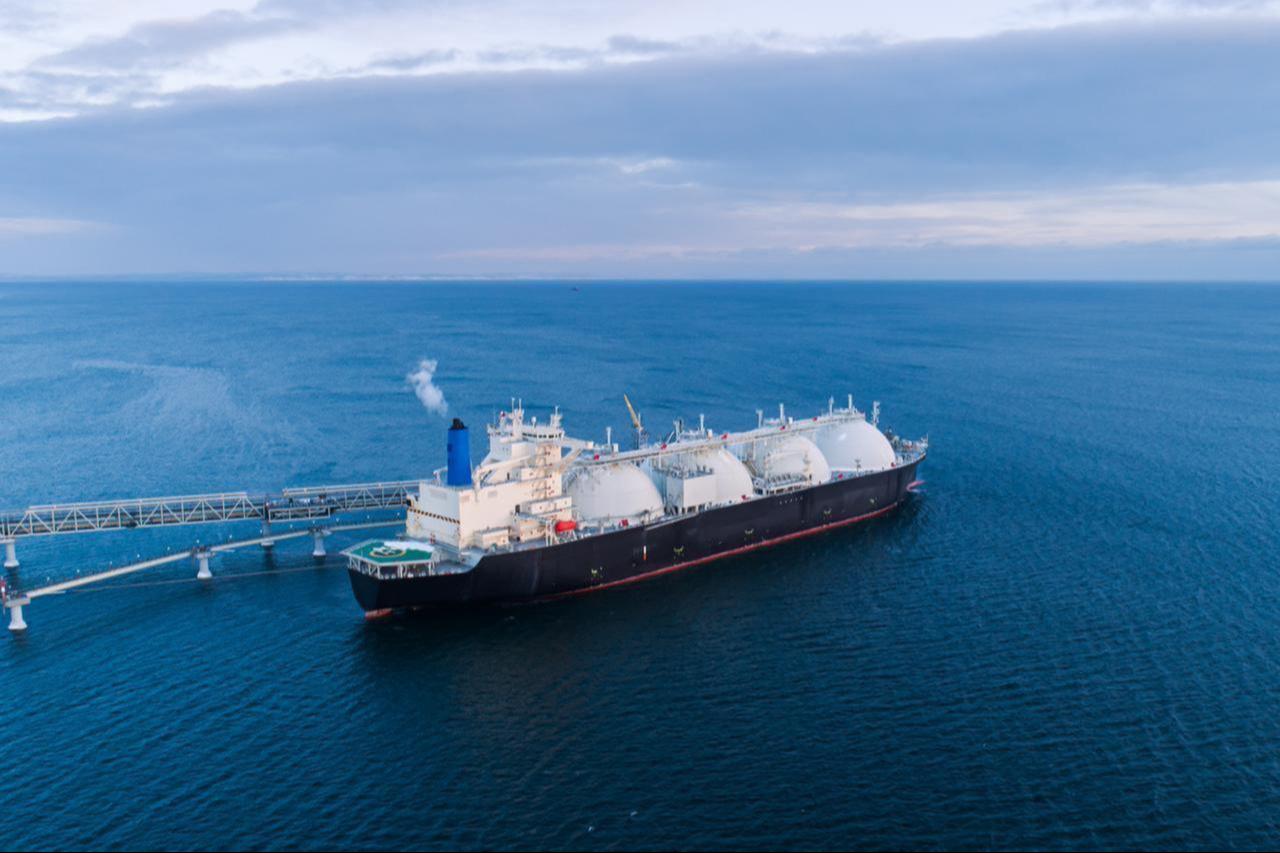

Market pressure intensifies as Europe’s gas storage levels fall below 30%, according to data from the Swiss Federal Office of Energy (SFOE). Lower inventories increase the volume of LNG the region must secure from international markets, tightening competition for available cargoes.
With tanker traffic constrained and storage levels already depleted, traders price in the risk of further supply strain across European energy markets.


 Set as preferred source
 Set as preferred source


 1 min read
 1 min read