Newsletters


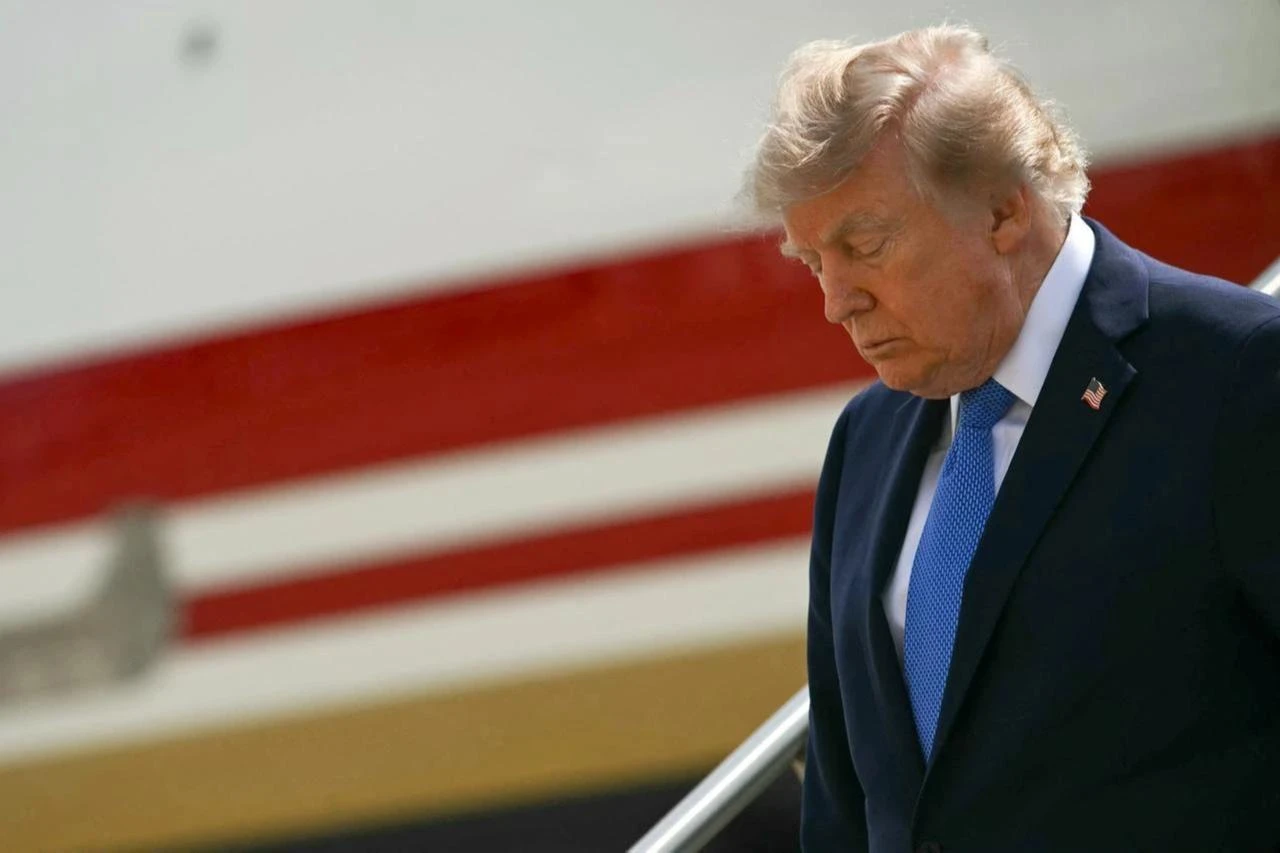


U.S. President Donald Trump on Sunday praised a newly signed defense agreement between Saudi Arabia, Türkiye and Pakistan, calling it a "BIG, BOLD, AND IMPORTANT FIRST STEP" toward greater self-reliance in the Middle East.
In a post on Truth Social, Trump wrote that he was "very happy to see" the three countries "recently, and finally" sign what is known as the Mecca Joint Defence Agreement.
"It shows how the Middle East is coming together, and how Countries will finally be able to defend themselves in a more meaningful way," he wrote, adding congratulations to what he called the "Great Leadership of the three Nations mentioned."
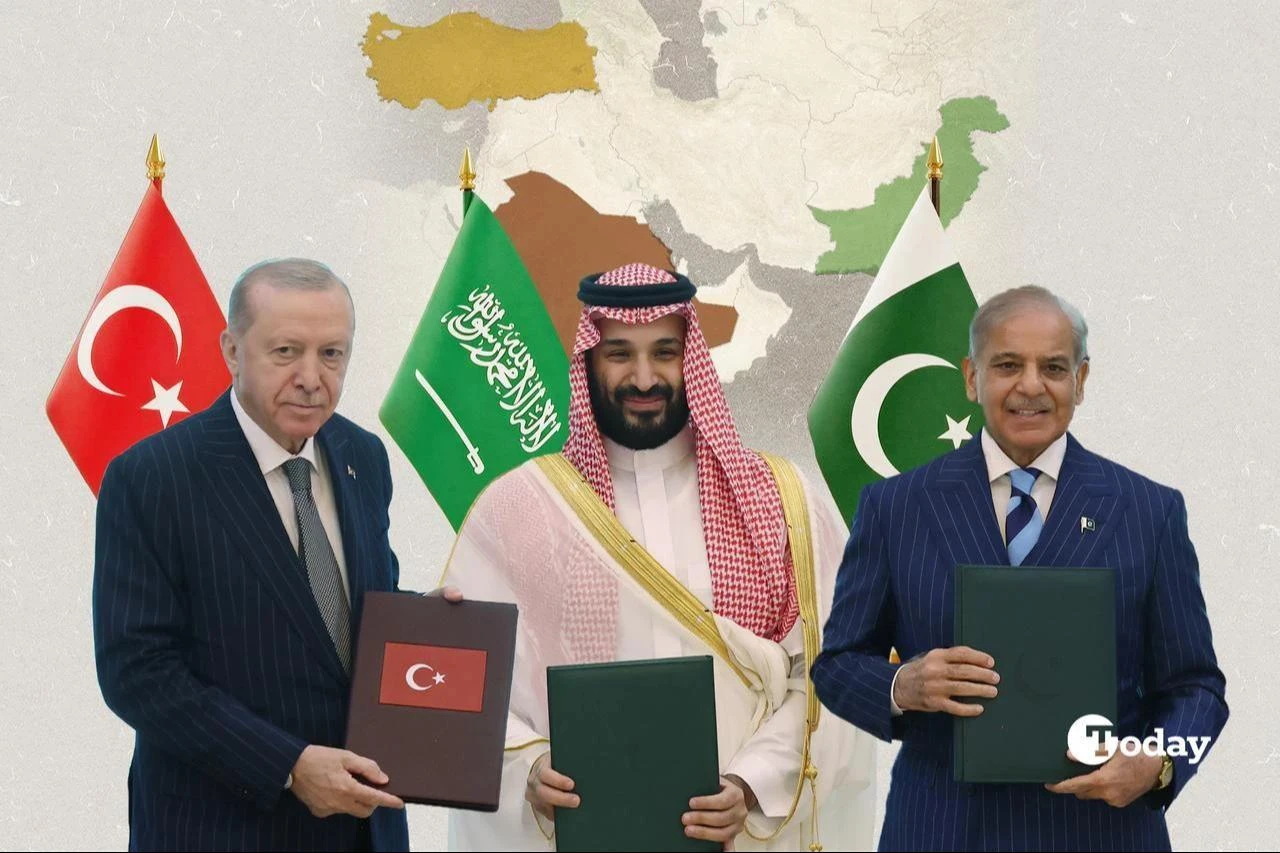

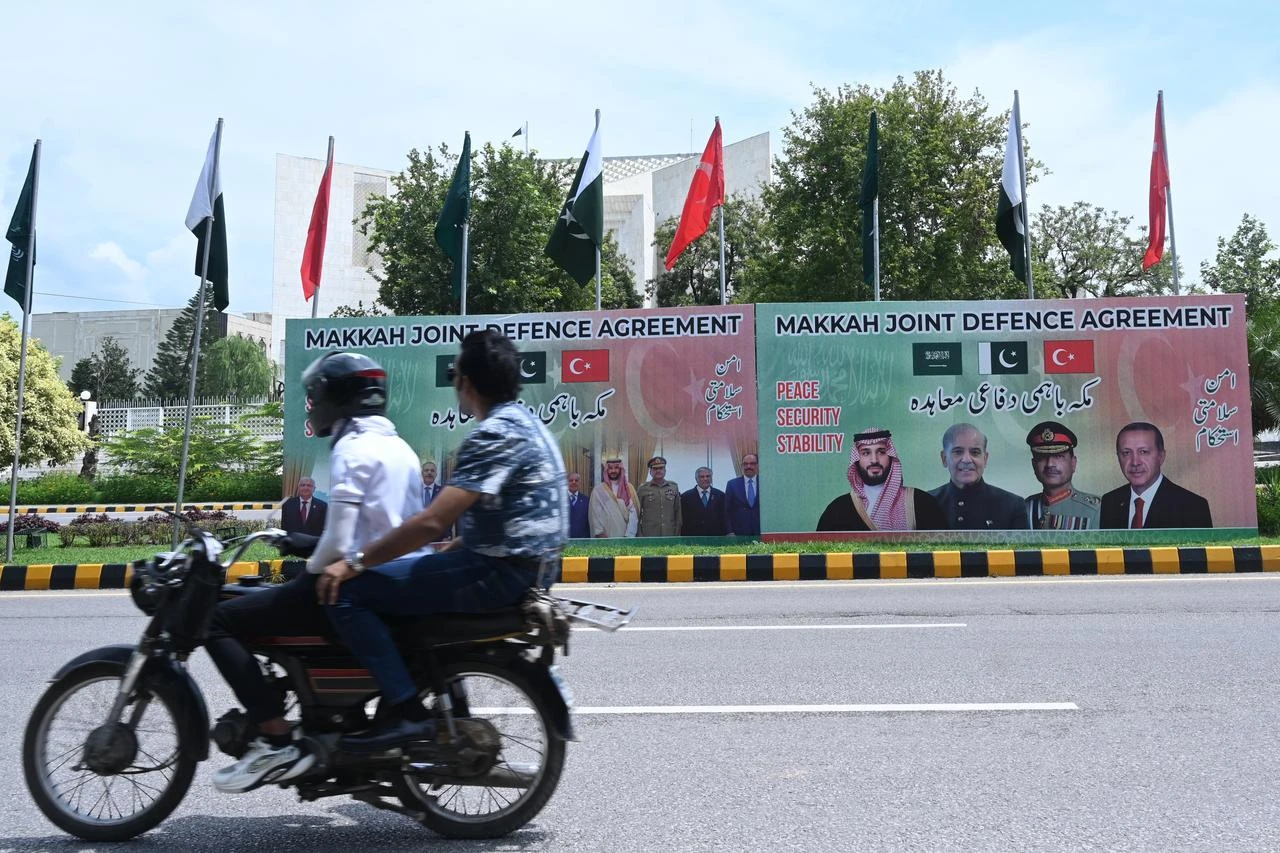
The joint statement issued in Mecca states that any armed attack against any one of the three states shall be regarded as an attack against them all.
The pact was signed on August 7, 2026, by Saudi Crown Prince Mohammed bin Salman, Turkish President Recep Tayyip Erdogan and Pakistani Prime Minister Shehbaz Sharif.
Pakistan's foreign minister, Ishaq Dar, said the agreement was "purely defensive in nature" and remained open to other countries in the region willing to uphold its principles. Saudi officials have echoed that characterization.
Deputy Minister for Public Diplomacy Rayed Krimly said the pact does not represent any intention to build a military axis or a sectarian or religious bloc, and is not linked to nuclear ambitions or an arms race, but rather to building sustainable, self-reliant capabilities.
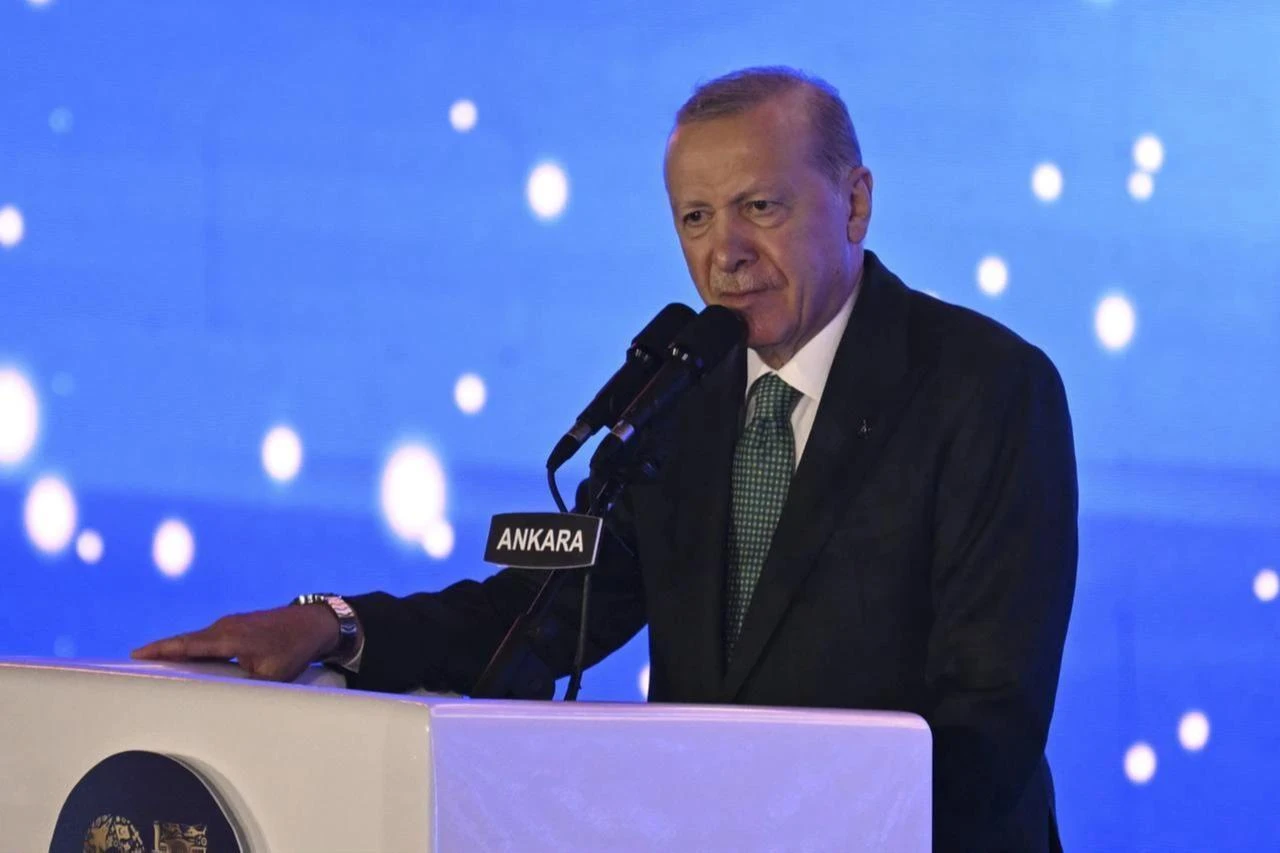
Erdogan, in a post on X, said the deal was signed on the basis of collective deterrence and that Ankara would continue pursuing dialogue and diplomacy in line with international law.
The agreement follows nearly a year of negotiations and comes as Saudi Arabia has faced repeated strikes from Iran, Tehran's Houthi allies in Yemen and Shia armed groups in Iraq since the U.S. and Israel attacked Iran on February 28.
Türkiye and Pakistan have not faced significant direct attacks but have both sought to calm regional tensions that threaten their own security and economies.
Analysts have cautioned against overstating the scope of the arrangement. In Islamabad, defense analysts said the pact should not be viewed as equivalent to NATO, despite its collective-defense clause, and Islamabad-based analyst Abdullah Khan said the agreement, though signed amid heightened regional tensions, should not be interpreted as directed against Iran or any other country.
Combined, the three signatories bring substantial military weight to the table. Together they field nearly 1.4 million active military personnel, 3,400 aircraft, 6,000 tanks and more than 340 naval assets, according to the 2026 Global Firepower Index.
Pakistan contributes the largest share of active personnel, at 660,000, followed by Türkiye with 481,000 and Saudi Arabia with 247,000. The pact has been described by observers as combining a leading oil exporter, NATO's second-largest army and the only nuclear arsenal in the Muslim world.
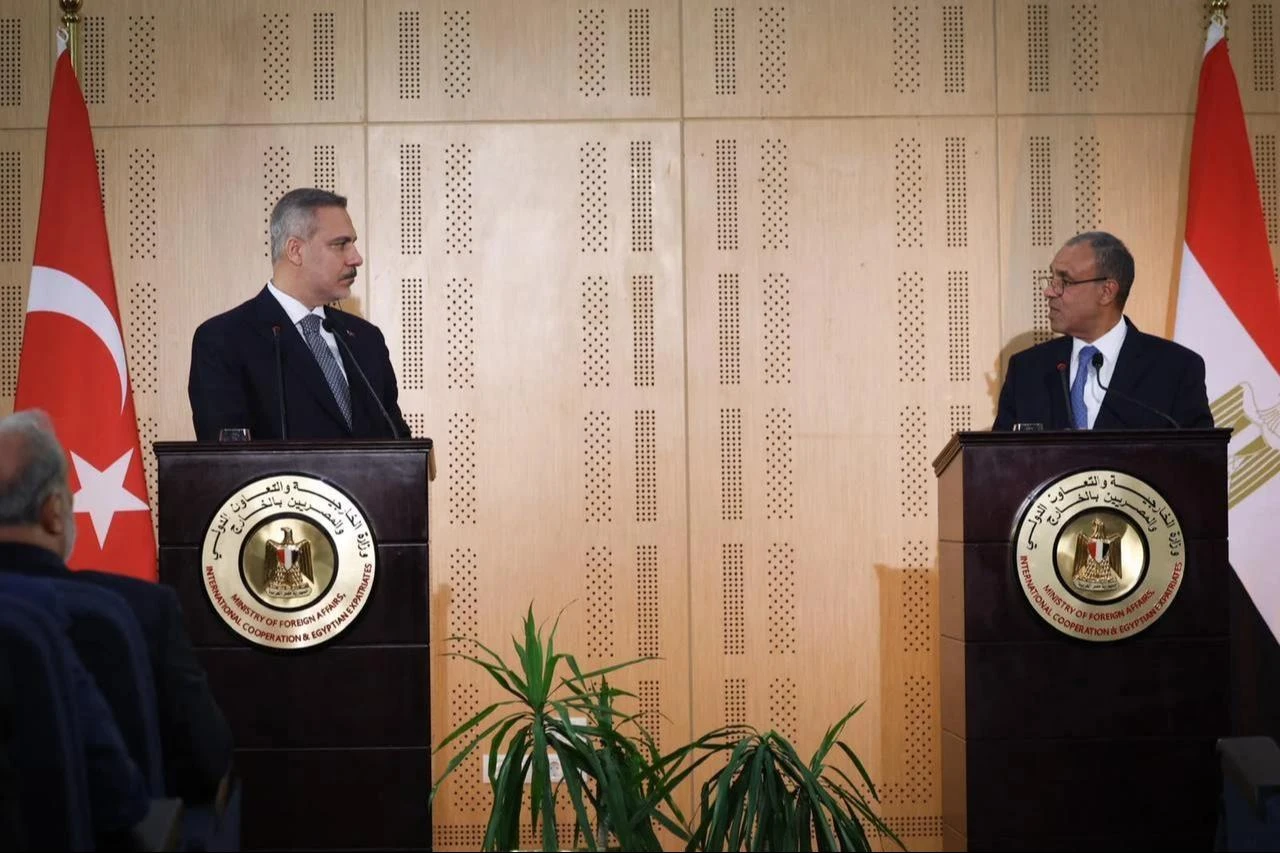
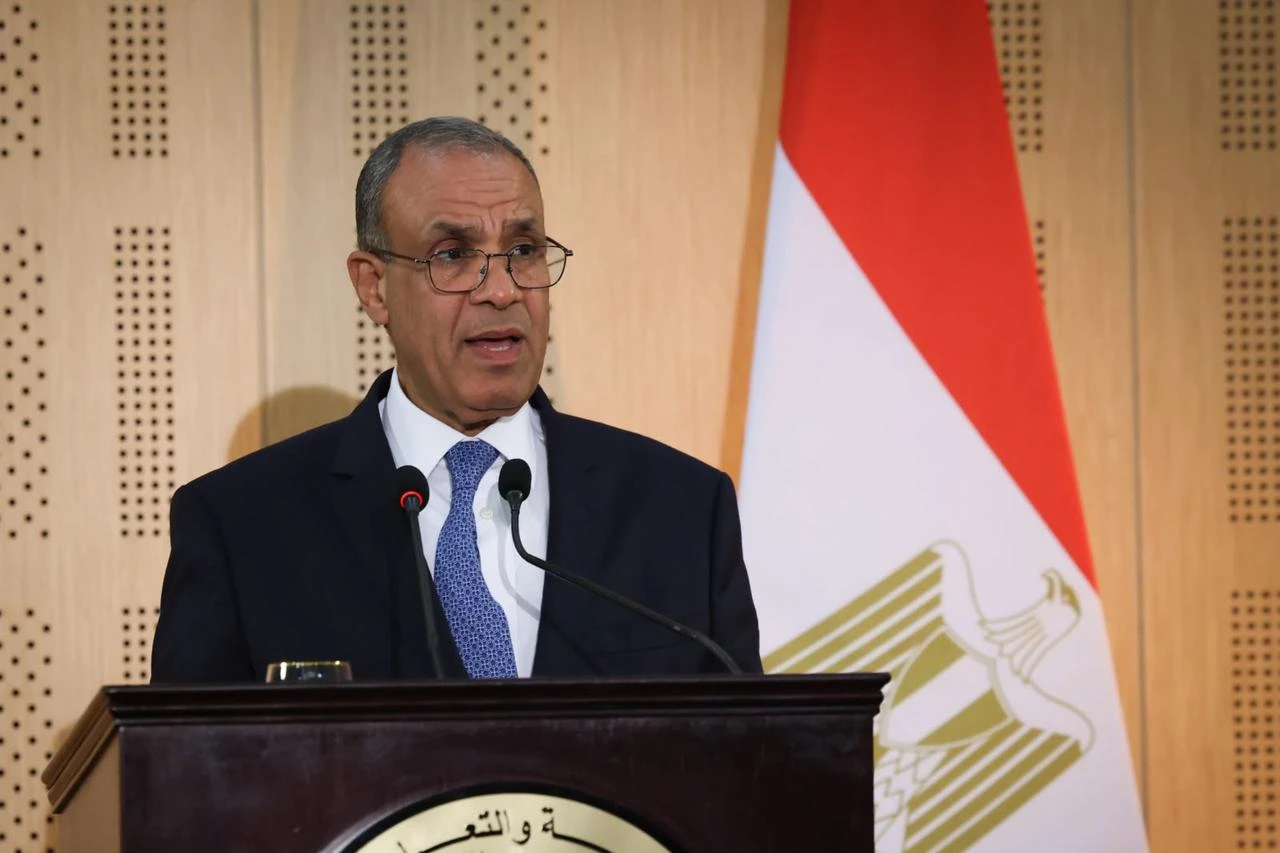
Cairo has emerged as a likely candidate for future membership but has not yet joined. Egyptian Foreign Minister Badr Abdelatty said Cairo was studying the possibility of joining the security pact with Saudi Arabia, Türkiye and Pakistan.
Abdelatty said Egypt maintains deep, multifaceted strategic bilateral ties with all three member states and confirmed that Cairo has been kept informed since the pact's inception, with relevant state institutions now conducting a thorough review of the accord.
He noted, according to the report, that Egypt's constitution and legal framework require careful review of international defense agreements and their obligations before any formal commitment is made.
Turkish officials have been vocal in encouraging Egypt to join. Turkish Foreign Minister Hakan Fidan said he expected Egypt to join the alliance, calling Cairo a "natural partner on all issues" and saying that "at the next stage Egypt will also be among us in the alliance," adding that the countries already act as if they were alliance members and that only a few technical issues remain.
Erdogan separately told Al Jazeera that Egypt's accession was "possible" and among the options being considered for the pact's expansion, saying the agreement "has sent an important message to the world."
Egypt's absence from the original signing has drawn scrutiny given its close ties to all three founding members.
Cairo took part in a series of meetings with Saudi Arabia, Türkiye and Pakistan on regional security but did not join the new pact when it was signed.
According to a report from Middle East Eye, foreign ministers from Egypt, Pakistan, Saudi Arabia and Türkiye held talks on the sidelines of the March 2026 Riyadh Summit of Arab and Islamic nations, with Türkiye pushing to bring Egypt into a quadrilateral defense agreement that has not yet materialized.
Potential obstacles to Egypt's membership have been cited, including Cairo's existing agreements with Greece and Cyprus and its hesitance to join an alliance requiring unconditional military support for allies in conflict.
Regional analysts have framed Egypt's caution as strategic rather than oppositional. A Chatham House analysis noted that Egypt has an interest in eventually joining the arrangements but described Cairo's approach as one of waiting, noting it could be more motivated to join if the pact's binding mutual defense obligations are not tested in practice, preserving its ability to mediate with the pact's rivals.
Political analyst Faisal Al-Shammari said Egypt's absence should not be viewed as an exclusion from broader security arrangements, noting Cairo remains part of a consultative framework with the three countries even though the Mecca agreement emerged from a separate defense track.


 Set as preferred source
 Set as preferred source


 1 min read
 1 min read