Newsletters


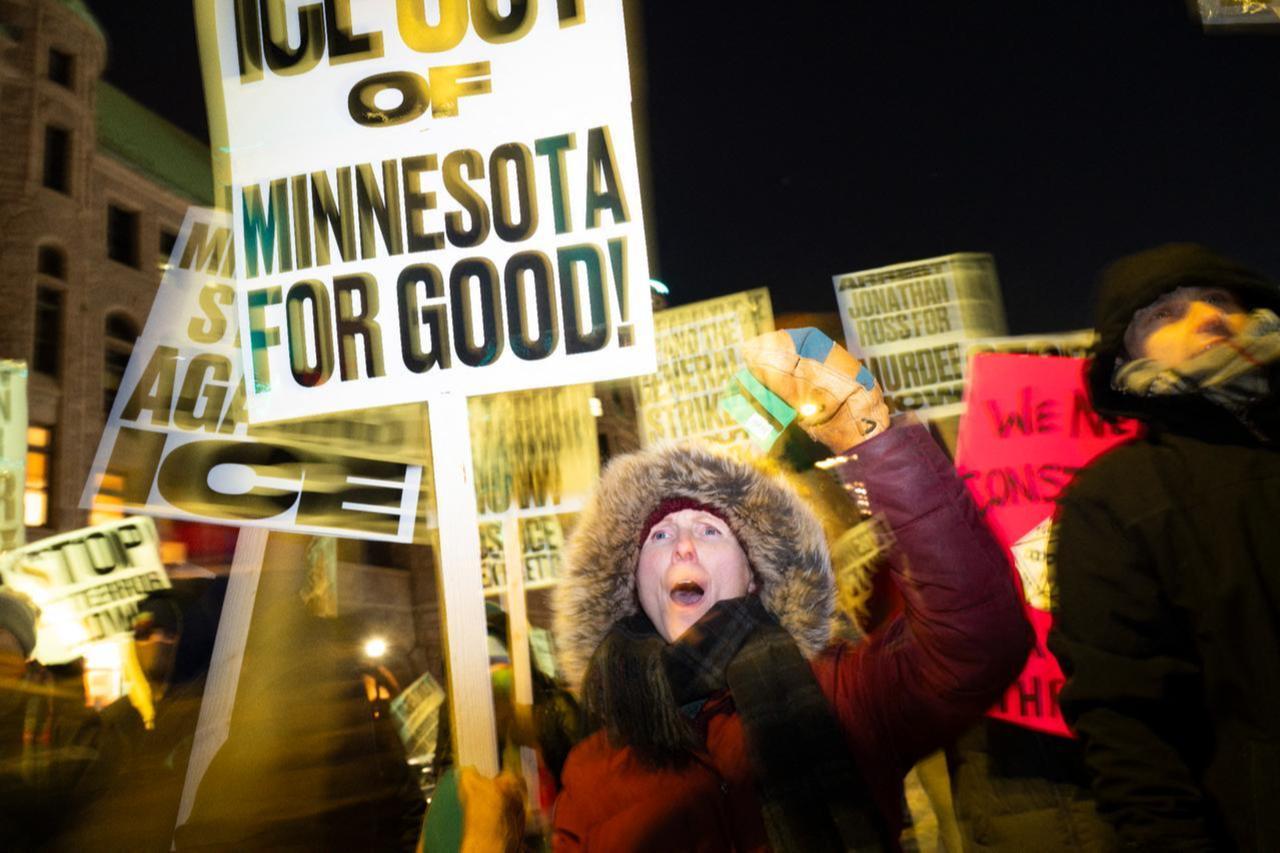


The Trump administration announced Thursday the conclusion of its sweeping immigration operation in Minneapolis, drawing down a weeks-long federal deployment that provoked mass protests, drew fierce bipartisan criticism and saw two US citizens fatally shot by agents.
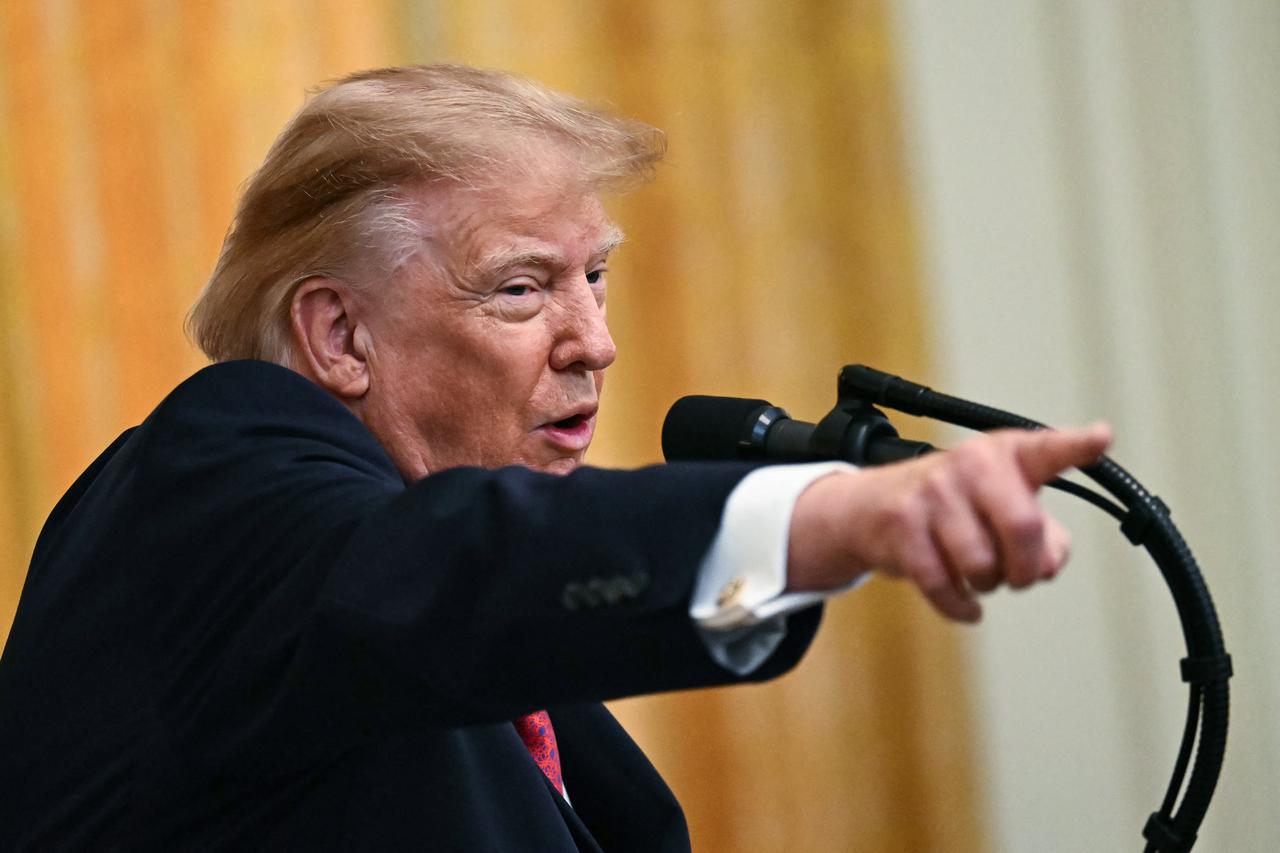
Tom Homan, President Donald Trump's top immigration official, confirmed the pullback at a briefing on the outskirts of Minneapolis, saying the president had personally signed off on the decision. "I have proposed and President Trump has concurred that this surge operation conclude," Homan said, adding that a significant drawdown was already underway and would continue through the following week.
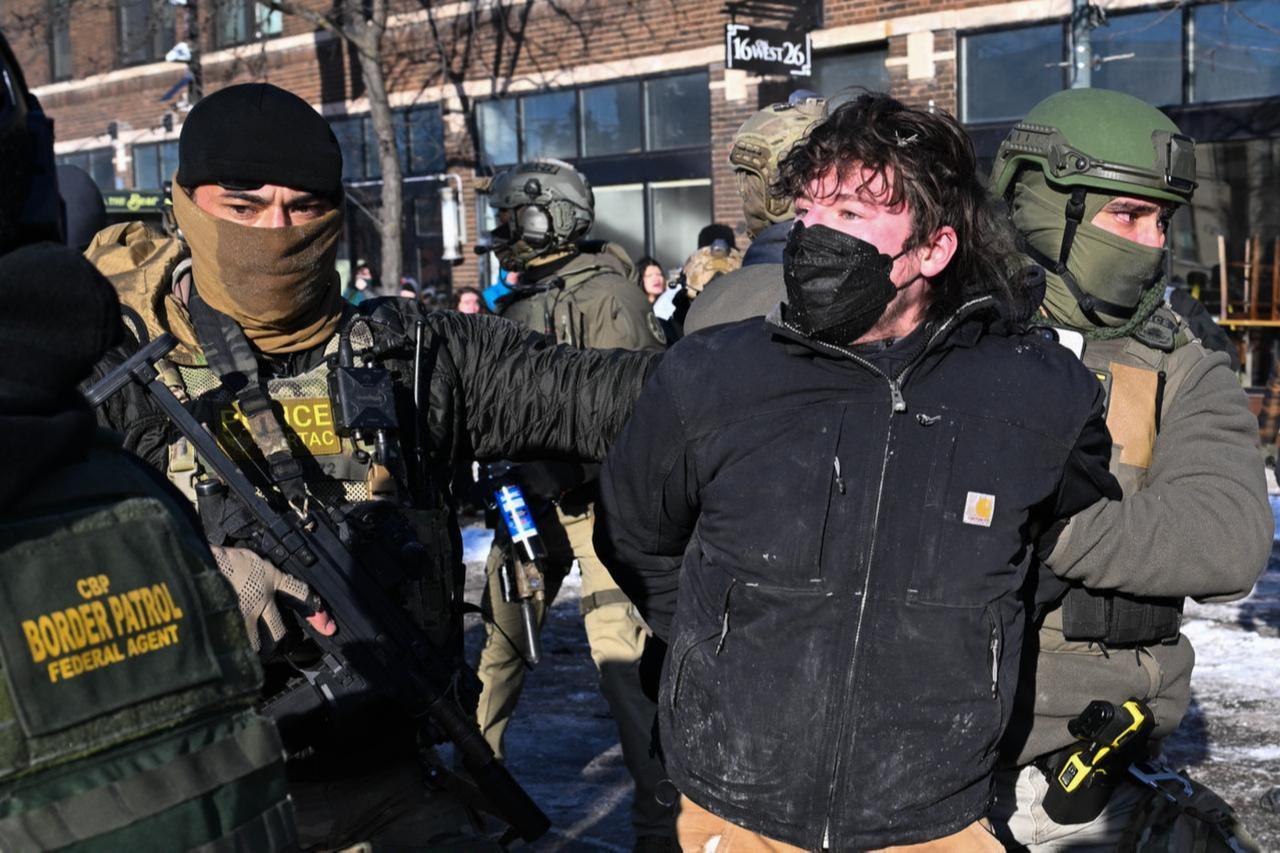
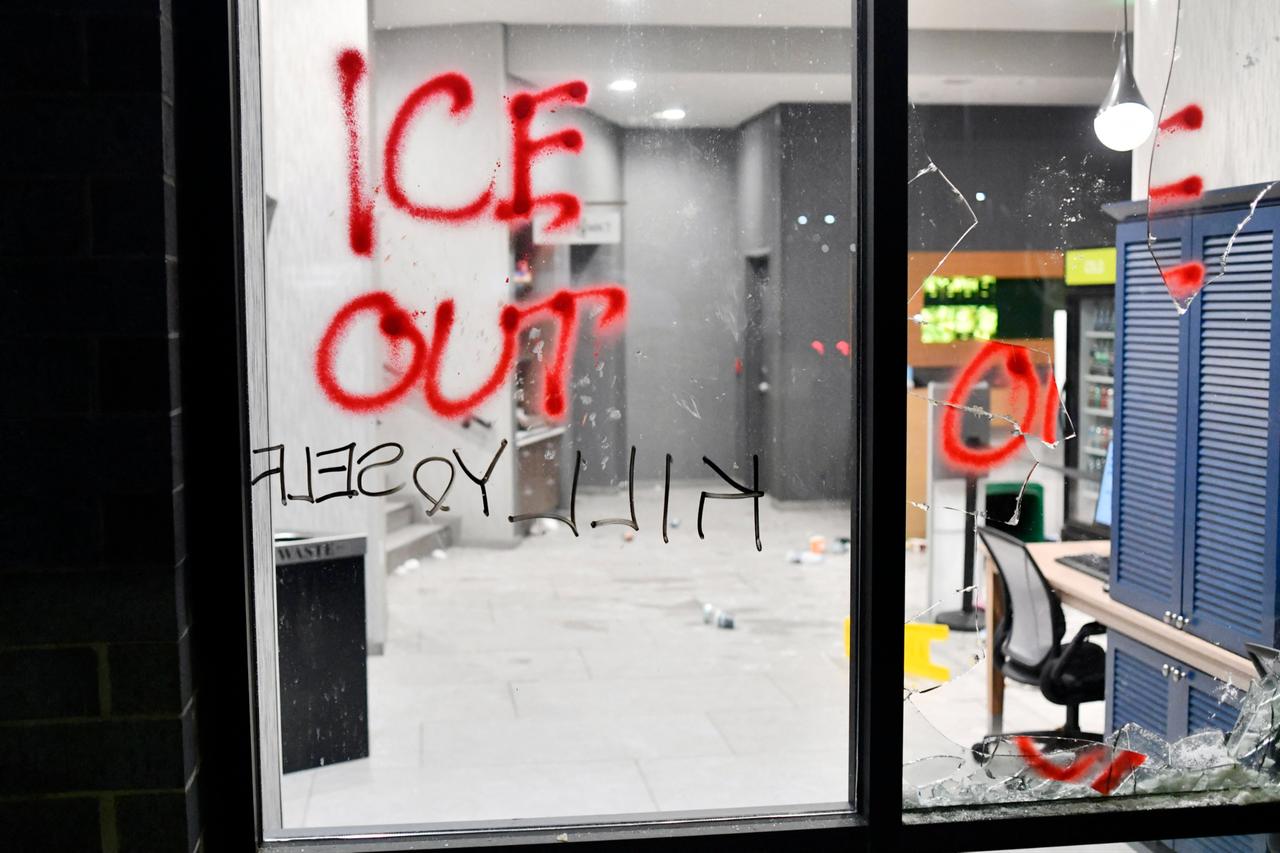
The operation, which deployed thousands of federal agents including Immigration and Customs Enforcement officers across the Minneapolis area, was billed by the administration as a targeted campaign against criminals. But daily footage of masked agents conducting aggressive raids, coupled with multiple reports of detentions based on flimsy evidence, turned the crackdown into a political liability for the White House as Trump's approval ratings dropped sharply.
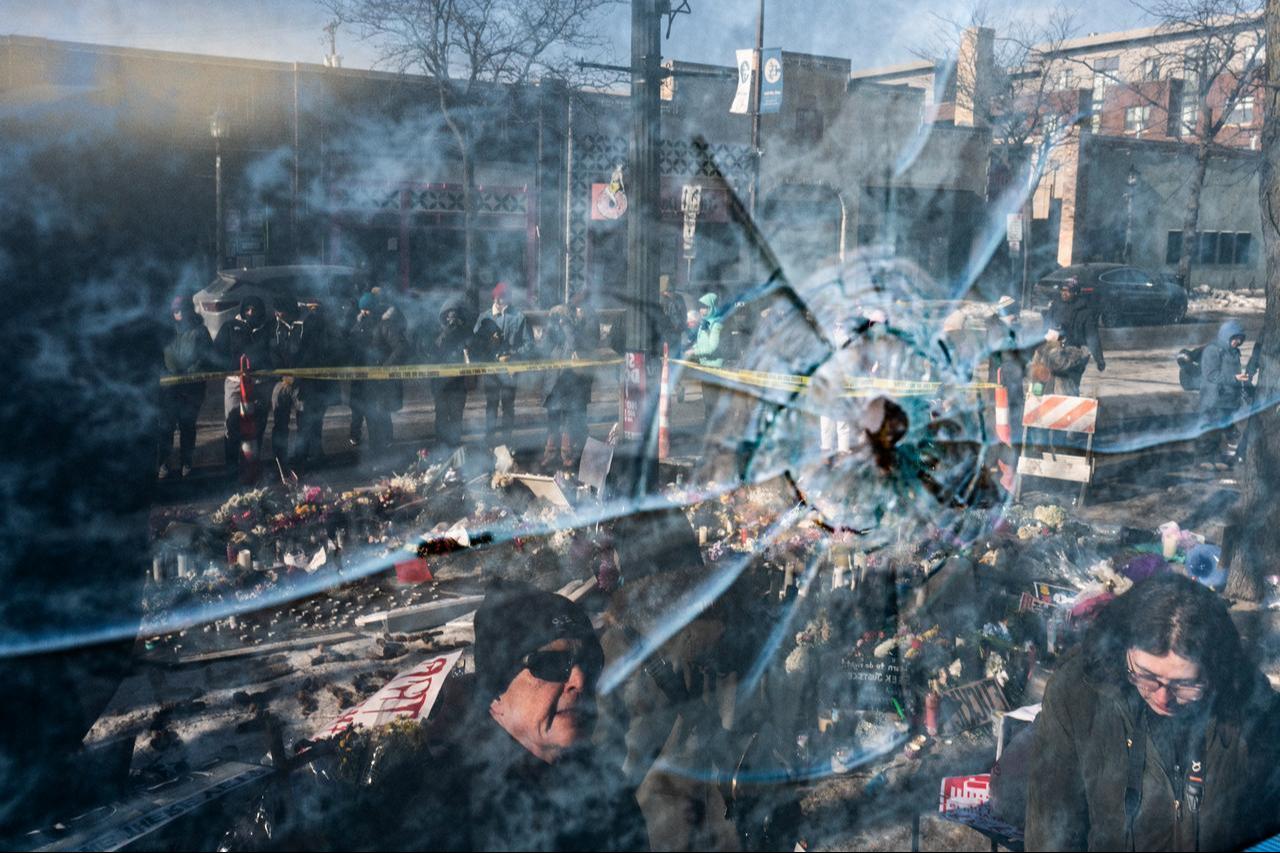

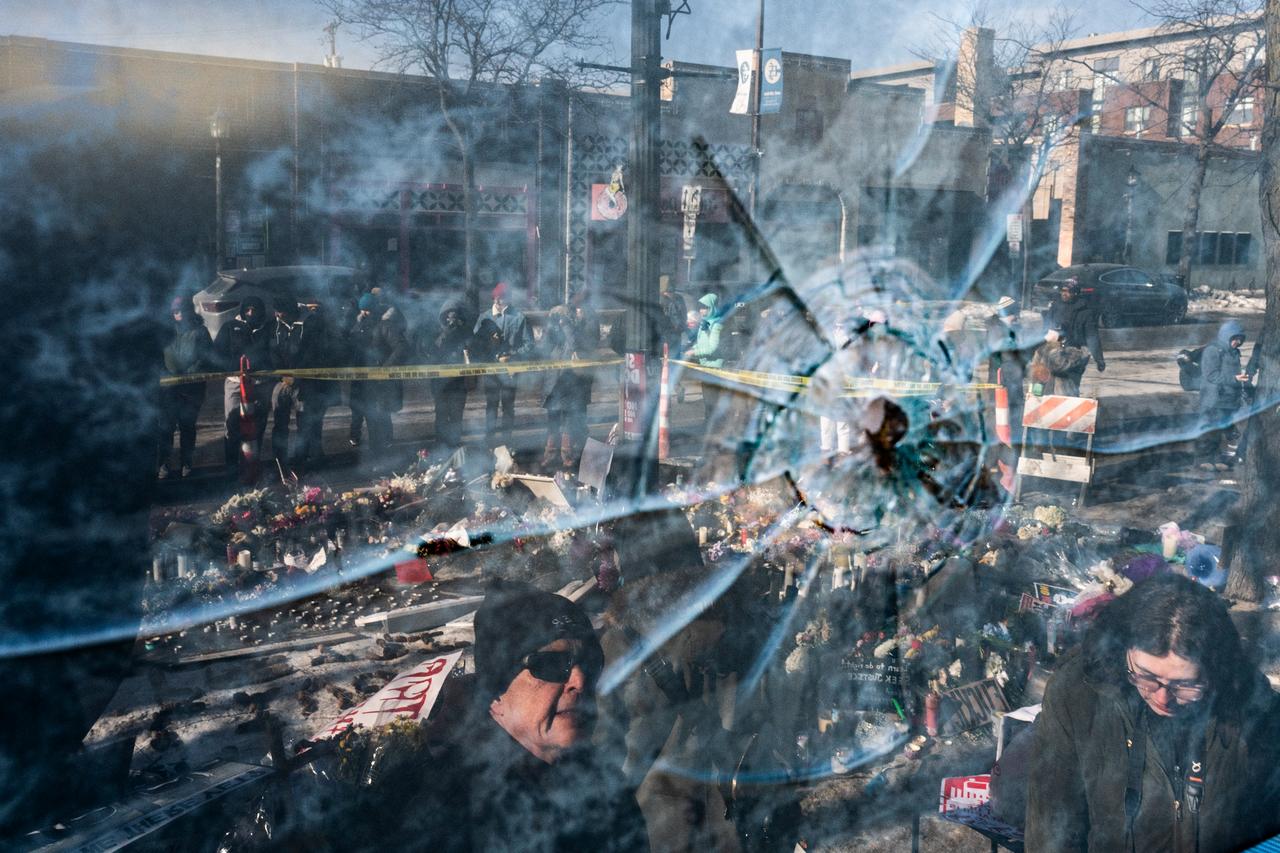
The separate killings of Renee Good and Alex Pretti last month marked a turning point, unleashing a wave of national outrage and intensifying pressure on the administration to scale back. The detention of five-year-old Liam Conejo Ramos on January 20 further inflamed public anger.
In the wake of the shootings, Trump withdrew Gregory Bovino, the combative Customs and Border Protection commander who had overseen the operation, replacing him with Homan, who adopted a more conciliatory approach and sought to engage local Democratic leaders.
Homan indicated the agents leaving Minnesota could be redeployed elsewhere but declined to specify where. "We're going to deploy the officers here on detail, back to their home stations or other areas of the country where they are needed," he said. "But we're going to continue to enforce immigration law." He added that some officers would remain in Minnesota but did not provide a figure, and said more than 200 people had been arrested during the operation for interfering with federal officers. He offered no estimate for the number of immigration-linked arrests and deportations.
Minneapolis Mayor Jacob Frey said the operation "had been catastrophic for our neighbors and businesses" and called for a comeback, pledging continued commitment to the city's immigrant residents. Minneapolis is a Democratic-run sanctuary city where local police do not cooperate with federal immigration authorities.
Minnesota Governor Tim Walz described the ICE deployment as an "unprecedented federal invasion in all aspects of life," saying he did not believe any state had experienced anything comparable. He told reporters Thursday that he was "cautiously optimistic" about the withdrawal.
Not all residents were reassured. Molly, a 42-year-old banking product manager, told AFP she was skeptical of the administration's motives. "They pulled the same public relations stunt in Los Angeles," she said, referring to an immigration crackdown in the California city last summer.
The Minnesota operation has intensified a broader political battle over immigration enforcement in Washington. Democrats have called for major reforms to ICE, including ending mobile patrols, prohibiting agents from concealing their faces and requiring judicial warrants.
Those negotiations carry immediate fiscal consequences. On Thursday, Senate Democrats blocked a push to fund the Department of Homeland Security following an acrimonious four-hour hearing on the crackdown. If political negotiations fail, DHS could face a funding shortfall beginning Saturday. While ICE and Customs and Border Protection could continue operating on funds approved by Congress last year, other sub-agencies, including the Federal Emergency Management Agency, could be affected.
Community organizer Liz Digitale Anderson captured the mood among many Minneapolis residents. "The lasting impact of these traumas will reverberate for years," she told AFP, "but our communities have shown how connected and resilient we are."
Homan, meanwhile, defended the operation's legacy. "The Twin Cities, Minnesota in general, are and will continue to be, much safer for the communities here because of what we have accomplished under President Trump's leadership," he said.
Speculation is now mounting over which city could face a similar deployment next.


 Set as preferred source
 Set as preferred source


 2 min read
 1 min read