Newsletters


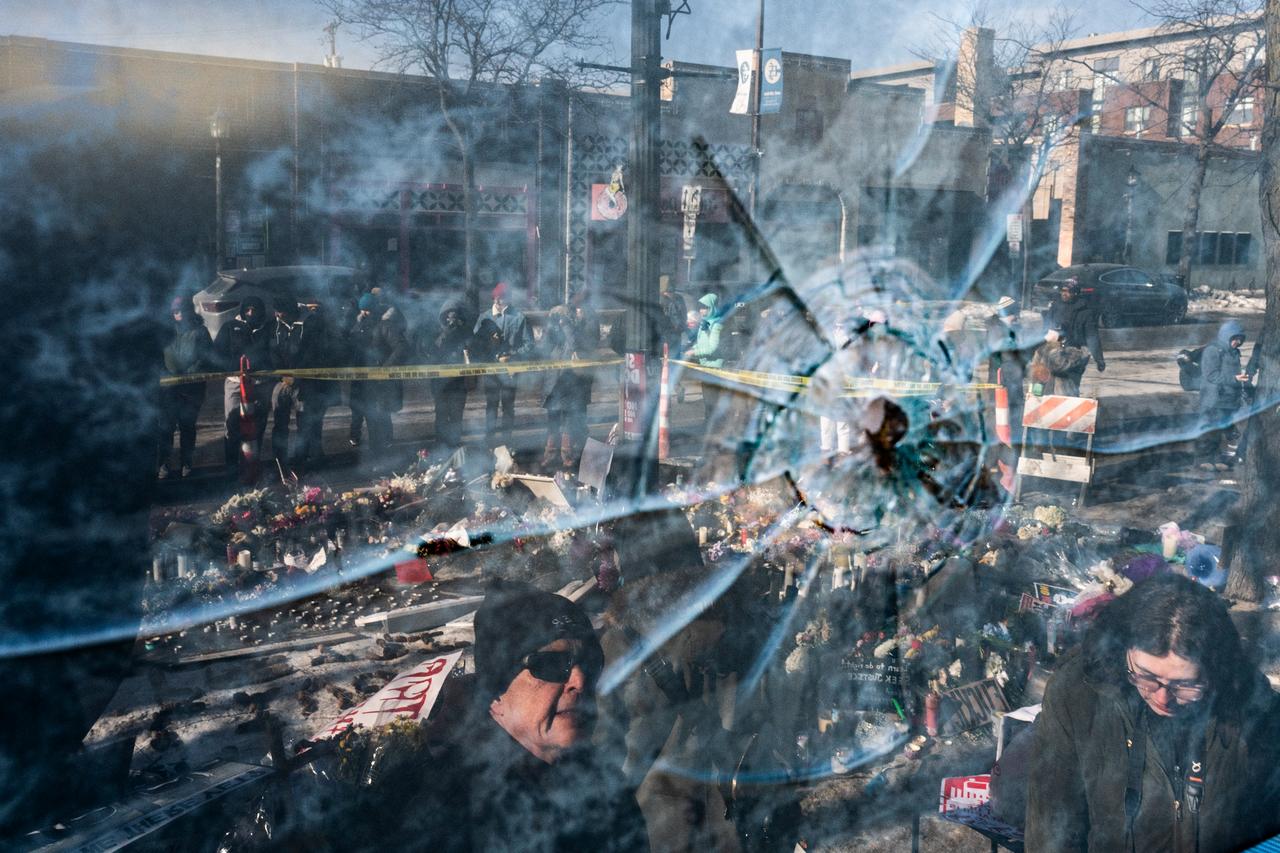


A fatal shooting in Minneapolis has forced a federal enforcement reset.
The Trump administration is preparing to reduce and restructure its federal immigration enforcement presence in Minneapolis after Border Patrol agents fatally shot 37-year-old intensive care nurse Alex Pretti.
Pretti held a legal license to carry a handgun. Press review of video evidence by multiple news organizations concluded that he held a cell phone rather than a gun in the moments before agents tackled him. Footage shows agents firing at him at least ten times within five seconds, starting while he was pinned to the ground and continuing after he collapsed and lay motionless.
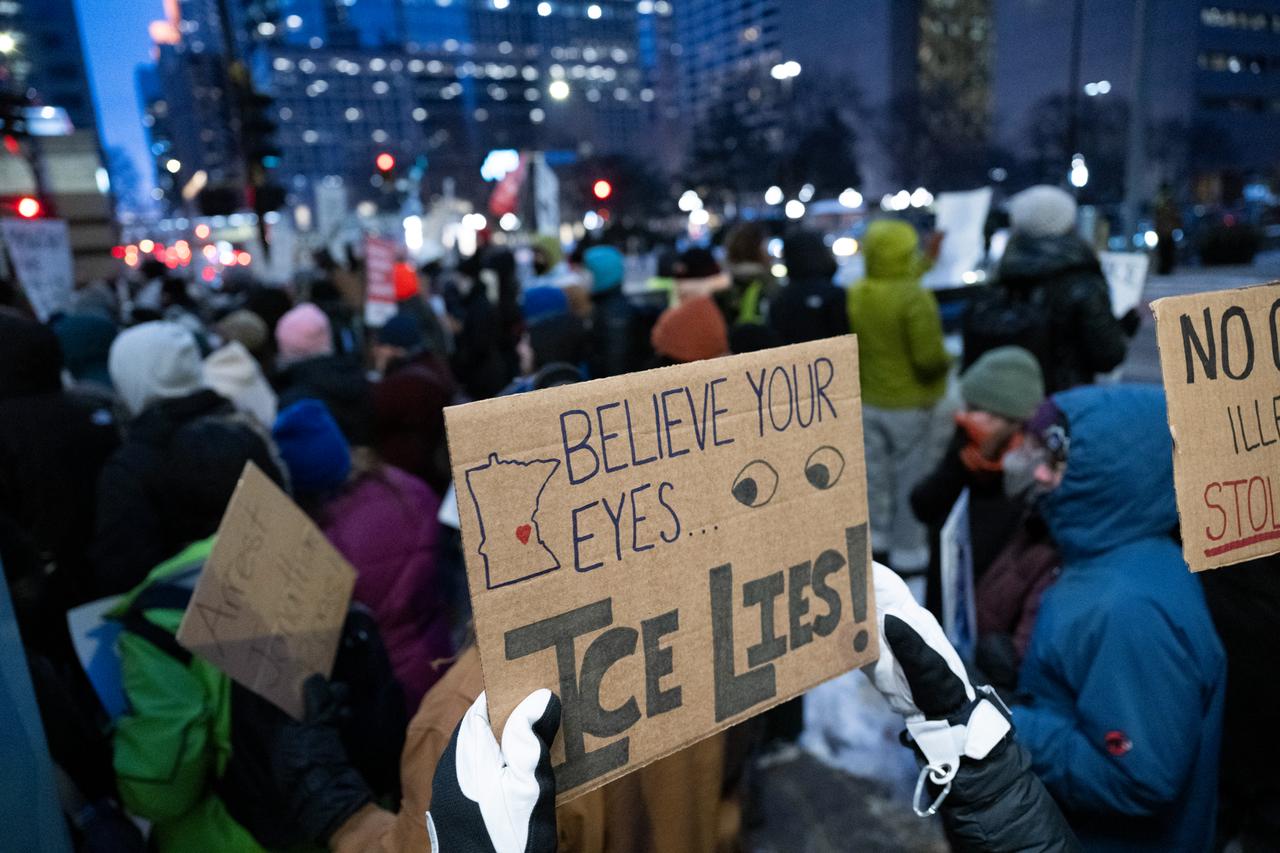
This set off large-scale protests, bipartisan political backlash, and a legal battle over whether Washington has overstepped constitutional limits inside a U.S. state.

Minnesota and the cities of Minneapolis and St. Paul have asked a federal court to block or restrict the deployment of roughly 3,000 immigration agents operating under Operation Metro Surge.
State and city officials argue the operation has crossed into unconstitutional territory by overwhelming local law enforcement systems, disrupting schools, and interfering with normal government functions.
Federal attorneys reject the claim and insist immigration enforcement remains a federal responsibility that states cannot obstruct. The judge hearing the case can issue a ruling at any time.
The legal dispute intensified after a federal judge issued an emergency order barring federal agencies from destroying or altering evidence linked to Pretti’s killing. Department of Homeland Security officials have accused Pretti of threatening agents and labeled him a domestic terrorist.
Video footage recorded at the scene shows agents disarming Pretti before another officer shot him in the back while he held a phone. Minneapolis authorities confirmed Pretti legally carried a firearm and did not draw it during the encounter.
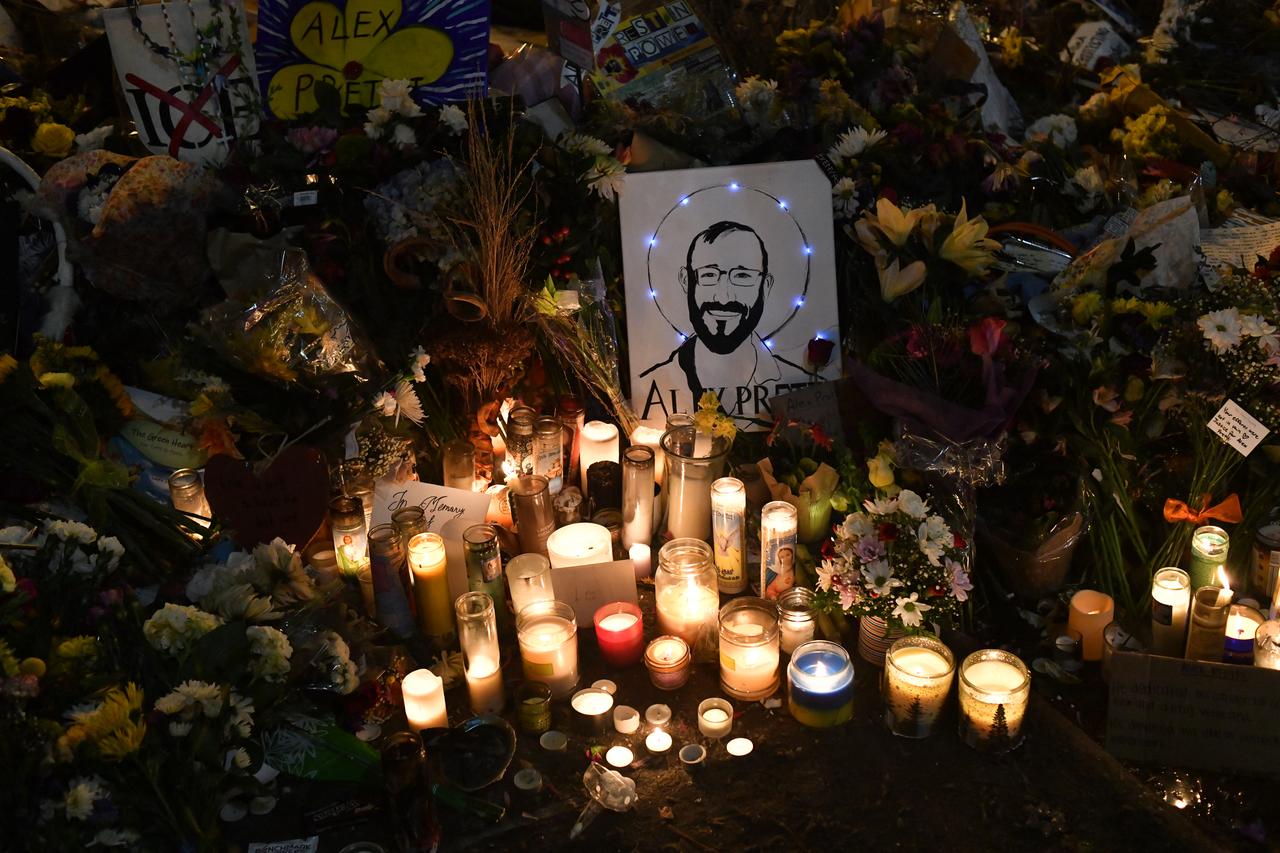
Friends and colleagues described Pretti as a respected intensive care nurse who worked with veterans at the Minneapolis VA hospital. Vigils have formed near the shooting site, where residents continue to gather in freezing temperatures to leave candles and handwritten tributes.
Gregory Bovino has been removed from his role as Border Patrol commander at large and will return to his previous posting in California, where he is expected to retire soon.
Bovino had served as the public face of the administration’s traveling immigration crackdown across Democratic governed cities. In Minneapolis, he led daily press briefings and defended aggressive enforcement tactics while blaming protesters and local officials for rising tensions.
Hours after Pretti’s death, Bovino publicly claimed Pretti sought to massacre federal agents. Video evidence later contradicted that claim. His removal marks the clearest internal shift since the killing.
President Trump has assigned Tom Homan, the former ICE chief now serving as border enforcement coordinator, to assume command of federal operations in Minnesota. Trump confirmed he has spoken with Minnesota Governor Tim Walz and Minneapolis Mayor Jacob Frey.
Frey later confirmed that some federal officers will begin leaving the city. “Some federal agents will begin leaving the city,” he said, adding that “the present situation can’t continue.”
Trump also struck a softer tone after speaking with Walz, saying he held a “very good” call with the governor.
Senior homeland security leadership faces internal scrutiny for backing Bovino’s approach. The White House has said Homeland Security Secretary Kristi Noem retains the president’s confidence.
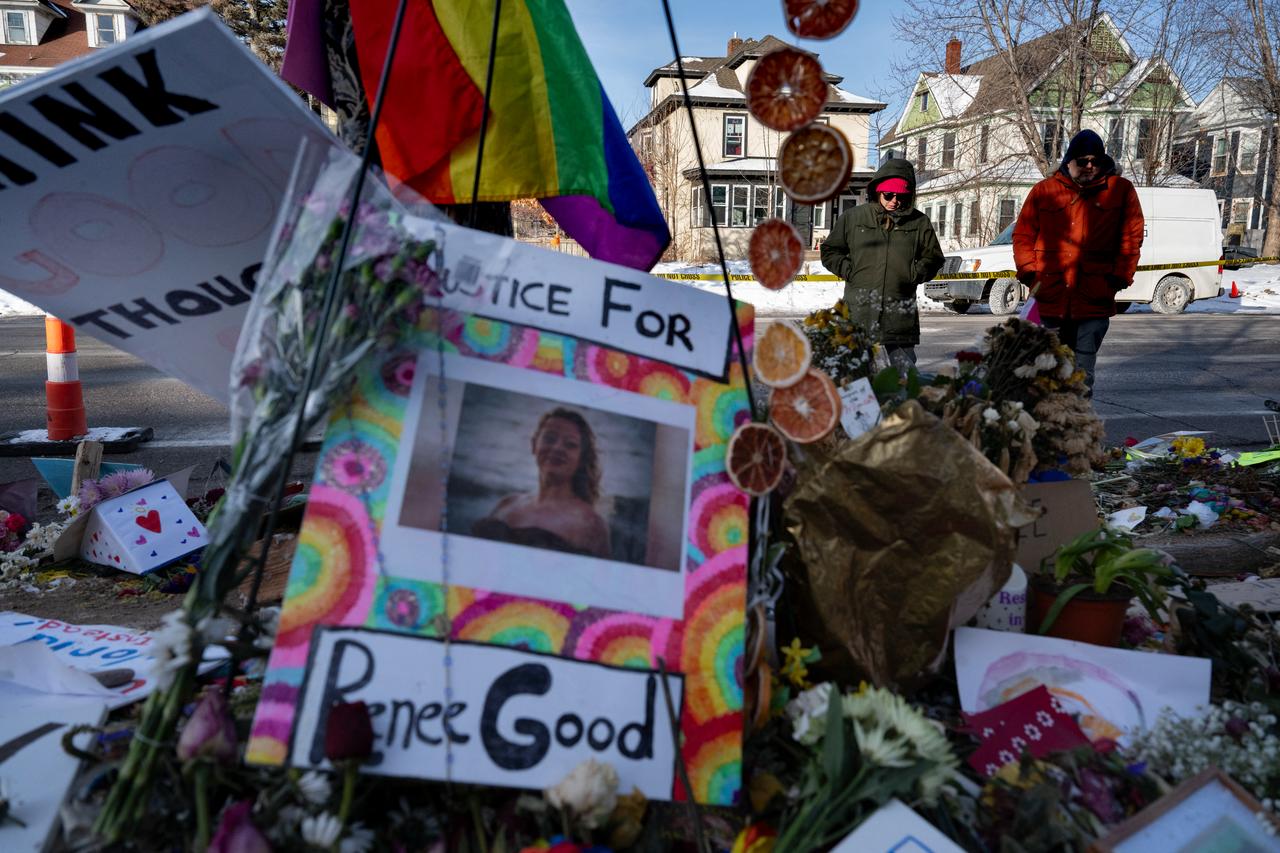
Minneapolis has become a national focal point for protests against federal immigration enforcement. Anti-ICE graffiti lines highways into the city.
Local businesses and residents display signs rejecting the agency’s presence. Students at the University of Minnesota have staged walkouts. A growing memorial at the shooting site has become a gathering point for nightly vigils.
At a demonstration in Minneapolis, protester Kyle Wagner described the announcement that agents would leave as “a huge relief to the community that’s been suffering for months now.”
Another protester, Jasmine Nelson, said, “It’s really beautiful to see everyone get together like this and fight against these injustices.”
Political fallout has reached Washington. Senate Democrats have announced they will block homeland security funding legislation tied to upcoming budget votes, increasing the likelihood of a federal government shutdown at the end of the month. Several Republican lawmakers have also called for independent investigations into Pretti’s killing.
Polling released this week found 48% of Americans view the shooting as unjustified. Among those who have seen the video footage, nearly two-thirds believe Pretti’s death was not justified. Trump has dismissed the polling as fraudulent.
False information has flooded social media since the shooting. Influencers falsely claimed Pretti was an undocumented immigrant and circulated altered images showing him pointing a gun at agents. Verified video contradicts those claims and shows Pretti holding a phone when he was shot.
Concerns have also emerged inside immigration agencies. Current and former officials have warned that border-trained units lack preparation for urban policing and crowd management. Some say morale has deteriorated under pressure from arrest quotas, long hours, and hostile public reactions. Union leaders dispute claims of widespread morale collapse but acknowledge rising safety concerns for officers and their families.
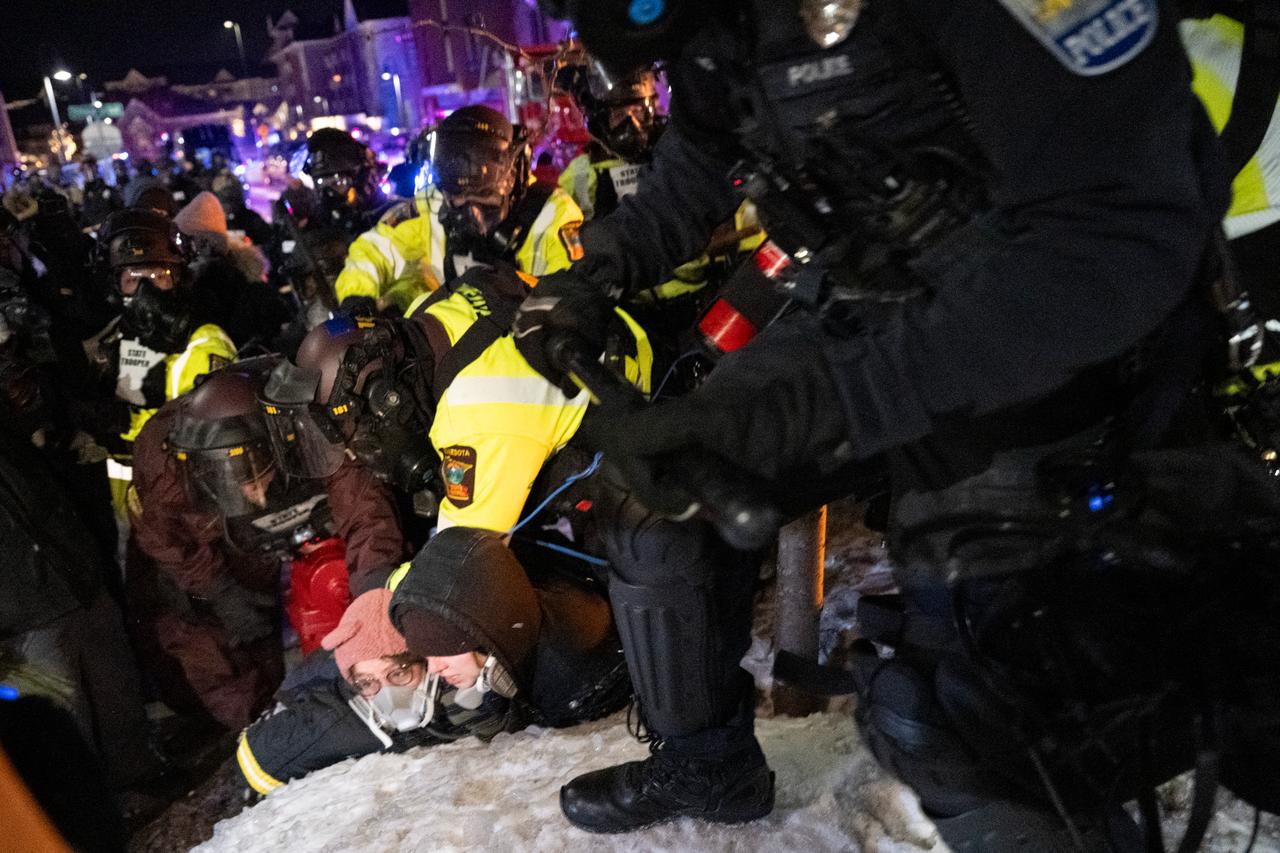
The legal case in Minneapolis tests whether a federal law enforcement deployment can violate state sovereignty under the 10th Amendment.
Legal scholars note there is limited precedent for states challenging federal policing operations on constitutional grounds. A ruling in Minnesota’s favor could reshape how future administrations deploy federal enforcement inside states.
Minnesota’s lawsuit does not seek to end immigration enforcement. It asks the court to return staffing to pre-surge levels and impose limits on remaining agents. Federal attorneys argue the request would amount to judicial overreach and undermine the president’s authority to execute federal law.
Similar legal challenges have already emerged in other Democratic led states, signaling that the outcome in Minnesota may influence national immigration enforcement strategy in the months ahead.


 Set as preferred source
 Set as preferred source



 2 min read