Newsletters


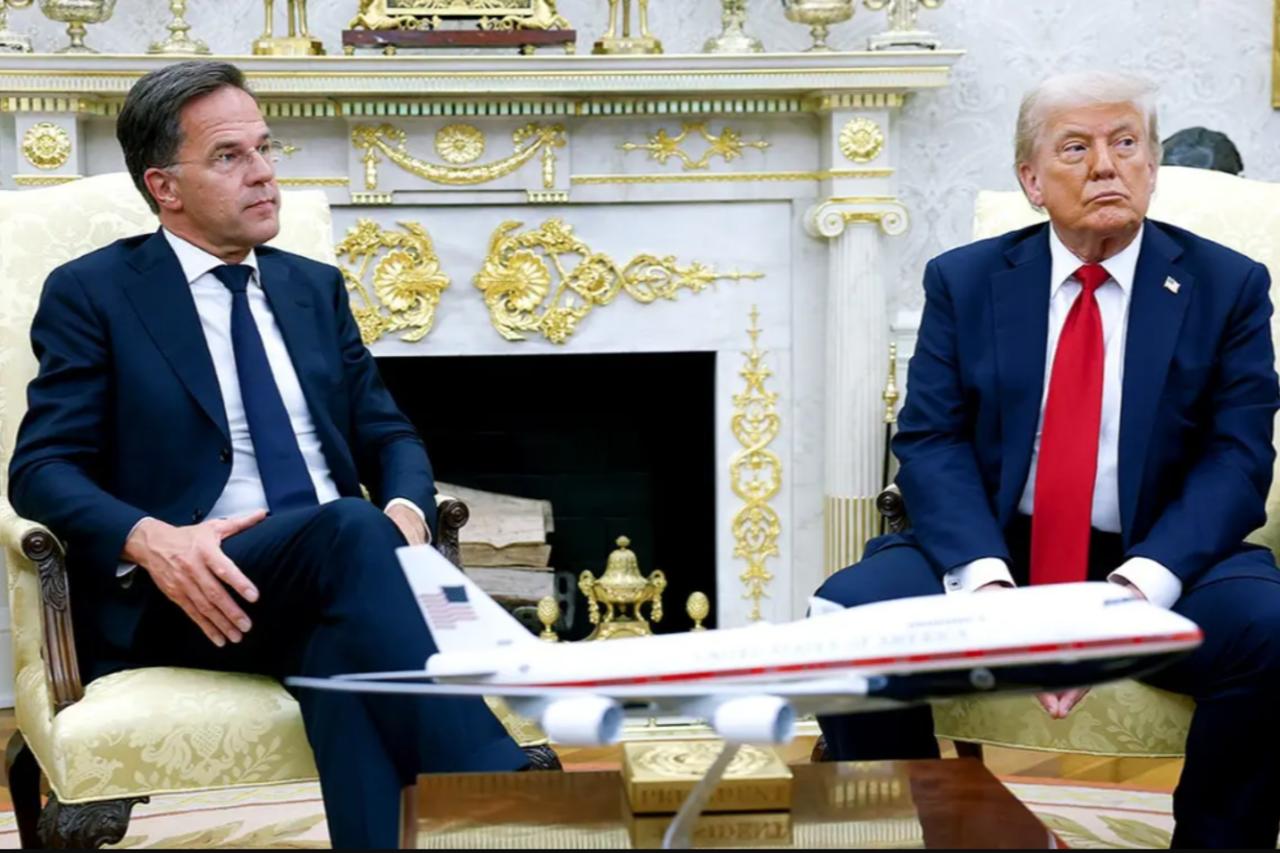


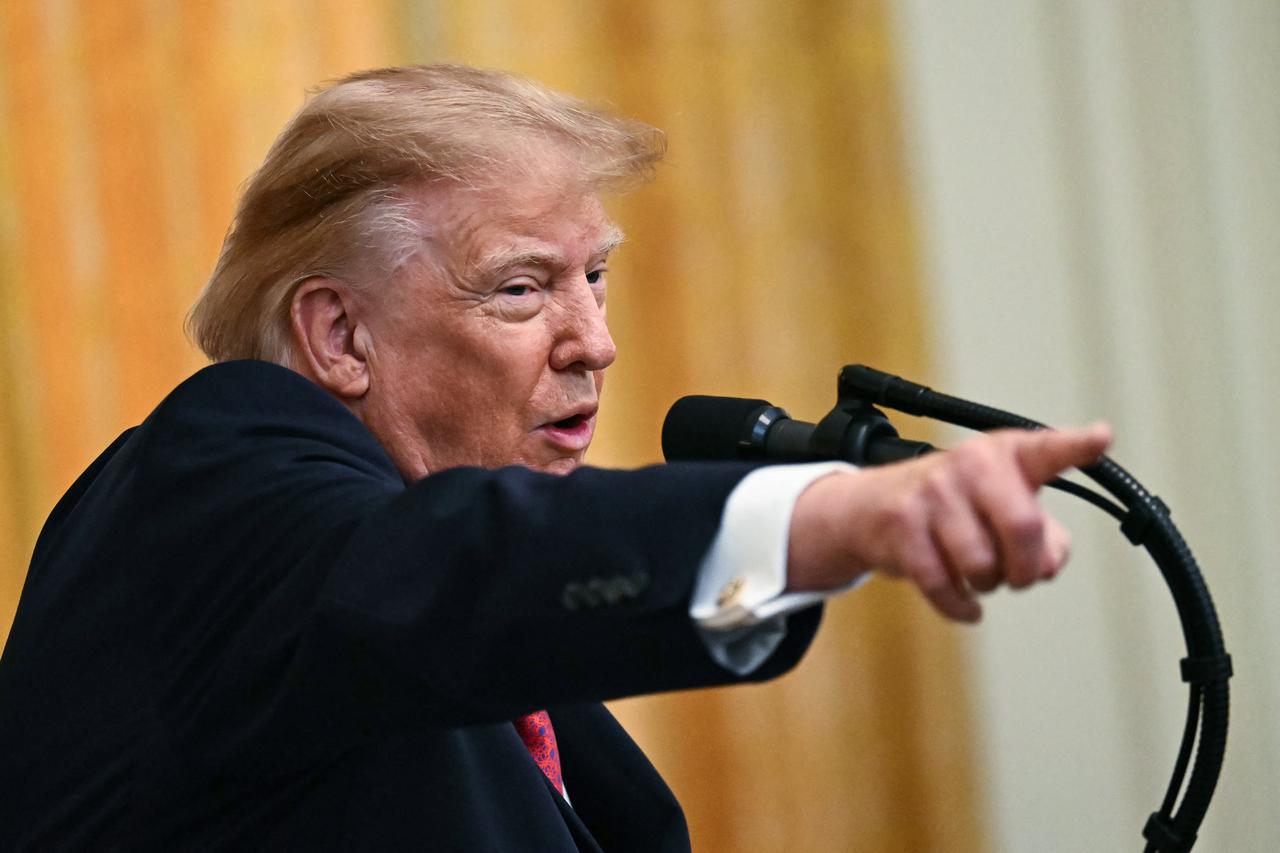
President Donald Trump raised the prospect of withdrawing the United States from NATO during a closed-door meeting Wednesday with alliance Secretary General Mark Rutte, as the White House made clear his fury at Western allies who refused to support his military campaign against Iran.
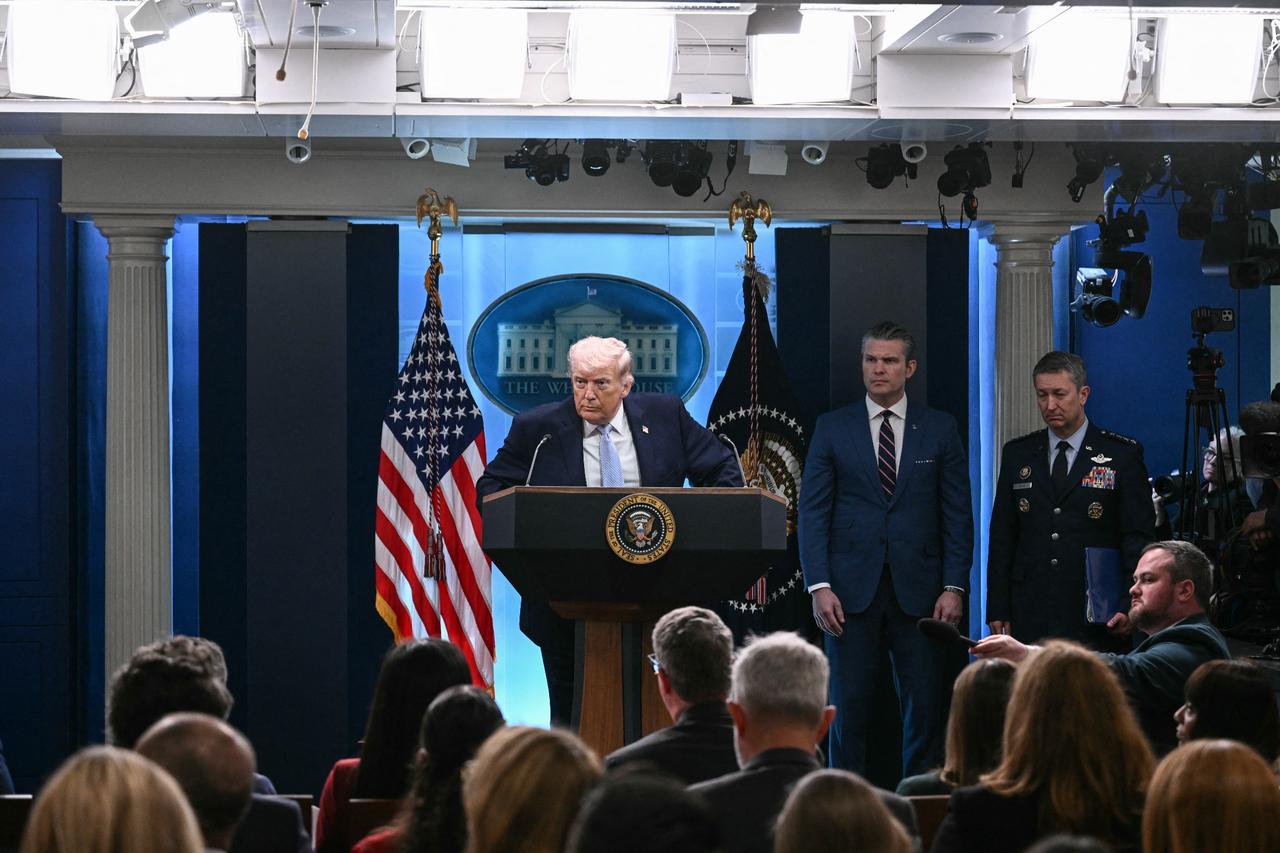
White House Press Secretary Karoline Leavitt told reporters it was "quite sad that NATO turned their backs on the American people over the course of the last six weeks when it's the American people who have been funding their defense." Asked directly whether Trump would raise a possible withdrawal from the alliance, Leavitt confirmed it was "something the president will be discussing in a couple of hours with Secretary General Rutte."
The high-stakes meeting, held one day after Washington and Tehran agreed to a fragile two-week ceasefire, underscored the deepening strain between the United States and its closest partners, with Trump now openly questioning the value of an alliance he has long viewed with suspicion.
While the specter of a full exit loomed over the talks, the more immediate threat may be punitive rather than existential. The Wall Street Journal reported that the Trump administration is weighing plans to redeploy US troops out of NATO countries it deems unhelpful during the Iran conflict, relocating them to states considered more supportive of American war aims.
Such a move would stop short of formal withdrawal from the alliance, which would require congressional approval.
Trump has branded NATO a "paper tiger" for its refusal to lead efforts to reopen the strategic Strait of Hormuz and for restricting US forces from operating out of bases on alliance territory.
He has also directed personal criticism at individual leaders, describing British Prime Minister Keir Starmer as "no Winston Churchill" and dismissing Britain's aircraft carriers as "toys."
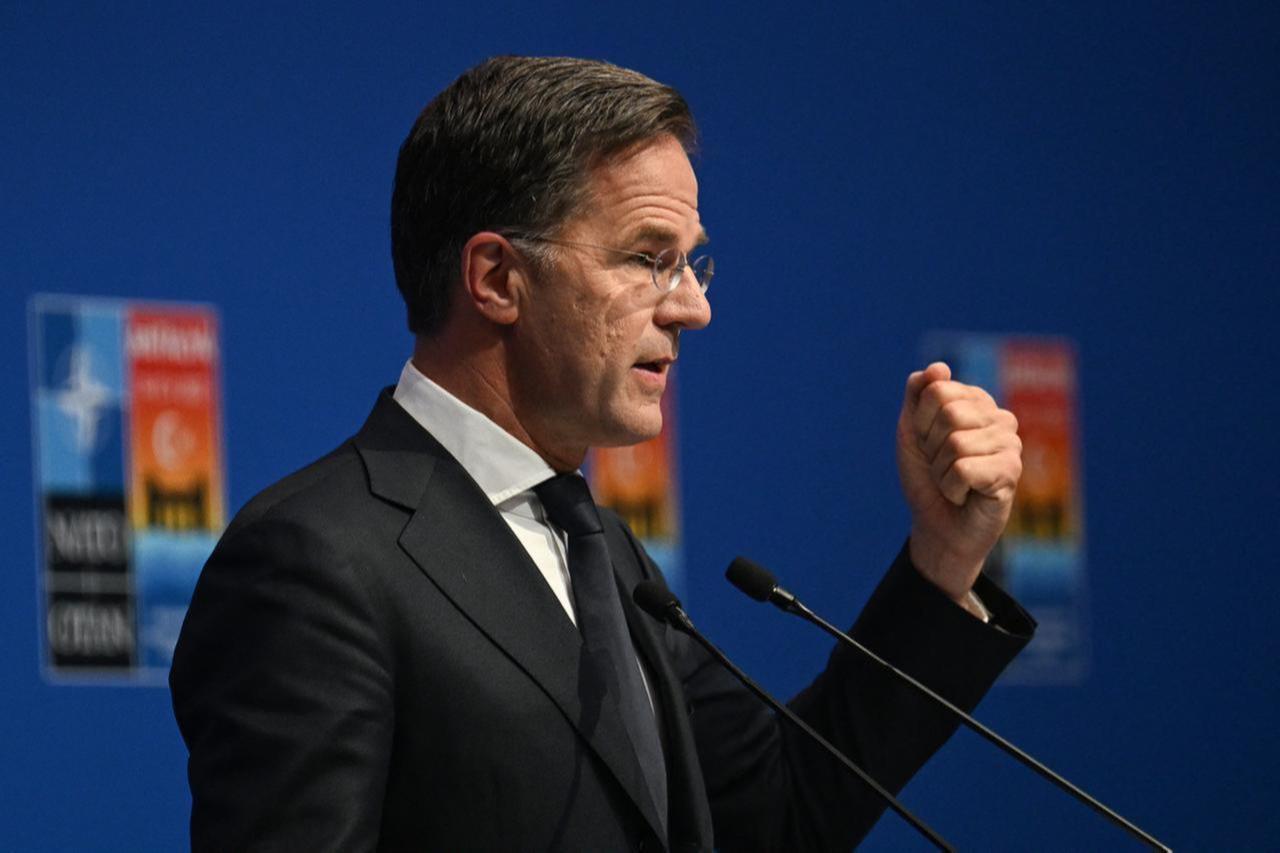

Entering the West Wing through a side gate, Rutte, the former Dutch prime minister known for his ability to manage the unpredictable US president, arrived with a packed diplomatic agenda. Earlier in the day he met with Secretary of State Marco Rubio to discuss Iran, the war in Ukraine and NATO burden-sharing.
State Department Principal Deputy Spokesperson Tommy Pigott said the two officials addressed Operation Epic Fury, the US-led effort to broker a negotiated end to the Russia-Ukraine conflict, along with questions of coordination and burden-shifting among alliance members. Rutte was also scheduled to meet Defense Secretary Pete Hegseth.
Rutte, who referred to Trump as "daddy" at a NATO summit last year, has become central to allied efforts to keep Washington engaged with the alliance. On Iran, he has sought a careful balance, describing US efforts to degrade Tehran's military capabilities as something to "applaud" while stopping short of endorsing the war outright. A NATO official said ahead of the Washington visit that Rutte planned to address "current security dynamics including in the context of Iran as well as Russia's ongoing war against Ukraine."
NATO's crisis did not begin with Iran. Since Trump returned to the White House, the alliance has lurched from one rupture to the next, most dramatically over his repeated threats to seize Greenland from alliance member Denmark. Trump said earlier this week his problems with NATO "all began" with Greenland, though he has floated the idea of US withdrawal since his first term in office.
He has also upended Western support for Ukraine, threatened to withhold security guarantees from allies who fall short of defense spending targets, and publicly belittled partners in language that has delighted Moscow and Beijing. Russia and China, according to the report, have watched with satisfaction as Trump publicly disparages the 77-year-old alliance, which predates him by only two years.


 Set as preferred source
 Set as preferred source


 1 min read
 1 min read