Newsletters




The Trump administration announced Wednesday it is sending Vice President JD Vance, special envoy Steve Witkoff, and adviser Jared Kushner to Islamabad for talks with Iran this weekend, as a fragile two-week ceasefire between Washington and Tehran enters its first full day with disputes already emerging over its terms and scope.
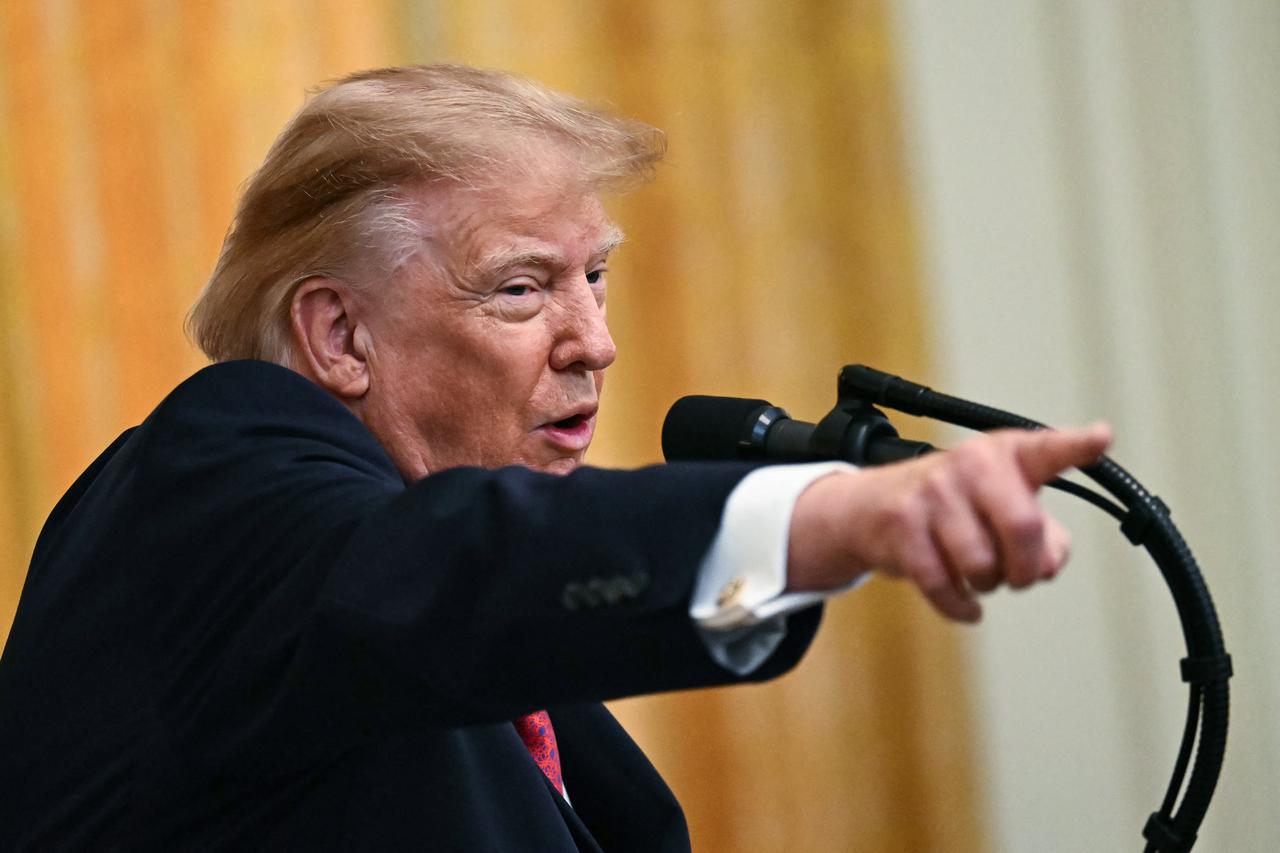
White House Press Secretary Karoline Leavitt confirmed the high-profile diplomatic dispatch at a news conference, telling reporters that President Trump "is dispatching his negotiating team led by the vice president of the United States, JD Vance, special envoy Witkoff and Mr. Kushner to Islamabad for talks this weekend." Leavitt framed the ceasefire as a product of American military strength, saying the administration had "achieved and exceeded our core military objectives in 38 days" and that the success on the battlefield had created "maximum leverage" for diplomacy.
Leavitt also pushed back on Iranian state media's characterization of the truce as a concession by Washington, saying the administration's position was unambiguous: "The truth is that President Trump and our powerful military got Iran to agree to reopening the Strait of Hormuz, and negotiations will continue."
Iran's Supreme National Security Council confirmed Wednesday that it had accepted the two-week pause in fighting, with talks set to begin in Islamabad. However, the council issued stark language alongside its acceptance, stating the ceasefire "does not signify the termination of the war" and warning that "should the slightest error be committed by the enemy, it shall be met with full force."
Tehran's 10-point proposal, which Trump described as "a workable basis on which to negotiate," includes conditions Washington has not publicly endorsed, among them a U.S. troop withdrawal from regional bases, the lifting of international sanctions, compensation to Iran, and a binding United Nations resolution as part of any final agreement.
Iranian state media went further, claiming the U.S. had accepted Iran's right to nuclear enrichment, a claim the White House has not confirmed. Asked to clarify Trump's description of the Iranian plan as "workable," Leavitt offered a terse response: "President Trump's words speak for themselves: this is a workable basis to negotiate, and those negotiations will continue."
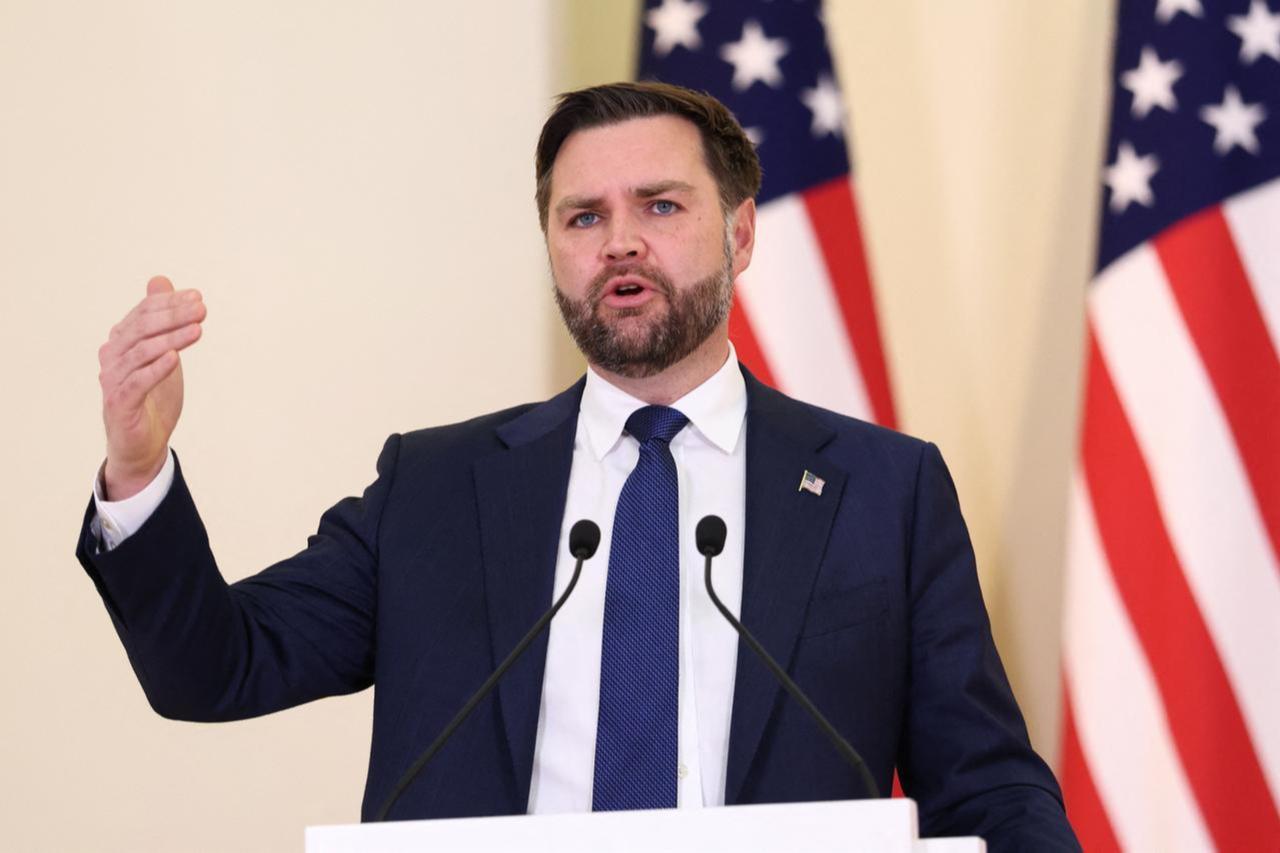
Speaking in Budapest, where he has been traveling on a separate diplomatic mission, Vance acknowledged the uncertainty hanging over the ceasefire. "This is a fragile truce," he said, describing mixed signals from within the Iranian government.
While Iran's foreign minister had responded favorably to the agreement, Vance said others had been "lying" about the country's military achievements, complicating the diplomatic picture.
He nonetheless left the door open to a broader deal, saying, "If the Iranians are willing in good faith to work with us, I think we can make an agreement," while warning that Tehran would find Trump "is not one to mess around" if progress stalls.
Leavitt also confirmed Wednesday that high-level conversations had taken place between the U.S. and Chinese governments regarding Iran, though she declined to provide details. Separately, officials speaking on condition of anonymity told the Associated Press that China had been working through intermediaries, including Pakistan, Türkiye, and Egypt, to encourage Tehran to accept a ceasefire deal as negotiations were evolving.
Israeli Prime Minister Benjamin Netanyahu sought to manage domestic political fallout from the agreement, insisting in a televised address that the ceasefire had been reached "in full coordination with Israel" and that his government was not "surprised at the last moment." He was responding to sharp criticism from opposition leaders who argued the truce came before Israel had achieved its stated objectives in its broader conflict with Iran.
Netanyahu also clarified that the ceasefire does not extend to Israel's ongoing operations against Hezbollah in Lebanon, a point that contradicted messaging from Pakistan and other mediators. Israeli strikes hit residential and commercial areas of central Beirut on Wednesday, killing dozens, underscoring the limits of the truce.
Pakistan, whose prime minister Shehbaz Sharif played a central role in brokering the pause in fighting, has called on all parties to "exercise restraint and respect the ceasefire for two weeks, so that diplomacy can take a lead role." Islamabad was chosen as the site for negotiations in part because of its longstanding ties with Tehran, its position outside the U.S. military base network in the Gulf, and its growing strategic importance to Washington during Trump's second term.


 Set as preferred source
 Set as preferred source


 3 min read