Newsletters


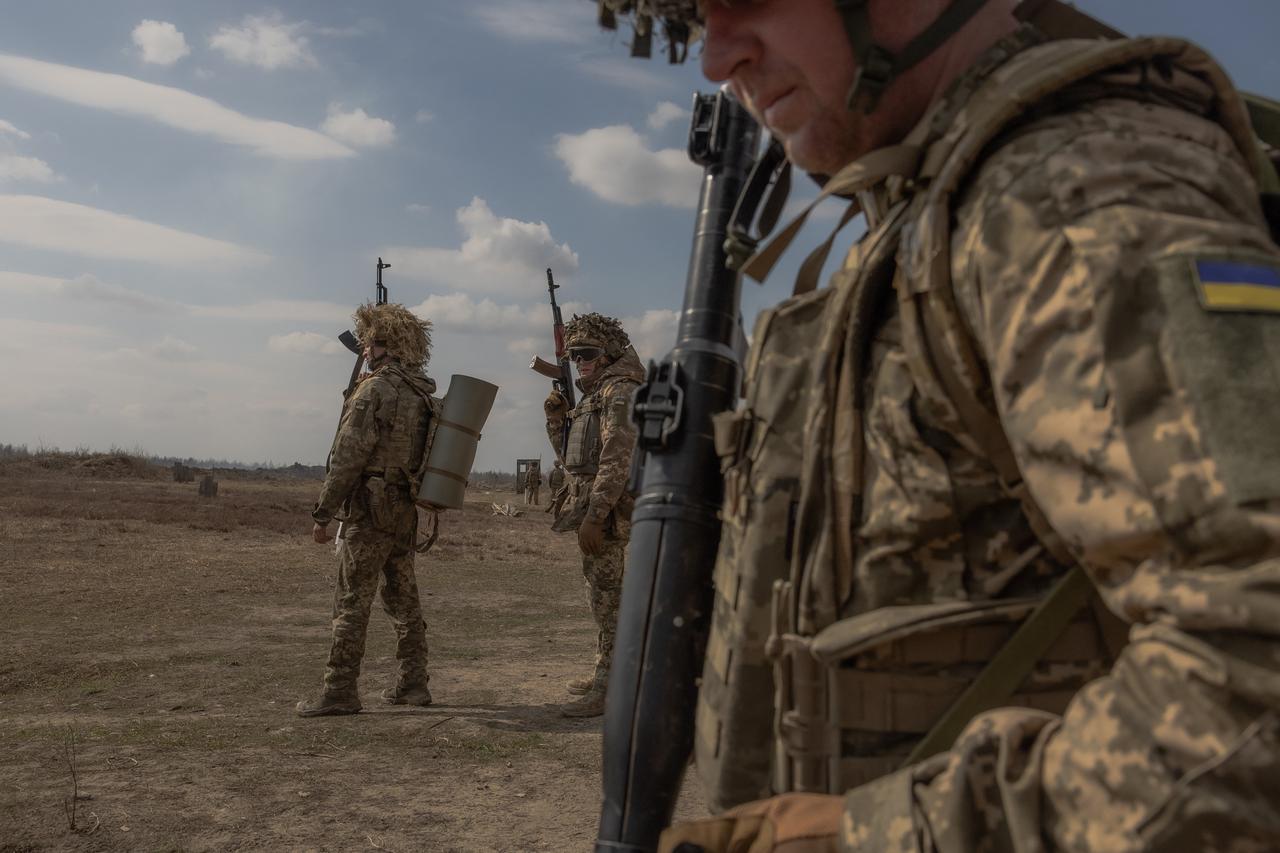


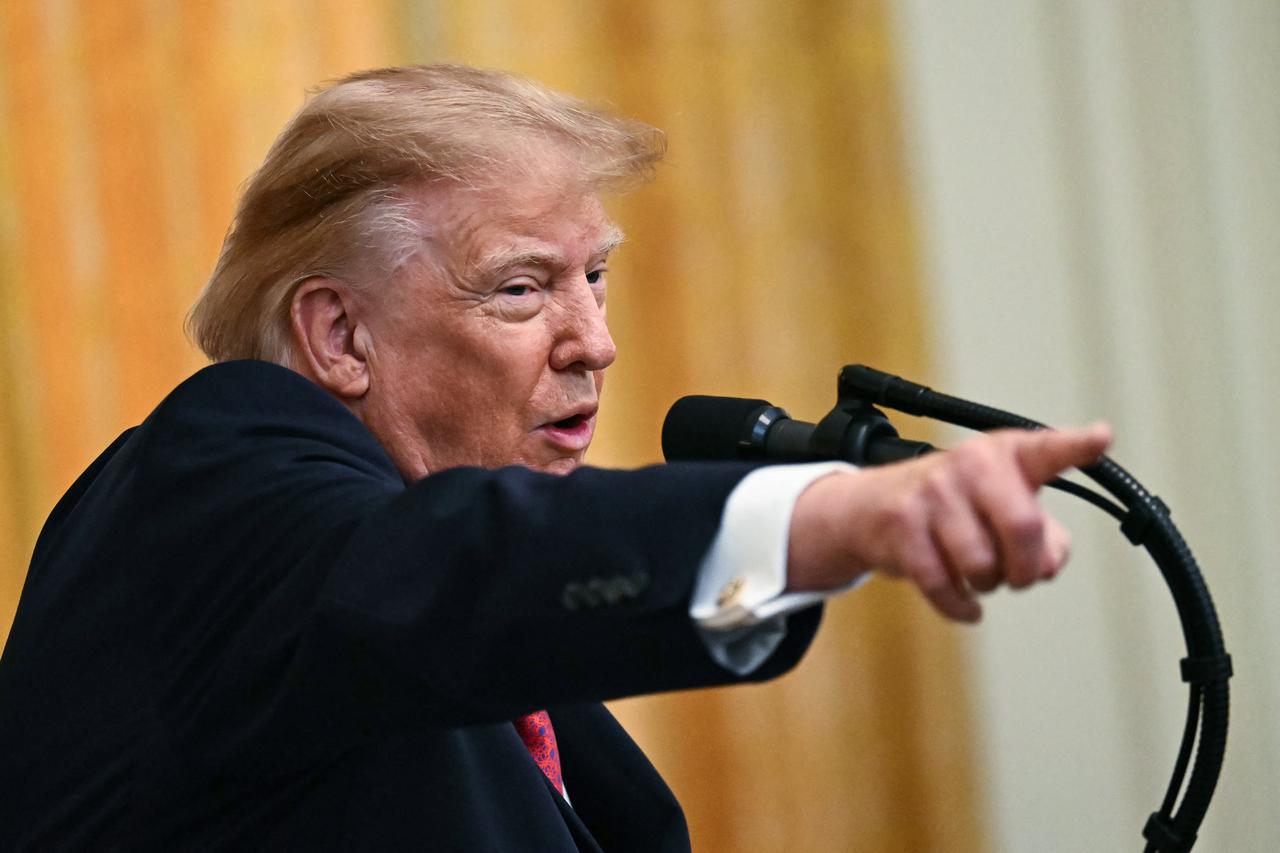
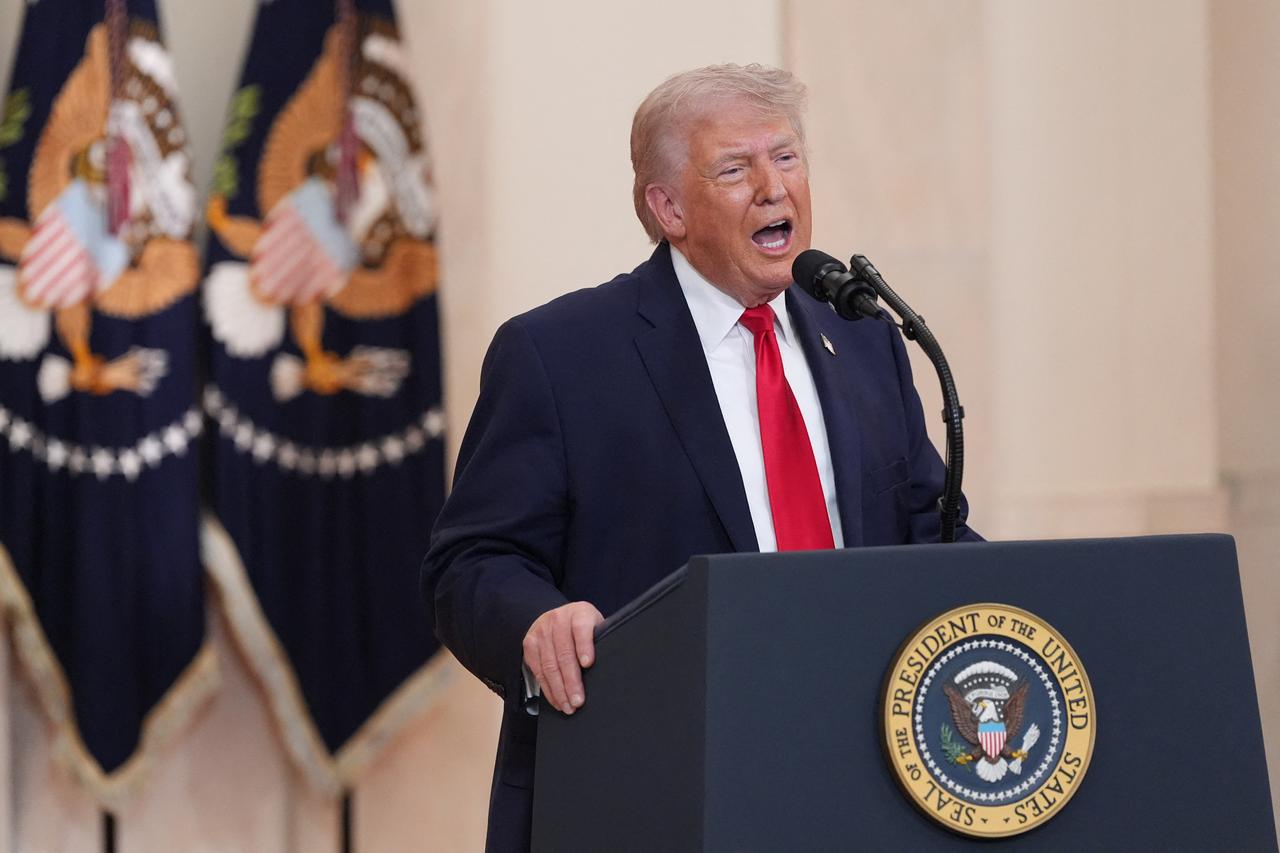
U.S. President Donald Trump threatened to stop supplying weapons to Ukraine through NATO's procurement initiative in order to pressure European allies into joining a coalition to reopen the Strait of Hormuz.
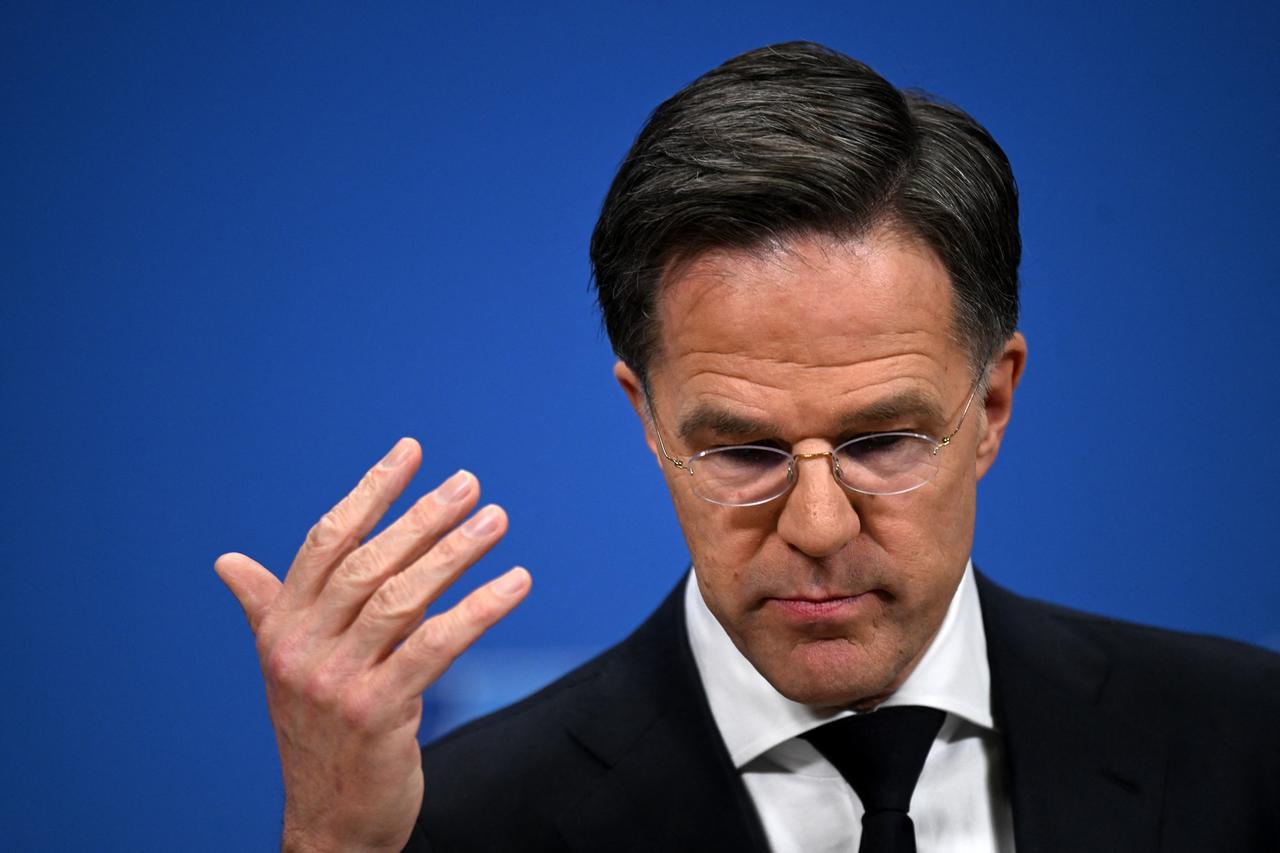
According to people briefed on the discussions, speaking to the Financial Times (FT), a move that forced NATO Secretary-General Mark Rutte to scramble to draft a joint statement from key alliance members within days.
Three officials familiar with the discussions said Trump responded to European refusals to help reopen the strait by threatening to withdraw from Purl, NATO's weapons procurement initiative for Ukraine funded by European countries.
Several European capitals had told Washington that reopening the strait was impossible while the Iran conflict was ongoing, with some pointing out it was "not our war."

At Rutte's urging, France, Germany and the United Kingdom issued a hastily agreed statement on March 19 expressing "readiness to contribute to appropriate efforts to ensure safe passage through the Strait of Hormuz."
One official briefed on the discussions said: "It was Rutte who insisted on the joint statement because Trump had threatened to withdraw from Purl and from Ukraine in general."
"The statement was then quickly put together, and other countries joined in afterwards because there was not enough time to invite everyone to sign up straight away," the official noted.
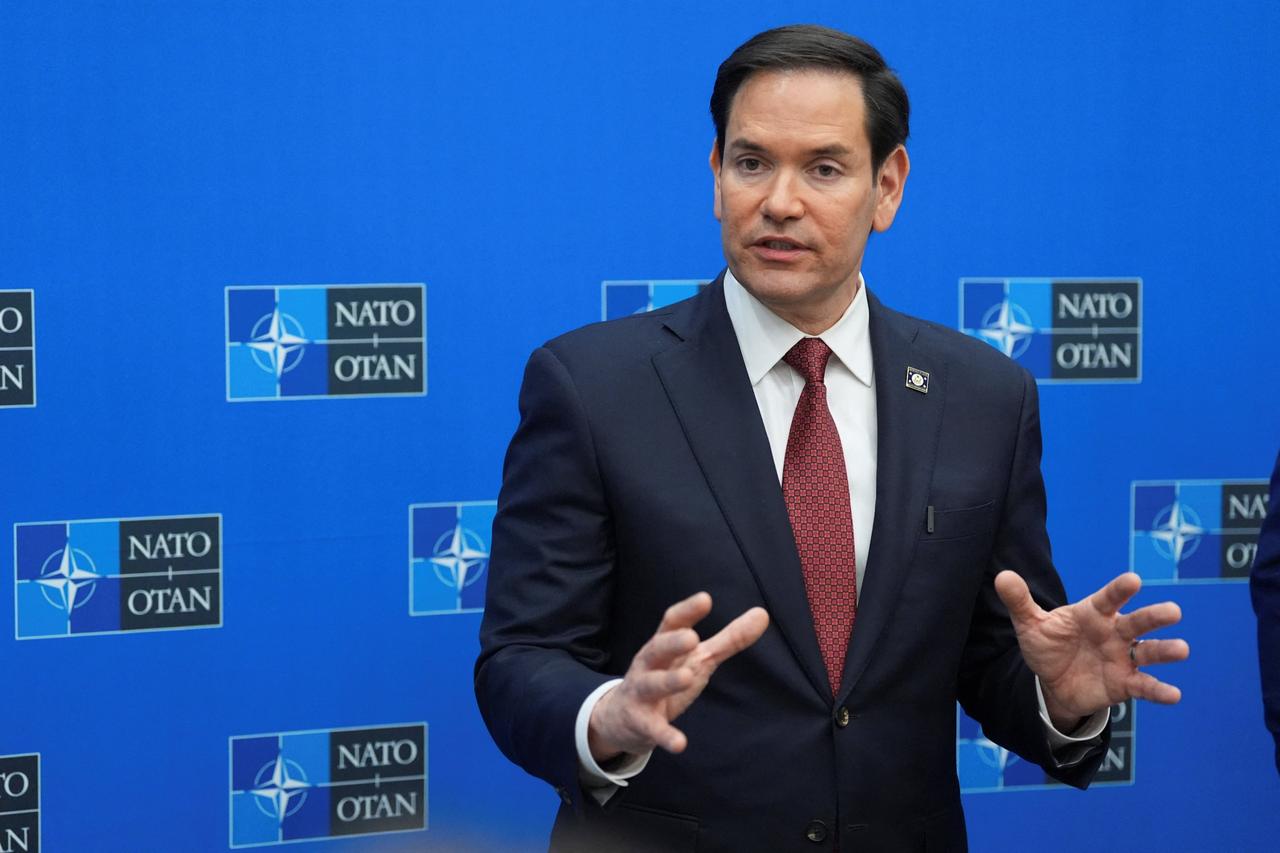
"Rutte was involved in multiple calls with Trump and Secretary of State Marco Rubio in the two days before the statement was issued," two officials said.
Another official said Rutte, in a call with France, Germany and the U.K., explained that Trump was "rather hysterical" at the Europeans' refusal to help protect the strait.
British officials insisted the U.K. and the U.S. had been discussing options for securing the strait on a "military-to-military basis" before March 19, but did not deny Washington had threatened to withdraw support for Ukraine.
Deputy White House Press Secretary Anna Kelly said: "President Trump has made his disappointment with NATO and other allies clear, and as the president emphasised, 'the United States will remember.'"
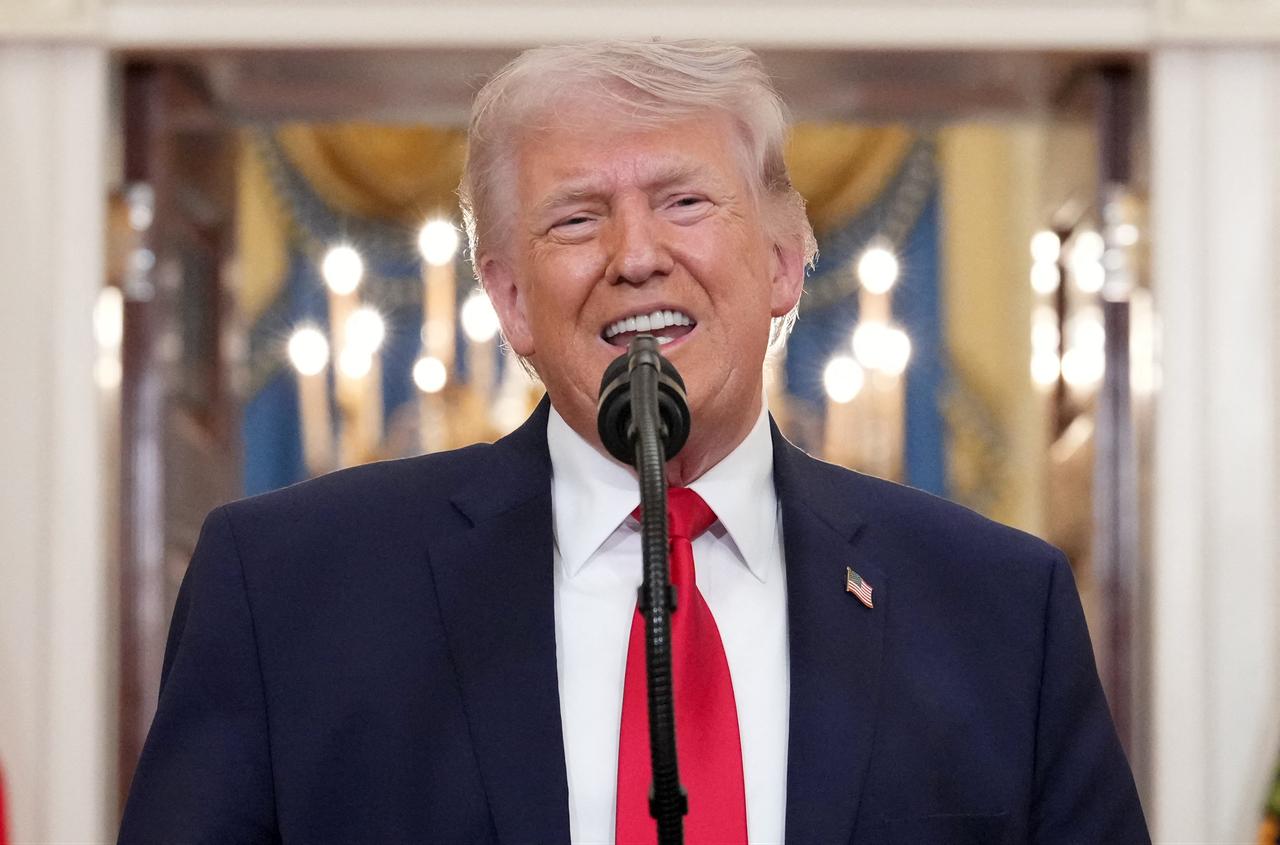
Trump has repeatedly voiced frustration with European allies for not assisting the U.S. war against Iran while casting the conflict in Ukraine as a problem for Europe.
"We're there to protect NATO, to protect them from Russia. But they're not there to protect us. It's ridiculous," he said during a cabinet meeting last week.
Trump told Reuters on Wednesday he would "absolutely" consider withdrawing from NATO, a theme he planned to address in a primetime speech to the nation Wednesday evening.
A NATO official said the alliance did not comment on the content of Rutte's calls and directed questions to his March 19 public statement, in which Rutte said: "I am confident that allies, as always, will do everything in support of our shared interests."
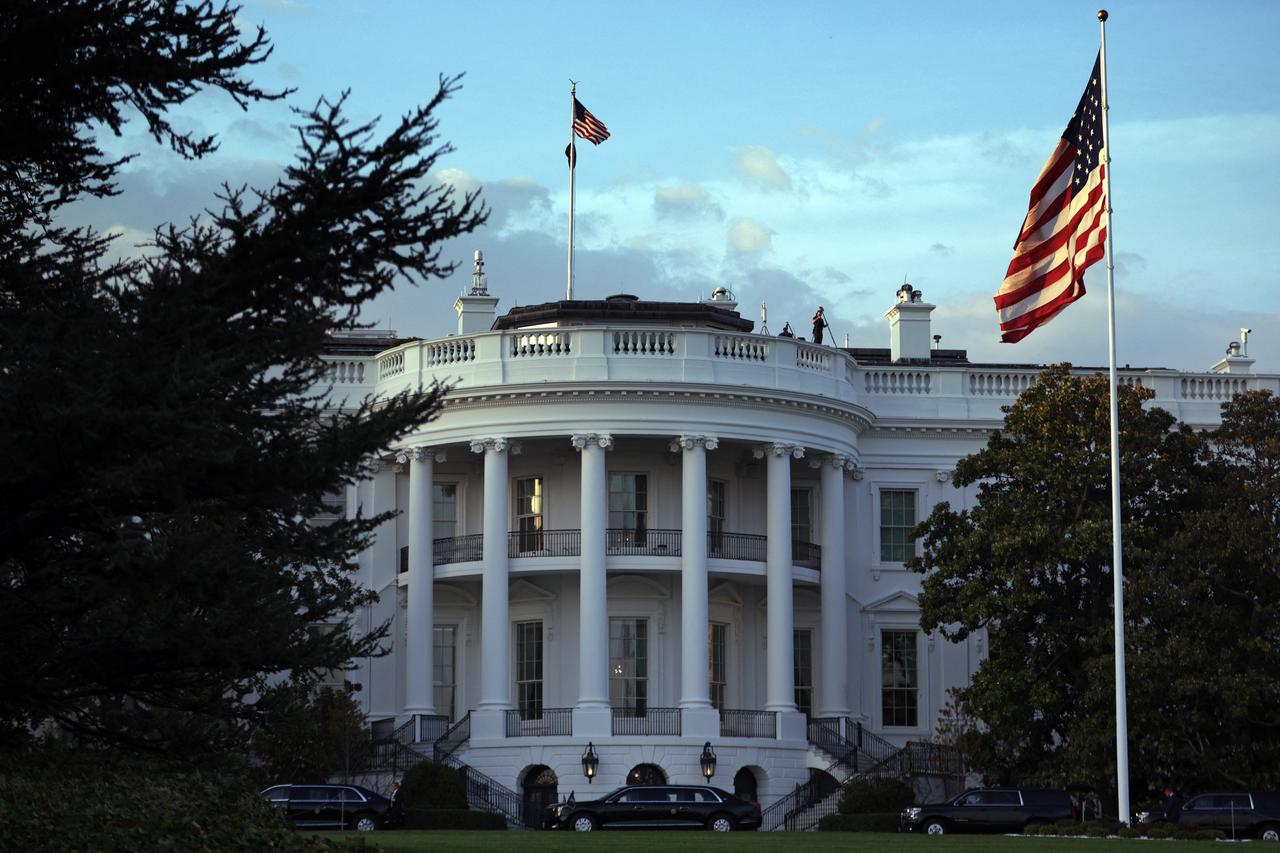
More countries have signed the March 19 joint statement since its release.
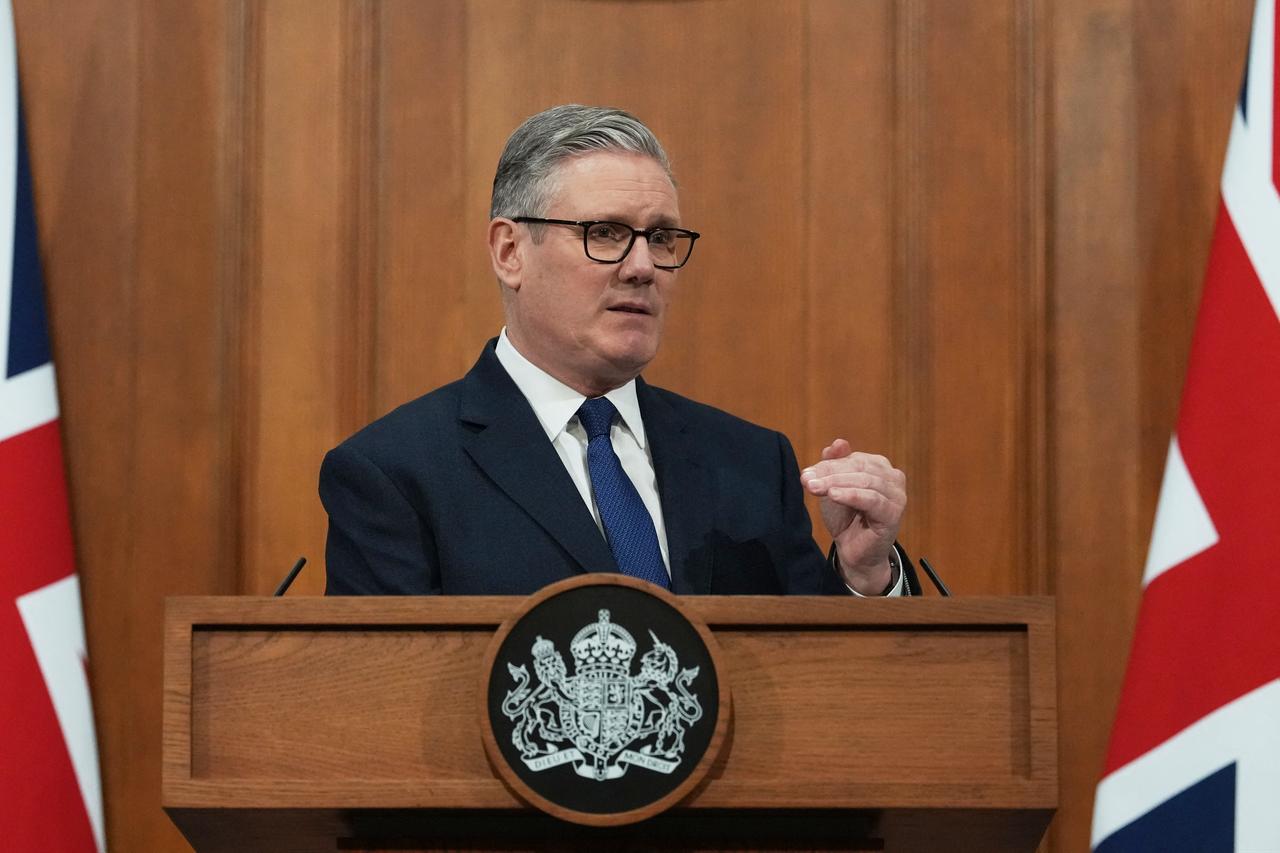
U.K. Prime Minister Keir Starmer said Wednesday he would host talks this week among the 35 signatories to form a coalition to reopen the strait "after the fighting has stopped."
Rubio said Friday that U.S. military supplies to Ukraine through the Purl mechanism had not been affected by the war. "Nothing yet has been diverted," he said.
But Rubio did not rule out that Washington might in the future seek to reroute weapons earmarked for Ukraine to replenish American stockpiles expended in the war against Iran.
"If we need something for America and it's American, we're going to keep it for America first," he said.
U.S.-Israeli operations against Iran have intensified global competition for PAC-3 interceptor missiles fired by Patriot air defense systems, which are used by Gulf nations to defend against Iranian attacks and are also a vital part of Ukraine's defense against Russian missiles.


 Set as preferred source
 Set as preferred source


 1 min read
 1 min read