Newsletters


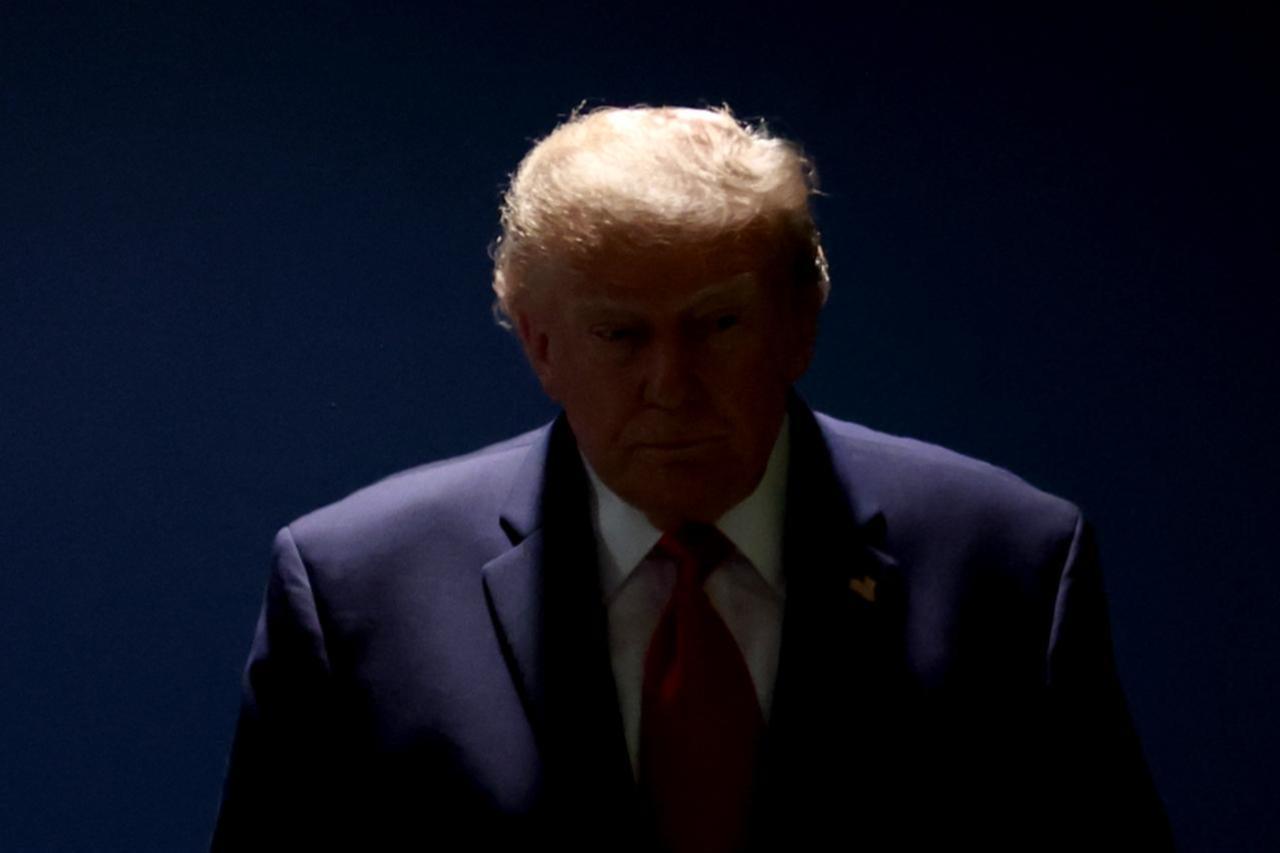


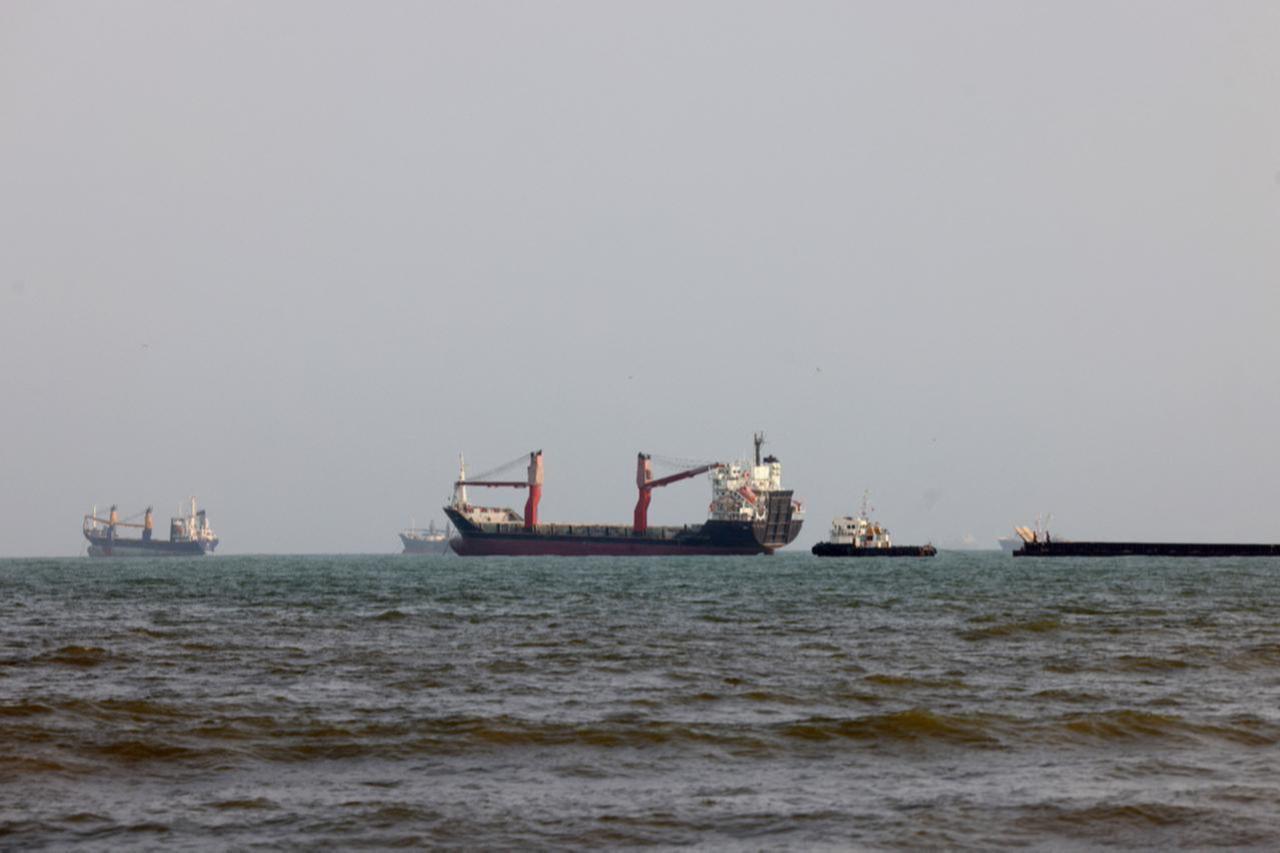
U.S. President Donald Trump on Saturday rejected a proposal from Iran that Tehran said would have reopened the Strait of Hormuz to shipping within a week, deepening a standoff over the vital waterway that has entered its seventh month.
"I reject their proposal," Trump told reporters outside the White House. "They made a proposal but I've rejected it." He said Iran was seeking a quick deal "because they're losing so badly," adding, "I like making a deal too."
The rejection came the same day Trump posted an image on his Truth Social platform showing the Strait of Hormuz circled and labeled "Trump Strait."
Iranian officials said the proposal, submitted through Qatar, called for an end to hostilities across the Middle East, including in Lebanon, in exchange for the release of frozen Iranian assets, the lifting of sanctions on Iranian oil exports and the end of a U.S. naval blockade.
Foreign Minister Abbas Araghchi, who met earlier in the week with Trump envoy Steve Witkoff, said the terms mirrored a memorandum of understanding signed with Washington earlier this year.
"Iran has conveyed to the United States, through Qatar, a concrete seven-day plan," Araghchi said at the United Nations. "If the necessary conditions are met, the strait can be reopened, and normal maritime passage restored within seven days."
He added that Tehran would not be pressured into concessions. "Iran does not accept coercion, threats or intimidation, and Iran will not surrender its sovereign rights under pressure," he said.
Iranian President Masoud Pezeshkian, speaking to CBS News as he returned to Tehran from the U.N. General Assembly, said the plan had been developed "in coordination" with Supreme Leader Mojtaba Khamenei. He said the process to reopen the strait "will begin from the very day they accept it."
Meeting separately with U.N. Secretary-General Antonio Guterres, Pezeshkian said Iran remained open to talks but wary of Washington's intentions. "Iran has not walked away from the negotiating table but, given past experiences, it no longer trusts the United States," he said.
 2 min read
Despite the diplomatic overture, the Wall Street Journal reported hours after Araghchi's remarks that Trump was doubtful Tehran would meet his demands and was expected to resume the U.S. bombing campaign against Iran.
A spokesman for Iran's Revolutionary Guards, Hossein Mohebi, struck a defiant tone, telling the Tasnim news agency, "We will not cease punishing the US until Iran's seven conditions are met."
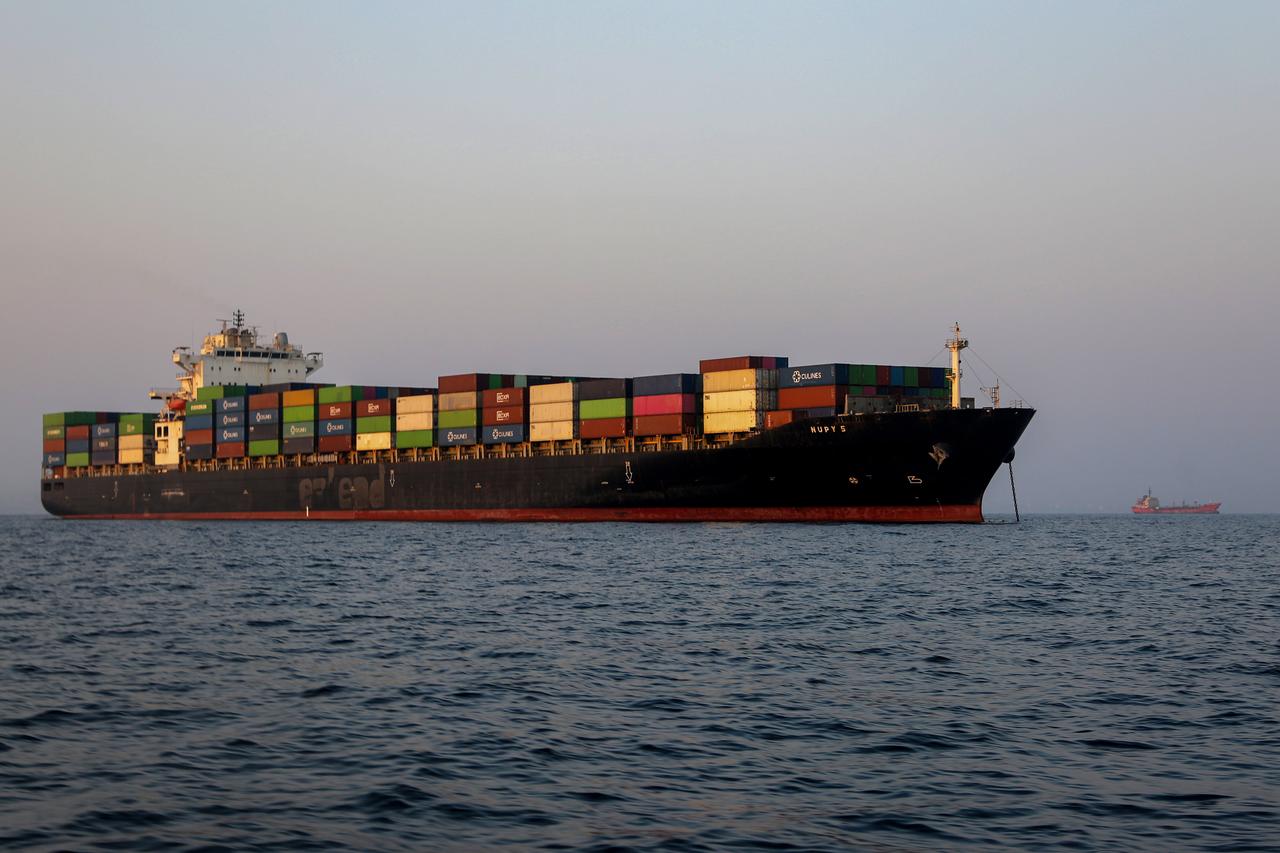
At the United Nations, other governments pressed for a resolution to the standoff over the strait, through which a significant share of the world's seaborne oil trade passes. Saudi Arabia's Foreign Minister Faisal bin Farhan said the "international community has been absent" in ensuring the Strait of Hormuz and the Bab al-Mandab remain open. "The kingdom rejects any party's use of these vital passages as a tool for pressure, threat, or harm to the interests of states," he said.
Russian Foreign Minister Sergei Lavrov told member states that "Russia, together with other responsible states, stands ready to constructively contribute to stabilizing this strategically important region."
Washington and Tehran signed a memorandum of understanding in June aimed at ending hostilities, reopening the Strait of Hormuz and launching talks over Iran's nuclear program.
That agreement collapsed shortly afterward when Iran fired on commercial vessels in the strait that it accused of deviating from an approved route.
Iran requires ships to obtain authorization before passing through the waterway, citing security and sovereignty concerns, and has continued to target vessels that do not comply, while the United States has carried out periodic strikes on Iranian coastal areas in response.


 Set as preferred source
 Set as preferred source


 1 min read