Newsletters


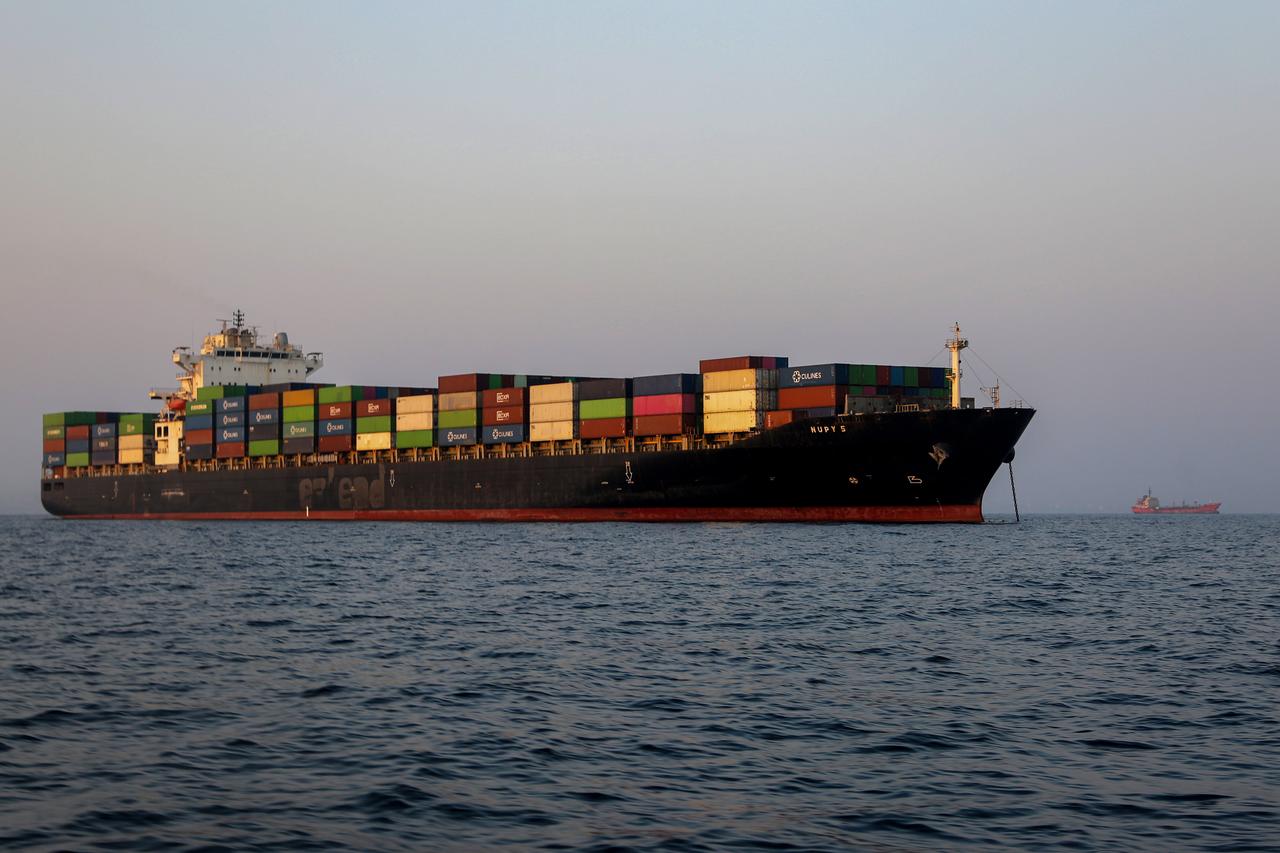


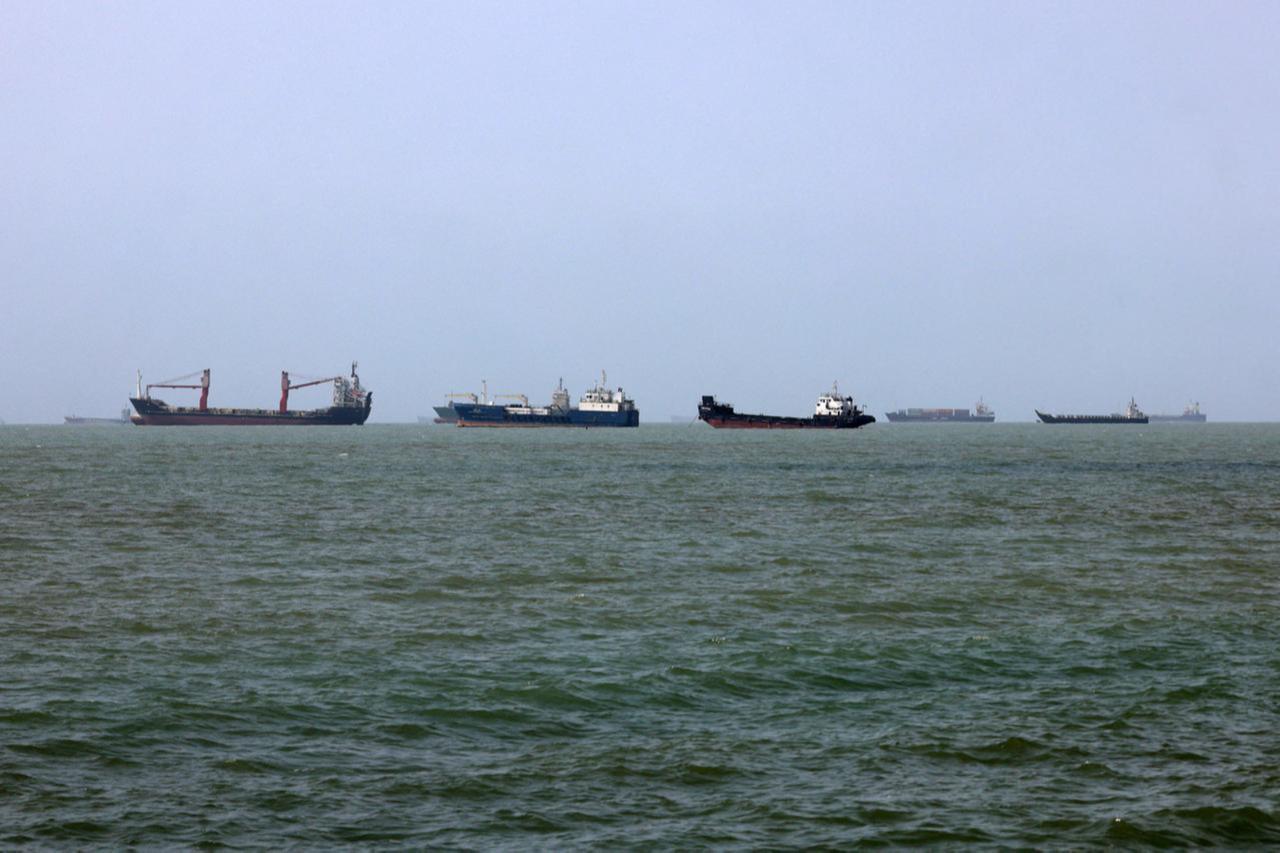
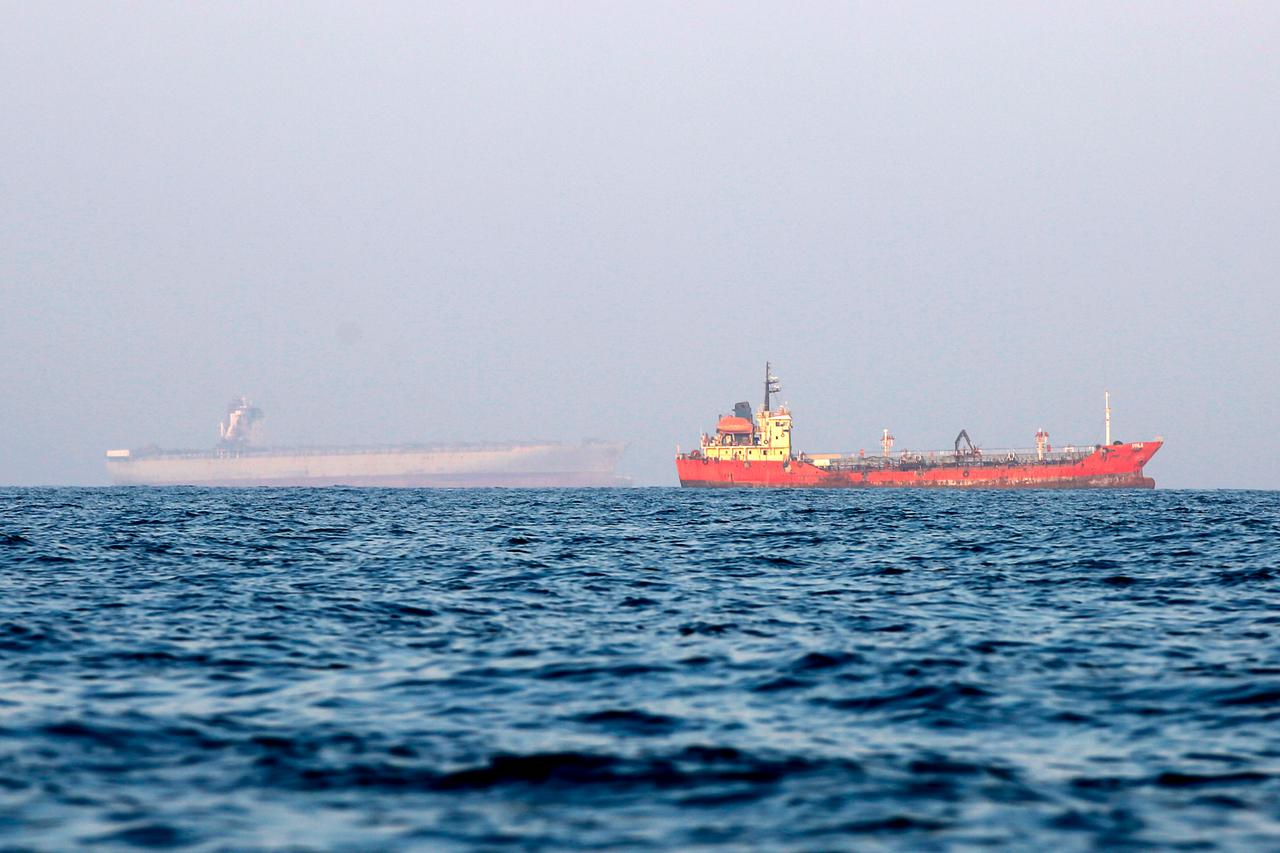
Iran has offered the U.S. a plan that could reopen the Strait of Hormuz within seven days, Iranian Foreign Minister Abbas Araghchi said Thursday in New York, as negotiators weigh a phased exit from war.
Sources close to the talks told Reuters the path under discussion would see Tehran reopen the waterway and Washington lift its economic blockade of Iran.
The obstacle, they said, is that neither side wants to give up its leverage first.
Iran is seeking relief from a U.S. blockade that is choking its economy, while Washington wants free passage for ships on a global oil route that Tehran has blocked, the sources told Reuters.
The conflict has driven U.S. gasoline and diesel prices to record highs, turning fuel costs into a crucial midterm election issue.
Iranian top diplomat said Tehran's mediators had submitted the plan to the White House, and that it would also restart negotiations toward a final deal.
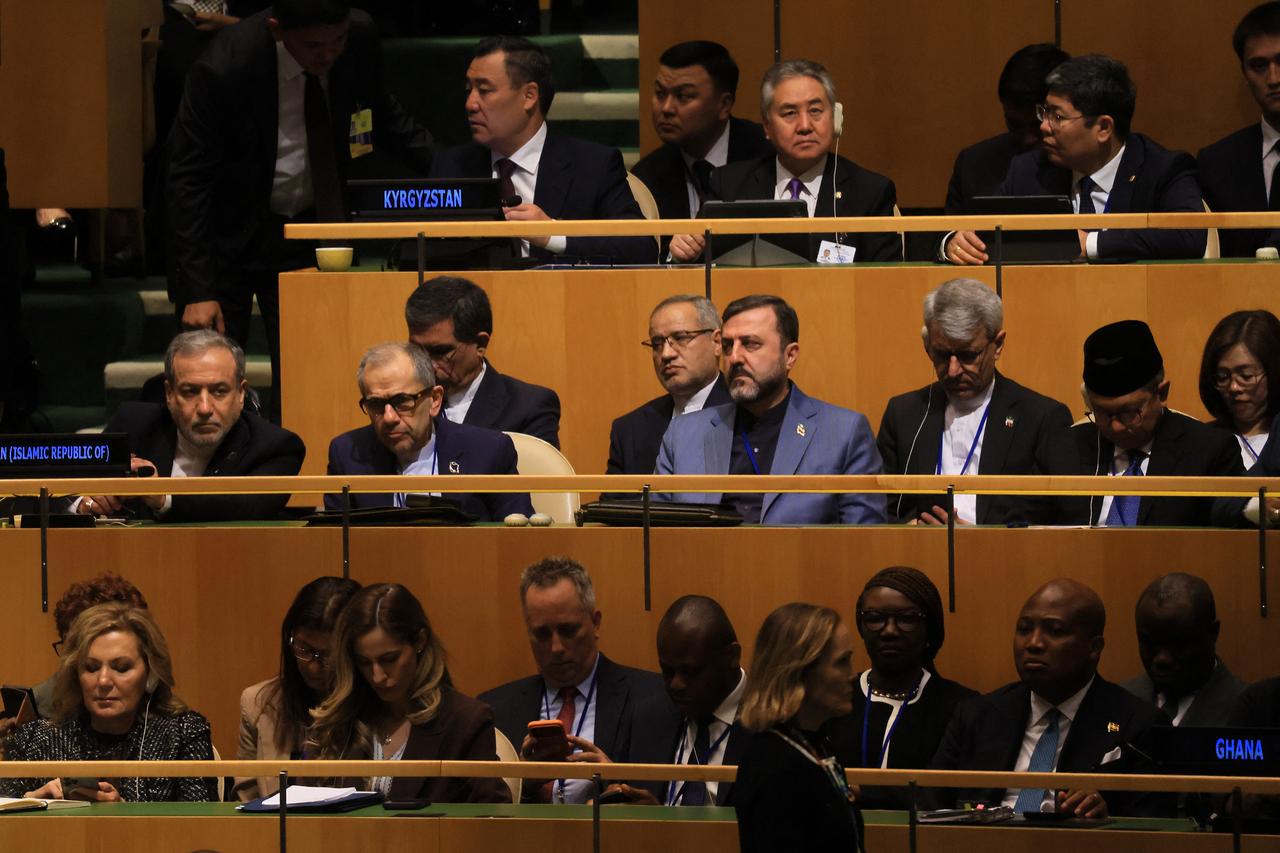
He spoke to reporters and academics on the sidelines of the U.N. General Assembly (UNGA).
"We have introduced a plan to the United States through the mediators that if certain conditions are met, the strait will be open in seven days," Araghchi said.
Iranian officials said the proposal is built on the memorandum of understanding the two countries agreed in June. That deal, which extended an April ceasefire, collapsed in early July after Iran began firing on ships it said were using an "unauthorized" route through the strait.
The Trump administration has said it will not return to the memorandum and is pushing for a broader agreement that also covers Tehran's nuclear program, according to people familiar with the talks cited by the Financial Times (FT).
He said Tehran is "not in a hurry" to secure an agreement based on its new proposal.
"I think it would be much better if it is done before the midterm election, but it depends on the U.S. administration to decide. We don't care about the timing," he said.
"But the plan is very clear," Araghchi added, noting, "The moment they accept this plan, from the next day, this timetable can start, and after seven days, the strait will be open."
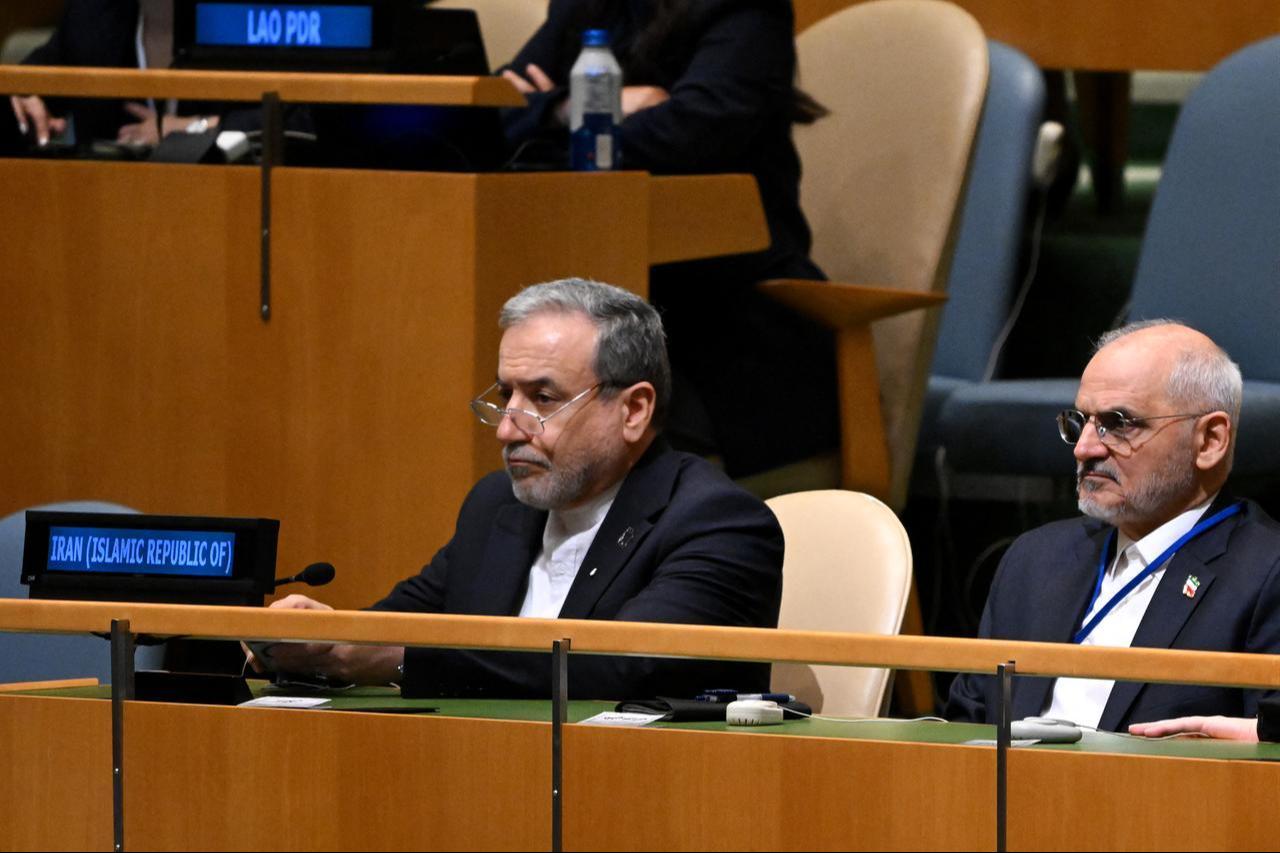

A senior Iranian official told Reuters the most plausible way out would be a phased arrangement. Iran would allow navigation through Hormuz, the U.S. would lift its blockade, and Tehran could potentially gain access to frozen assets.
"One way forward would be to solve the crisis in stages. The first would be to end the blockade and reopen Hormuz," he said on the sidelines of the UNGA.
Two Iranian sources, two regional officials and two Western diplomatic sources told Reuters that neither side wants to surrender its leverage first. The central challenge, the sources said, is making any concessions durable enough for both sides to trust, since U.S. President Donald Trump would have to accept another temporary fix.
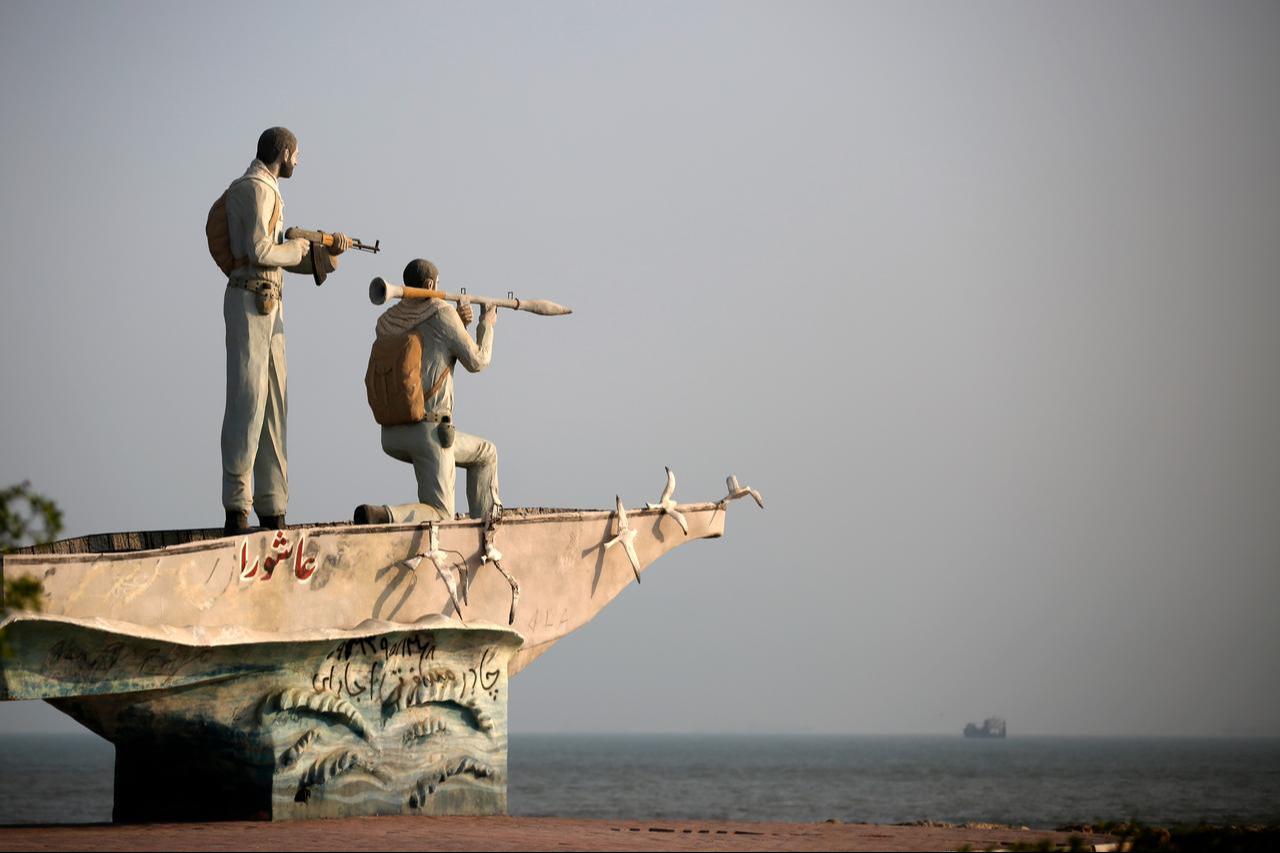
Regional sources said Tehran was willing to move its demand for Hormuz transit fees out of the main agreement and into a side attachment, because ending the blockade had become more urgent. Gulf states have rejected the fee proposal, and any such arrangement would be temporary rather than a formal shift in Iran's position, the sources said.
"Iran is not primarily focused on imposing tolls in Hormuz but on preserving its administrative control of the waterway," one source said, adding, "Iran may be willing to defer the toll issue, but they are not going to give up administrative control of the strait."
A White House official told Reuters that while "Iran is desperate for a deal, President Trump holds all the cards and will make whatever decision is best for the United States."
Trump remained "open to talking with Iran under the right circumstances" but had no need to negotiate, the official said. The U.S. was in a "very strong position" with control of the Strait of Hormuz and an Iranian economy that was "collapsing," the official added.
The official said "crushing sanctions" and "one of the most successful blockades in history" have crippled Iran's economy. Trump was content to let the "inevitable Iranian collapse" play out rather than be "played" by Tehran, the official said.
A White House official declined to comment to the FT on Iran's proposal but said the two sides "are having positive and constructive discussions through the mediators."
"The United States is in a very strong position with control of the Strait of Hormuz, so we are not in a rush," the official said in a statement to the FT, adding, "Nearly 22 million barrels of oil left the Strait last night."
This month, Washington targeted Iran's remaining commercial airlines and support networks with new sanctions. Trump warned that Iran's economy could "rot" unless it reached a deal.
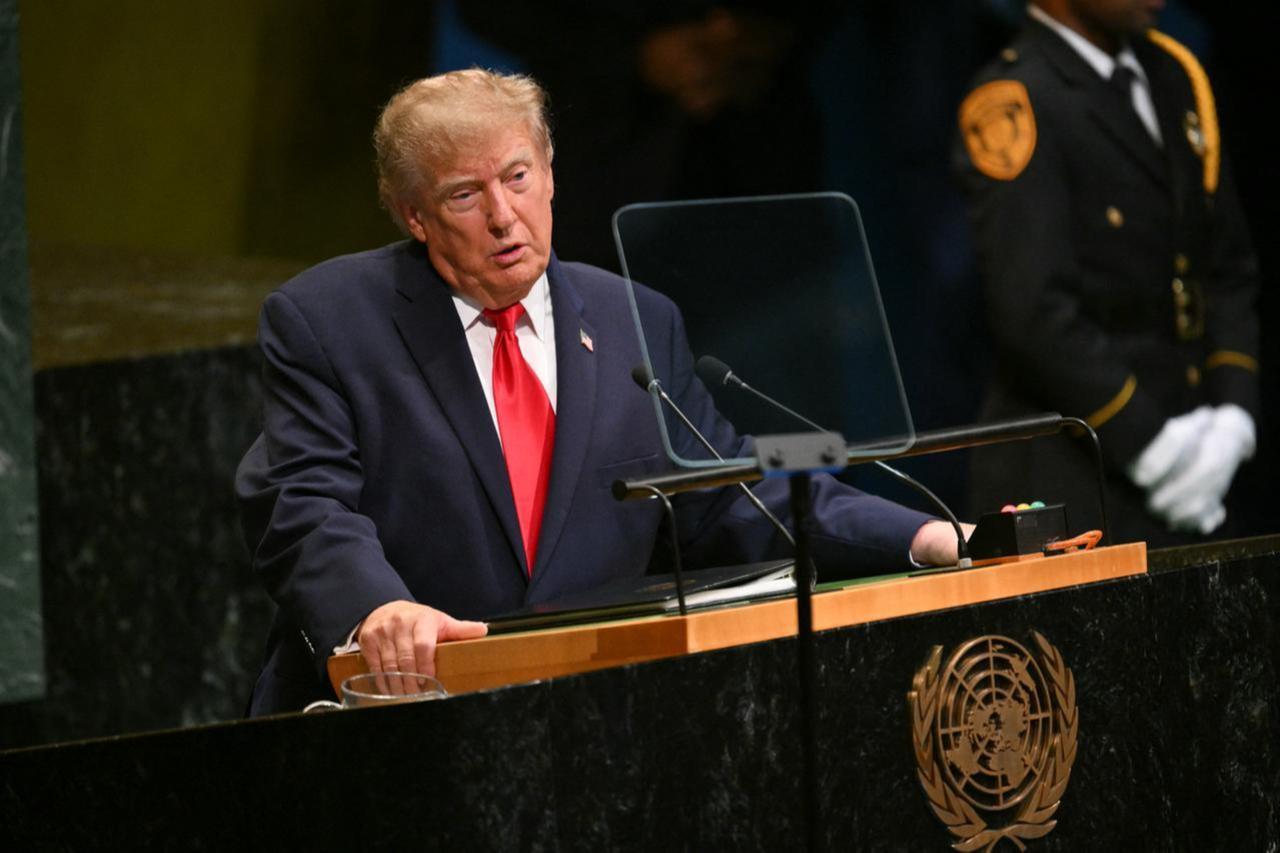
Trump accused Tehran in his U.N. speech Tuesday of stalling until after the midterms in hope that his Republican Party would lose power. He said he could drive the Iranians "into hell with no chance of survival and no hope of future greatness or generations" if they rejected his terms.
He also insisted that "when it comes to Iran, (the election) doesn't even enter my mind."
U.S. and Iranian mediators then held talks through Qatari interlocutors. Both sides called the conversation productive, but Iranians privately said they doubted the U.S. would stick to any agreement, the FT reported.
A senior European official said the Iranians "have a very long list of demands."
Tehran is preparing for the possibility of renewed war even as it seeks a diplomatic off-ramp, the senior Iranian official said.
He accused the U.S. of using the blockade and the threat of force as tools of coercion.
"Our fingers are on the trigger," the official said.
"The Americans know what they need to do but, because of their excessive demands, the chances of diplomacy resolving this are extremely low," the official added.
Gulf leaders met separately with Trump in New York and sought clarity on Washington's endgame after the midterms, including whether the U.S. would resume military action if Iran refused to return to talks, regional sources said.
They rejected any Iranian control of Hormuz and said freedom of navigation must be restored, the sources said. Gulf leaders have also pressed hard for de-escalation and a political process.
"It's still not clear what Trump's endgame is, or what the alternative to the pressure campaign would be," said Ebtessam al-Ketbi, president of the Abu Dhabi-based Emirates Policy Center think tank.
"The Iranians, by contrast, know what they want. They're reshaping the regional landscape through Hormuz and Bab el-Mandeb with a clear objective while Washington has yet to define its roadmap," she said.
Danny Citrinowicz, a regional analyst and former Israeli military intelligence officer, said the New York talks had not changed either side's basic positions. Iran was unlikely to retreat while it believed Trump wanted to avoid a wider escalation before the midterms, he said.
"The blockade is hurting them, but rather than softening their position, it is likely to drive them to escalate because they believe that if they soften their position, they are dead," said Alan Eyre, a former U.S. negotiator on Iran.
Former U.S. negotiator Dennis Ross put the chance of an agreement before the vote at 30%. He said both sides may have stronger reasons to strike a deal before the midterms than after.
"The blockade is what's really squeezing the Iranians. It's strangling them," Ross said.
After the midterms, Trump may face fewer constraints and be more willing to intensify pressure or consider military options, Ross said.
A Western official familiar with the talks said: "It is all about opening the Strait of Hormuz. We're all under pressure domestically and the Iranians know that."
Trump has said he thinks the U.S. and Iran could reach a deal after the Nov. 3 midterm elections. Araghchi said the Strait of Hormuz would open seven days after Washington accepts Tehran's plan.


 Set as preferred source
 Set as preferred source


 1 min read
 1 min read