Newsletters


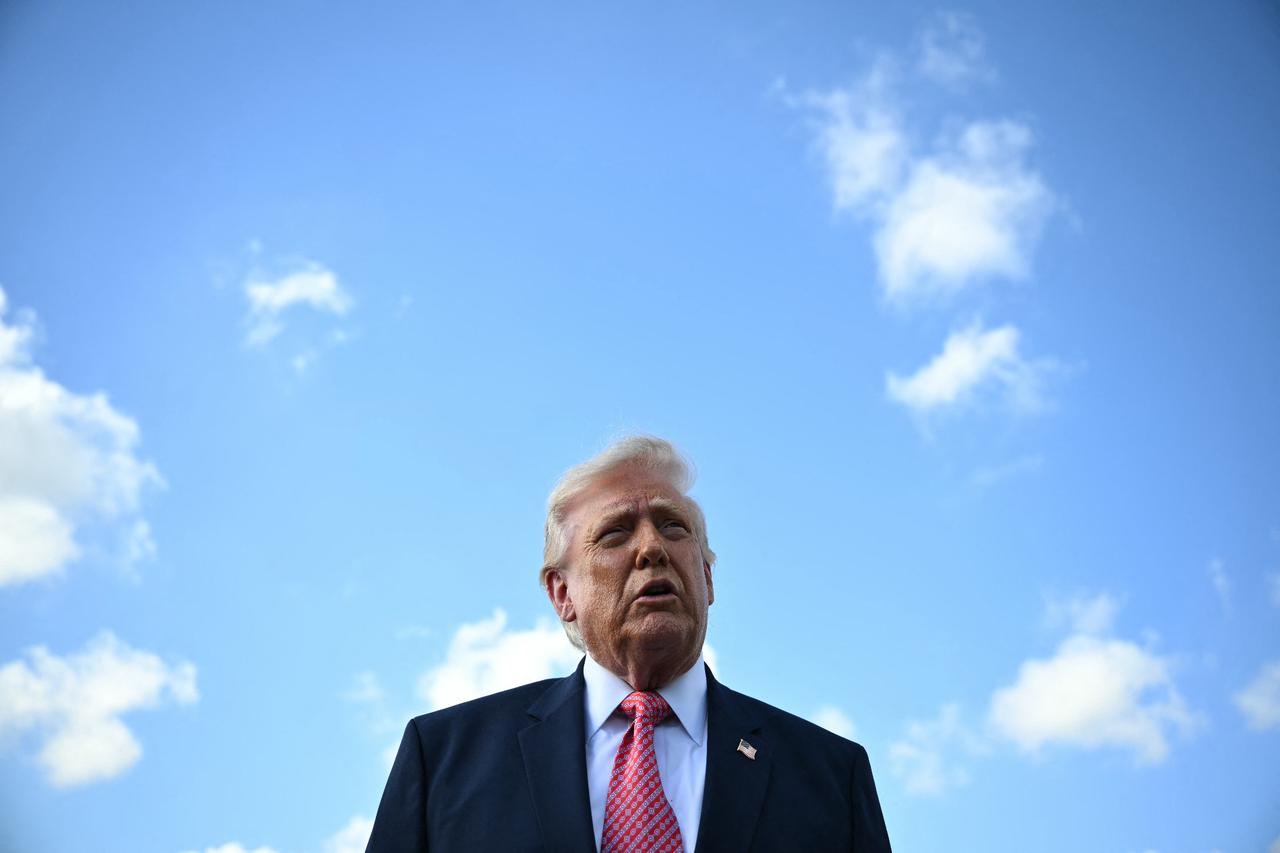


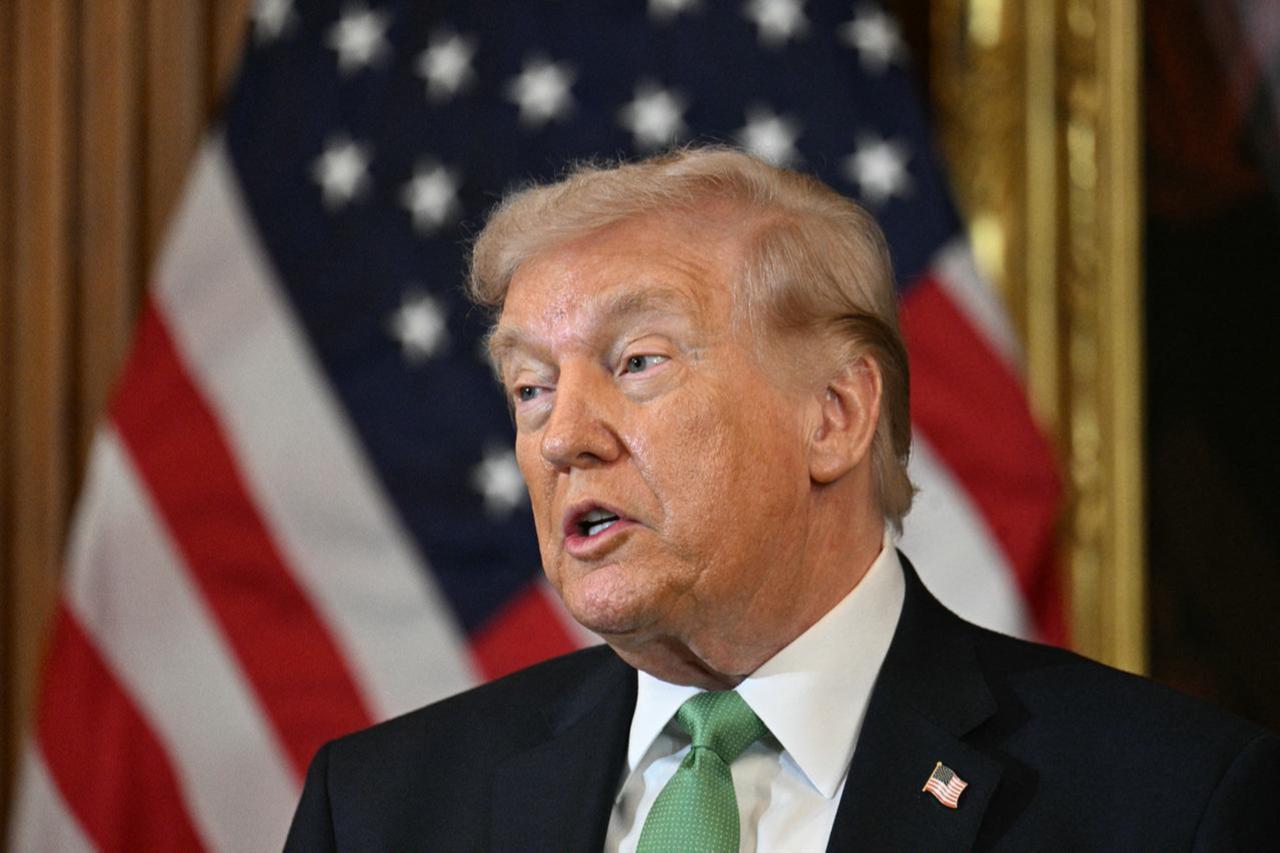
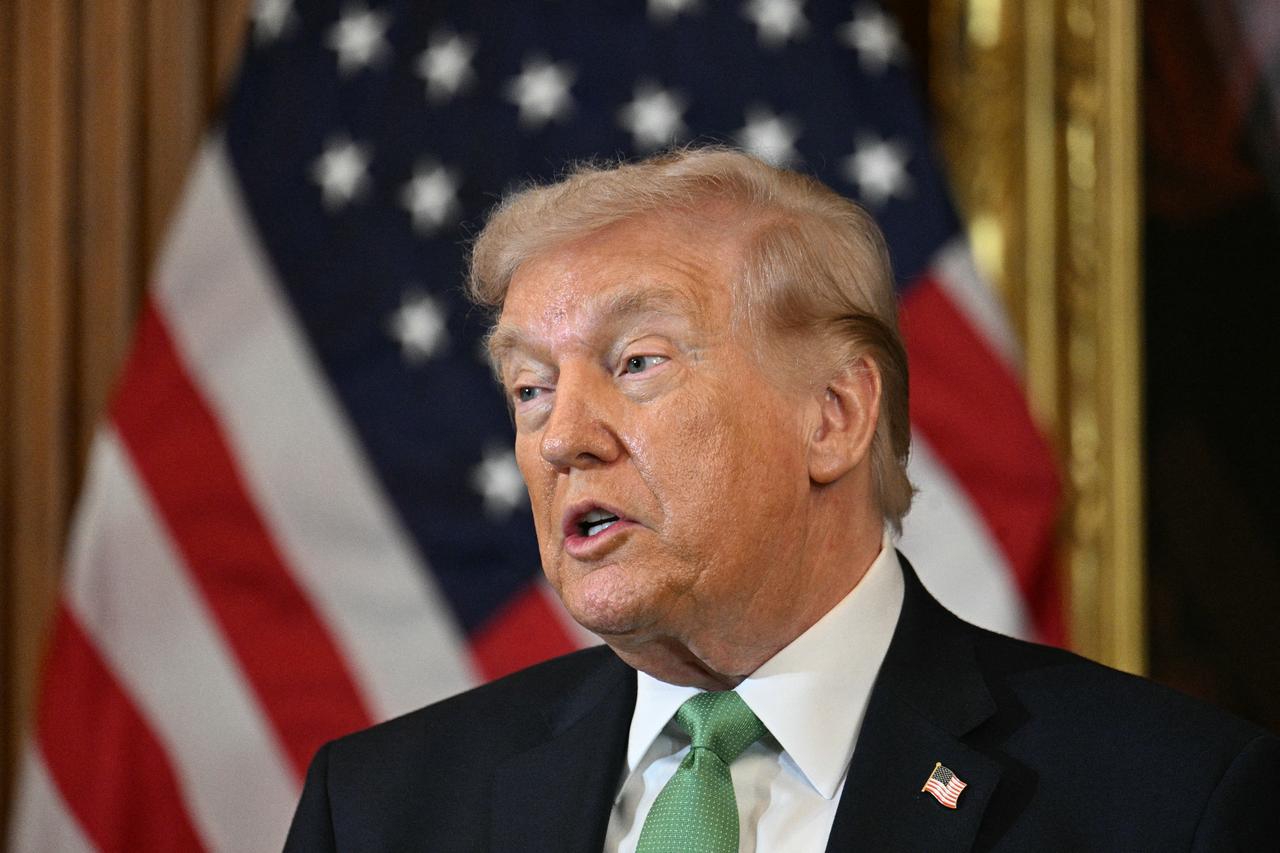
U.S. President Donald Trump escalated his criticism of NATO allies at a Saudi-backed investment summit, accusing the alliance of abandoning the United States during its military campaign against Iran and questioning whether Washington should continue defending European nations.
He singled out French President Emmanuel Macron and German Chancellor Friedrich Merz by name, calling them "friends" but condemning their stance that the Iran conflict is not their war.
Trump's sharpest public break yet with NATO over the Iran campaign once again raises immediate questions about the future of the transatlantic security architecture, alliance cohesion in the Middle East, and the collective defense guarantee that has underpinned European security for over seven decades.
Speaking at the Future Investment Initiative (FII) summit in Miami on Friday, Trump stated that NATO allies failed to support the U.S. effort to reopen the Strait of Hormuz and provide military assistance during the war with Iran.
"I think a tremendous mistake was when NATO just wasn't there; they just weren't there," Trump said.
"I've always said NATO is a paper tiger. And I always said, we help NATO, but they'll never help us."
And if the big one ever happened, and I don't think it will, but if the big one ever happened, I guarantee you, they wouldn't be there," he added.
Trump said the U.S. spends "hundreds of billions of dollars a year" on NATO defense contributions, noting, "And we would have always been there for them, but now, based on their actions, I guess we don't have to be, do we?"
"Why would we be there for them if they're not there for us? They weren't there for us," he said.
Responding to Macron's and Merz's position that the Iran conflict does not concern Europe, Trump drew a direct comparison to Ukraine, saying, "Well, Ukraine's not our war, but we helped them."
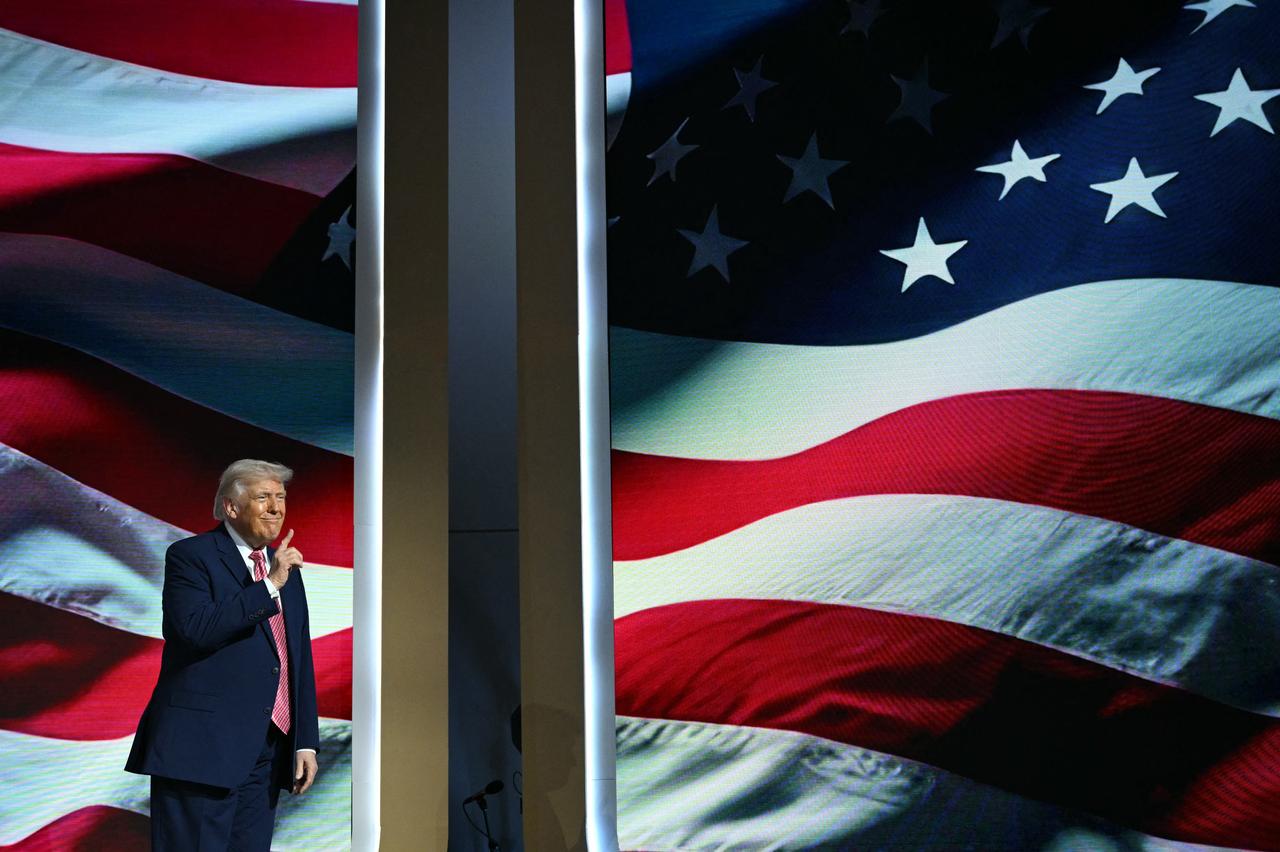

Trump specifically thanked Saudi Crown Prince Mohammed bin Salman, Qatar Emir Sheikh Tamim bin Hamad Al Thani, and the leadership of the United Arab Emirates, telling the audience that Gulf states had helped the U.S. on Iran "more than NATO."
Addressing the senior Gulf officials and investors in the room, Trump emphasized the support these countries had provided throughout the Iran campaign.
Trump claimed U.S. forces had eliminated a significant portion of Iran's senior leadership, saying he did not know who currently leads the country.
"I think we changed the regime; the regime is blowing up every two days. We don't even know who the leader of Iran is," he said.
He described the U.S. military actions against Iran as an "operation" rather than a "war," explaining the legal distinction.
"If this is a military operation, I don't need any authorization. If it's a war, you need Congress to approve it. That's why I call it a military operation," Trump stated.
Trump also noted that the U.S. had completed its military operations in Venezuela in 45 minutes but characterized Iran as a far larger and more powerful challenge, saying, "This one is bigger and much more powerful.
We have 3,554 targets left, and this will be done pretty quickly. Then we'll have to decide what to do."
In a wide-ranging address, Trump also signaled a potential military move against Cuba, stating that "Cuba is next. But let's pretend I didn't say that. But Cuba is next."
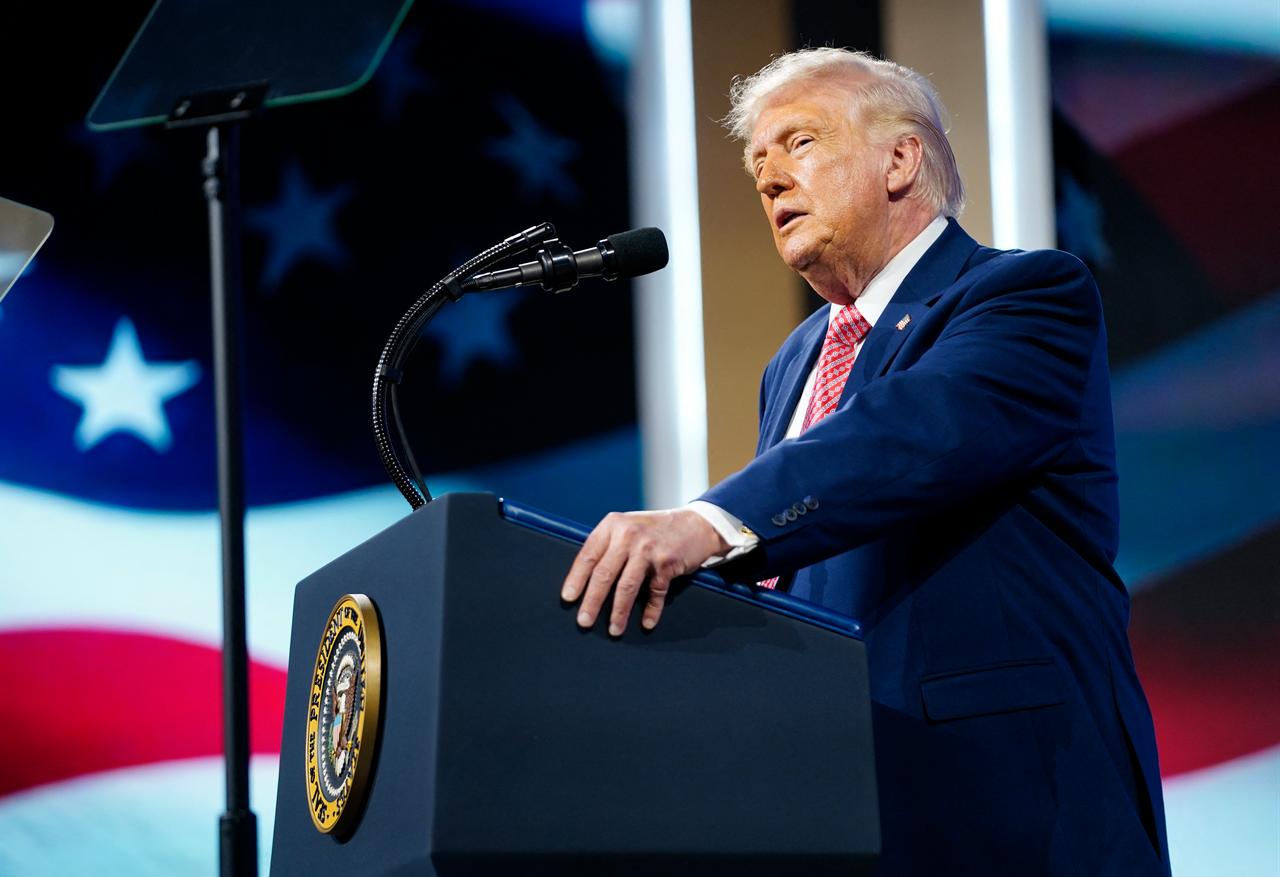
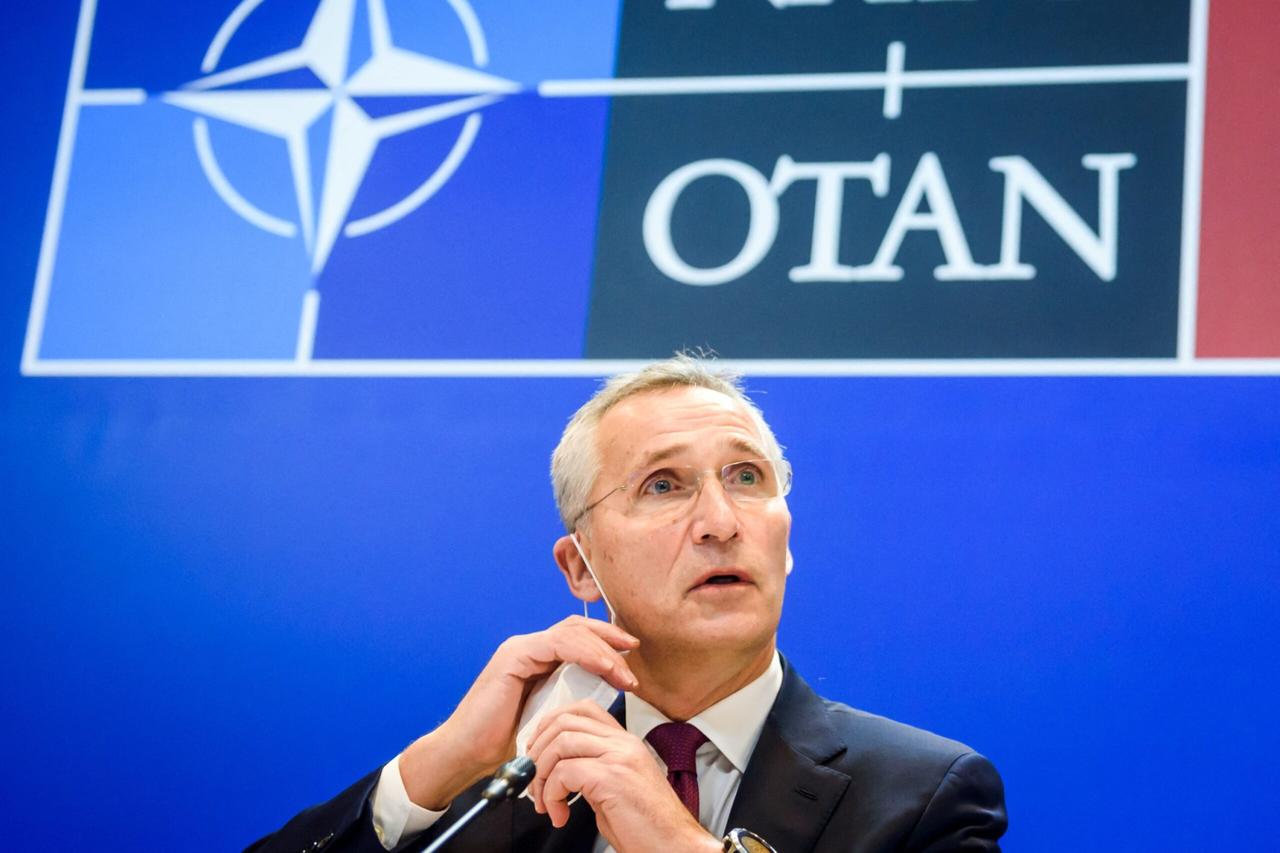
NATO Secretary-General Mark Rutte responded to Trump's "paper tiger" remarks in an interview with CBS News' "Face the Nation" moderator Margaret Brennan on Sunday.
Rutte said he had taken part in "several conversations" with Trump last week.
He explained that the U.S. had spent weeks planning Operation Epic Fury and could not share details with European allies for security reasons, as doing so "would have jeopardized the effect of the first attack."
"It was only logical that European countries needed a couple of weeks to come together," Rutte told CBS News.


 Set as preferred source
 Set as preferred source


 1 min read
 1 min read