Newsletters


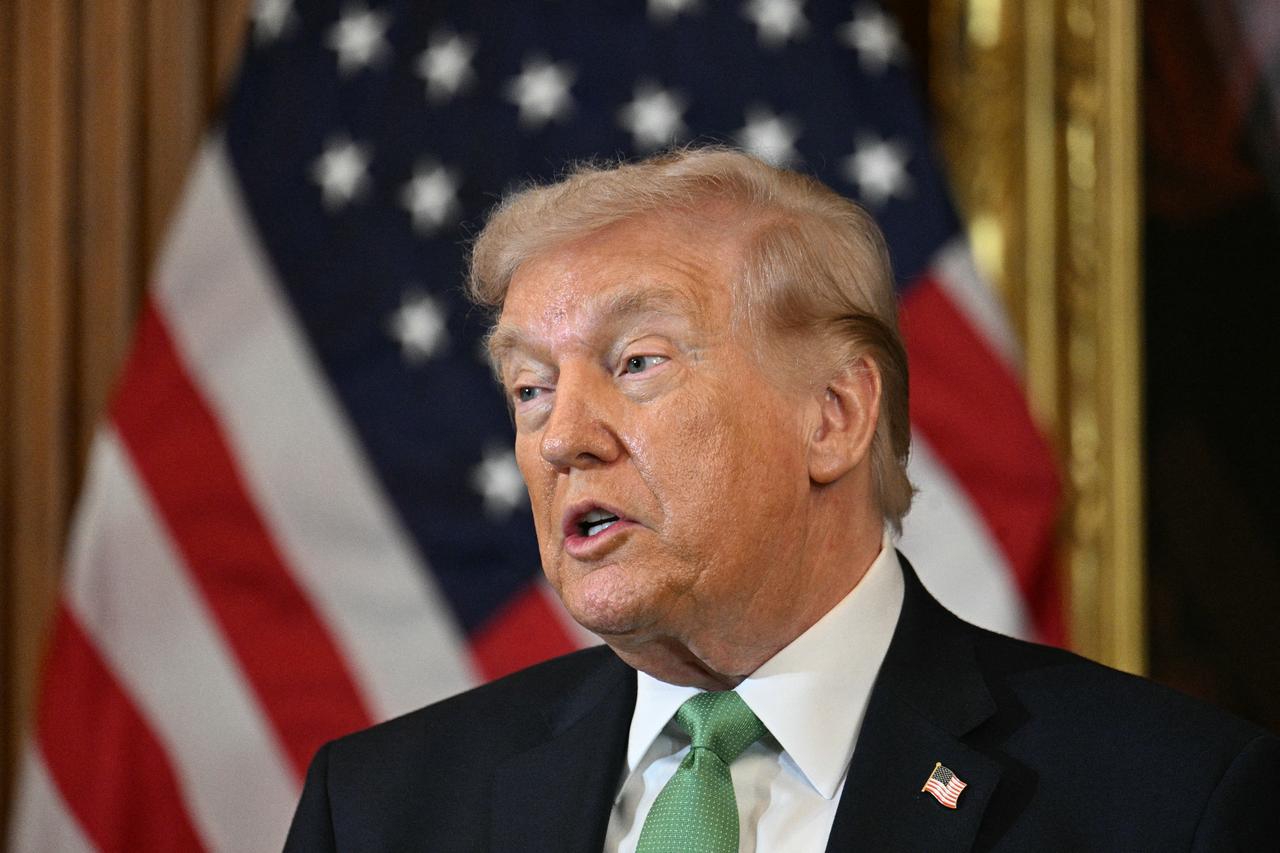


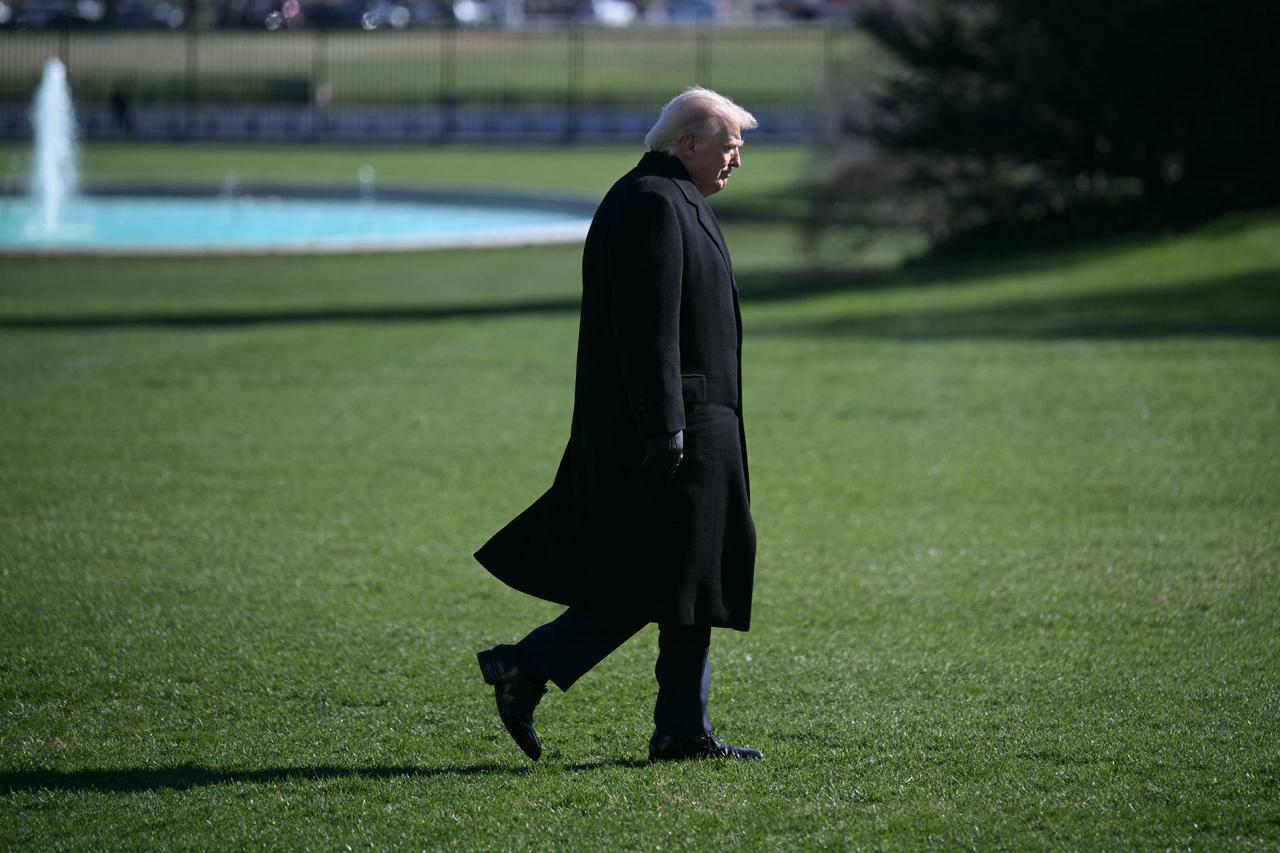
U.S. President Donald Trump branded NATO a "paper tiger" and called allies "cowards" for refusing to join military efforts to reopen the Strait of Hormuz.
Trump has been calling on major U.S. allies and others to help ensure the safety of shipping through the Strait of Hormuz.
The conflict has roiled global markets, killed thousands, and displaced millions since U.S.-Israel strikes began on Feb. 28.
The French President, Emmanuel Macron, recently ruled out any use of force to open the waterway, and Italy clarified that a joint allied statement does not envision a military mission.
 Breaking News, Direct to You.
 Follow Türkiye Today on WhatsApp
for real-time updates and key insights from Türkiye and beyond.
Follow Türkiye Today on WhatsApp
for real-time updates and key insights from Türkiye and beyond.
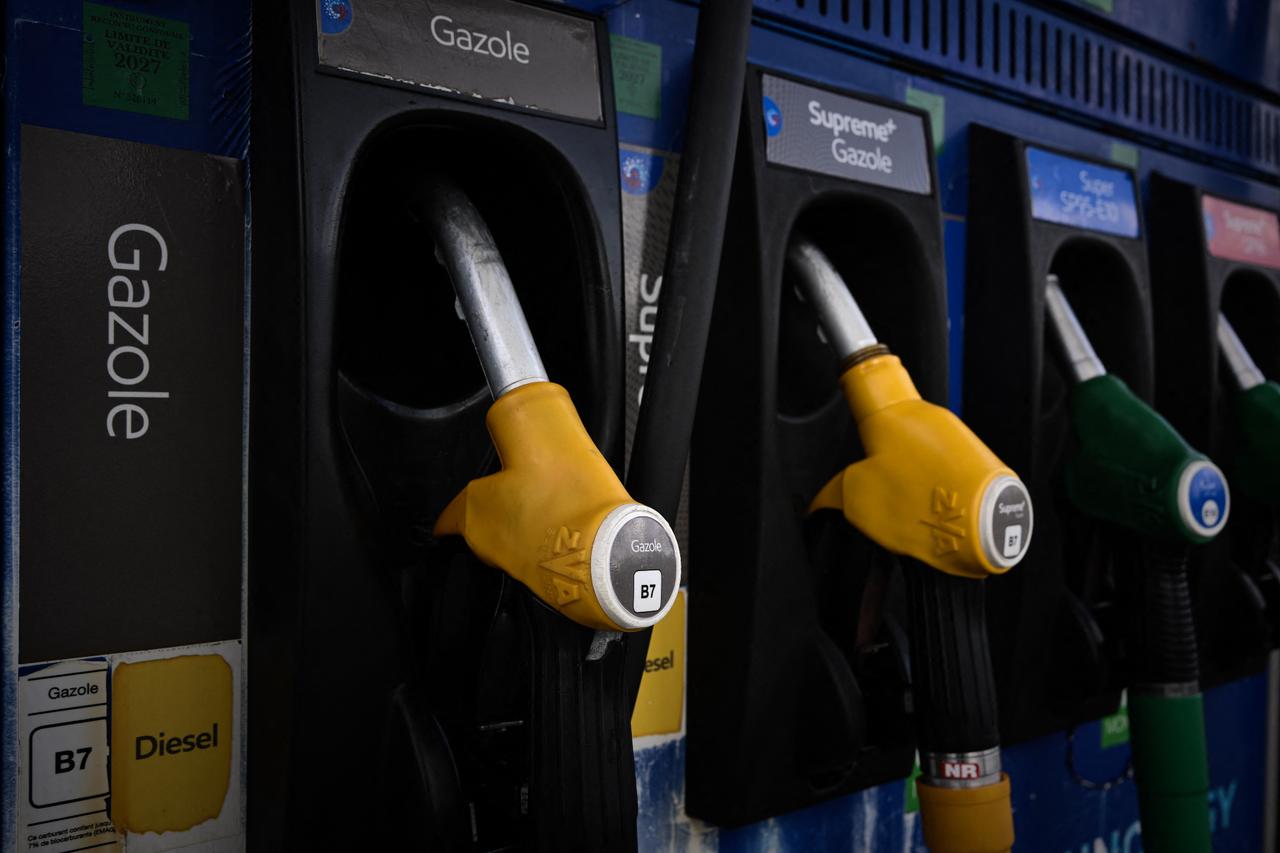
In a Truth Social post, Trump wrote, "Without the U.S.A., NATO IS A PAPER TIGER! They didn't want to join the fight to stop a Nuclear Powered Iran. Now that fight is Militarily WON, with very little danger for them, they complain about the high oil prices they are forced to pay, but don't want to help open the Strait of Hormuz, a simple military maneuver that is the single reason for the high oil prices. So easy for them to do, with so little risk."
"COWARDS, and we will REMEMBER!," he added.
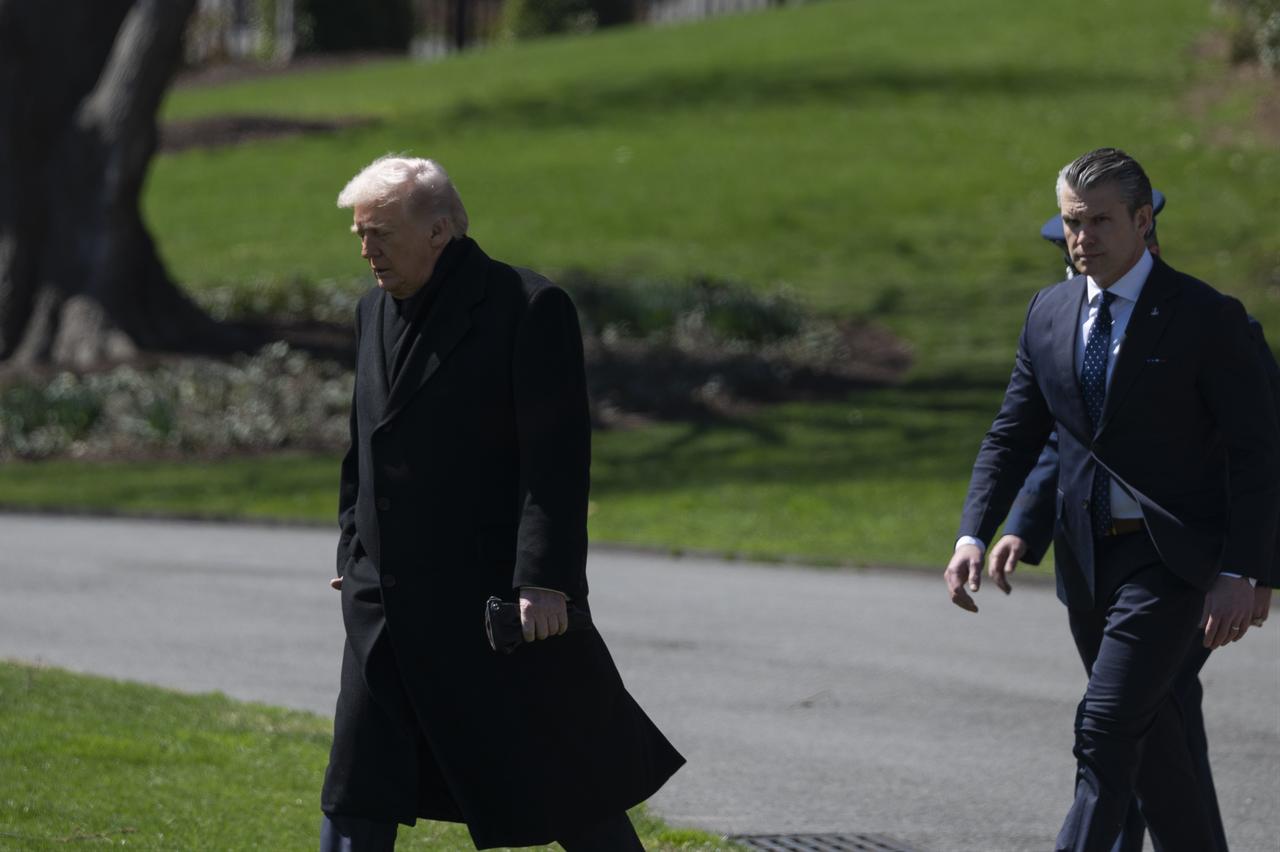

French President Macron, speaking to reporters after EU leaders gathered in Brussels, ruled out French participation in any forceful intervention.
"We will not participate in any use of force to open the strait in the context of the ongoing war and bombings," Macron said.
Macron clarified France's position: "I reiterated that once the situation is calmer, France is ready, together with other nations, to take responsibility for a ship-escort system in the strait as part of a mission that is not intended to be a use-of-force operation and that will require coordination and deconfliction with Iran."
He called for weapons to fall silent on Eid al-Fitr and expressed hope for "a truce accepted by the parties involved in the hours to come."
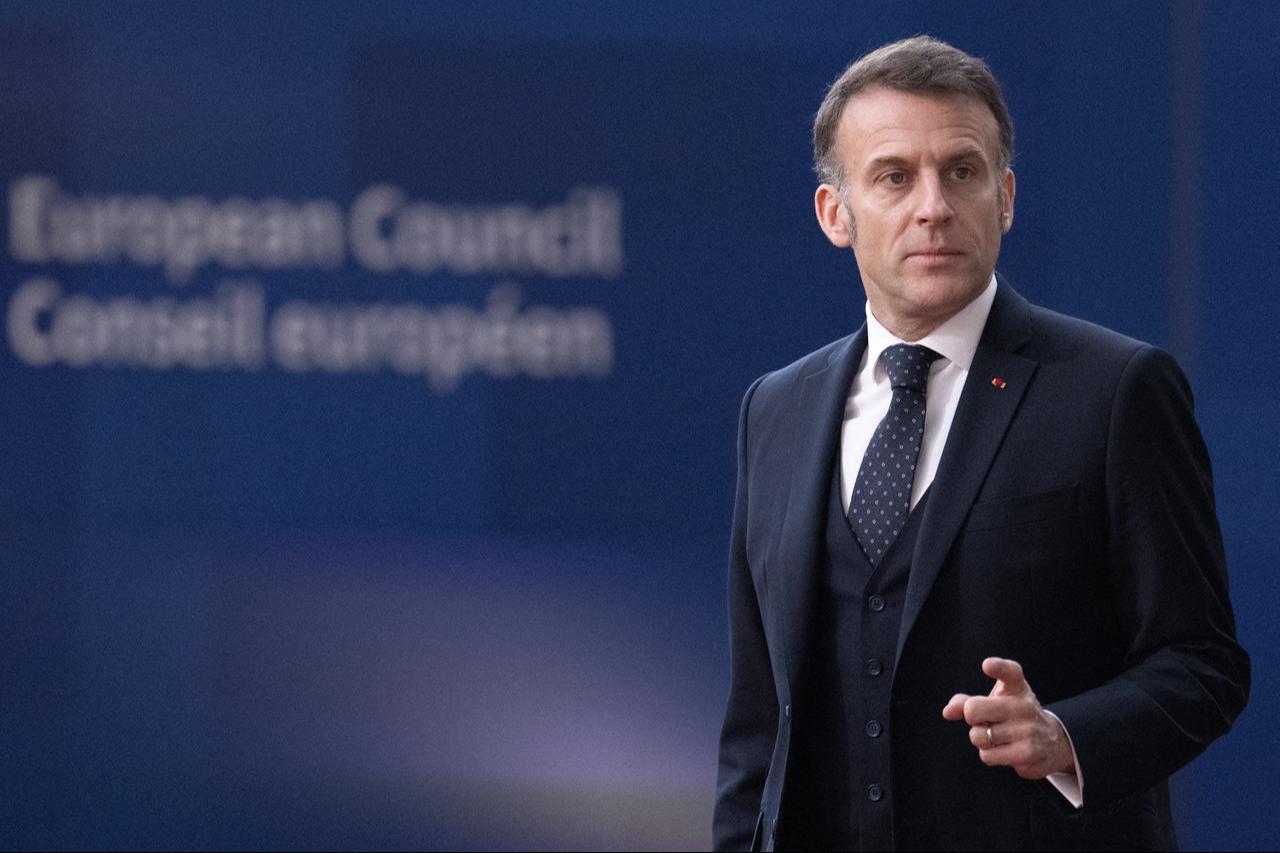
Italian Defense Minister Guido Crosetto dismissed interpretations that a joint allied statement constitutes a war mission.
"I have read completely erroneous interpretations of the document approved today by some European and non-European nations, including Italy. No war mission. No entry into Hormuz without a truce and without an extended multilateral initiative," Crosetto wrote on X.
He said he believes it is "right and appropriate for the United Nations to provide the legal framework" for a peaceful and multilateral initiative to reopen the strait.
Italian Prime Minister Giorgia Meloni also pushed back against what she called forced interpretations of the joint statement.
She said no country is currently considering a military mission to forcibly break the Iranian blockade of the Strait of Hormuz and that EU countries favor diplomacy and de-escalation.
She clarified that the question being addressed was how countries could contribute to freedom of navigation in a post-conflict phase and in clear agreement with all parties.
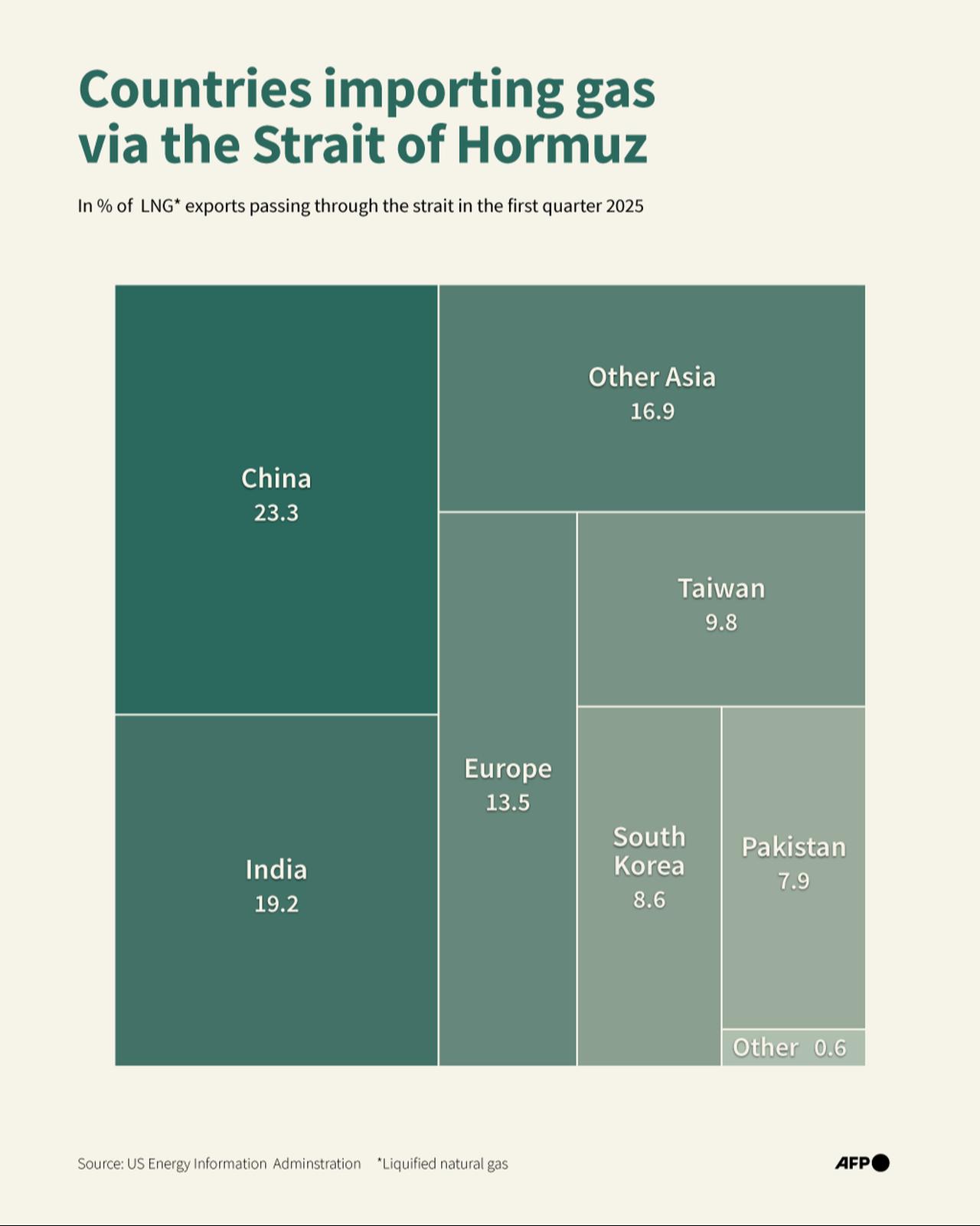
Leaders from the U.K., France, Germany, Italy, the Netherlands, and Japan signed a joint statement on Thursday expressing readiness "to contribute to appropriate efforts to ensure safe passage through the Strait."
The statement, also supported by Canada, condemned Iranian attacks on commercial vessels and civilian energy infrastructure in the Gulf and welcomed "the commitment of nations who are engaging in preparatory planning."
The Strait of Hormuz normally handles about 20 million barrels per day and roughly 20% of the global liquefied natural gas trade.
Iran has effectively closed the waterway to most ships since the war began.
Regional tensions have escalated since Israel and the U.S. launched a joint offensive on Iran on Feb. 28, killing more than 1,300 people, including then-Supreme Leader Ali Khamenei.


 Set as preferred source
 Set as preferred source


 2 min read
 1 min read