LATEST
COLUMNISTS
FEATURED
NATION
Politics
Defense
Diplomacy
Diaspora
Minorities
REGION
Europe
Turkic World
Middle East
Balkans
WORLD
Africa
Americas
Asia & Pacific
Conflicts
BUSINESS
Economy
Finance
Energy
Tourism
Tech
Automotive
LIFESTYLE
Education
Health
Environment
Travel
Food
Science
Weather
Satire
CULTURE
History
Cinema
Music
Events
Portraits
Reviews
SPORTS
Football
Basketball
Volleyball
Motorsports
Newsletters
USD/TRY
49.42
+0.02%
opinion
Set as preferred source
NEWSLETTERS
LATEST
COLUMNISTS
FEATURED
NATION
Politics
Defense
Diplomacy
Diaspora
Minorities
REGION
Europe
Turkic World
Middle East
Balkans
WORLD
Africa
Americas
Asia & Pacific
Conflicts
BUSINESS
Economy
Finance
Energy
Tourism
Tech
Automotive
LIFESTYLE
Education
Health
Environment
Travel
Food
Science
Weather
Satire
CULTURE
History
Cinema
Music
Events
Portraits
Reviews
SPORTS
Football
Basketball
Volleyball
Motorsports
Home
Opinion
Pete Hegseth’s firing squad—great TV, a terrible idea, a gift to extremists
Opinion
7 min read
Rather than acting as a deterrent, Nidal Hasan’s public execution by firing squad could be used as a recruitment tool by radical groups
The Middle East is on fire, but PowerPoint looks fantastic
Opinion
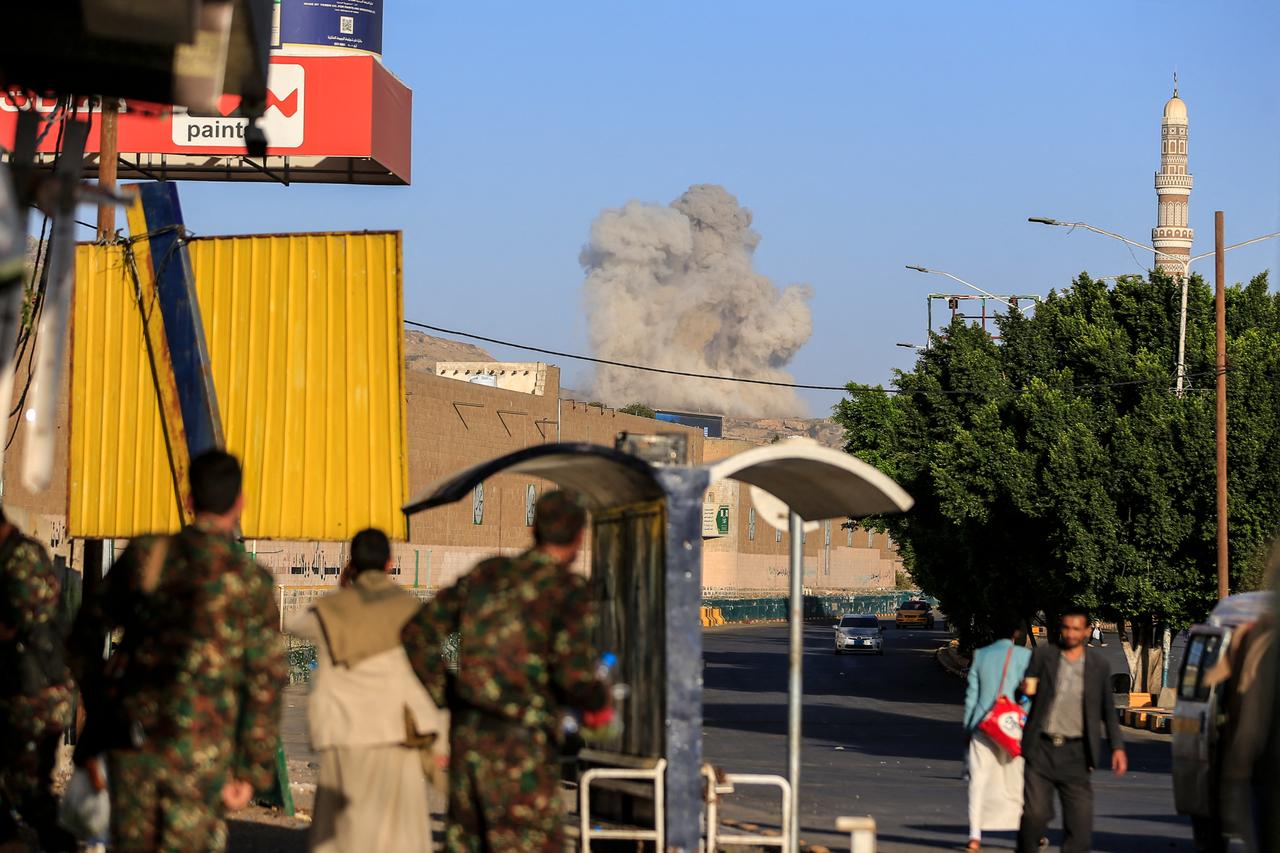
Washington wants the oil, Riyadh wants protection, Tehran wants leverage, the Houthis want to survive, but nobody wants to foot the bill
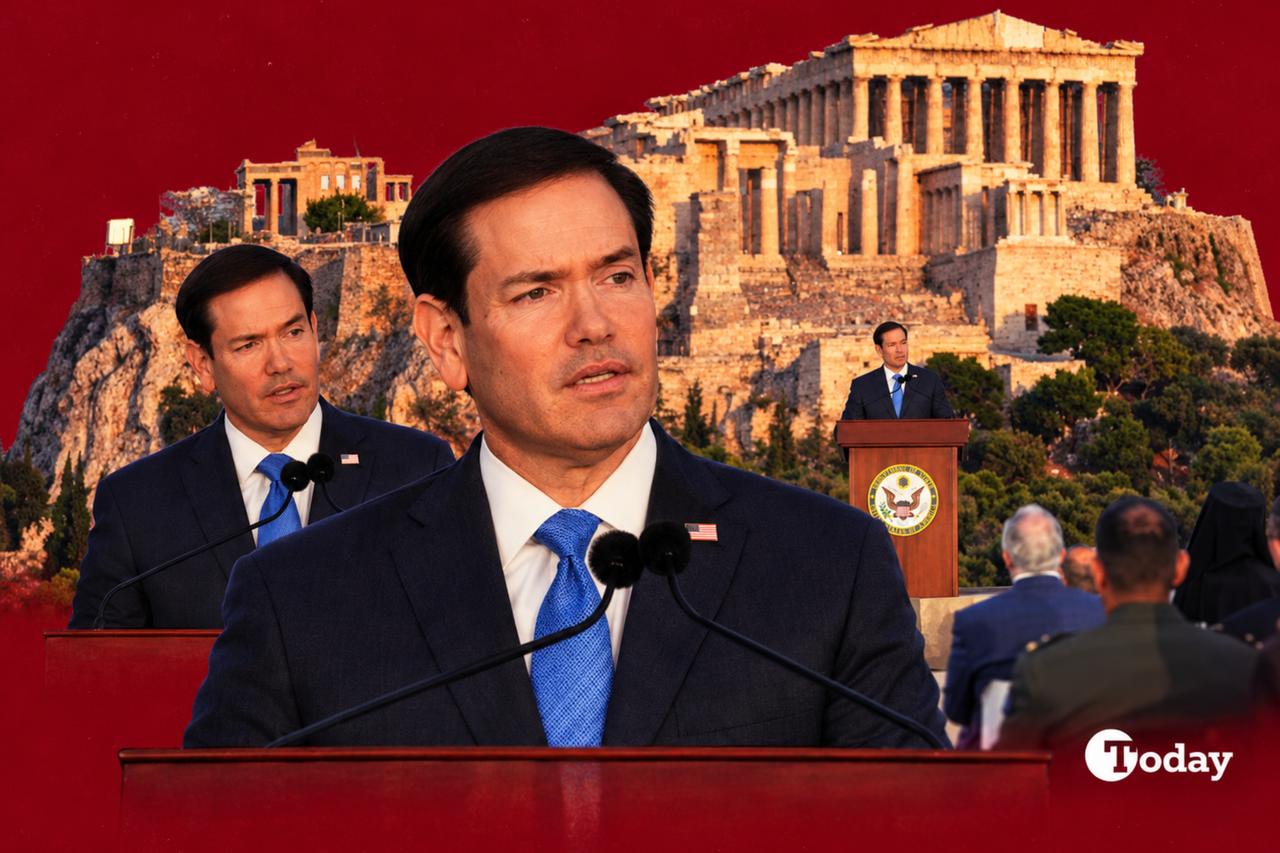
From Parthenon to Pentagon: Rubio summons Achilles' rage
Opinion
Marco Rubio's Acropolis speech invokes Achilles, exposing contradictions between Western civilization's ideals and its history of conquest and violence
US tech wants to flex—middle powers say not so fast
Opinion
The clash over Starlink in India highlights a growing diplomatic struggle between American big tech and the technological sovereignty of middle powers
Opinion
In America, the grift is always greener
2 min read
Opinion
Türkiye inflation falls below 30% after 58 months; rate cuts back in play
2 min read
Opinion
Fuel tax cuts feel like relief. The bill just shows up later
2 min read
Opinion
Trump’s obsession with Syrian army is a reckless gamble
2 min read
Opinion
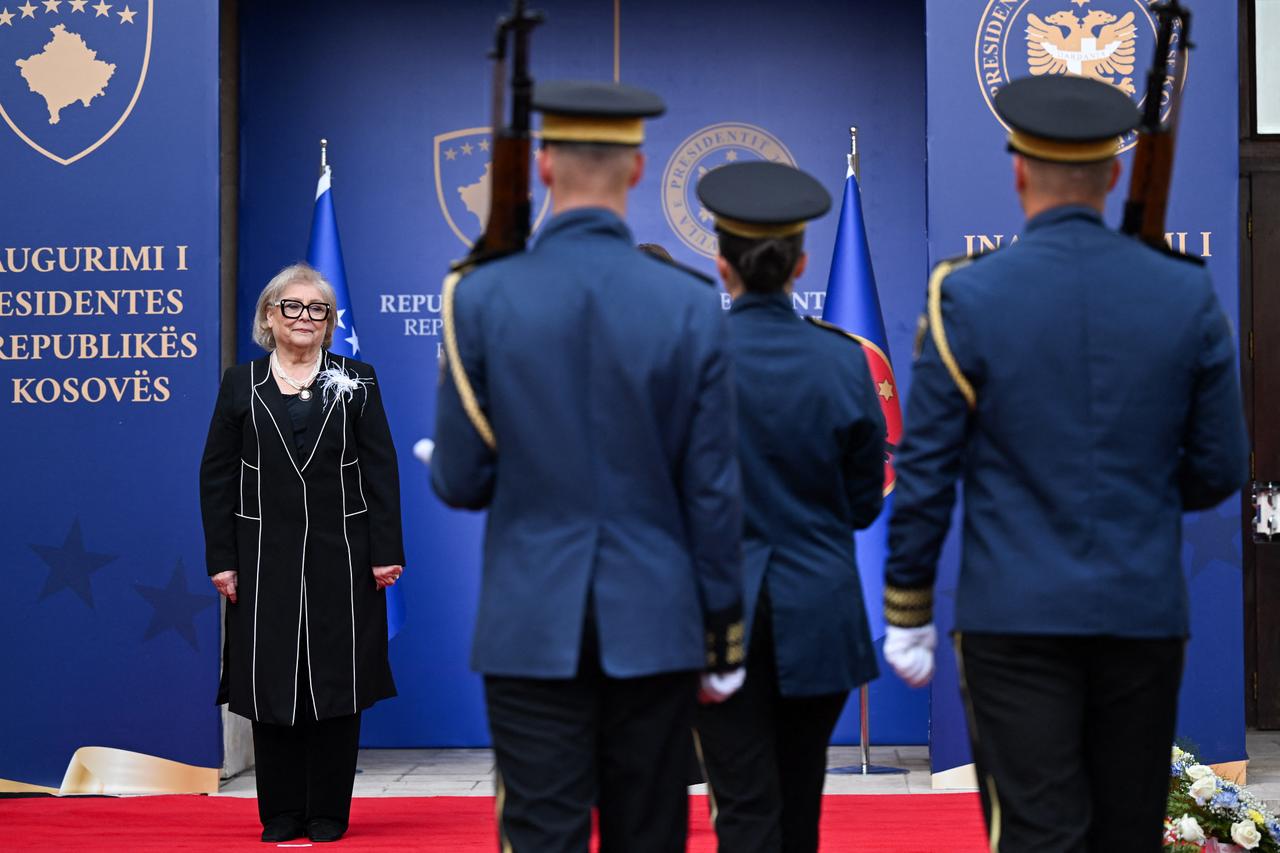
Belgrade needs Kosovo to be Muslim. Türkiye should ask why
2 min read
Opinion
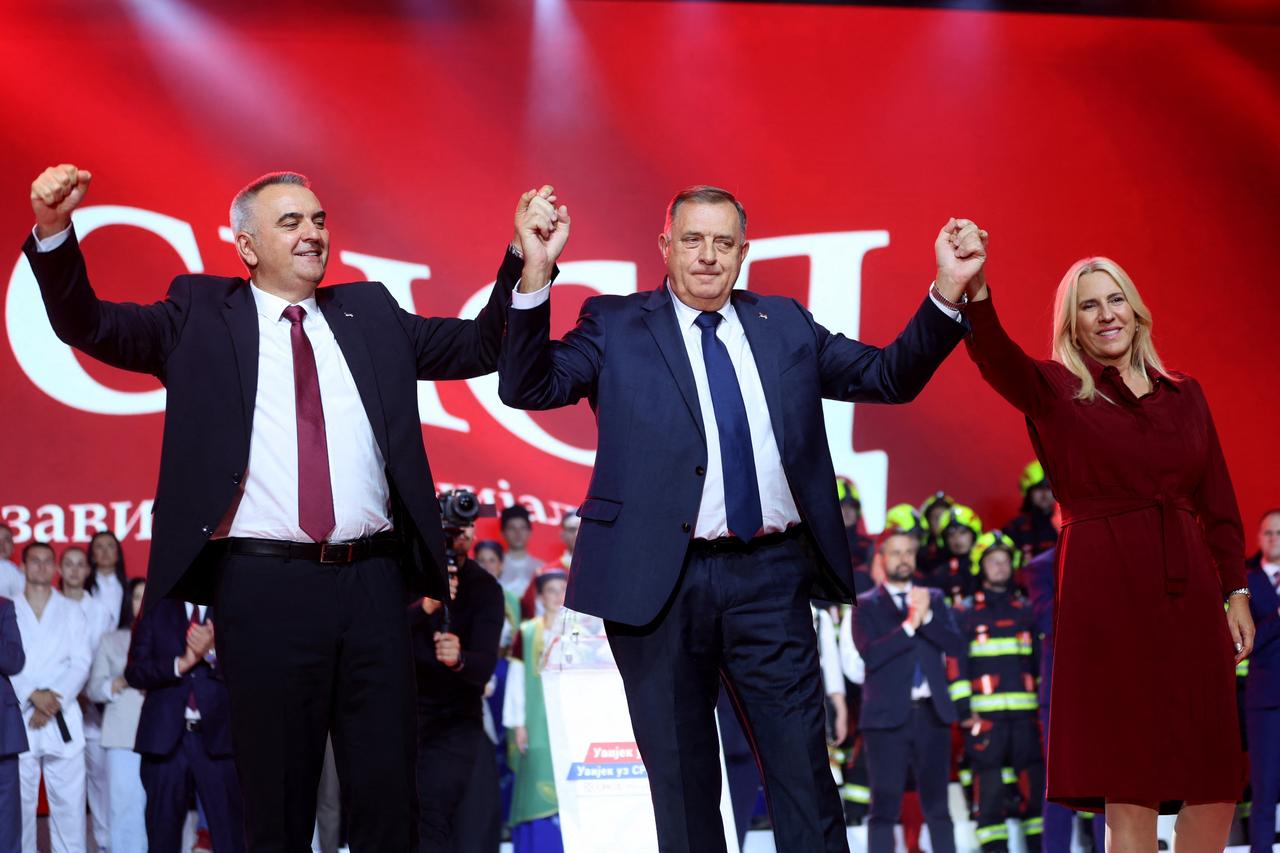
Bosnia counts votes faster, but fewer voters turn out
2 min read
Opinion
Trauma, fear, and Bibi: What is driving Israeli voters?
2 min read
Opinion
Uncertainty is the new surcharge: Türkiye’s Black Sea test
2 min read
Opinion
The apocalypse is coming. Please observe the safety instructions
2 min read
Opinion
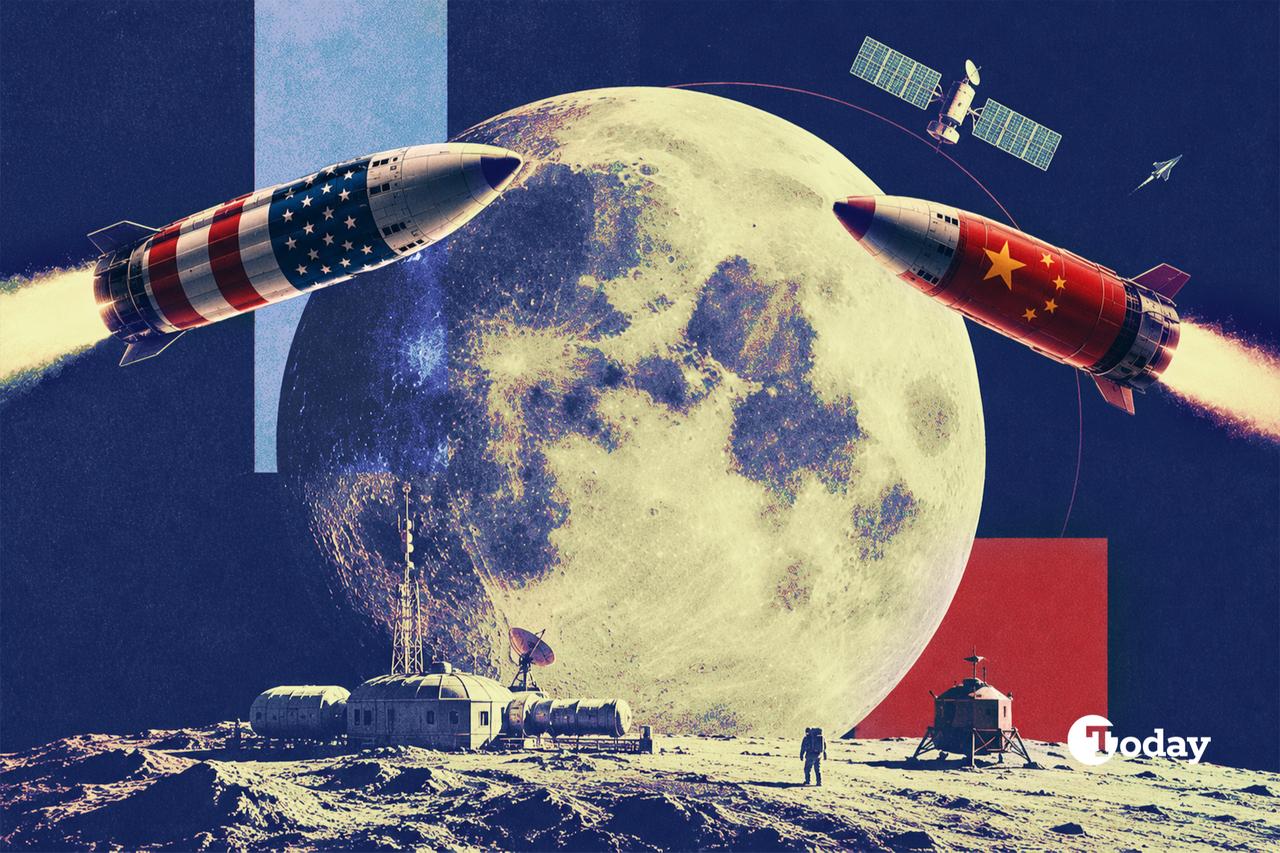
Ground Control to Major Tom: The new space race is lifting off
2 min read
1
2
3
4
...
20
Next >
Results Per Page
10
50


 Newsletters



 7 min read



 Set as preferred source