Newsletters


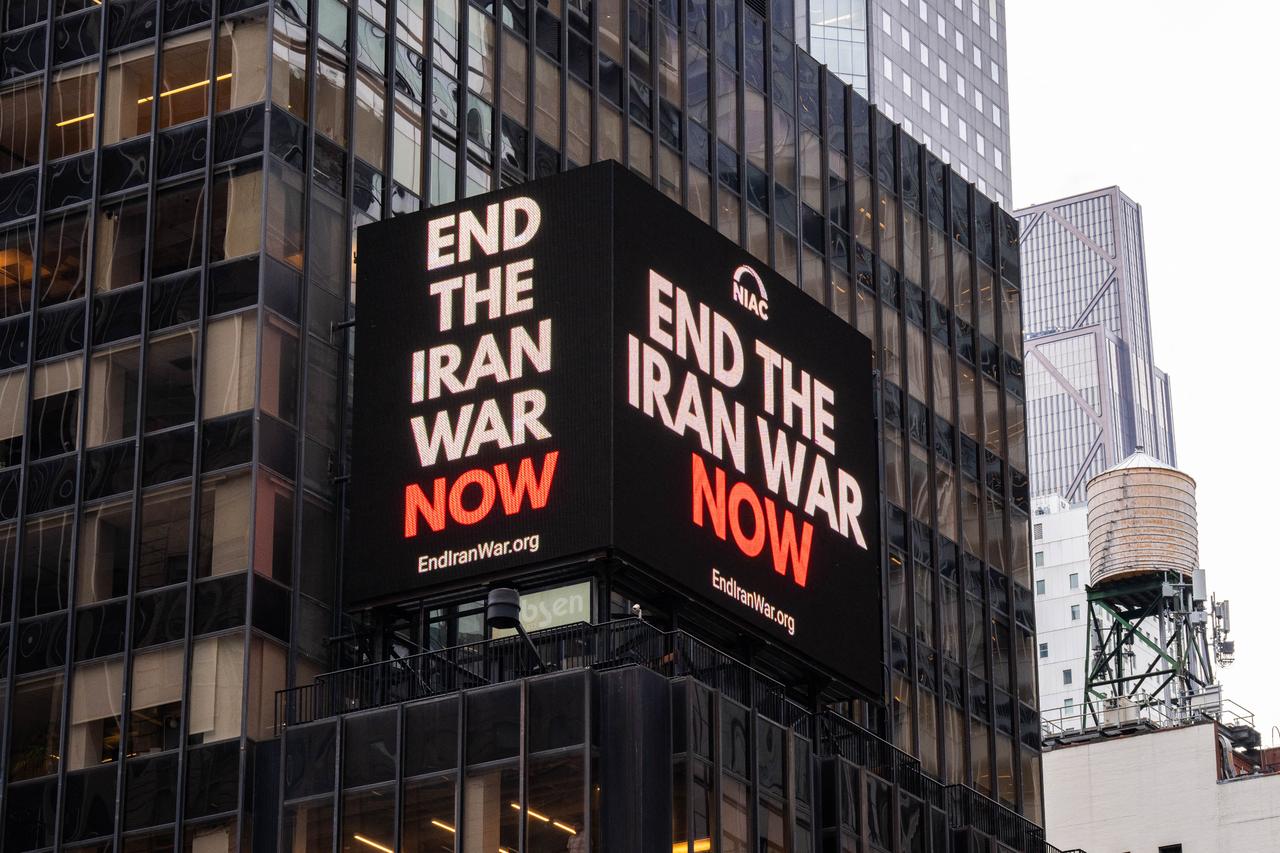


The total cost of the Iran war is nearing $50 billion—approximately twice the public figure provided by the Pentagon in the high-profile House Armed Services Committee hearing this week, U.S. officials familiar with internal assessments said.
The figure was reported by CBS News, which said the higher estimate reflects costs that were not fully included in the Pentagon’s public assessment, including damaged or destroyed military equipment, munitions used during the conflict and damage to U.S. military installations.
The revised estimate is significantly higher than the figure given to lawmakers during the hearing on Capitol Hill.
Jules Hurst, the Pentagon’s acting comptroller, told lawmakers that the Defense Department’s “Operation Epic Fury” had cost about $25 billion so far.
However, U.S. officials familiar with internal assessments said the real cost is closer to $50 billion. CNN first reported that the actual estimate was closer to $40 billion to $50 billion.

According to the CBS News report, the lower Pentagon figure did not fully account for damaged or destroyed equipment or damages to U.S. military installations.
Among the reported losses are 24 MQ-9 Reaper drones, each valued at more than $30 million. The losses underscore how quickly the financial cost of sustained operations has grown.
Much of the gap between the public estimate and the higher internal assessment is linked to munitions that have been used and will need to be replaced.
Hurst told lawmakers that estimating the cost of military construction remains difficult because the U.S. military’s future posture in the region is still uncertain.
“We don’t know what our future posture is going to be or the future construction of those bases,” Hurst said during the testimony, when asked what was included in the $25 billion figure.
The uncertainty includes possible infrastructure repairs and long-term construction projects related to the U.S. conflict with Iran.

The estimate came as Defense Secretary Pete Hegseth and General Dan Caine, chairman of the Joint Chiefs of Staff, appeared before lawmakers to defend the Pentagon’s $1.5 trillion budget request.
Democratic Senator Chris Coons of Delaware questioned whether the $25 billion figure reflected the full cost of the war.
“I am frankly certain that that is low,” Coons said Wednesday, suggesting the estimate did not include the cost of deploying and keeping forces in the region for two months, as well as other expenses.
Mark Cancian, a senior adviser for the Center for Strategic and International Studies’ Defense and Security Department and a former official at the Office of Management and Budget, said munitions are the largest cost in a war of this kind.
But he said there are also other costs, including higher fuel expenses. The Defense Department uses large amounts of fuel for planes, ships and trucks.
Cancian also said the Defense Department is the main department incurring costs from the war, but not the only one. He said the Department of Homeland Security is also likely facing higher costs.
Replacing munitions used in Iran will take time and money, he said, adding that it could take “several years” to return U.S. munitions levels to where they were at the start of the conflict.
The war is also affecting Americans through higher prices, the report said.
During a congressional hearing this week, Democratic Representative Ro Khanna of California asked Hegseth how much the war would cost Americans through higher gas and food prices over the next year.
“Do you know how much it will cost Americans in terms of their increased cost in gas and food over the next year because of Iran?” Khanna asked.
Hegseth did not answer directly.
“I would simply ask you what the cost is of an Iranian nuclear bomb,” Hegseth said, accusing Khanna of “playing gotcha questions about domestic things.”
The right-of-center American Enterprise Institute estimated that higher fuel and fertilizer costs alone would mean an additional $150 per month for each U.S. household.
Cancian said the war is damaging both the U.S. and Iranian economies.
“Things that can’t go on forever, don’t,” he said.
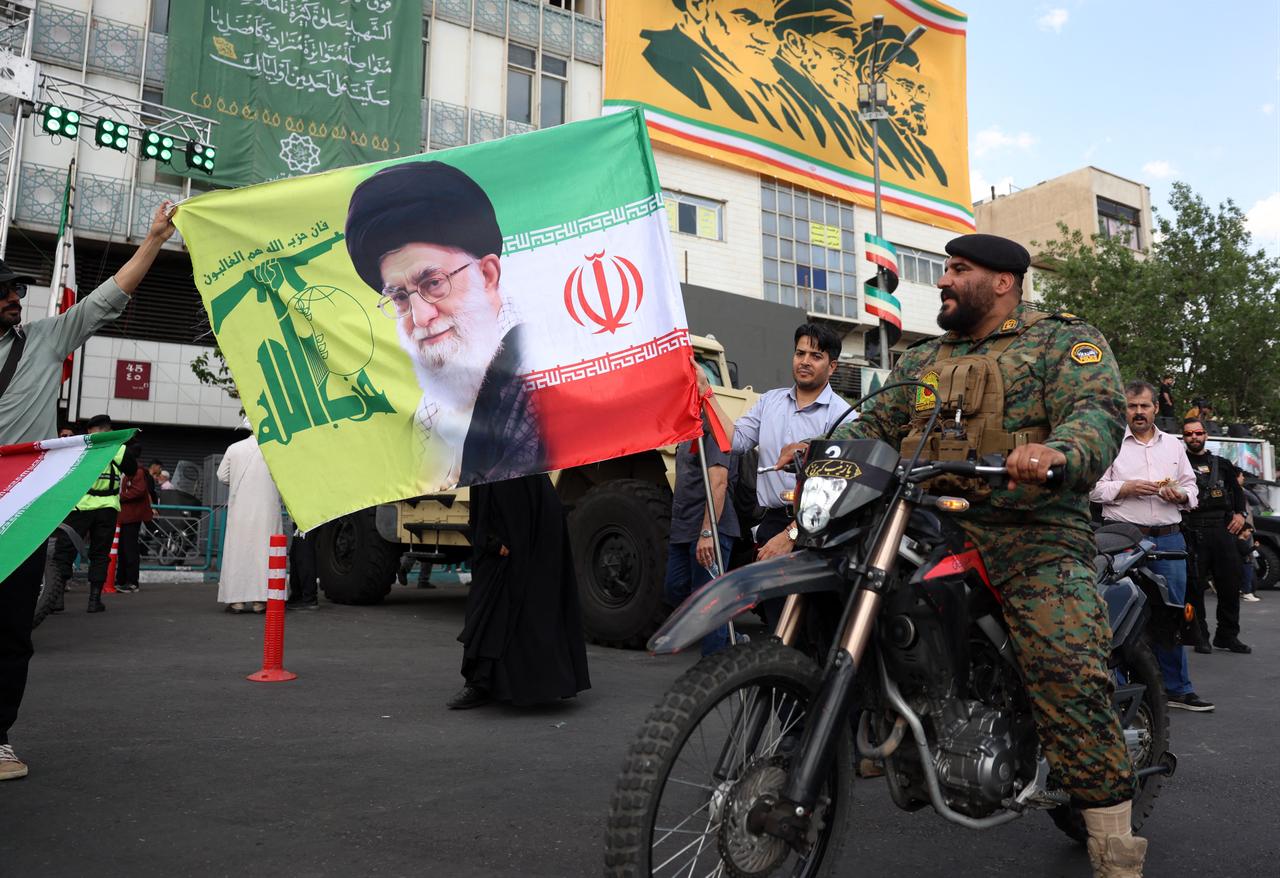
The U.S. and Israel began strikes on Iran on Feb. 28, prompting retaliation from Tehran against U.S. allies in the Gulf and the closure of the Strait of Hormuz.
A ceasefire was announced on April 8 through Pakistani mediation. Talks were later held in Islamabad on April 11-12, but no agreement was reached.
U.S. President Donald Trump later unilaterally extended the truce at Pakistan’s request, without setting a new time frame.


 Set as preferred source
 Set as preferred source


 1 min read
 1 min read