Newsletters


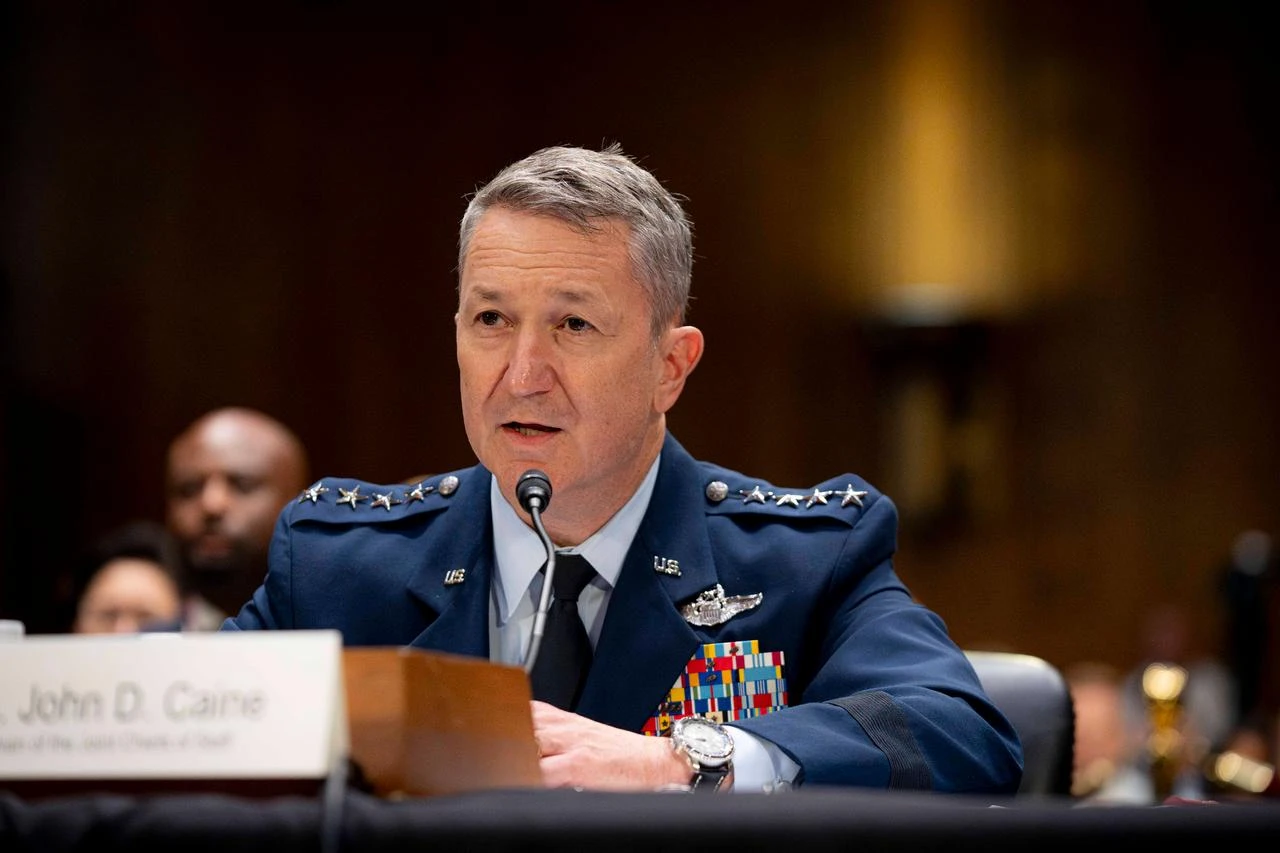


The chairman of the Joint Chiefs of Staff, Gen. Dan Caine, has privately urged senior Trump administration officials to seek a way to de-escalate the war with Iran.
This comes amid concerns that available military options could produce limited results and trigger wider retaliation, CNN reported, citing three sources familiar with the discussions.
"Caine is looking for an off-ramp," one of the sources told CNN.
Caine has discussed concerns about military options for escalating the conflict and raised the prospect of finding an off-ramp from the war with other key Cabinet officials, including CIA Director John Ratcliffe, Secretary of State Marco Rubio, and Vice President JD Vance, two of the sources told CNN.
The top U.S. general has recently side-barred with some of those like-minded advisers in an effort to facilitate interagency coordination and ensure they are on the same page ahead of meetings with the president, aiming to make clear the limitations and pitfalls of the available military options, including those that do not involve deploying ground troops, according to the sources.
"I think it is just his way of protecting the military," one of the sources told CNN, describing Caine's discussions with other top national security officials about the Iran war.
Trump has consistently appeared averse to deploying ground troops in Iran, instead signaling he believes bombing can force Tehran to agree to a deal on his terms.
Caine and others in Trump's Cabinet privately view that outcome as unlikely and have instead sought to develop other options within the president's own parameters, according to multiple sources familiar with recent discussions, CNN reported.
Caine told lawmakers during a public hearing late last month that "airpower has its limits."
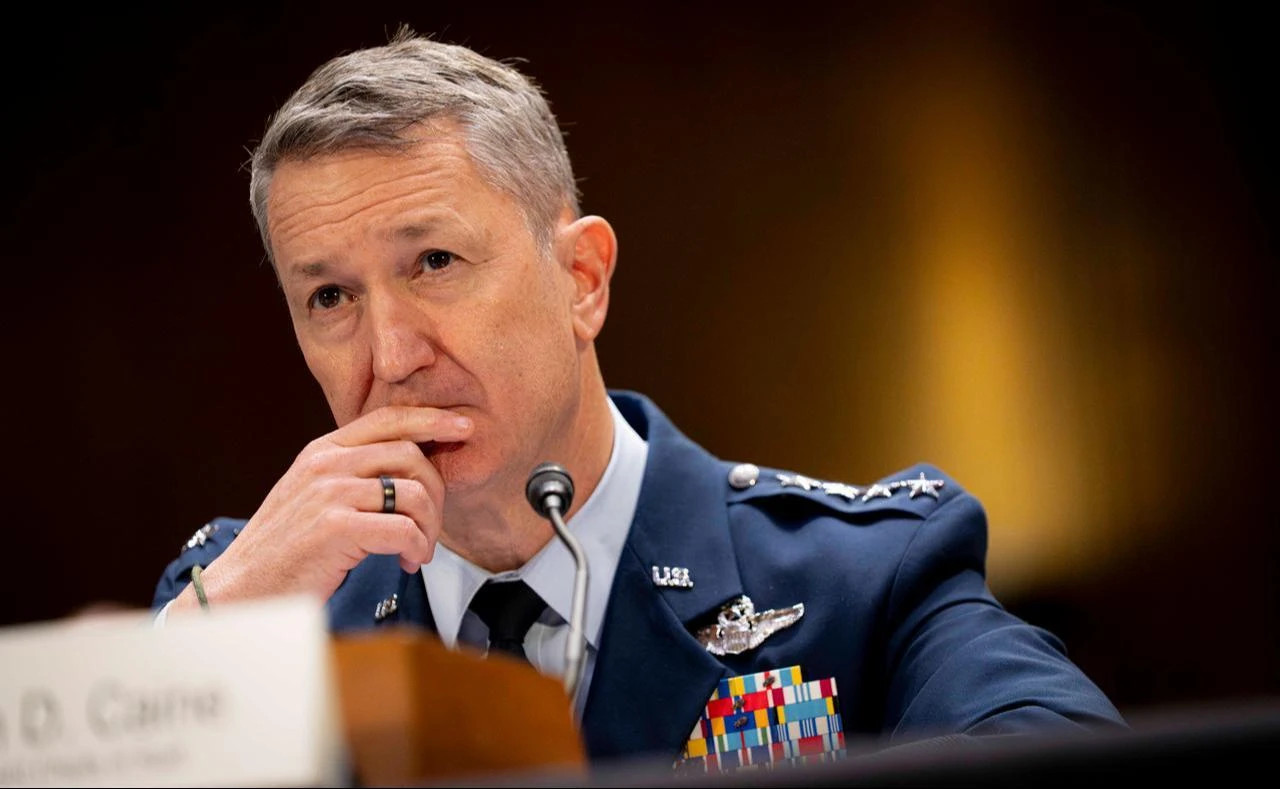

Caine and other Trump officials were wary of a plan discussed in late July to launch new, more aggressive strikes, due to concerns about the likely fallout from escalating the conflict, even as Trump appeared ready to initially approve what he described as a "massive" operation, one source told CNN, declining to elaborate on operational details.
"The only ones in favor of the operation were elements of CENTCOM," the source said, noting that Israel also broadly supported an operation to escalate the conflict.
Trump ultimately decided to hold off after talking with Middle East allies, who told him they feared Iranian retaliation, specifically retaliatory attacks on their energy infrastructure, a senior administration official told CNN.
The official added that the president is not taking the planned strikes off the table for a future date.
Dwindling U.S. stockpiles of key munitions were also a factor, CNN reported. Multiple sources said the concern has been raised not only by Caine but also by Gulf officials, who have recently told administration officials that a shortage of high-end American air defense systems could impact their ability to fend off potential Iranian retaliation if Trump decides to escalate the conflict.
Trump has repeatedly threatened to strike Iran's energy infrastructure, a move sources said is unlikely to force Iran to capitulate, as Caine himself has alluded to publicly, and would almost certainly prompt retaliatory attacks targeting Gulf countries' energy infrastructure.
Several sources said such strikes would also likely further alienate the Iranian population rather than fuel blame toward the government.
Trump has also considered bombing bridges, though that is similarly unlikely to yield productive results, according to a second source.
"There really isn't much else to hit since it is whack-a-mole with drone and missile sites. Bombing powerplants would be publicly a lot more significant," the source said.
Caine is not an outlier.
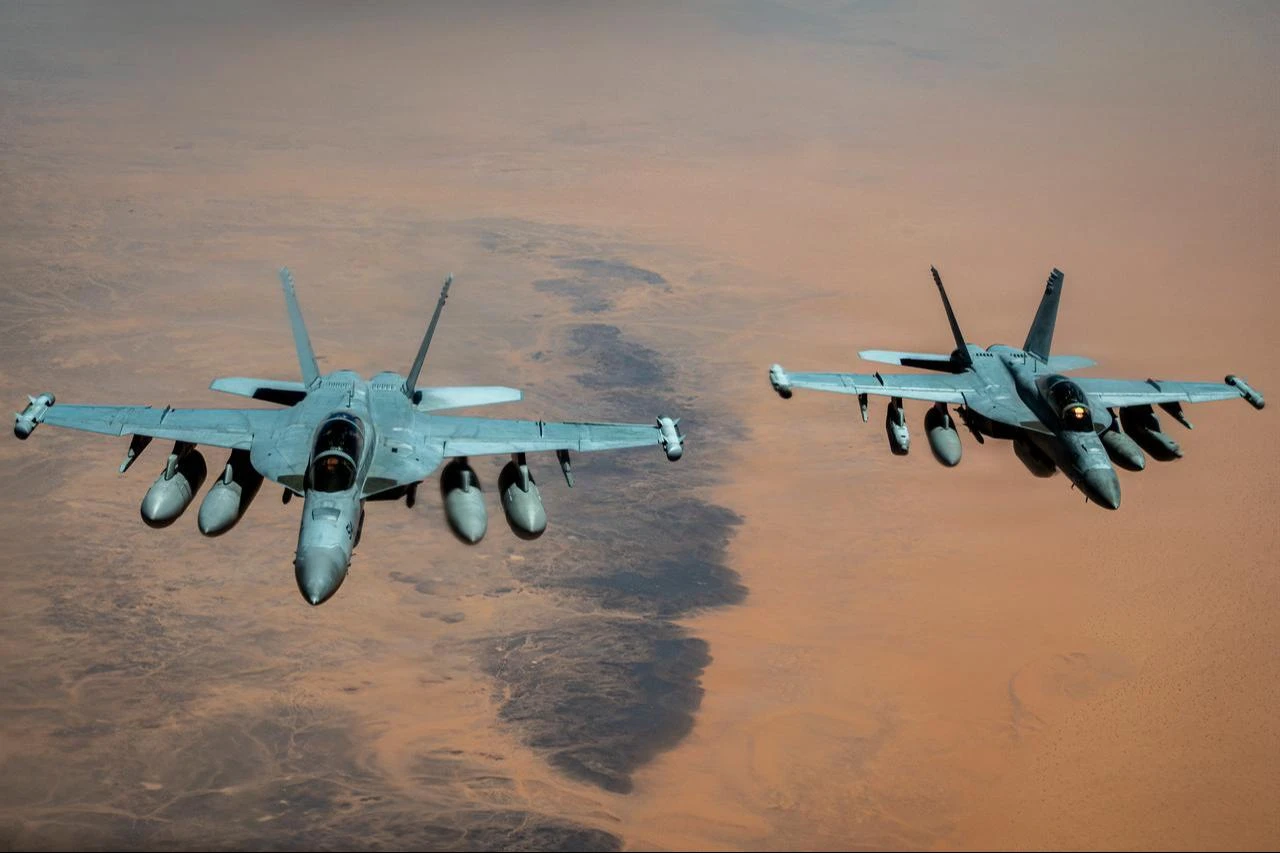
Many within the administration, as well as outside analysts, agree that the only way to decisively defeat Iran would be through a major operation involving ground troops, a commitment that could potentially cost thousands of American lives, CNN reported.
The Pentagon has such plans on file for all scenarios, but as of now, no one in the administration is arguing for that option, according to CNN.
As Caine and others continue working to ensure Trump is aware that less drastic escalatory actions could backfire, the focus has shifted to finding an off-ramp that offers the president at least a "symbolic" win he can present to the American public without foreclosing a potential diplomatic breakthrough, starting with an agreement to reopen the Strait of Hormuz, CNN reported.
As the war approaches the six-month mark, tempered criticism of Caine's approach to the job has resurfaced, along with questions about his relative lack of experience managing an extended conflict.
"He is out of his depth on this one," a source familiar with how Caine is navigating the crisis, both strategically and in managing his relationship with Trump, told CNN.
Trump specifically invoked Caine by name in a pre-war social media post claiming his top military adviser believed the conflict with Iran "will be something easily won."
But even in pre-war meetings at the Pentagon with other senior officials, Caine was vocal about the potential downsides of launching a major operation, raising concerns about the scale, complexity and potential for U.S. casualties, according to sources familiar with his advice cited by CNN.
In response to CNN's request for comment, Caine's spokesperson, Joseph Holstead, said, "We do not discuss the Chairman's confidential conversations with the President, the Secretary, or other senior leaders, nor do we comment on anonymous, agenda-driven characterizations of those conversations by sources who were not privy to them."
A White House official praised Caine's contributions to Trump's national security team, telling CNN: "General Caine is an incredible asset to President Trump's national security team, and the overwhelming success of Operations Epic Fury, Midnight Hammer, and Absolute Resolve speaks for itself."
The official added, "The General always provides accurate, unbiased information and a host of options to the Commander-in-Chief, who ultimately makes decisions based on what he feels is best for U.S. national security.


 Set as preferred source
 Set as preferred source


 1 min read
 1 min read