Newsletters


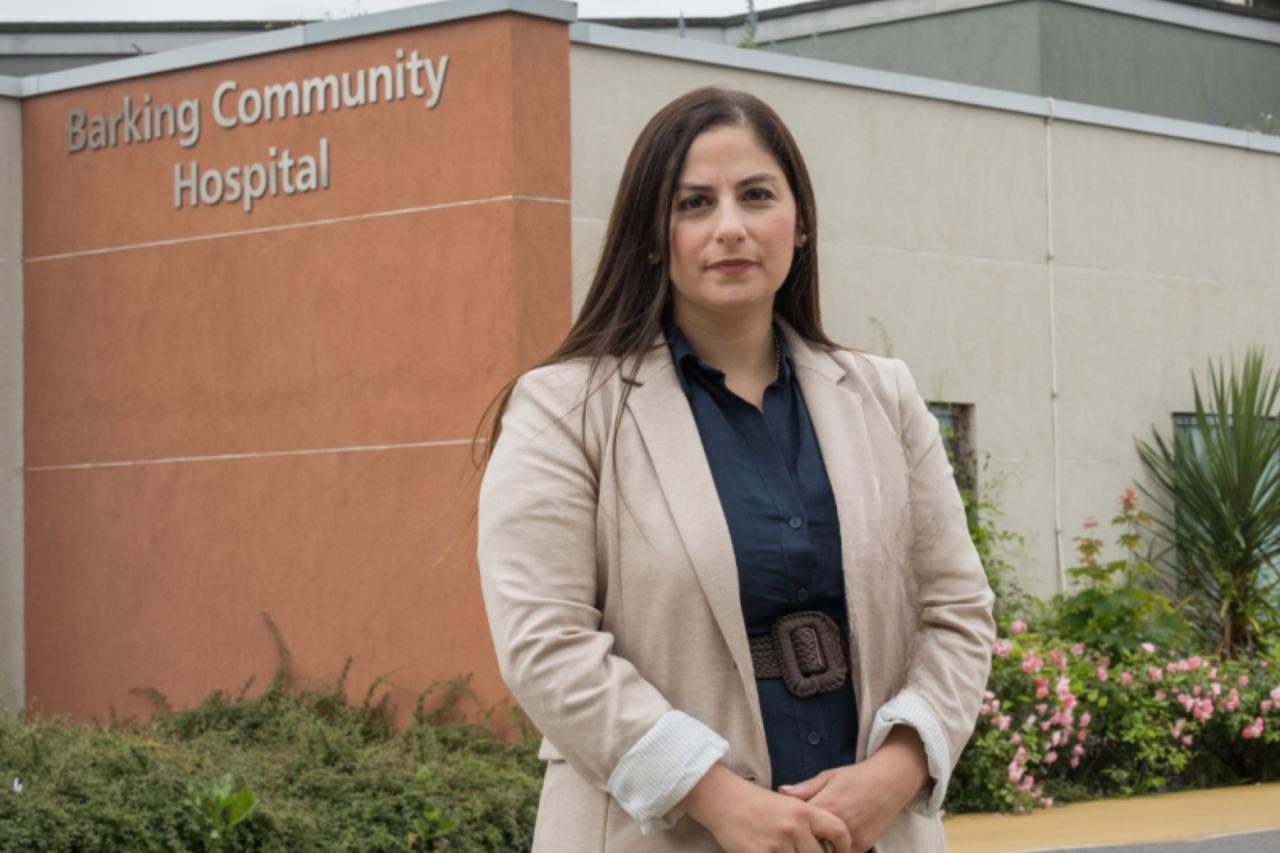


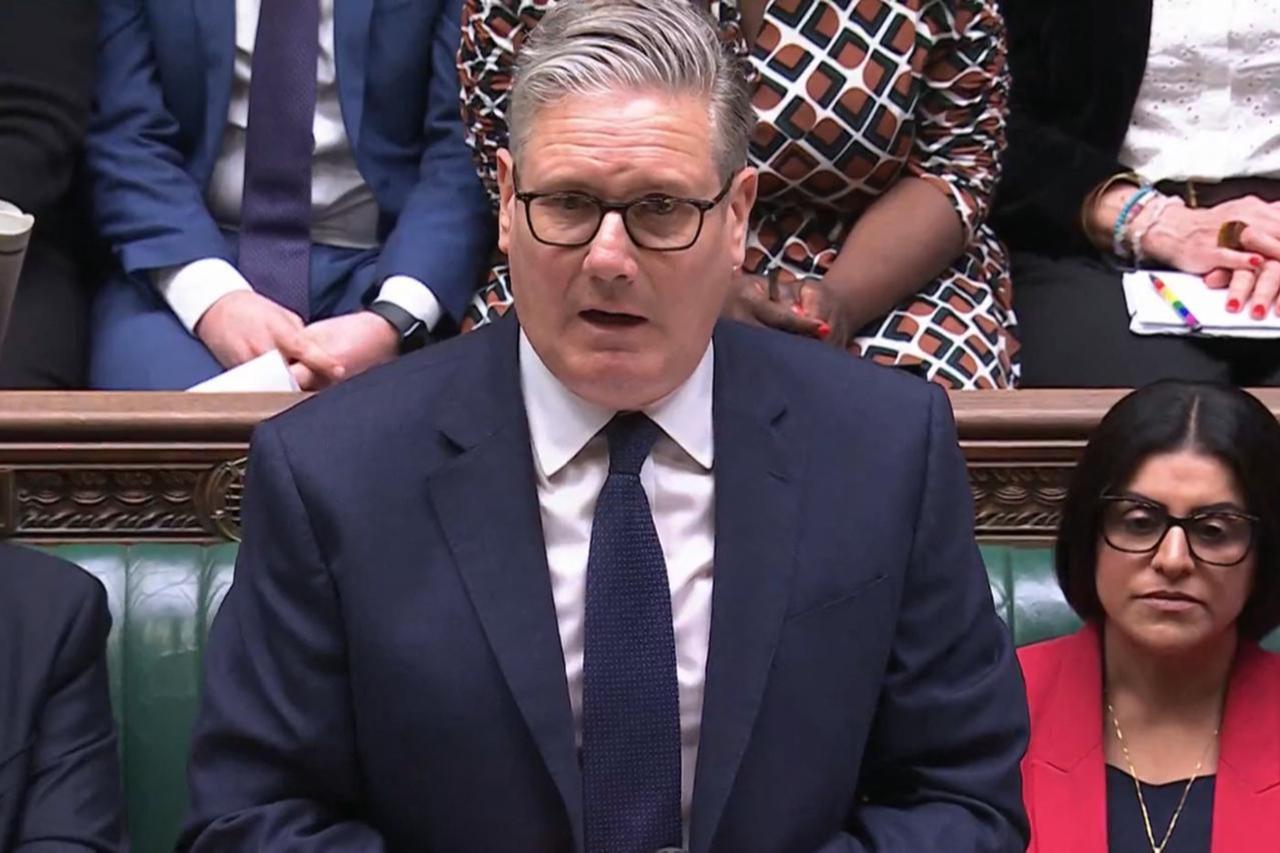
Britain’s King Charles III approved the appointment of several new ministers of state following resignations by government officials who had called on Prime Minister Keir Starmer to step down, with Turkish-origin lawmaker Nesil Caliskan among those appointed.
According to a statement from 10 Downing Street, the king formally approved the appointments after a wave of resignations within the ruling Labour Party.
Under the reshuffle, Barking MP Nesil Caliskan was appointed minister of state at the Ministry of Housing, Communities and Local Government. Her specific portfolio has not yet been announced.
Natalie Fleet was appointed to the Home Office, Catherine Atkinson to the Ministry of Justice and Preet Kaur to the Department of Health and Social Care.
In Britain, ministers of state serve in junior ministerial or deputy minister roles within government departments. They are appointed by the prime minister and formally approved by the monarch.
Born in London in 1988 to a Turkish Cypriot family, Caliskan previously served as mayor of London’s Enfield borough and became the youngest woman elected to the role at the age of 29.
The appointments come after heavy losses for Labour in local and regional elections across Britain earlier this month.
In local elections held across 136 authorities on May 7, the party lost 1,406 of the 2,403 council seats it had previously controlled. In London, it lost control of nine of the 19 councils it had governed.
The far-right Reform U.K. party emerged as one of the biggest winners, increasing its representation from just two seats to 1,444 council seats nationwide.
Labour also suffered major setbacks in devolved parliamentary elections in both Wales and Scotland.
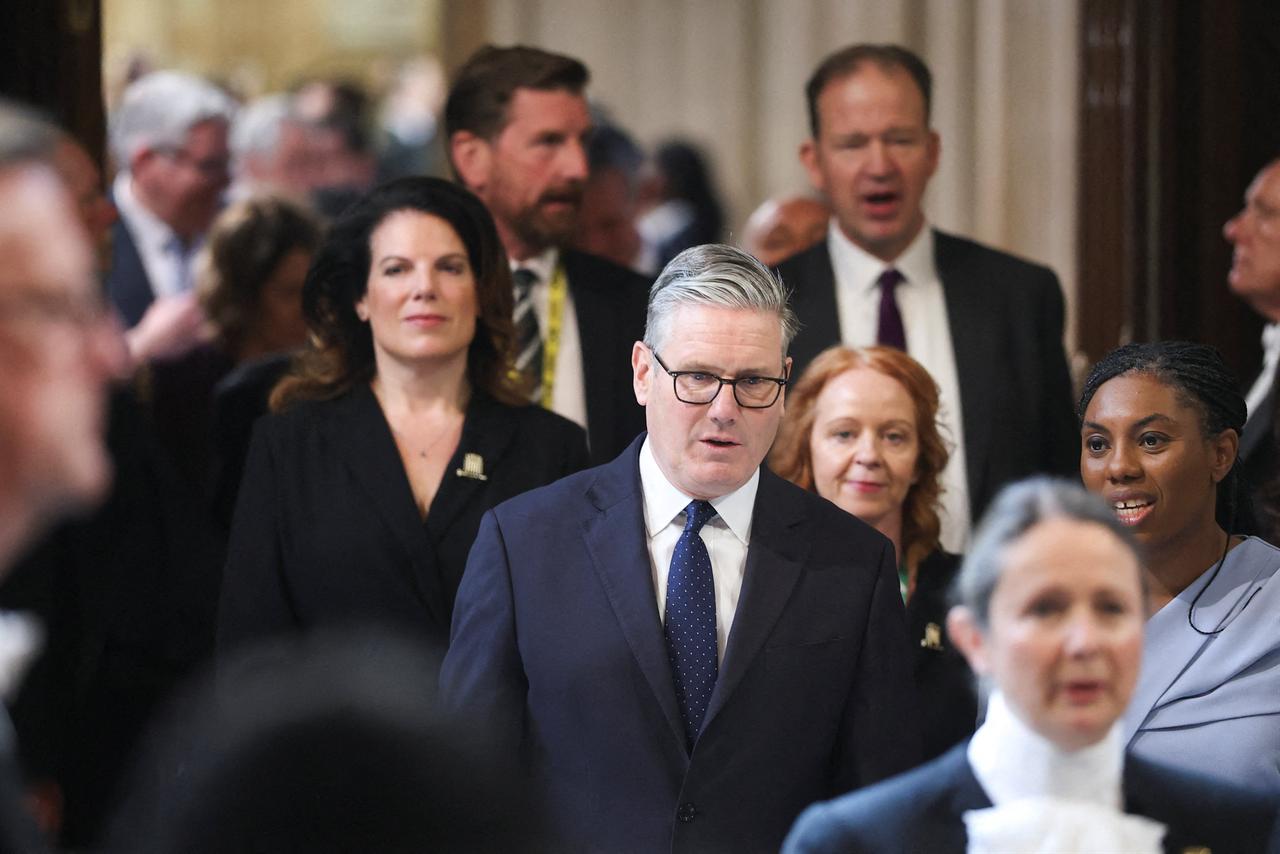

In Scotland, the pro-independence Scottish National Party won for the fifth consecutive time, while Reform U.K. finished second.
In Wales, Labour lost control of the Senedd for the first time in a century, falling behind Plaid Cymru and Reform U.K.
Following the election defeats, 93 Labour lawmakers reportedly called for Starmer’s resignation, while four ministers of state stepped down from their posts.
The election results exposed mounting pressure on Labour from both the political left and right.
Reform U.K., led by Nigel Farage, made major gains in traditional working-class Labour strongholds across northern and central England.
At the same time, Labour also lost support in urban and affluent areas to the Green Party and Liberal Democrats.
In London, Labour lost control of 12 of its 21 councils, with independent candidates making gains in boroughs with large Muslim populations, including Newham, Tower Hamlets and Redbridge.
Many of those candidates campaigned heavily on the Gaza war and criticism of Labour’s position on Israel.
The Green Party made gains in more affluent and highly educated districts, while Reform U.K. advanced in outer London boroughs such as Havering, where it won 39 of 55 council seats.
The elections also highlighted the continued fragmentation of British politics, traditionally dominated by Labour and the Conservative Party.
According to BBC projections, Labour and the Conservatives together are expected to receive just 34% of the vote in England’s local elections, the lowest combined share since comparable estimates began.


 Set as preferred source
 Set as preferred source


 2 min read
 1 min read