Newsletters


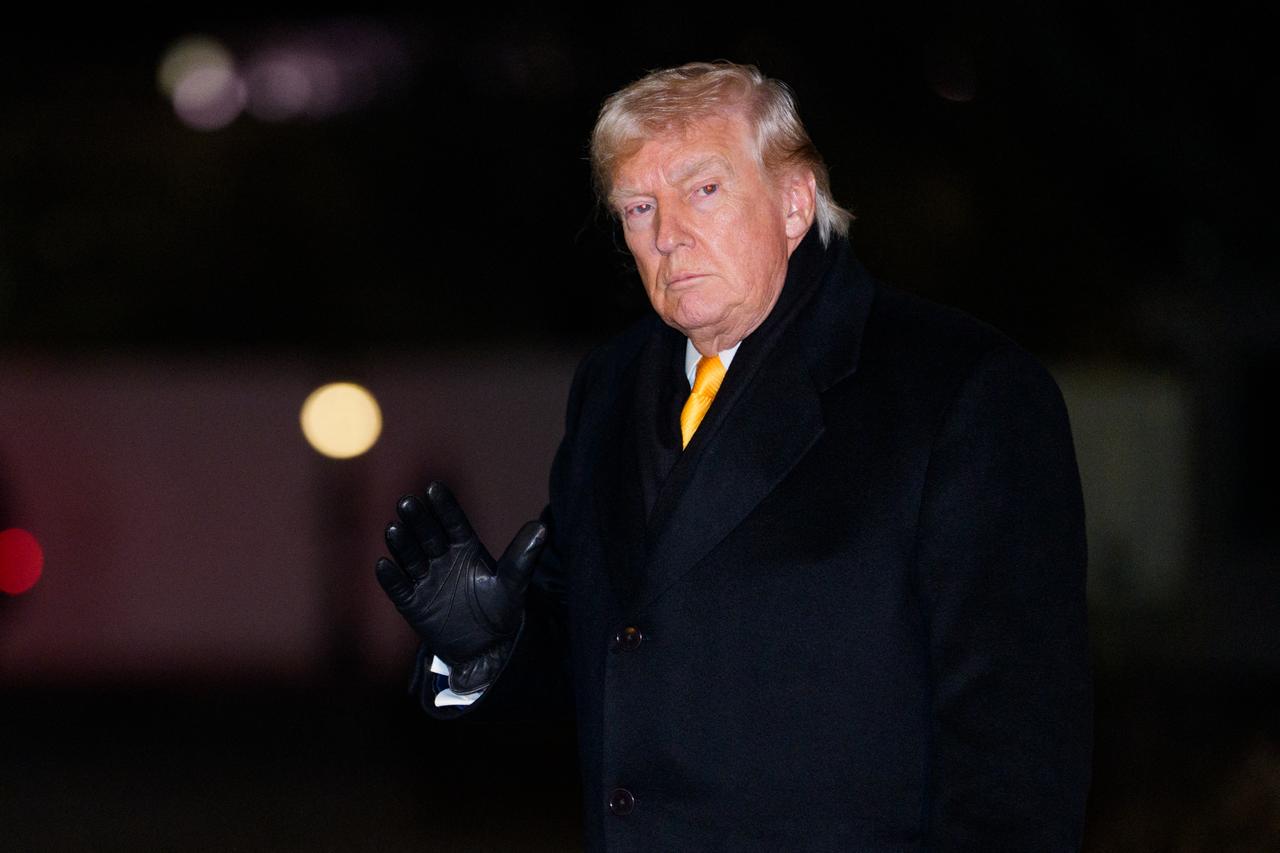


Matthew Whitaker, the U.S. ambassador to NATO, on Monday rejected claims that Washington is dismantling the international order, dismissing warnings raised in a report by the Munich Security Conference.
Speaking at a panel discussion in Berlin held to assess the report’s findings, Whitaker said concerns about a dangerous shift in U.S. foreign policy under the Trump administration were unfounded.
“I completely reject everything I just heard. I don’t see a world under destruction,” Whitaker said. “We are not trying to destroy anything. We are trying to make it sustainable, to make it work.”
Whitaker reiterated U.S. commitments to European security and said the Trump administration wants European countries to assume greater responsibility and share the burden within NATO.
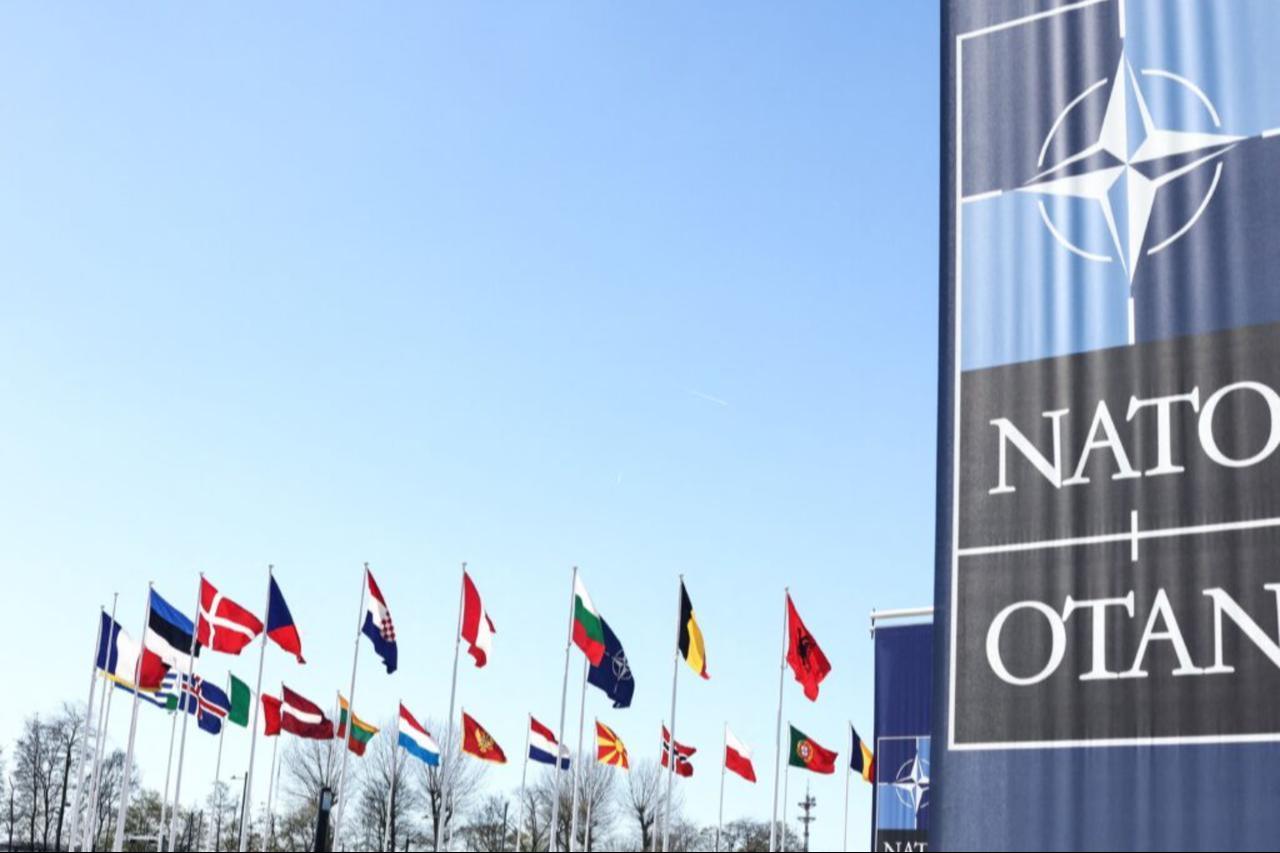
“We’re not trying to dismantle NATO,” he said. “We’re trying to make NATO stronger, not to withdraw or reject NATO but make it work like it was intended, as an alliance of 32 strong and capable allies.”

The Munich Security Conference report, released Monday and titled “Under Destruction,” warned that U.S. President Donald Trump’s so-called “bulldozer” politics are destroying the international order and paving the way for a world shaped by wealthy powers and regional hegemons.
The report argued that the postwar international order shaped by the U.S. over more than 80 years is collapsing due to Trump administration policies, with profound implications for crises and conflicts worldwide.
According to the authors, the Trump administration believes the system established after World War II, based on universal rules, international organizations and cooperation among liberal democracies, no longer serves U.S. interests.
The report also said Europe should step up efforts to develop its defense capabilities amid growing unpredictability in Trump’s foreign policy and doubts over Washington’s commitment to NATO and European security.
The report’s findings are set to be discussed at the 62nd Munich Security Conference, which begins Friday.
Organizers said more than 200 senior government representatives from around 120 countries are expected to attend, including over 60 heads of state and government, more than 65 foreign ministers, over 30 defense ministers and senior officials from more than 40 international organizations.


 Set as preferred source
 Set as preferred source


 2 min read
 1 min read