Sign in
 Newsletters


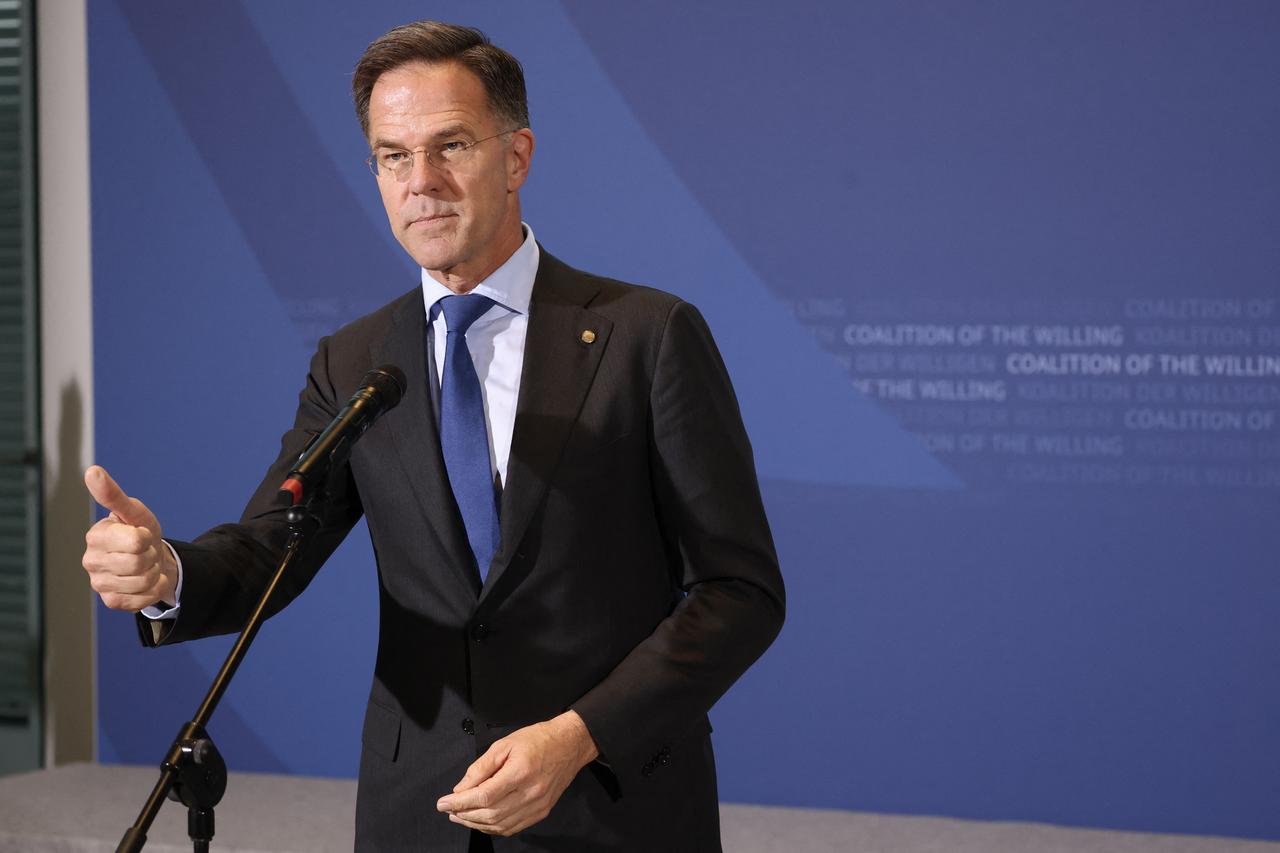


NATO Secretary-General Mark Rutte stated Monday that Türkiye plays an important role both on the alliance's southern flank and in its relations with Asia, as he warned allies of "intensifying malign activities" by Russia and urged faster defense investment.
"Because of its geographical position, Türkiye is located on the alliance's easternmost flank. It serves as an important bridge connecting us to Asian countries. Therefore, Türkiye plays an important role both on the southern flank and in relations with Asia," Rutte said, answering a question from the Turkish delegation at the NATO Parliamentary Assembly's annual session in Berlin.
NATO is working with Romania, Bulgaria and Türkiye on serious developments in the Black Sea, where Türkiye is playing "a very positive role" and continues to support Romania and Bulgaria, he said.
"I can assure you that General Grynkewich is working very closely with your defense chiefs and defense ministers to counter this threat together with Türkiye. But I cannot tell you everything," he said, referring to NATO's Supreme Allied Commander Europe (SACEUR).
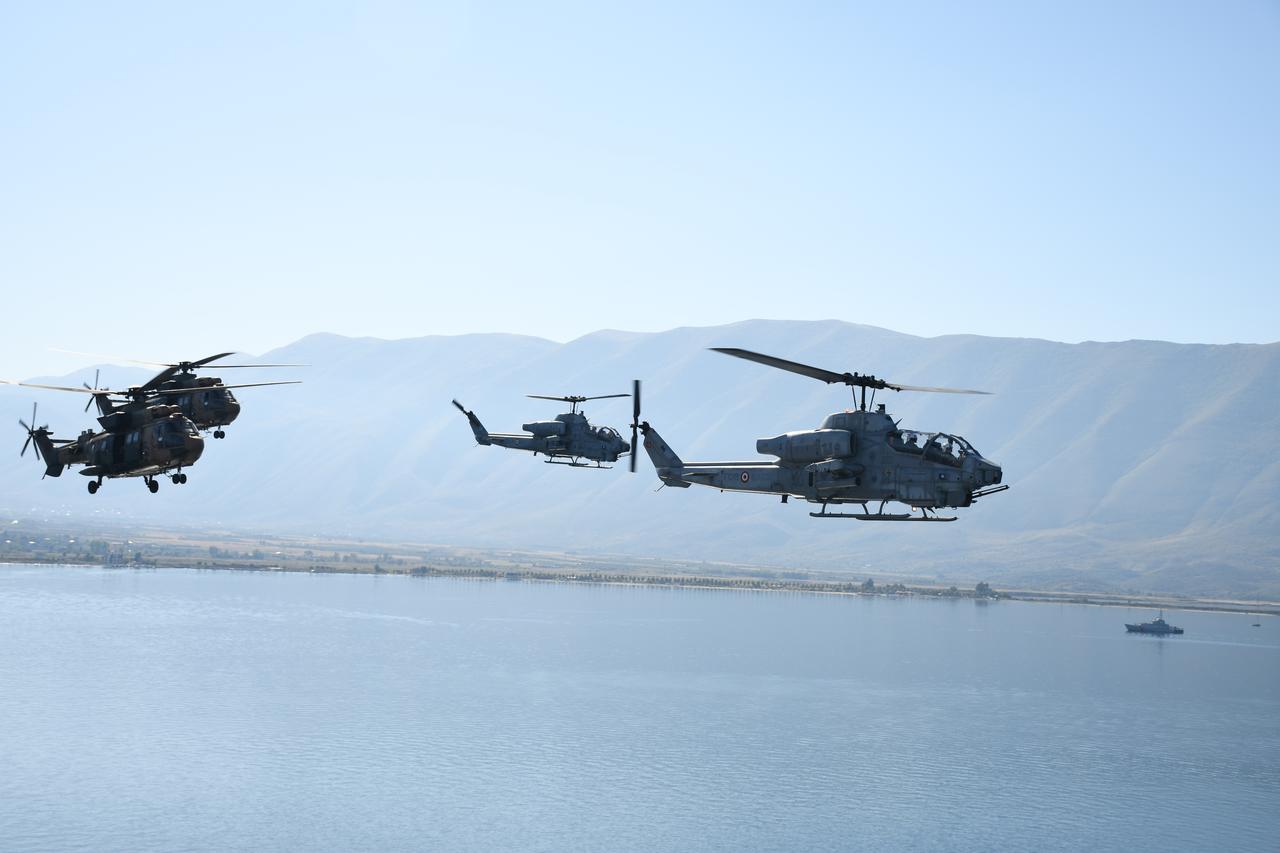

"At the Hague Summit, all the commitments were made. But in Ankara, we almost physically saw billions of euros of investments and new contracts for major defense procurement come to life," Rutte said.
"In Ankara, we showed what we can achieve when we act together. Now let us continue delivering results together," he added.
He said several allies are projected to meet or exceed NATO's 5% defense spending target this year, and the alliance would be able to produce about 4 million artillery shells a year by next year, nearly double the 2025 level.
On the U.S. review of its force posture, Rutte said he understood it.
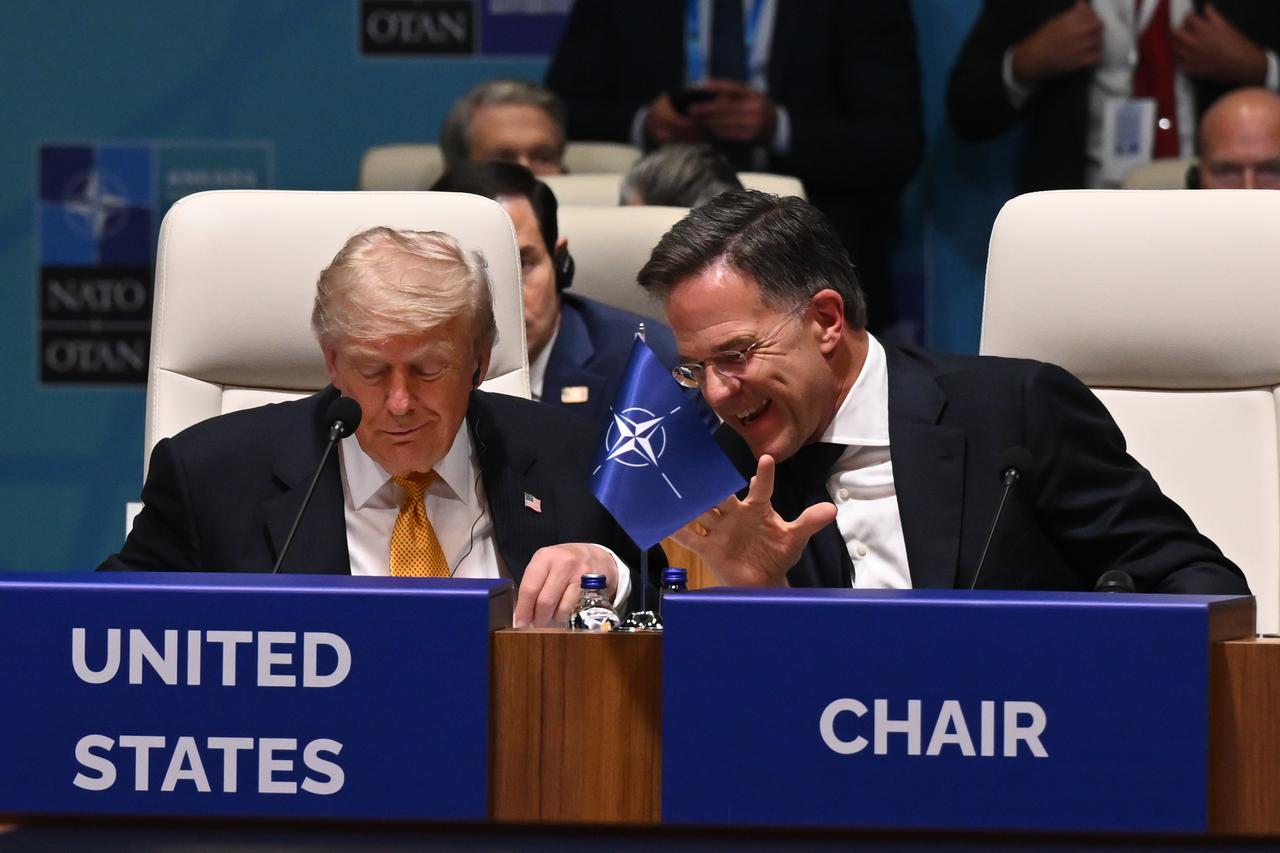
"But with 600 million people living in European NATO territory, it is a bit strange that we are so overly dependent on a country of 340 million, eight hours' flight away, to defend ourselves against Russia with 140 million. This is not sustainable in the long term," he said.
"One day, it can be in the form of an arson attack against a factory or drones disrupting an airport. The next, it is sabotaged railways or cargo vessels targeted at sea, and cyberattacks. These cyberattacks at the moment are relentless," Rutte said.
"We are all targeted, and we are all affected," he noted.
"Russia's war machine is running at full capacity. Its war economy keeps growing, and when the war against Ukraine hopefully ends one day, this machine will not stop," he said, citing Russia's close cooperation with Iran, China and North Korea.
The first line of defense against hybrid attacks must be national, he said. "If their freezers become the target of a hybrid attack, the first thing they should do should not be calling the government, but taking measures so the freezers keep working next time," he said of companies.
On Friday's missile incident in Poland, Rutte said: "The incident is of Russian origin. Whether it was deliberate, of course, authorities must decide. I never speculate."
"We will always defend every inch of our NATO territory," German Foreign Minister Johann Wadephul said, noting, "So Mr. Putin, make no mistake, we are a defensive alliance, but we are ready to defend us and our countries and our alliance."
He said Germany's bilateral military support for Ukraine would be about €11.6 billion ($12.6 billion) in 2027. "We are not in war, but we are certainly not in peace anymore either," he said.
Rutte said the Washington Summit commitment to Ukraine's "irreversible" path to NATO still stands, but "not only the U.S. but some other allies have reservations at this stage."
"If NATO membership is not possible, Ukraine needs strong security guarantees backed by the U.S.," he said, calling Russia's 2021 demands to roll NATO back to 1997 positions unacceptable.
"Only the allies decide" on deployments, he said.
Ukrainian President Volodymyr Zelenskyy told the assembly by video: "Wouldn't it be more effective to simply bring Ukraine into NATO? Wouldn't that be better for all of us, for everyone? Cheaper to put in place? And more reliable when it comes to actually protecting security?"
"Which countries will support Ukraine if Ukraine is attacked again? What exactly will our partners do in response? Which troops will be stationed on our territory in advance?" he asked of proposed Article 5-like guarantees. "So far, we have not heard clear, specific answers."


 Set as preferred source
 Set as preferred source


 1 min read

 1 min read