Newsletters




German philosopher Immanuel Kant spent a lifetime thinking about perpetual peace. He never left his hometown of Konigsberg. Today that city is called Kaliningrad, a heavily militarized Russian exclave bristling with missiles, and it has become one of the most dangerous flashpoints in Europe.
At the end of World War II, Konigsberg was transferred from Germany to the Soviet Union and renamed Kaliningrad in 1946, after Soviet revolutionary Mikhail Kalinin. Following a population change, it became Russian territory.
Today, Kaliningrad is no longer mentioned in connection with Kant, but rather in the context of a potential new Russian threat in Europe, with the Baltic region emerging as a possible new front following the war in Ukraine.
At the end of September, Russia sent a note to NATO accusing it of attempting to isolate Kaliningrad from the rest of Russia and warning that, in such a scenario, it would use the entire arsenal of forces and capabilities at its disposal, including nuclear weapons.
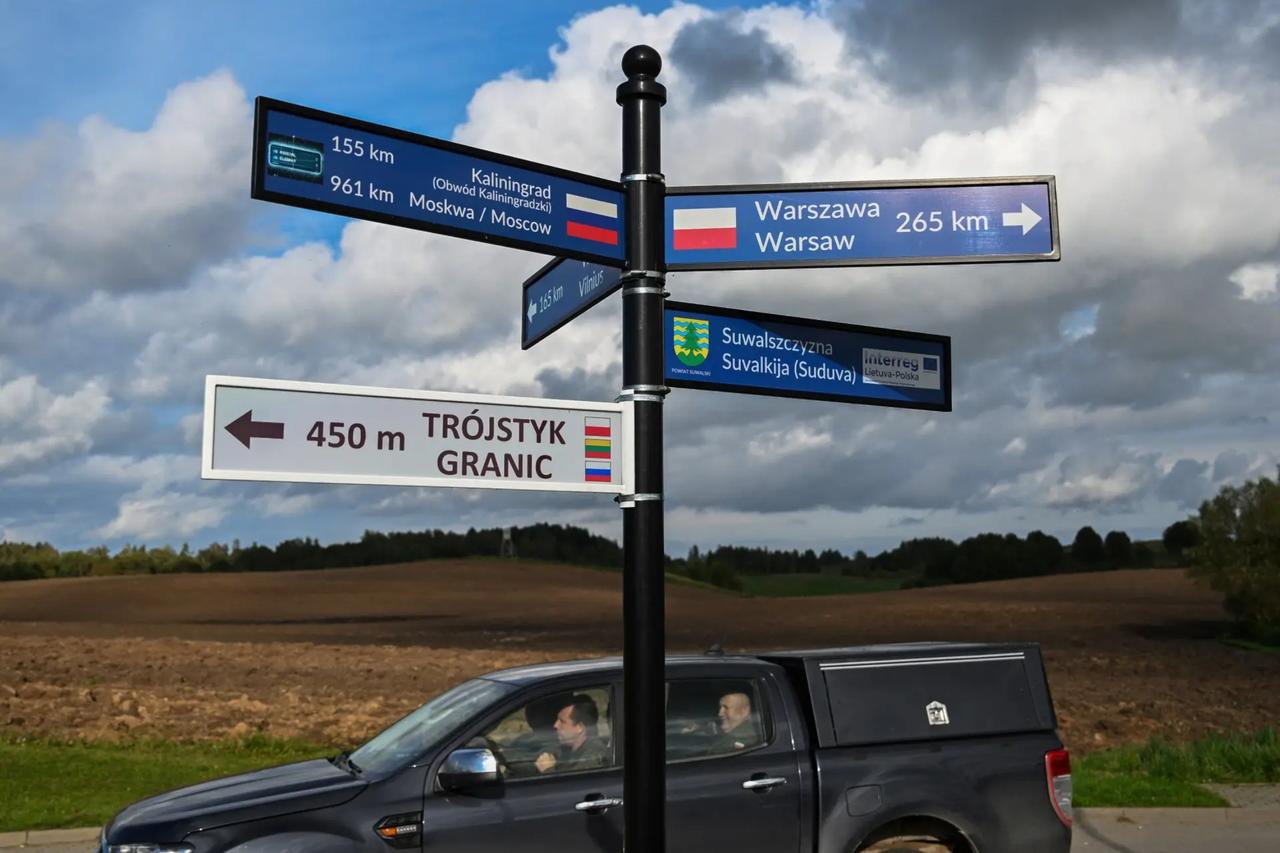
Putin reiterated the same threat at a conference shortly afterward. These statements brought renewed attention to this heavily militarized Russian exclave on the Baltic coast, wedged between Poland and Lithuania.

After the Cold War, the Baltic states regained independence, and Poland joined NATO in 1999, followed by Estonia, Latvia and Lithuania in 2004.
Surrounded by NATO members, Kaliningrad became a forward bastion for Russia in the Euro-Atlantic area, hosting air-defense systems, missiles and naval forces that extend Moscow’s reach into northern and central Europe.
Since Russia invaded Ukraine in 2022, Poland and the Baltic states have rearmed, while Finland and Sweden have joined NATO.
Kaliningrad is now surrounded by the alliance, potentially making it vulnerable in a conflict. Regional military activity by NATO members, including a recent U.S. exercise near the exclave and the Suwałki Corridor, has added to tensions and prompted renewed Russian nuclear threats.
Kaliningrad has long been a source of concern due to its role as a hub for Russia’s Baltic Fleet and its missile and air-defense systems. Western intelligence services have also suspected that Russia may station nuclear weapons there, while suspected sabotage of undersea cables has further heightened longstanding concerns about Russian hybrid warfare in the Baltic Sea.
Since Russia’s full-scale invasion of Ukraine in 2022, the Baltic states have been particularly concerned about the Russian threat.
Intelligence reports have warned that Moscow could stage a “provocation” in the Baltic states or Poland within the next few years, potentially using cyberattacks or a limited incursion to test NATO’s cohesion and commitment to Article 5.
Of course, the perception of a growing Russian threat to European countries is also fueled by regular Russian drone incursions and violations of European airspace, as well as an increase in cyberattacks across Europe.
With small populations, limited territory and proximity to Russia and Belarus, the Baltic states lack “strategic depth”: losing territory in an attack could make it extremely difficult to recover. Their defense strategy therefore focuses on preventing an enemy advance.
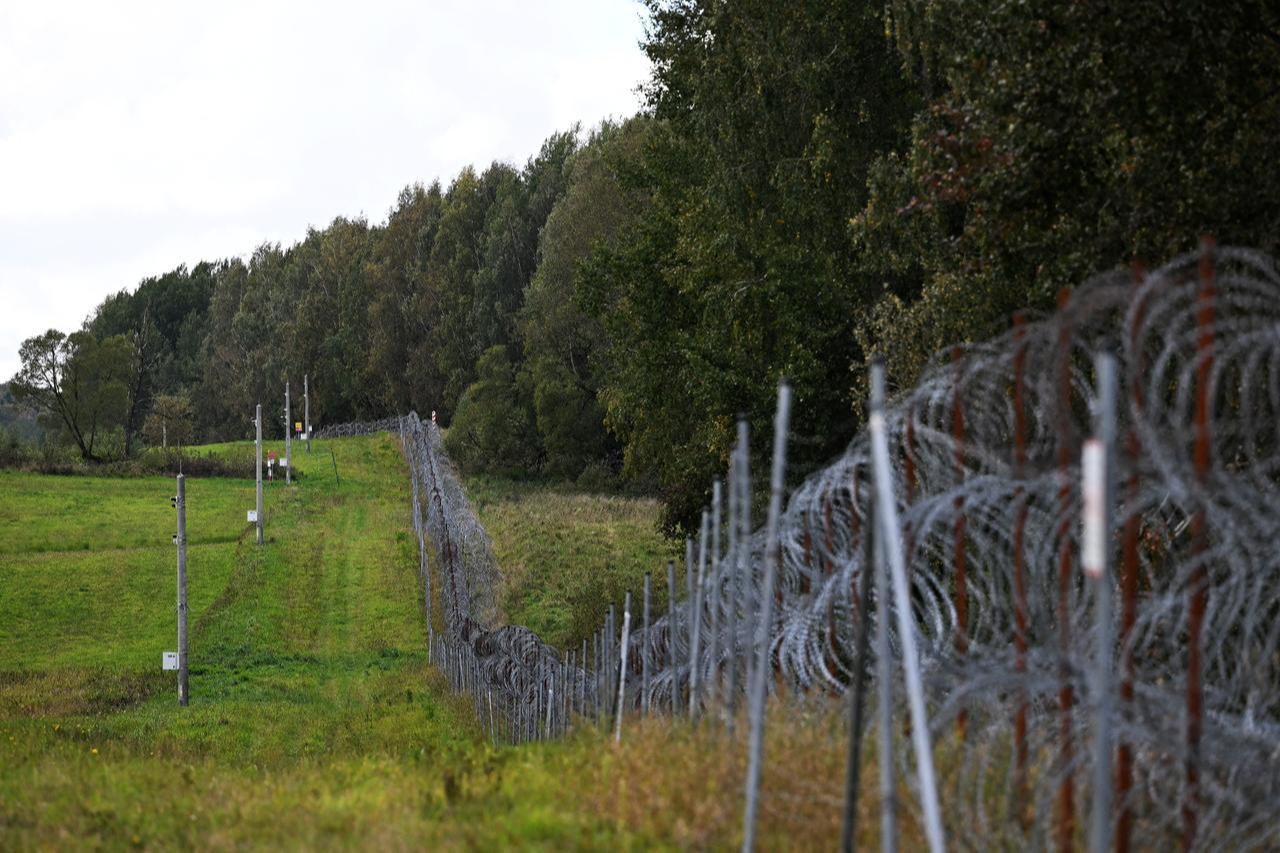
Estonia, Latvia and Lithuania established the Baltic Defence Line in 2024, installing anti-tank ditches, concrete blocks known as “dragon’s teeth,” barbed wire and bunkers to deter a potential Russian or Belarusian attack.
Over the past two years, all three Baltic states have withdrawn from the Ottawa Treaty, which prohibits anti-personnel mines, to enable them to incorporate such mines into the Baltic Defence Line.
Russia never signed the treaty and has used anti-personnel mines in its full-scale invasion of Ukraine.
Over the past four years, the Baltic states have stepped up their defense spending and preparations for war.
By 2025, the Baltic states were spending 3.4%–4% of gross domestic product (GDP) on defense, among NATO’s highest rates after Poland. All three plan to raise defense spending to at least 5% of GDP from 2026.
Lithuania’s parliament is also considering a proposal to lift the constitutional ban on stationing nuclear weapons and foreign military bases on its territory. Moreover, the country has introduced a new evacuation plan for Vilnius, located just 40 kilometers (24.85 miles) from the Belarusian border.
NATO has also strengthened its eastern flank by preparing to expand its battlegroups in the Baltic states and Poland to brigade size, deploying additional multinational forces elsewhere in Eastern Europe, and establishing a permanent German brigade in Lithuania, expected to become operational in 2027.
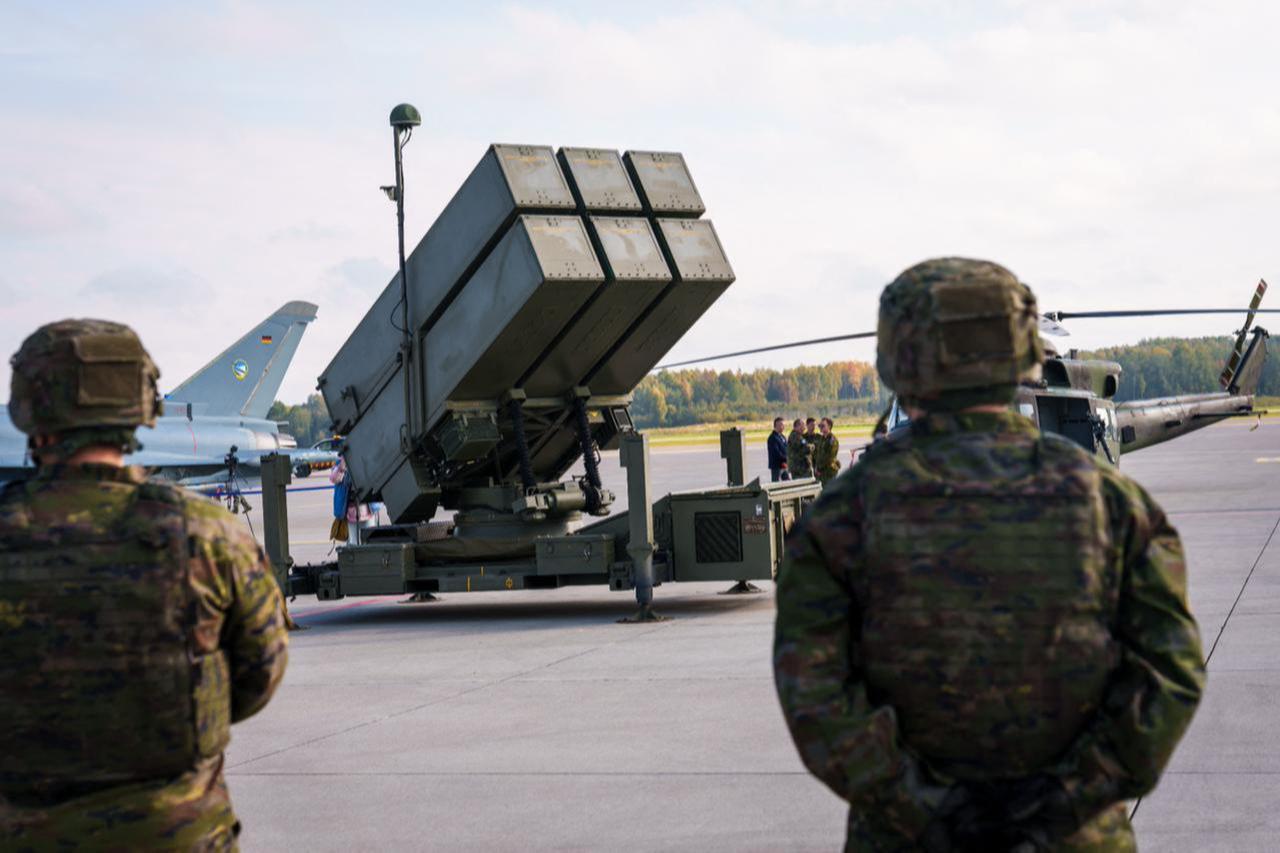
NATO has also launched Eastern Sentry to monitor its eastern flank following Russian drone incursions into allied airspace and Baltic Sentry to protect undersea infrastructure. It is further strengthening regional air and missile defense.
Despite all these preparations, the Baltic states would rely on reinforcements from their allies in the event of a war because of their small populations, limited resources and limited air-defense capabilities. However, Russia’s anti-access/area-denial capabilities in the Baltic region would make it harder for NATO to reinforce its forces via the Baltic Sea and the Suwałki Corridor—the land route connecting Poland and Lithuania and separating Kaliningrad from Belarus. These capabilities would also make it more difficult for allied forces in the region to concentrate, manoeuvre and sustain ground operations.
At its narrowest, the Suwałki Corridor is just 65 kilometers wide. A Russian advance could sever the Baltic states’ land connection to their NATO allies, while control of the corridor would also affect Russian movements between Belarus and Kaliningrad. Securing troop movements and supply routes through the area would therefore be crucial in any conflict.
 2 min read

Russia knows that NATO has no intention of isolating Kaliningrad unless a new war initiated by Russia breaks out in the region. There is a strong likelihood that Russia’s nuclear threats, like those it has issued in the past, are a bluff.
For now, Russia aims to intimidate.
Although Russia has transferred many of its forces from Kaliningrad to fight in Ukraine, it could rebuild its military capabilities after the war.
Some analysts warn that Russia could be ready for another attack within two to three years, making Kaliningrad a potential Baltic flashpoint. The year 2030 is often identified as a particularly dangerous one, especially given Russia’s plans to modernize and expand its armed forces by then.
Regardless of the level of preparedness, the most important factor influencing the course of a potential war will ultimately be the response of NATO and the United States: Will NATO’s Article 5 be invoked? Will the United States stand alongside Europe in the event of Russian aggression? And if the United States fails to provide support, will Europe be able to supply the military strength and equipment necessary to protect the Baltic states?


 Set as preferred source
 Set as preferred source


 1 min read