Newsletters


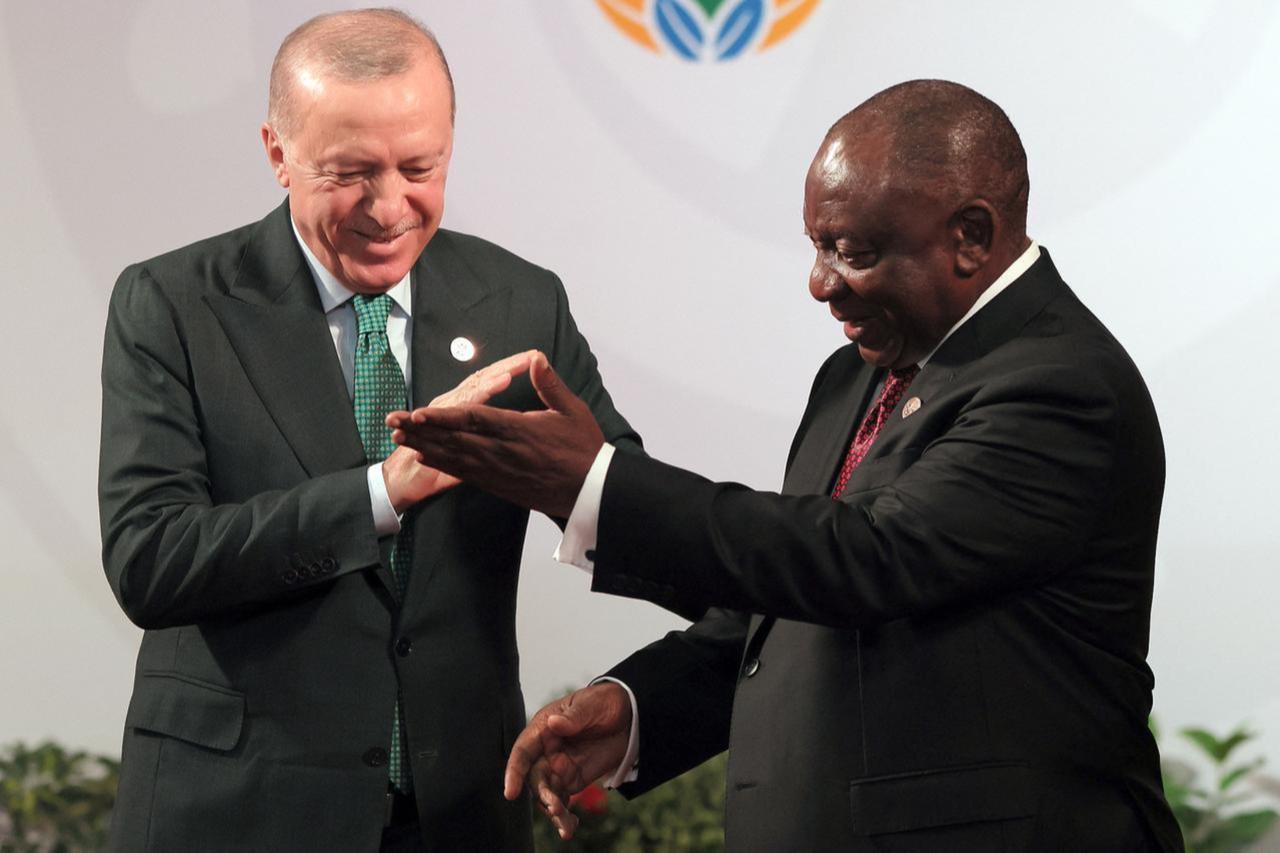


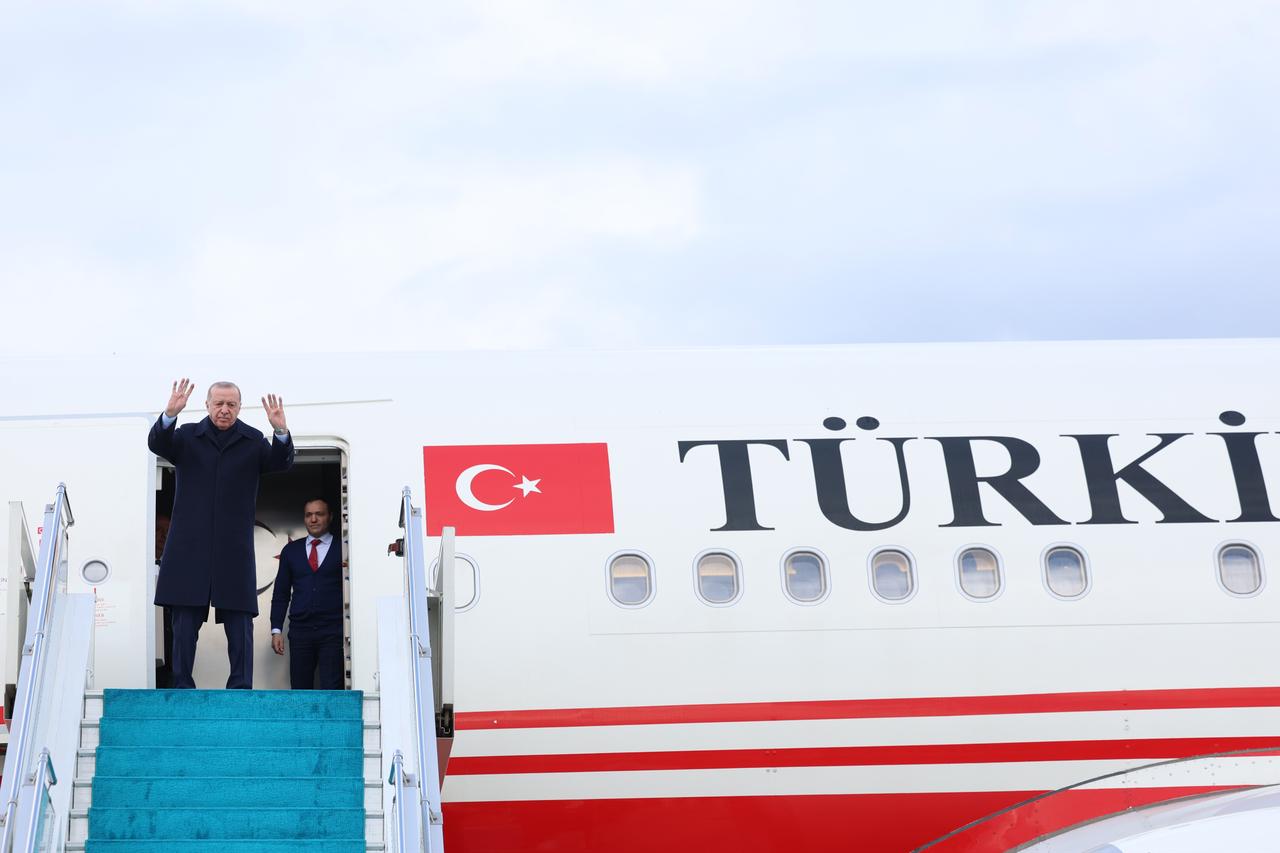
Türkiye’s engagement in the Horn of Africa reflects a partnership model based on field realities, diplomatic balance and capacity building, a researcher said ahead of President Recep Tayyip Erdogan’s visit to Ethiopia.
Dr. Tunc Demirtas, a researcher at the Foundation for Political, Economic and Social Research and author of “From Policy to Practice: Türkiye-Africa Relations,” said maintaining high-level contacts with Ethiopia shows Ankara’s approach goes beyond expanding bilateral ties and aims to support stability while addressing economic and security issues together.
He described Erdogan’s visit as a strategic threshold demonstrating both the current level of Türkiye-Africa relations and their potential depth.
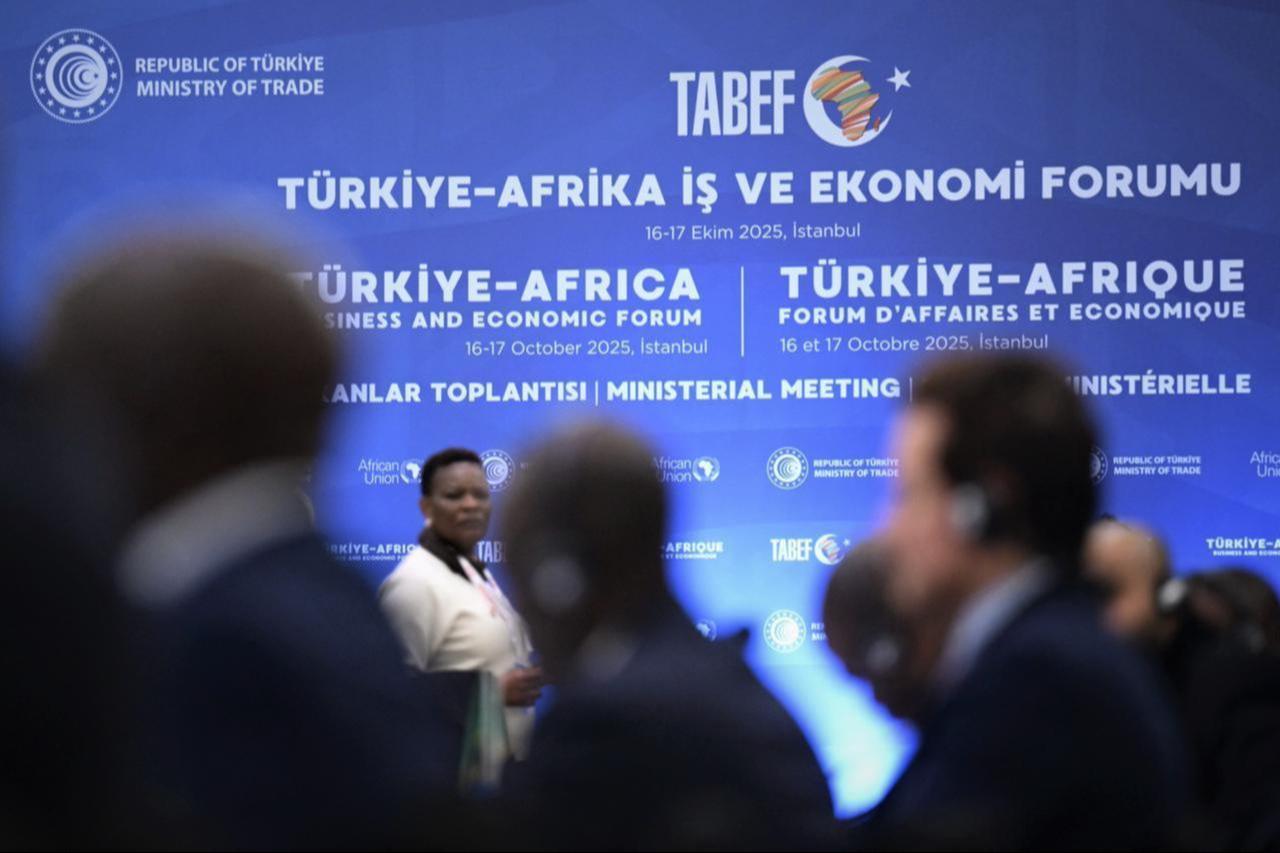

Demirtas said Türkiye’s Africa policy has evolved over the past 15 years from visit diplomacy into an institutionalized partnership model on the ground.
He said the continent is viewed not merely as a commercial market but as a strategic partnership area based on long-term stability, development and mutual benefit.
“Today, Türkiye’s Africa agenda advances along a multilayered line that brings together humanitarian diplomacy, development projects, education-cultural cooperation and security capacity building within the same framework,” he said.
Demirtas said Türkiye positions itself not as a crisis-time actor but as a partner investing in institutional capacity to reduce crises, citing cooperation in health, education, disaster management and public institutions.
He said Somalia holds a special place, noting that Erdogan’s 2011 visit symbolized Türkiye’s role, while the lasting impact came through building an institutional relationship architecture combining humanitarian aid, development, security capacity building and state institutionalization.
Although Somalia’s problems are not fully resolved, he said its shift toward reconstruction and international positioning highlights Türkiye’s contribution.
He added that Türkiye’s approach in Sudan combines humanitarian response with diplomatic engagement aimed at peace and stability.
In the Sahel region, including Niger, Mali and Burkina Faso, he said Türkiye’s military diplomacy and defense cooperation extend beyond equipment supply to training, maintenance, institutional coordination and sustainable local capacity building.
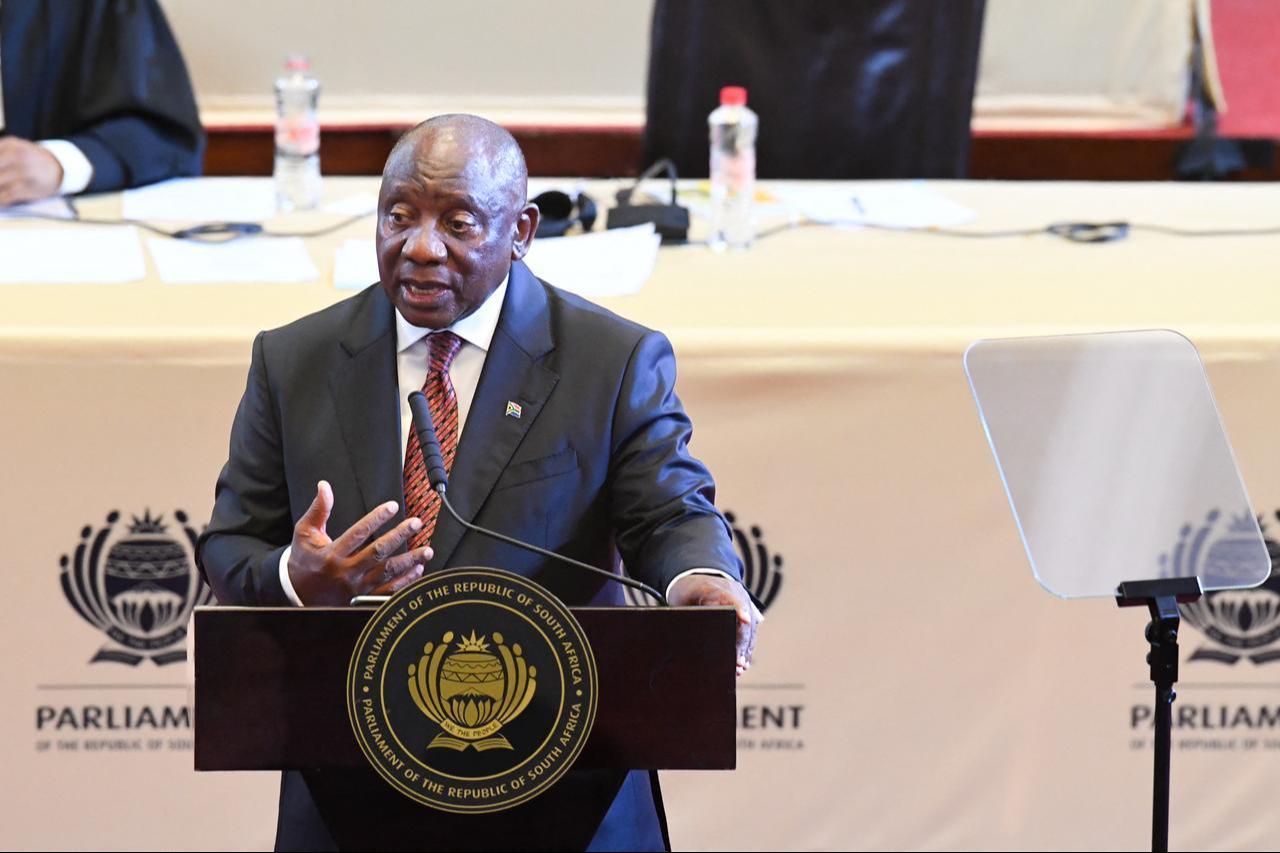
Demirtas said continuity in cultural and humanitarian diplomacy strengthens the durability of Türkiye’s relations in Africa.
He said these initiatives show Türkiye generates impact not only through strategic interests but also through social ties and cultural engagement.
“The visibility of soft power elements strengthens the perception of partnership and carries Türkiye’s diplomatic presence in Africa to a more legitimate and sustainable ground,” he said.


 Set as preferred source
 Set as preferred source


 1 min read

 1 min read