Newsletters


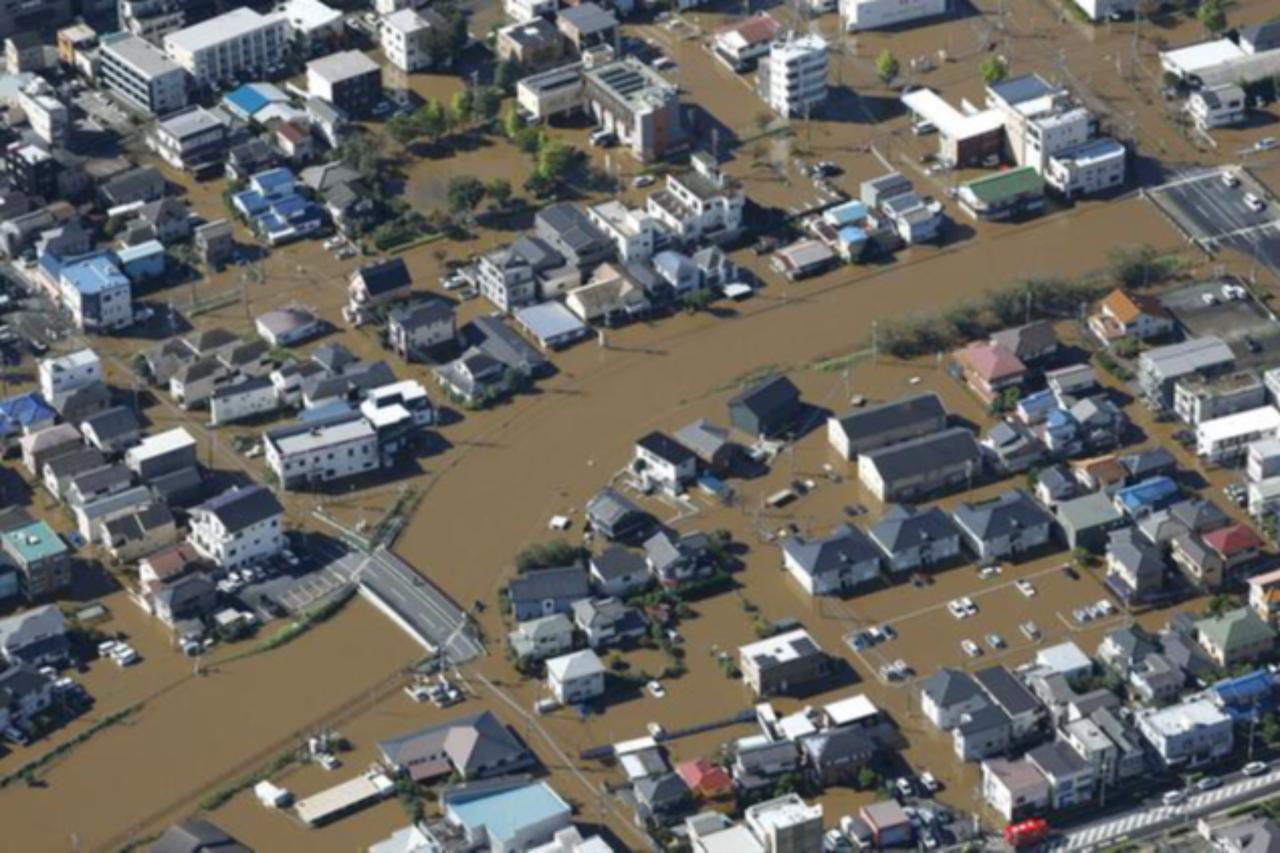


The death toll from Typhoon Dujuan climbed to nine on Wednesday, as rescue crews in eastern Japan continued searching for four people still unaccounted for following one of the region's most destructive storms in recent memory.
Kyodo News, citing local authorities, reported that a woman's body was recovered in Kanagawa prefecture, while a man was found dead inside a submerged vehicle in neighboring Chiba prefecture, east of Tokyo. Of the nine confirmed fatalities, six occurred in Chiba and three in Kanagawa.
The updated toll marks an increase from earlier reports Tuesday, when authorities said seven people had died and five remained missing after the typhoon tore through the greater Tokyo area, unleashing landslides and severe flooding.
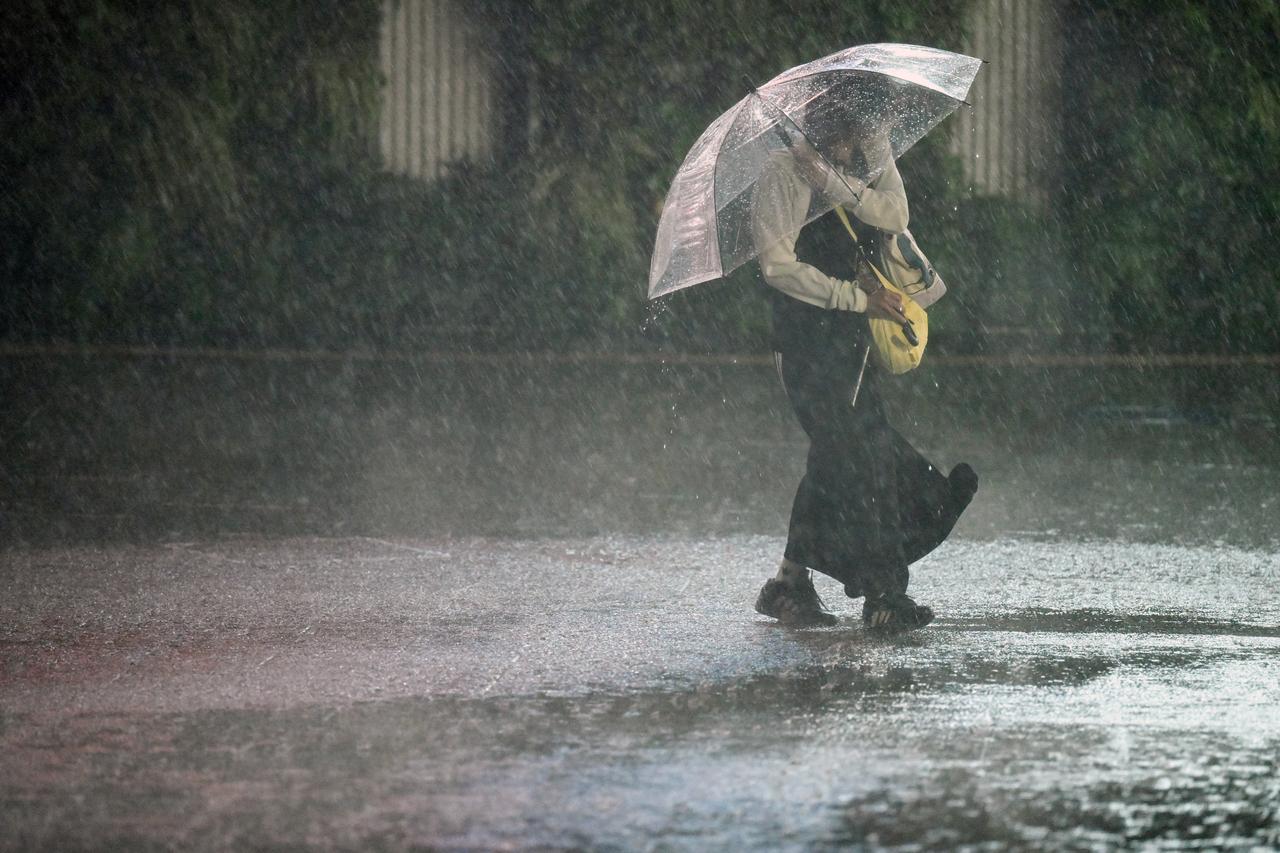

Dujuan struck as it passed along Japan's Pacific coast, cutting power to roughly 58,000 households in Chiba early Tuesday. The timing was particularly disruptive, arriving in the middle of Japan's "Silver Week" holiday period and forcing organizers to shut down one of the world's largest video game trade fairs in Tokyo ahead of schedule.
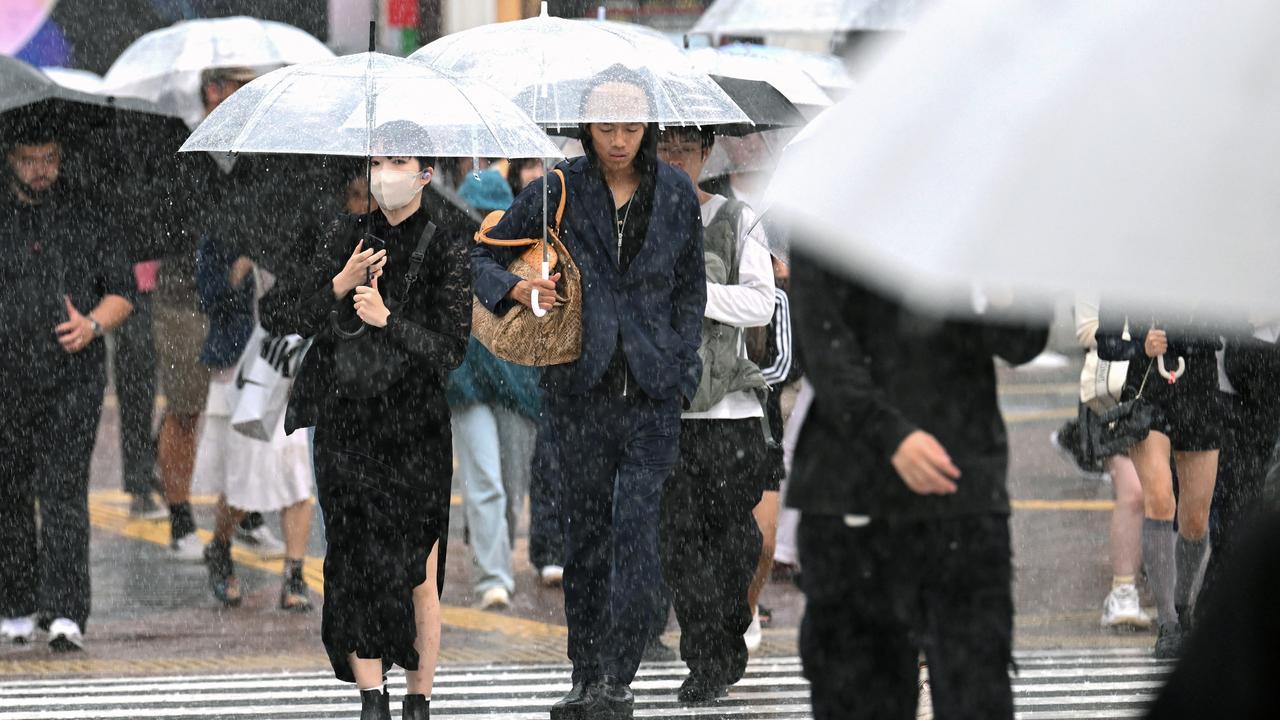
The rainfall totals were extraordinary. On Oshima, an island roughly 120 kilometers south of central Tokyo, 832 millimeters of rain fell over 48 hours — more than double the island's typical rainfall for the entire month of September, according to public broadcaster NHK. In Tokyo itself, Edogawa Ward recorded 282.5 millimeters of rain in a single 24-hour period, a new record for the area.
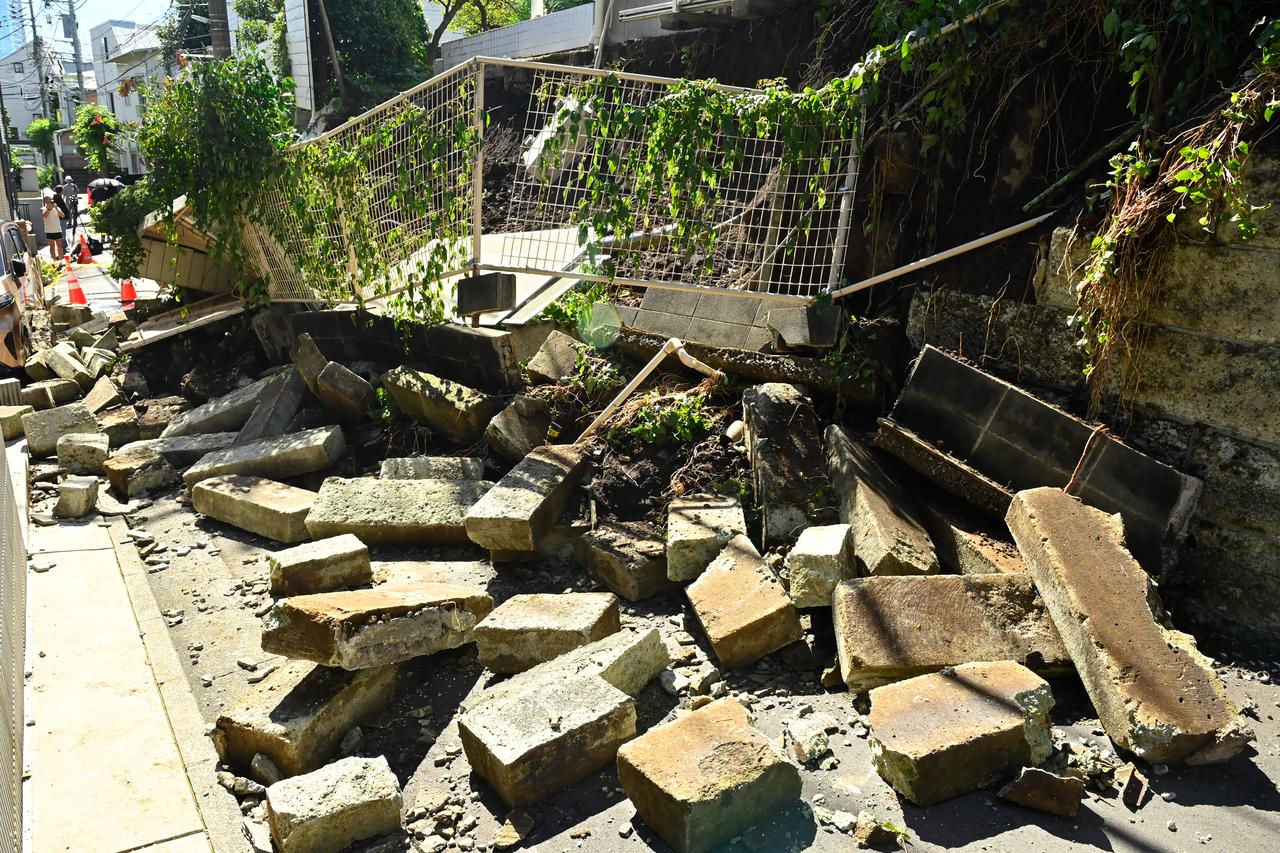
That deluge triggered the landslides responsible for many of the deaths and disappearances, as saturated hillsides gave way across the region.
Chiba prefecture was hit especially hard, a blow made worse by the fact that the area had already endured flooding and heavy rain in August and early September. The back-to-back disasters left local infrastructure and drainage systems with little time to recover before Dujuan arrived.
By Tuesday morning, the storm had moved out over the Pacific and was later downgraded from typhoon status, according to Japan's weather agency, as cited by Kyodo.
But the damage left behind continued to unfold in the days that followed, with the rising death toll underscoring how dangerous the storm's aftermath remained even after it had weakened.
Japan typically experiences powerful typhoons in the late summer and early autumn months, and this season has been no exception — other storms have already disrupted events at the Asian Games being hosted in the country.
Scientists point to a broader trend behind storms like Dujuan: human-driven climate change is intensifying the risk of extreme rainfall, since a warmer atmosphere is capable of holding, and ultimately releasing, significantly more water.
Events like Dujuan's record-breaking downpours are consistent with that pattern, adding urgency to questions about how flood-prone regions like Chiba can better prepare for increasingly severe rainfall events in the years ahead.
As of Wednesday, search operations for the four missing individuals were ongoing.


 Set as preferred source
 Set as preferred source


 1 min read
 1 min read