Newsletters


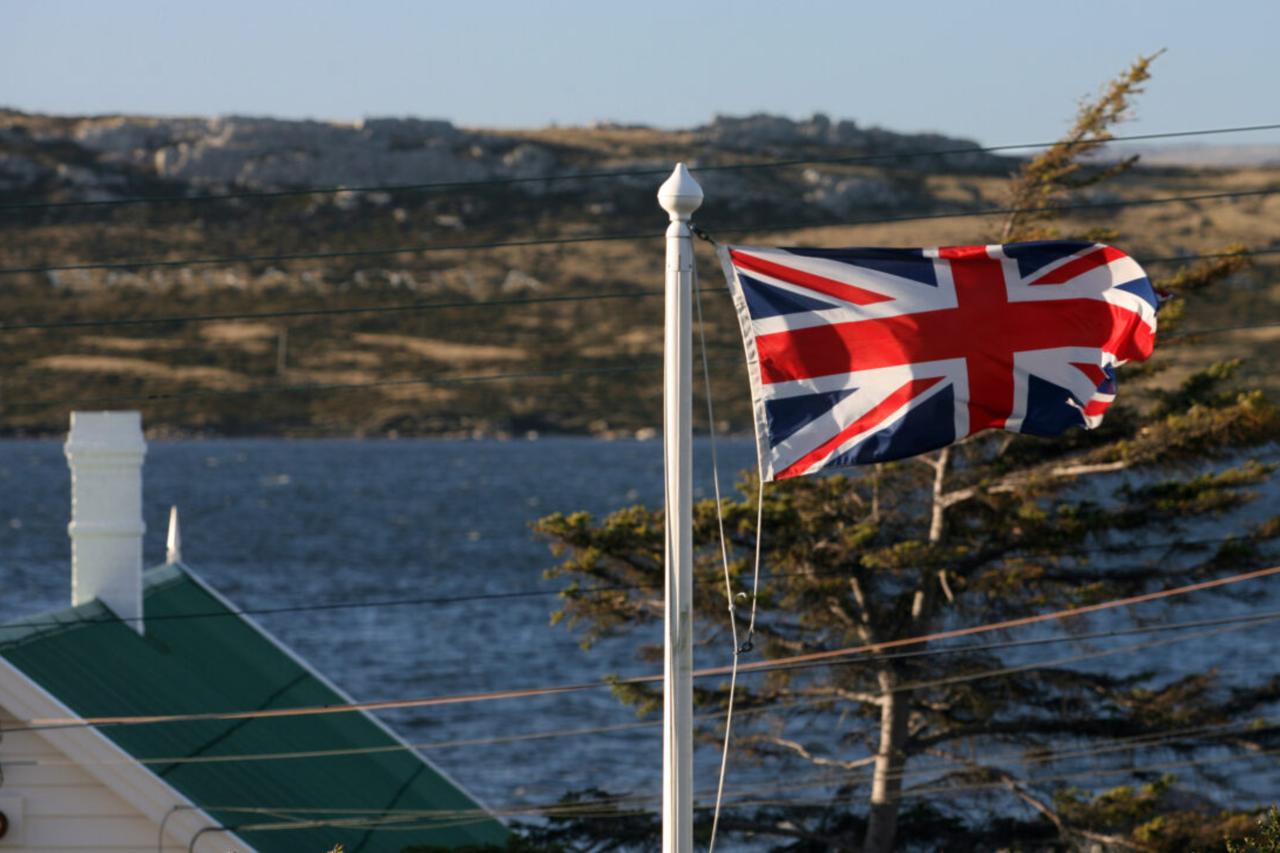


British Foreign Secretary Ed Miliband said the Falkland Islands will remain under British sovereignty, rejecting Argentine President Javier Milei’s claim that islanders do not have the right to self-determination.
“The islands are British and will remain so because the overwhelming majority of the people on the islands want that,” Miliband said in a post on X.
His comments came after Milei announced a series of measures and sanctions aimed at blocking offshore oil exploration around the Falkland Islands, which Argentina calls the Malvinas.
Milei argued that the islands belong to Argentina on historical and legal grounds and said their residents do not have the right to determine their own political status.
Miliband said the islanders themselves determine their future and that Britain would continue to defend that principle.
“The right to self-determination comes first. That right is grounded in international law, and we will defend it firmly,” he said.
British Defense Secretary Wes Streeting also responded to Milei, saying the Argentine president’s remarks reflected domestic politics more than the situation in the Falklands.
“Milei’s comments tell us more about Argentine domestic politics than they do about the Falkland Islands,” Streeting said in a social media post.
“The Falklands are British because the Falkland Islanders have chosen to be British. Our commitment to the Falklands is absolute and unwavering.”
The sovereignty of the Falkland Islands has long been disputed between Britain and Argentina.
The islands, which cover about 12,000 square kilometers in the Atlantic Ocean south of Argentina, have been under British sovereignty since 1833 and are a British overseas territory. Britain is responsible for their defense and foreign affairs.
Argentina argues that the islands, which it calls the Malvinas, were inherited from Spain after independence.
The dispute led to the Falklands War, which began on April 2, 1982. Britain emerged victorious after six weeks of fighting in which both sides suffered casualties.
In 2013, residents of the islands voted in a referendum on whether they wanted to remain a British overseas territory.
About 99.8% of voters in the roughly 2,500-person population voted “Yes.”


 Set as preferred source
 Set as preferred source


 2 min read

 1 min read