Newsletters


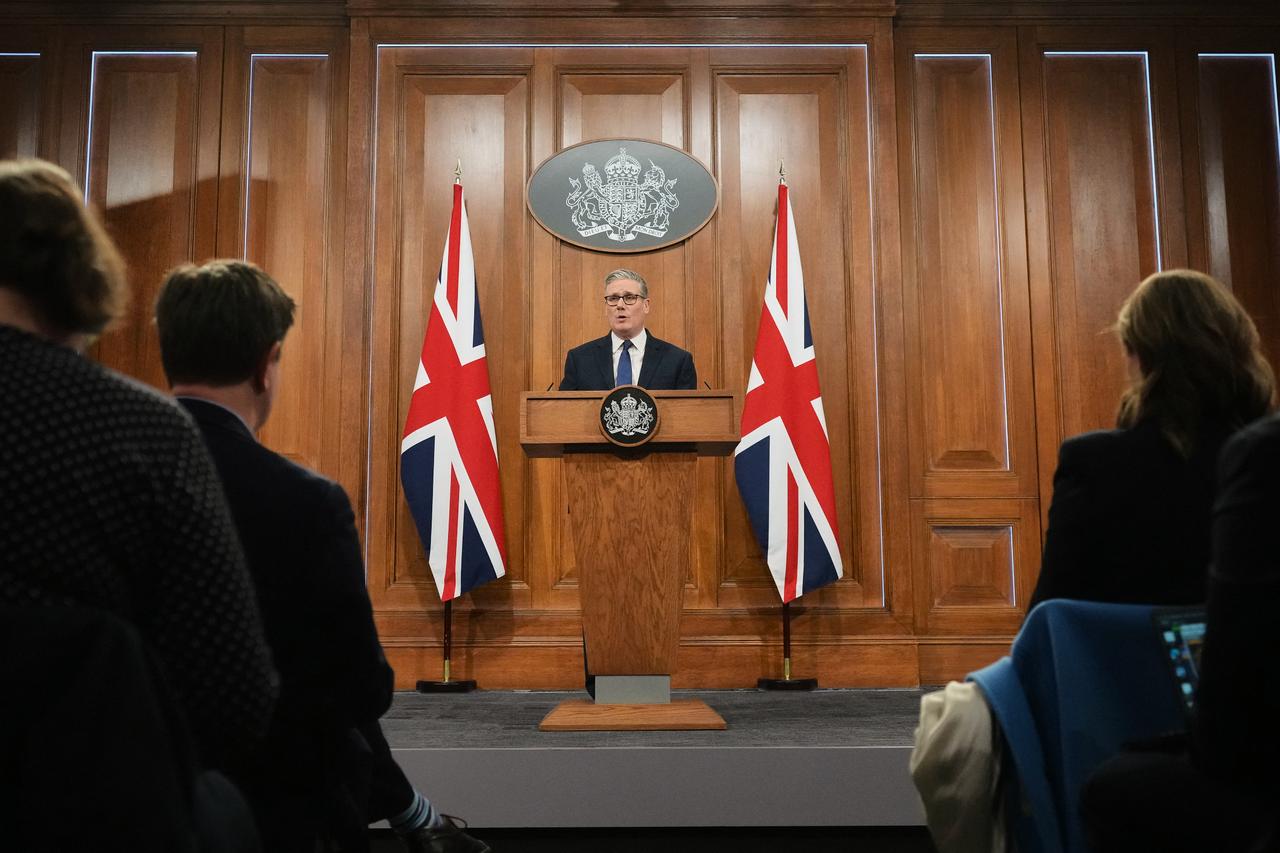


Prime Minister Keir Starmer said on Wednesday that the United Kingdom will host an international diplomatic conference this week on reopening the Strait of Hormuz.
He announced that 35 countries have signed a joint statement committing to restoring maritime security to the critical oil route, while signaling a broader shift toward closer ties with the European Union in the wake of the Iran war.
Foreign Secretary Yvette Cooper will lead the conference, Starmer said at a Downing Street briefing.
Military planners will then convene separately to "look at how we can marshal our capabilities and make the Strait accessible and safe after the fighting has stopped," he said.
"I do have to level with people on this. This will not be easy," Starmer added.
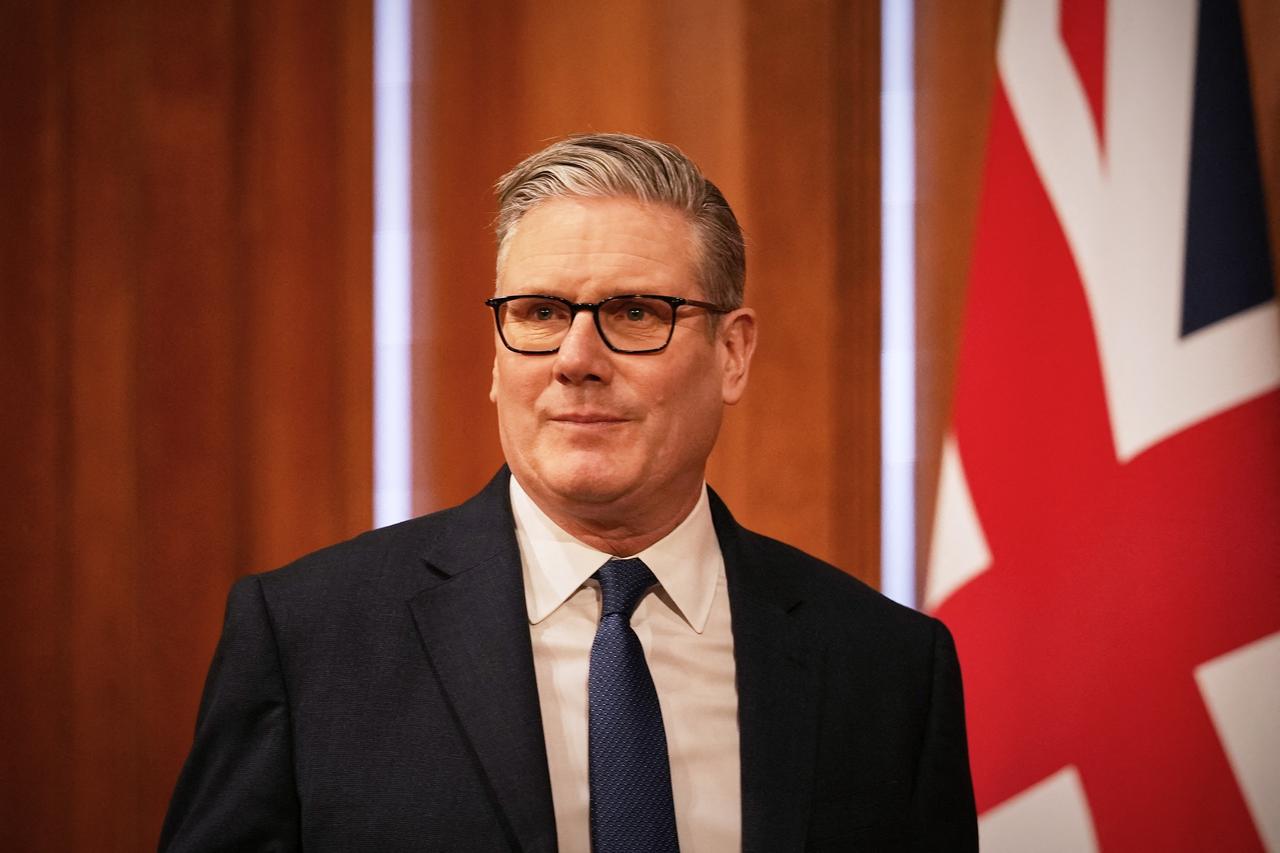
Starmer said a "united front of military strength and diplomatic activity" is needed to restore stability in the Gulf.
He said he spoke with "relevant business leaders in shipping, finance, insurance and energy supply" at Downing Street earlier in the week, who were "clear" that the "primary challenge" is safe passage through the strait.
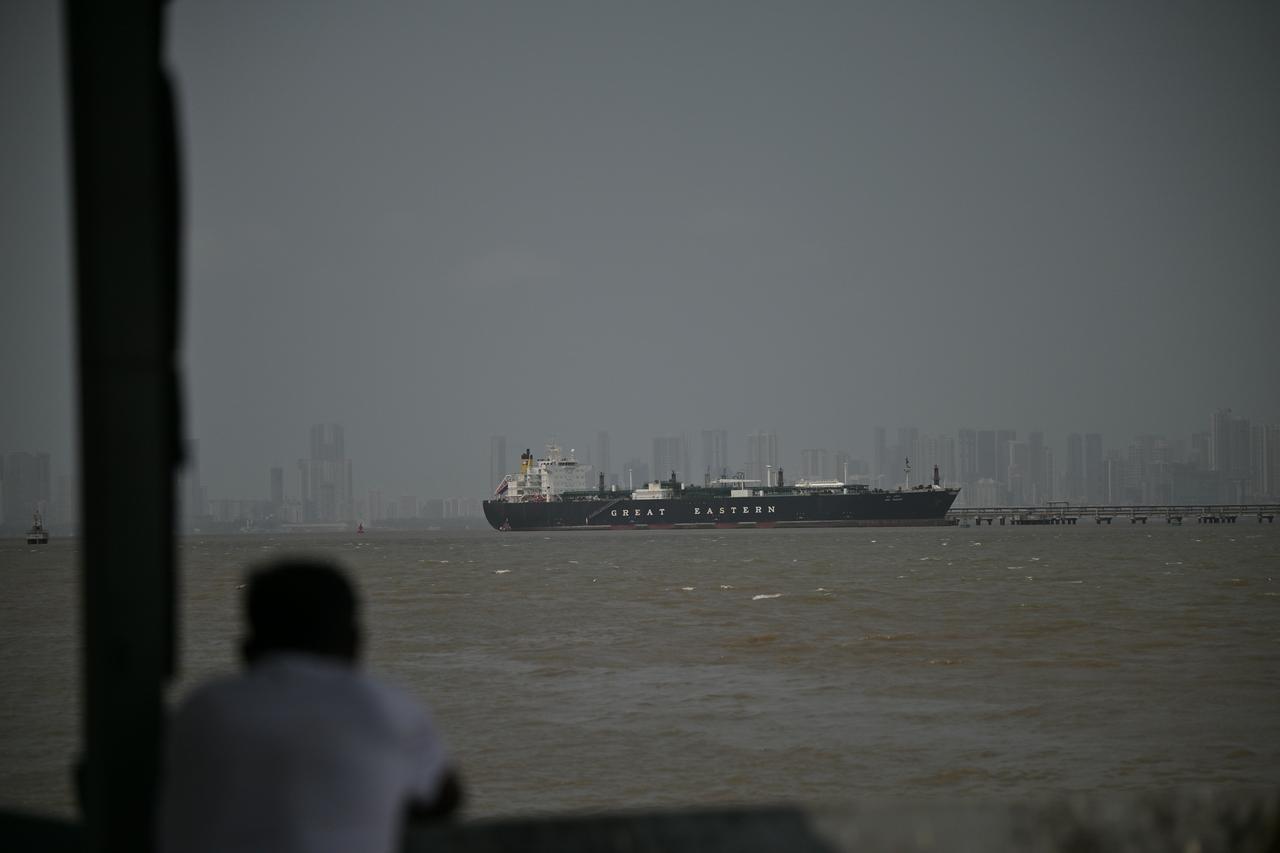
The Strait of Hormuz, through which approximately 20% of the world's oil typically travels, has been effectively closed by Iran to ships linked to the U.S., Israel and their supporters since the conflict began on Feb. 28.
The closure has sent global oil and gas prices spiraling.

Starmer responded by signaling Britain should align more closely with the European Union on both security and economic matters.
"We want to be more ambitious, closer economic cooperation, closer security cooperation, a partnership that recognises our shared values, our shared interest and our shared future," Starmer told reporters.
He said the Brexit deal agreed by the previous Conservative administration in 2020 had caused "deep damage to our economy" and that he would push for a closer relationship with the EU at a summit later this year.
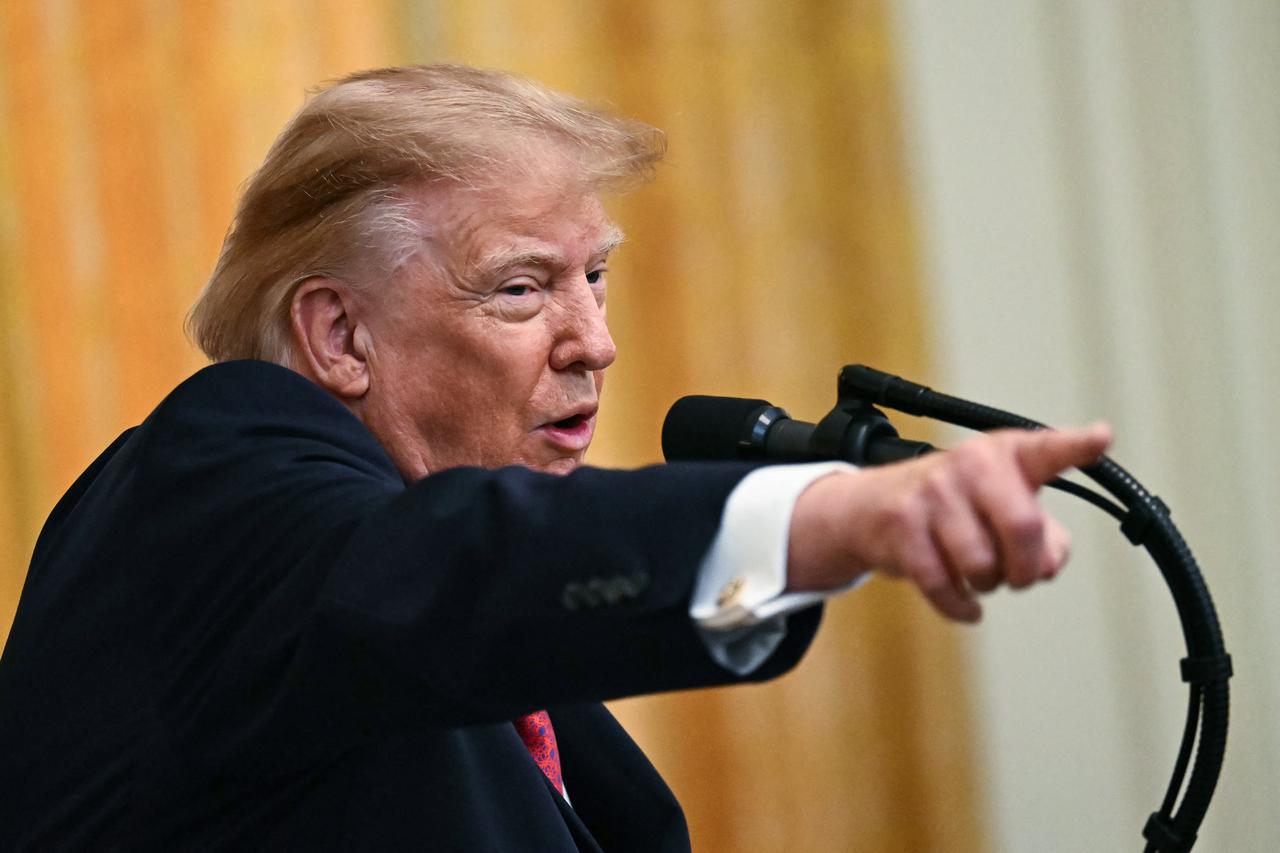
Britain's Labour government has sought a reset with the EU since taking office. The Iran war and Trump's NATO threats have accelerated that shift, with Starmer framing European partnership as central to Britain's response to the global instability triggered by the conflict.
At a press conference aimed at easing public concern over rising energy costs, Starmer warned the impact of the war would "define us for a generation" and could be comparable to the energy price crisis of the 1970s.


 Set as preferred source
 Set as preferred source


 4 min read