Newsletters


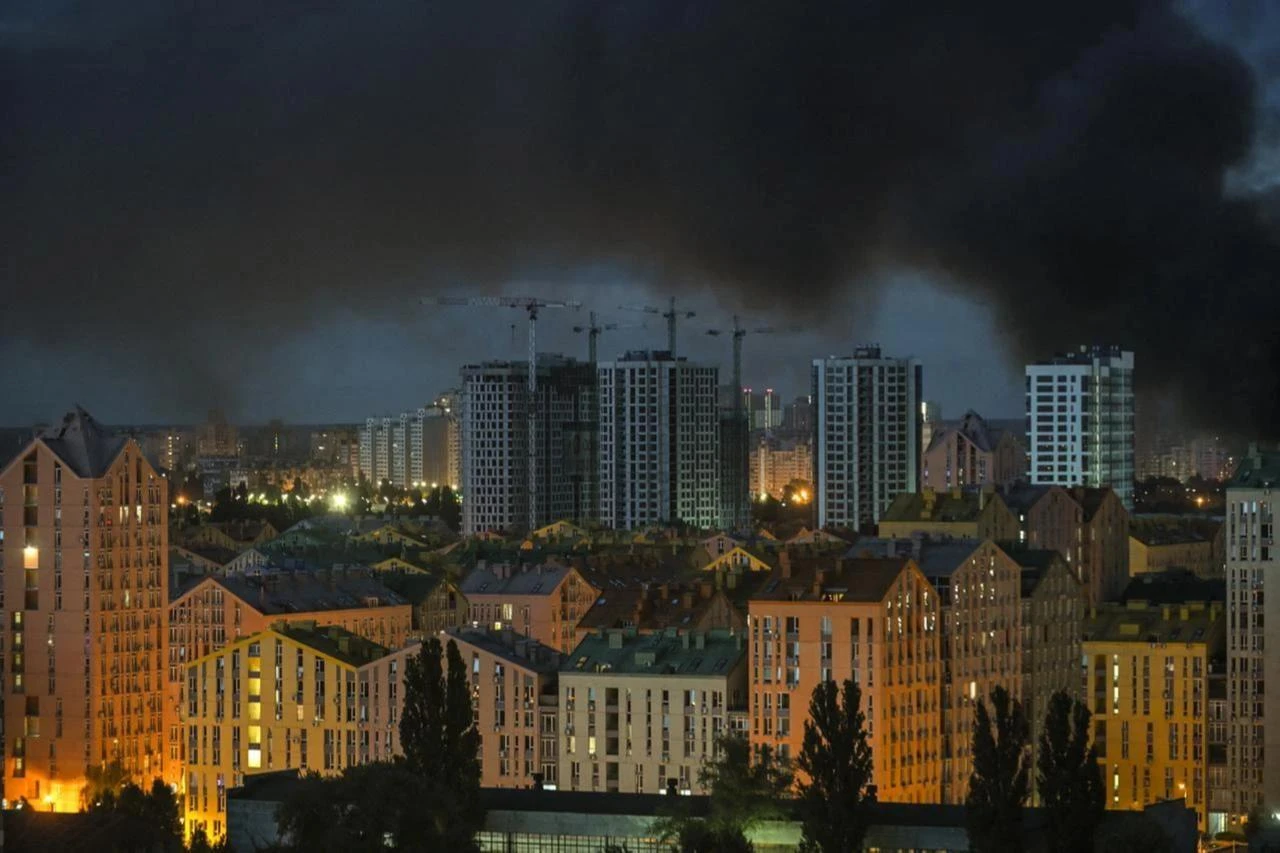


Ukraine's agriculture minister has warned that more than 30 million tons of grain and oilseeds could be shut out of global markets this year as Russian attacks on the Odesa port hub bring commercial shipping to a near standstill, with no viable long-term alternative in sight.
Speaking to Reuters, Minister Taras Vysotskyi said the situation endangered roughly half of Ukraine's total grain and oilseeds forecast for the year.
"A significant amount of production, specifically, just over 30 million tons, will not be exported to international markets unless this issue is resolved," he said.
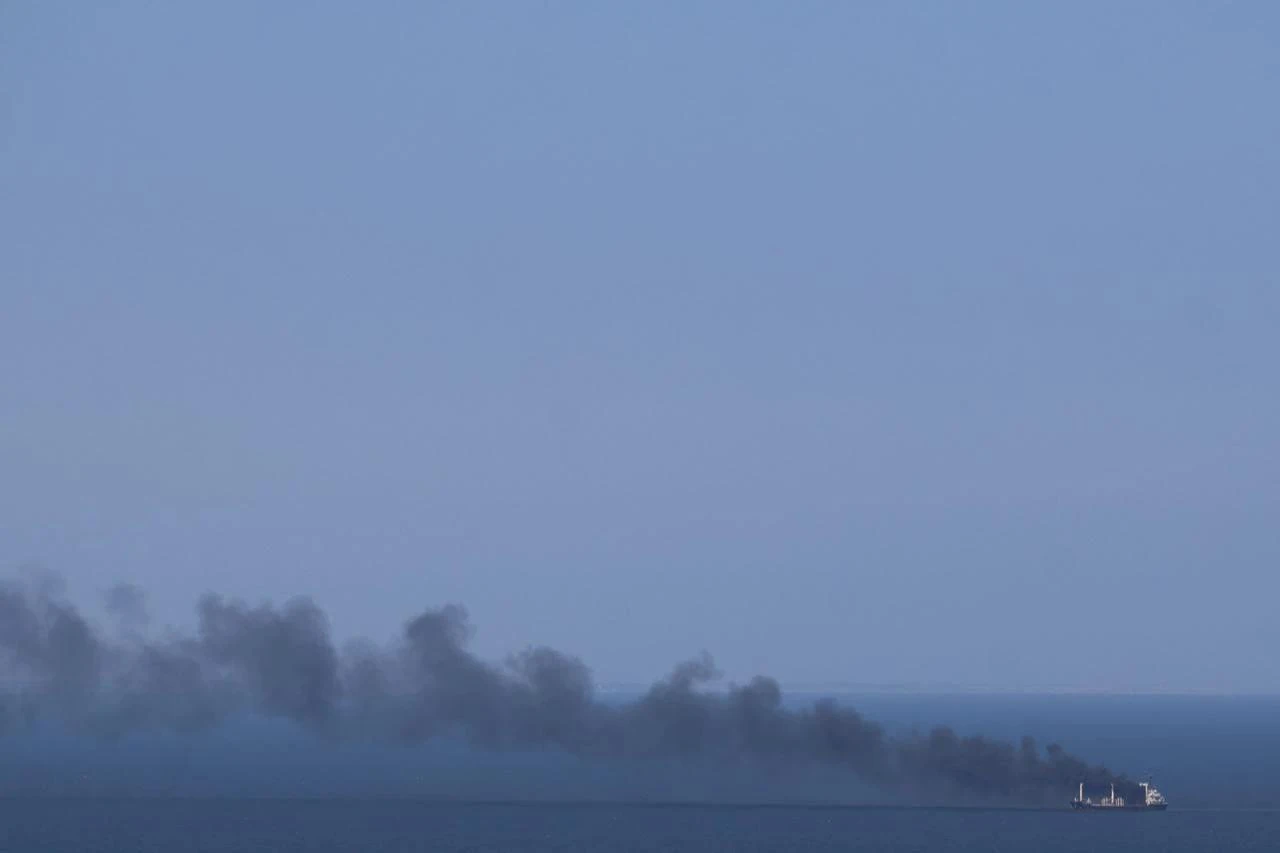
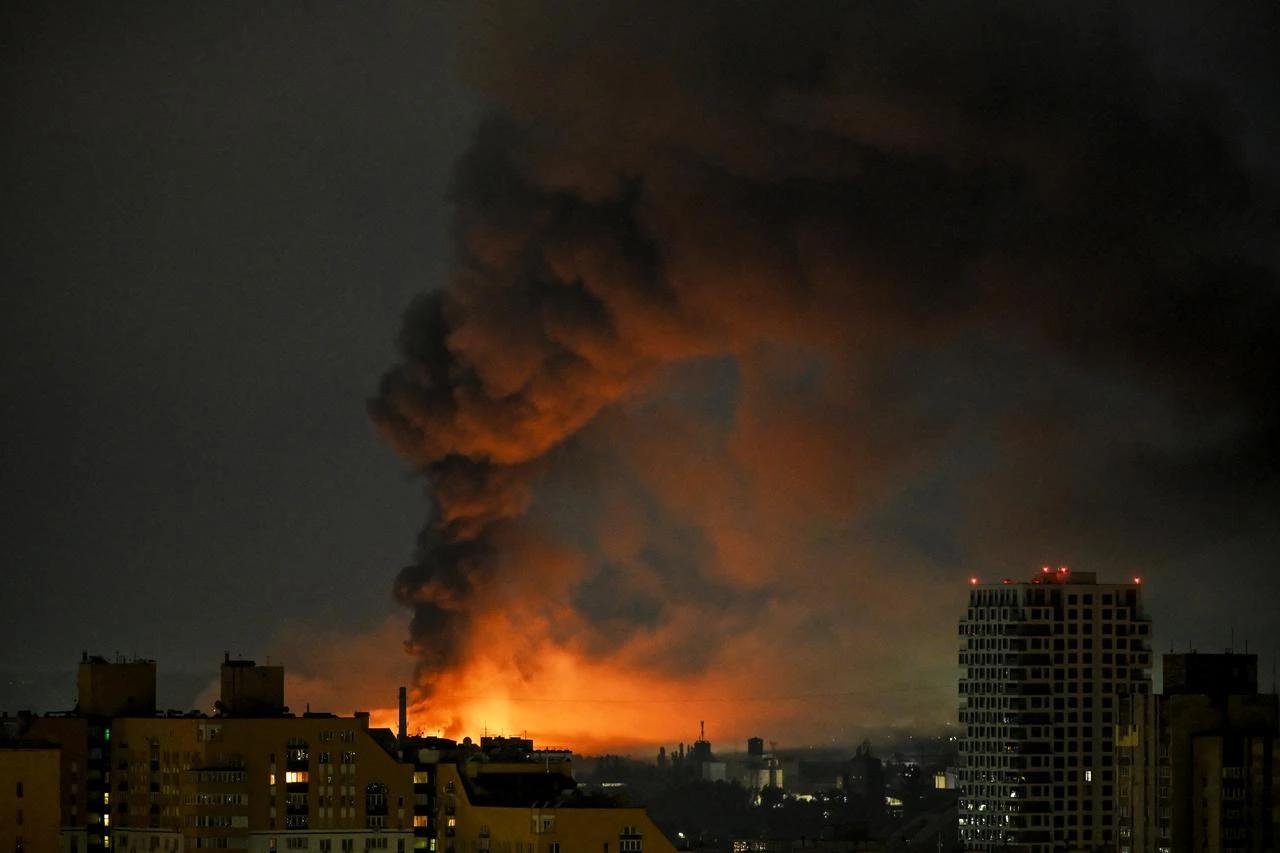
Ukraine's infrastructure ministry recorded 35 attacks on vessels in ports and 22 on those at sea in July alone, along with 67 strikes on port facilities. The July toll stands in stark contrast to the 14 attacks on vessels recorded throughout all of 2025.
As a result, shipowners have suspended calls at Odesa-area ports, with no vessels entering for nearly two weeks, even as the country's summer harvest season reaches full swing.
The minister described conditions as "exceptionally complicated," adding that in certain respects the crisis was worse than in March and April 2022, the opening weeks of Russia's full-scale invasion.
Moscow has maintained that its strikes target military-related infrastructure. Russia, itself the world's largest wheat exporter, has also reported attacks on its own agricultural export facilities and commercial vessels in the Black Sea in recent weeks.

Ukraine has identified Danube River shipping, rail and road freight as its primary alternative export corridors, with rail serving as the main option. However, Vysotskyi cautioned that it would take until the end of August at the earliest for those routes to reach a "more or less stable operational level."
Even at full capacity, the alternatives could handle only 50 to 55 percent of the roughly 6 million tons that Black Sea ports move each month, making them a stopgap rather than a structural solution.
The Danube, already hobbled by drought-driven historic low water levels, is not expected to play a meaningful role before October.
Producers opting for overland or river routes face an added cost of $45 to $50 per ton at current prices, a burden that compounds losses already accumulating at the farm level.
Grain and oilseed prices in Ukraine have fallen an average of 30 percent since the disruptions intensified, Vysotskyi said, and direct losses for the agricultural sector could total between $1.5 billion and $3 billion this year. "There is no alternative to the ports of Odesa if Ukraine is to continue to act as a guarantor of food security," he said.
On Tuesday, Ukraine's government approved adjustments to minimum export prices in what officials described as an initial emergency step to support farmers.
Ukraine typically accounts for around 6 percent of global wheat exports and approximately 11 percent of global corn exports, and ranks among the world's top suppliers of oilseeds and vegetable oils.
The country exported 34.4 million tons of grain during the 2025/26 season, with officials estimating 43 million tons available for export in the current season.
With port traffic effectively shut down, Vysotskyi warned the consequences would ripple through global commodity markets.
"Food will become more expensive, and for the poorest people, it may become simply unaffordable," he said.
Even if commercial shipping were to resume immediately, the minister said it would take at minimum one month to restore export volumes to pre-disruption levels.
Vysotskyi called on Ukraine's international partners to help establish security in the Black Sea, arguing that only a strengthened Ukrainian military presence in the region could sustain export operations while Russian strikes continue.
The appeal echoes arguments Kyiv has made since the collapse of the United Nations-brokered Black Sea Grain Initiative in 2023, under which Russia had guaranteed safe passage for Ukrainian agricultural exports before withdrawing from the agreement.
Since then, Ukraine has relied on a unilaterally declared humanitarian corridor and vessel-by-vessel risk assessments by international shipowners. The renewed intensity of attacks now threatens to render even that fragile arrangement unworkable.


 Set as preferred source
 Set as preferred source


 1 min read
 1 min read