Newsletters


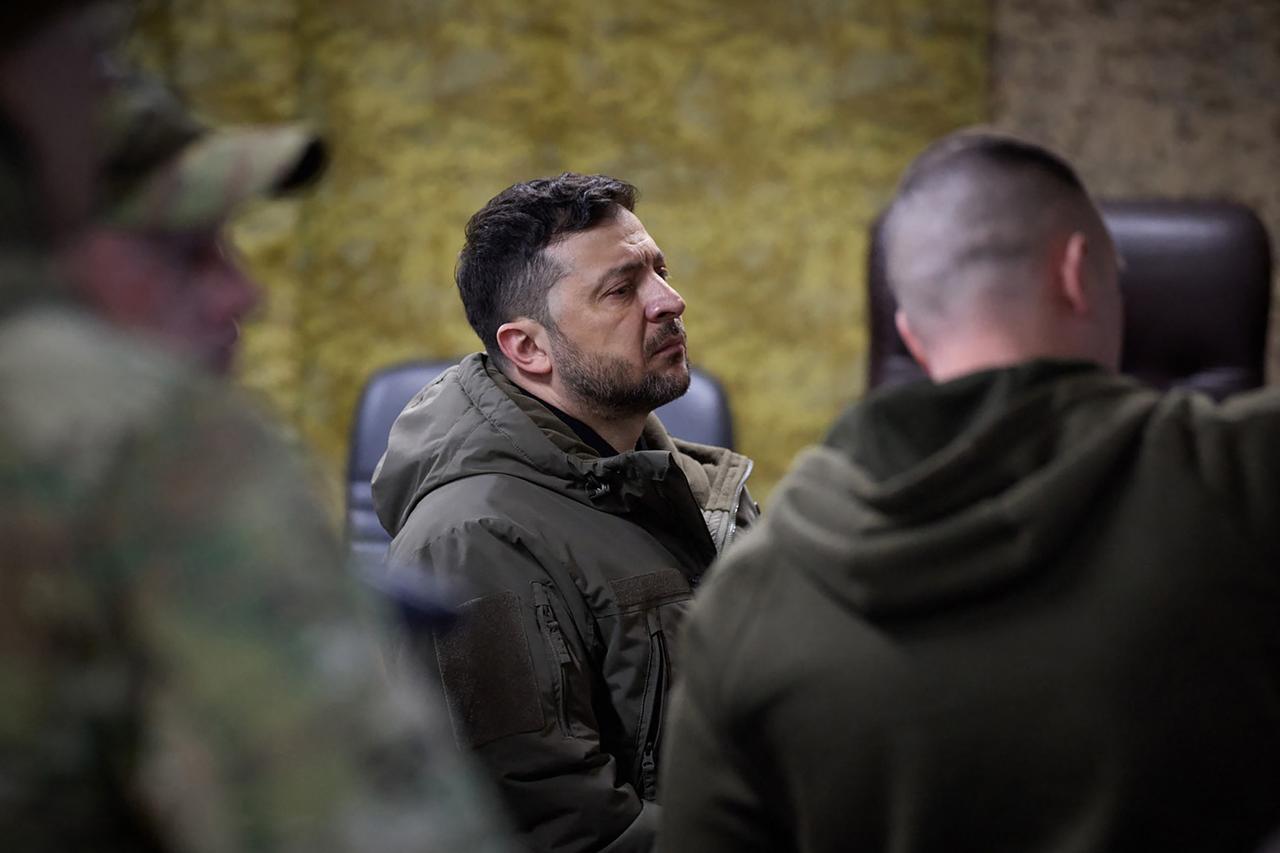


Ukraine has sent interceptor drones and a team of drone specialists to help protect U.S. military bases in Jordan, Ukrainian President Volodymyr Zelenskyy told The New York Times.
In an interview published Monday, Zelenskyy said the United States requested assistance Thursday and the Ukrainian team departed the following day. The specialists are expected to arrive in the Middle East soon, according to the report.
“We reacted immediately,” Zelenskyy reportedly said Friday evening, adding: “I said, yes, of course, we will send our experts.”
Zelenskyy had earlier announced that he ordered military specialists and equipment to the Middle East after Washington formally requested Kyiv’s assistance in defending against Iranian-made Shahed drones.
“We received a request from the United States for specific support in protection against Shaheds in the Middle East region,” Zelenskyy wrote on X.
“I gave instructions to provide the necessary means and ensure the presence of Ukrainian specialists who can guarantee the required security,” he added.
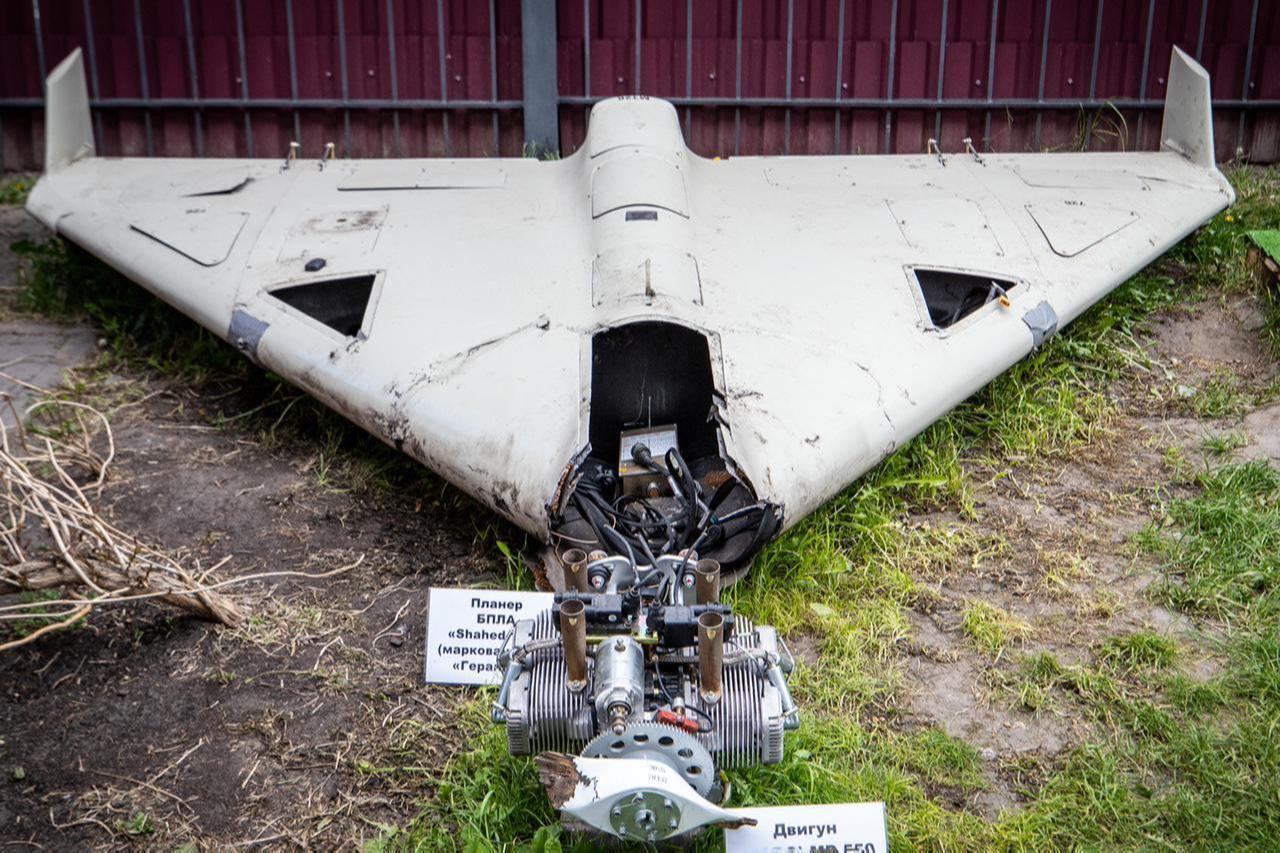

According to a report by The Washington Post, several countries, including the United States, have approached Ukraine for help in defending against Iranian drones.
Ukraine’s expertise in countering such threats stems from extensive battlefield experience during the war with Russia.
Since late 2022, Russia has launched tens of thousands of Shahed-type drones at Ukrainian cities and infrastructure after acquiring the technology and around 6,000 units from Iran.
In the winter of 2025-2026 alone, Russia launched about 19,000 Shahed and other drones against Ukraine.
In response, Kyiv developed a multi-layered air defense system combining anti-aircraft missiles, mobile fire groups and low-cost interceptor drones designed specifically to hunt Shahed drones.
Interceptor drones accounted for more than 70% of Shahed kills in the Kyiv region during February, according to Commander-in-Chief of the Ukrainian Armed Forces Oleksandr Syrskyi.
These Ukrainian interceptor drones cost thousands of dollars each, compared with millions of dollars for a single Patriot missile.
The move comes as tensions in the Middle East have escalated since the United States and Israel launched a large-scale attack on Iran on Feb. 28.
The strikes have reportedly killed more than 1,200 people, including Iranian Supreme Leader Ali Khamenei, more than 150 schoolgirls and several senior military officials.
Iran has responded with drone and missile attacks targeting U.S. bases, diplomatic facilities and military personnel across the region, as well as multiple Israeli cities.


 Set as preferred source
 Set as preferred source


 2 min read
 1 min read