Newsletters


Ukrainian drones struck a Wildberries logistics warehouse in Yekaterinburg early Friday, in what would be the deepest strike yet in a monthlong campaign against Russia's largest e-commerce retailer that Reuters describes as striking at the "heart of Russia Inc."
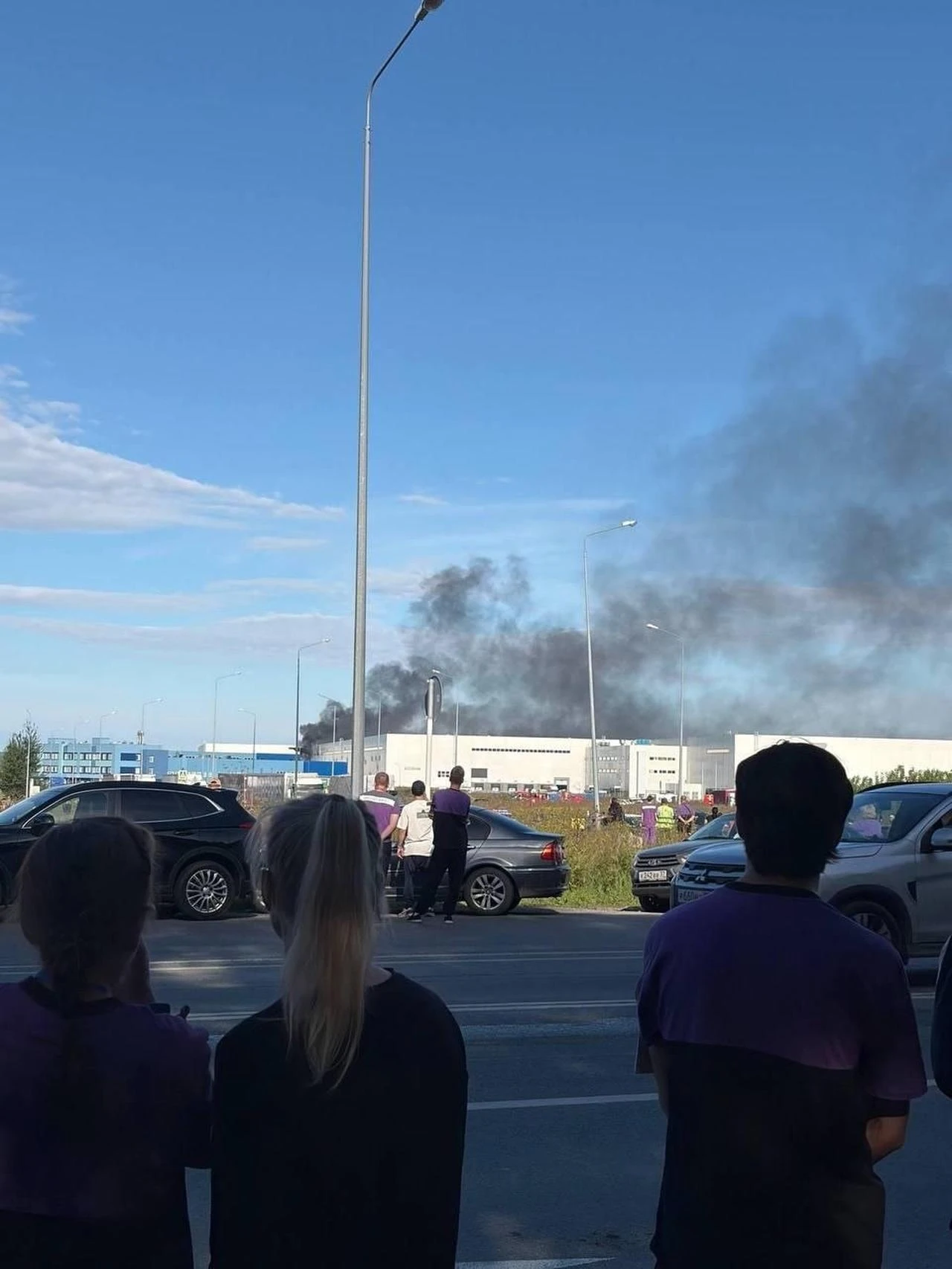
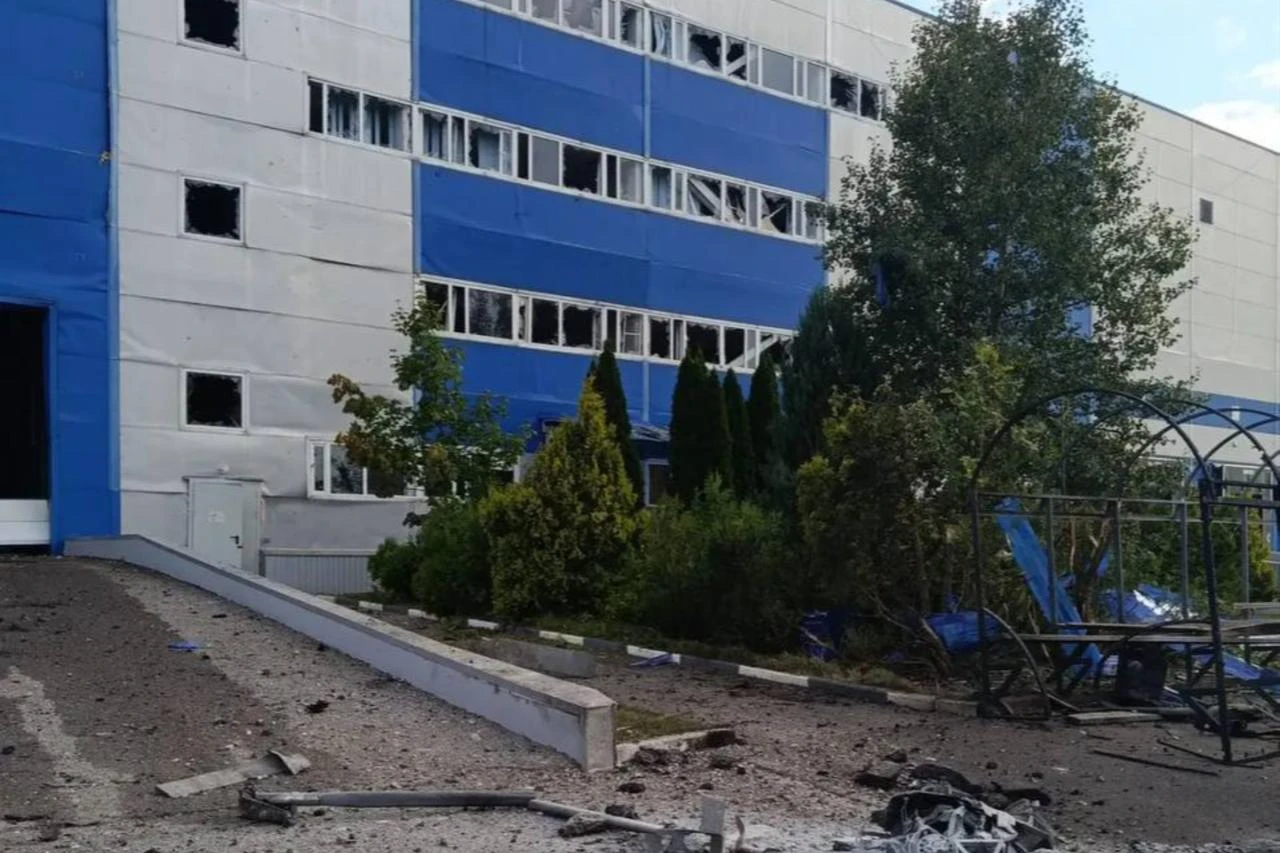
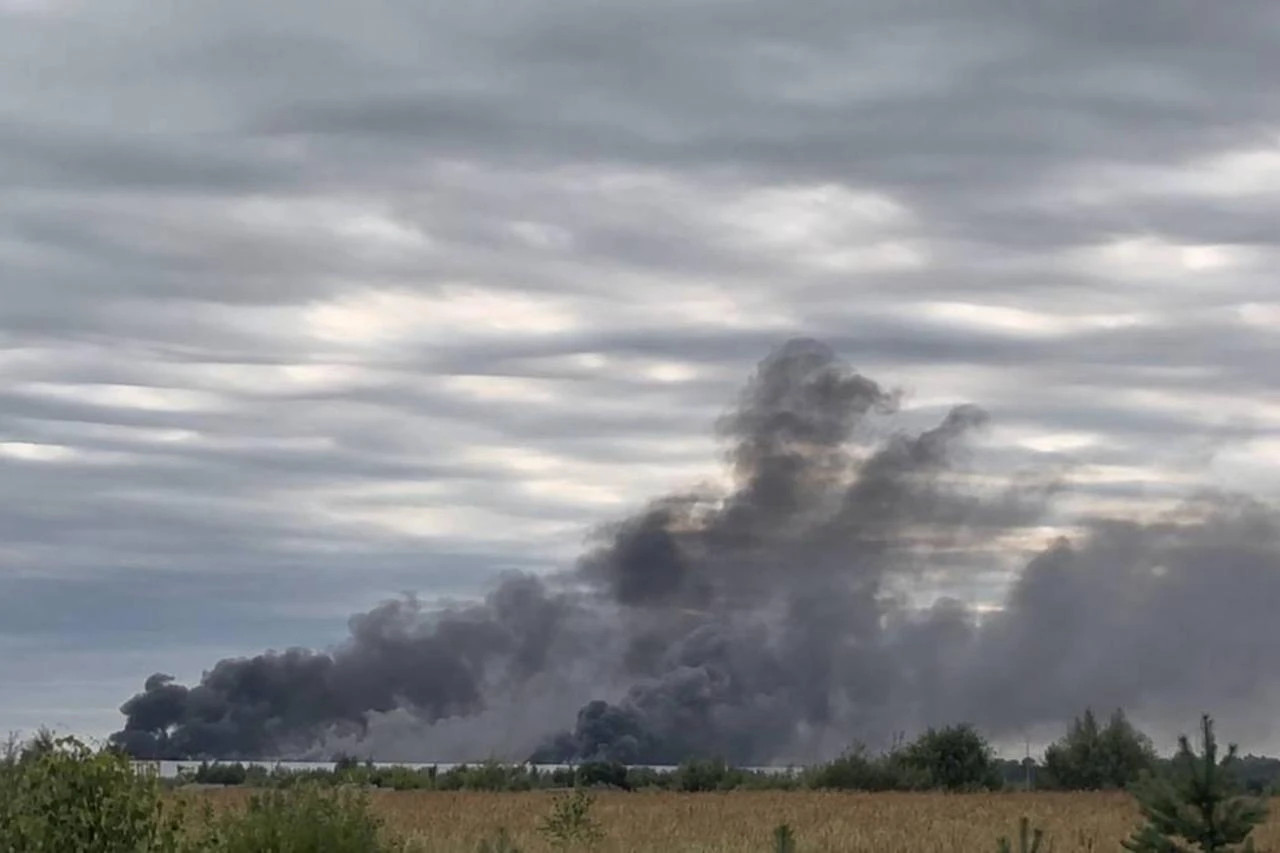
Wildberries said on Telegram that firefighters were deployed to the company's logistics facility in Yekaterinburg, Sverdlovsk region, after an attack sparked a fire, adding that the site had been evacuated in advance and that incoming deliveries were being temporarily redirected to other facilities.
The company later said the fire had been contained and that most goods at the facility were undamaged.
Regional Gov. Denis Pasler said Russian air defenses and mobile units destroyed eight drones targeting the region, with three drones crashing onto the warehouse roof. He said all personnel were evacuated and no injuries were reported, according to his Telegram statement.
Pasler reminded residents that publishing photos or video of the aftermath of drone attacks is "prohibited."
Agence France-Presse (AFP) reported the warehouse is located more than 2,000 kilometers (1,250 miles) from the Ukrainian border, citing Pasler's account, while OSINT and social media reports described the same strike as targeting a 158,000-square-meter facility located roughly 1,700 kilometers from Ukraine's border, reportedly involving Ukrainian AN-196 Liutyi long-range drones.
Ukraine has struck roughly 20 Wildberries sites since mid-July, part of an escalating pattern of long-range strikes by both countries amid a diplomatic standstill more than four years into Russia's full-scale invasion.
The strikes have caused a growing number of civilian casualties.
A Reuters review of satellite imagery found that at least 1.18 million square meters of Wildberries storage space, more than a fifth of the company's total capacity, has been damaged or destroyed since the campaign began around July 18.
At least 13 people have been killed in the warehouse attacks to date.
Ukraine, invaded by Russia in February 2022, denies targeting civilians and says the strikes are part of a campaign to "bring the war home" to ordinary Russians and raise the cost to Moscow of continuing the war.
Ukraine says Wildberries, whose product range includes items such as night-vision goggles, ammunition pouches and helmets alongside ordinary clothing, cosmetics and electronics, supports Russia's war effort.
The company and the Kremlin say it does not supply the military.
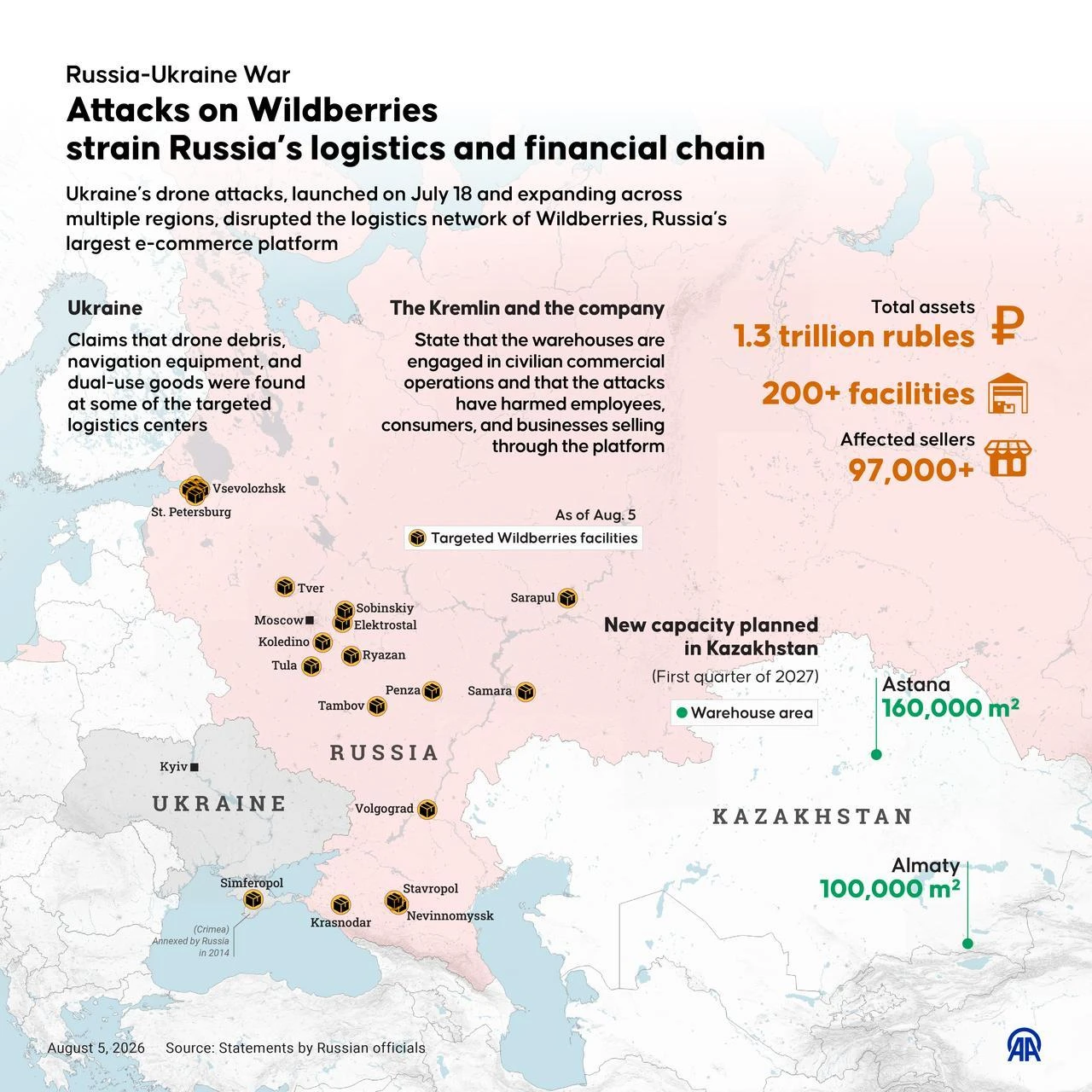

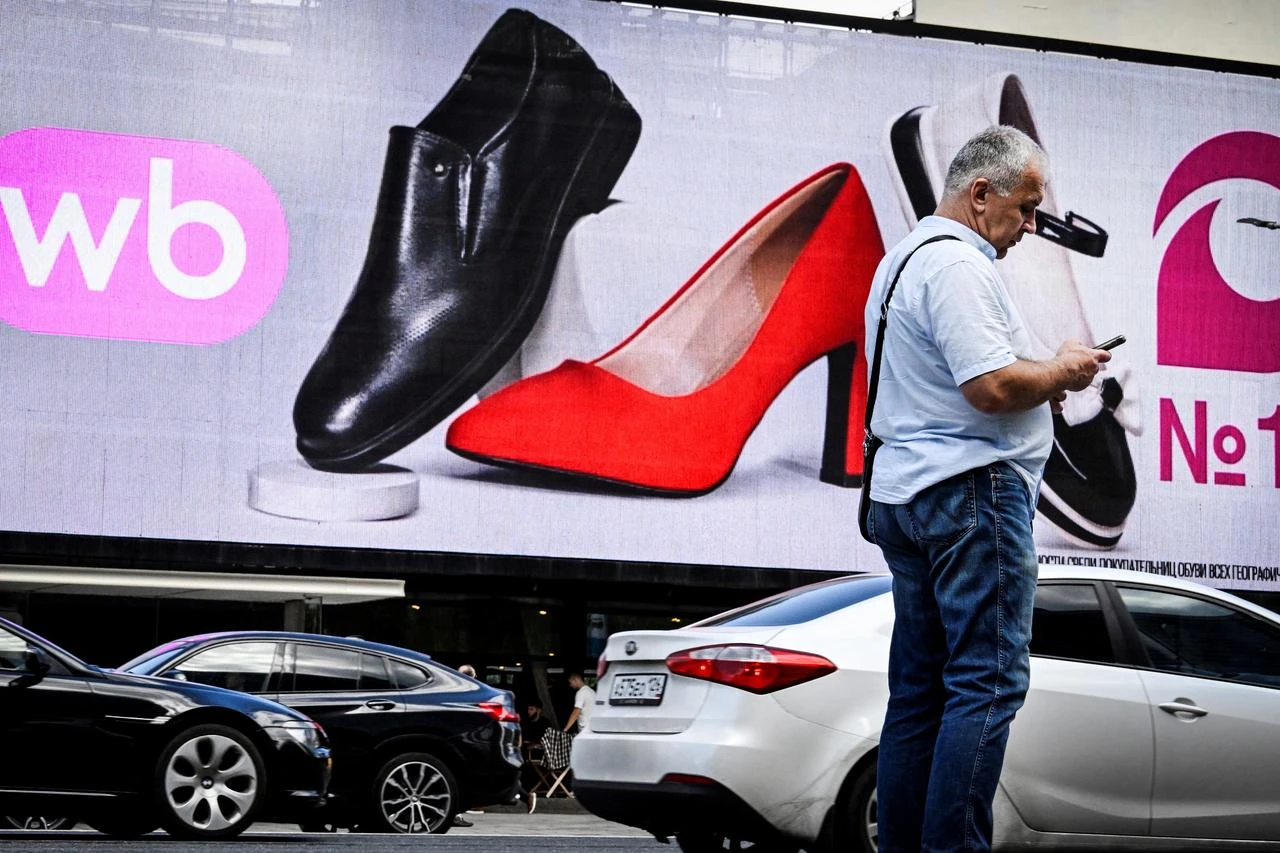
According to Reuters, the sustained campaign against Wildberries, which together with other e-commerce platforms handles goods and services equivalent to 8.5% of Russia's economy, is sending shockwaves through the country's retail sector, affecting franchise operators and tens of thousands of small businesses that rely on the platform to sell products online.
Vasily Klimov, who operates one of roughly 98,000 Wildberries pick-up points across Russia and neighboring countries, told Reuters his previously healthy small business has become loss-making since the strikes began, with sales dropping about 50% over the past month due to disrupted deliveries.
"The last month has been entirely loss-making," Klimov said.
He said daily deliveries at his outlet had fallen to around 150 parcels from a previous 400, and that no packages arrived at all when Reuters visited on a recent Tuesday.
Klimov told Reuters he lacks the financial reserves to hold out and has put his business up for sale despite a lack of buyers, at one point jokingly offering to sell it to a Reuters reporter for one ruble.
Reuters found more than 3,100 Wildberries franchised pick-up points listed for sale on the online marketplace Avito as of the middle of this week.
A source close to the Kremlin told Reuters that many small and medium-sized businesses "with absolutely nothing to do with the war" would suffer.
"There will be a wave of bankruptcies. No one has the kind of money needed to support sellers; we're talking hundreds of billions of roubles. That's a significant blow to the economy," the source said.
Reuters reported Russia's central bank governor, Elvira Nabiullina, said July 24 the bank would wait to see whether supply disruptions from the attacks translate into higher inflation.
Elina Ribakova, an economist with the Kyiv School of Economics and the Peterson Institute for International Economics, told Reuters the attacks could complicate the central bank's efforts to lower interest rates from their current 14% level.
"Even though the Russian economy is likely to register zero growth this year, and it was in contraction for the first quarter, inflation is still running high and therefore any small shock could force the central bank either to slow down significantly the cuts or even stop the cuts, so supply side shocks are very important," she said.
Reuters reported Russia's largest lender, Sberbank, said in late July it may increase loan-loss provisions after the attacks weakened the credit quality of online retailers and vendors, with roughly 300 companies seeking to restructure loans.
The Kremlin said in July that government discussions had taken place regarding possible support for Wildberries, potentially including state bank loans, tax breaks or subsidies for the company or its sellers, according to sources cited by Reuters.
According to Wildberries, 95% of orders are collected from pick-up points like Klimov's.
The company says it has increased discounts, granted payment deferrals, and made initial voluntary compensation payments to more than 97,000 sellers who lost stock in the attacks.
Fashion brand Finn Flare lost products worth more than 100 million rubles (about $1.24 million) when drones sparked a fire at Wildberries' Elektrostal warehouse east of Moscow in July.
The brand's e-commerce director, Marina Drozhzhina, told Reuters: "Since available inventory decreased, orders also fell. We plan to negotiate with Wildberries."
Artisan toffee-maker Anna Starostina, who lost 170 boxes of handmade sweets in one of the campaign's first strikes on July 18, told Reuters she was not counting on compensation "because I don't want to be disappointed later."


 Set as preferred source
 Set as preferred source


 1 min read
 1 min read