Newsletters


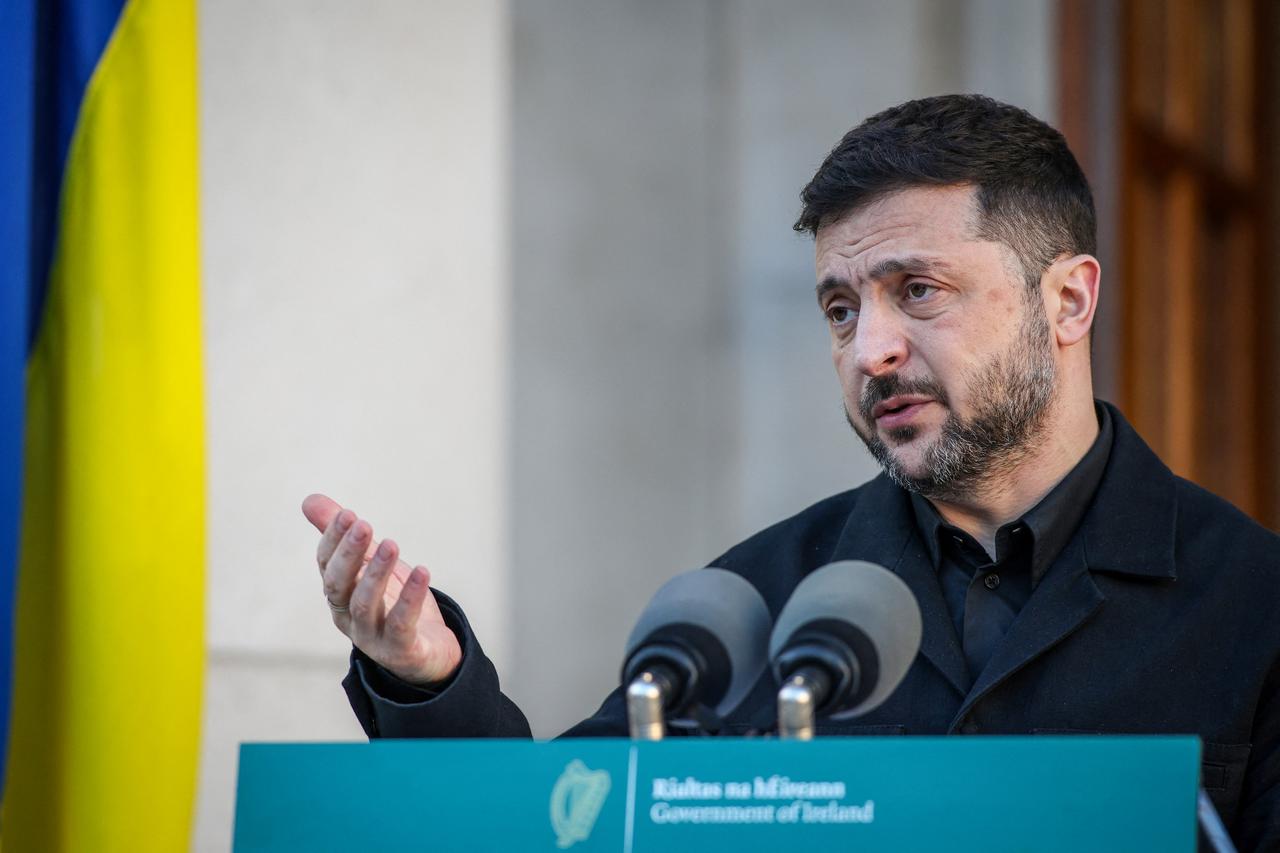


Ukrainian President Volodymyr Zelenskyy announced Wednesday that Ukraine’s top negotiator, Rustem Umerov, and Chief of General Staff Andriy Gnatov will hold meetings with EU security advisors in Brussels before heading to the United States.
The upcoming U.S. visit will include preparations for talks with envoys of President Donald Trump, he said, indicating that the Brussels discussions mark a preparatory step ahead of direct contacts with U.S. representatives.
Meanwhile, Kremlin spokesperson Dmitry Peskov said Tuesday’s meeting in Moscow, where President Vladimir Putin met with Trump’s special envoy Steve Witkoff and Jared Kushner, marked the first direct exchange of views under the current initiative, describing it as a "normal process" in peace negotiations.
He emphasized that Moscow remains open to meeting "as many times as is needed" to reach a settlement, and expressed appreciation for the involvement of Trump’s circle.
Peskov noted that the Russian side outlined elements of the U.S. plan that were "unacceptable," but did not provide further details. He also stressed the importance of confidentiality for progress to be made, stating that Moscow expects the U.S. to remain discreet about the process.
Ahead of the U.S. talks, Putin made pointed remarks accusing European leaders of undermining peace efforts. The Russian president claimed that some EU states are focused on causing a strategic defeat for Russia, which he argued disqualifies them from participating in peace negotiations.
Peskov echoed this sentiment, stating that Europe’s exclusion from the current process stems from its "obsession" with weakening Russia. He implied that this stance prevents European governments from playing a constructive role in the conflict’s resolution.
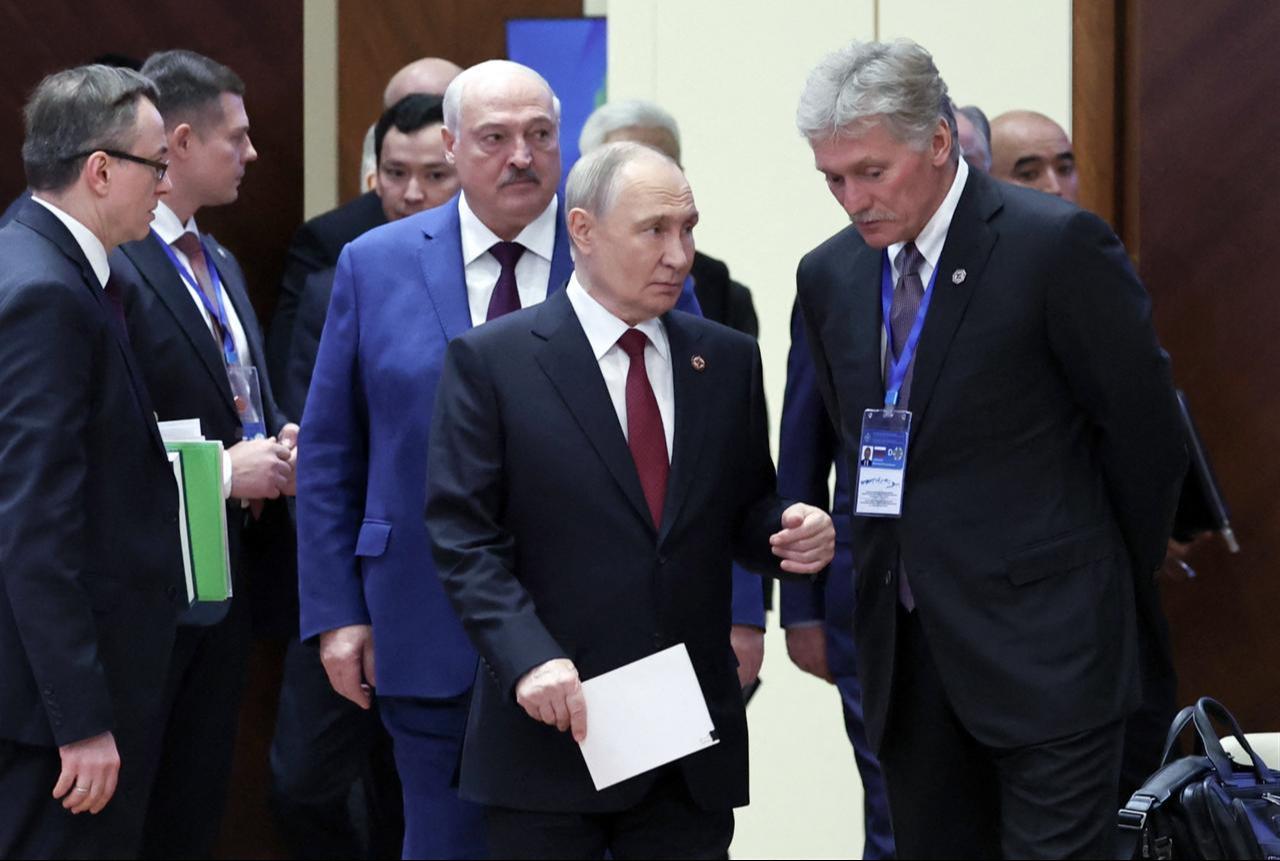

According to the Kremlin spokesperson, European leaders have raised concerns about being excluded from the ongoing peace negotiations, despite the Ukraine conflict being widely seen as Europe’s most devastating war since World War II. In response, he claimed that European countries are not participating because they remain, in his words, "obsessed with the idea of inflicting a strategic defeat on Russia."
Peskov also dismissed a new EU deal to phase out all Russian gas imports by autumn 2027. European Commission President Ursula von der Leyen had described the deal as "the dawn of a new era," framing it as part of the bloc’s broader effort to cut off funding for Moscow’s war in Ukraine.
He responded by saying the EU was "condemning itself" to higher energy costs and accelerating its economic decline. "This will only accelerate the process that has been underway in recent years of the European economy losing its leading potential," he said.


 Set as preferred source
 Set as preferred source


 1 min read
 1 min read