Newsletters


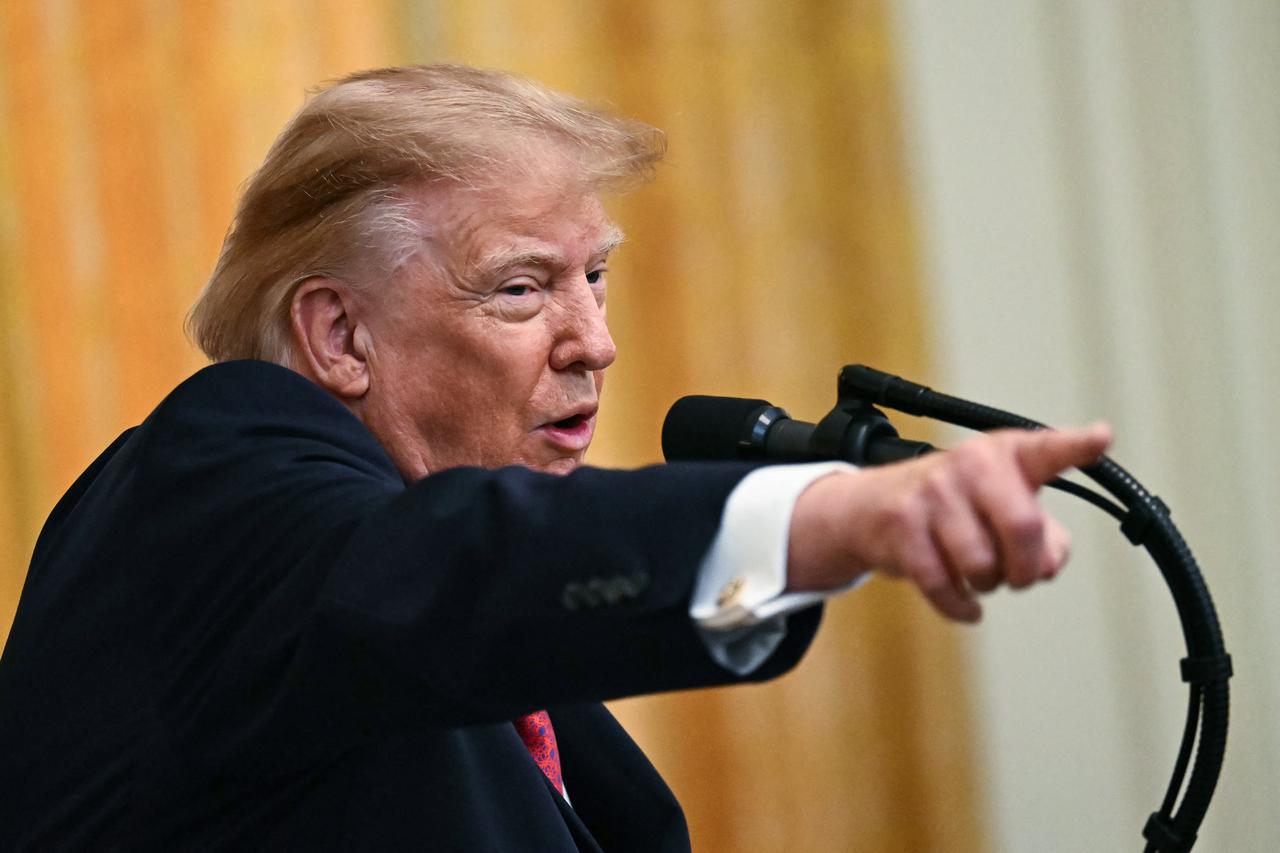
Ukraine will be able to strike Russia with domestically made ballistic missiles within three to six months, former Ukrainian Defense Minister Mykhailo Fedorov told CBS News in an interview, even as engineers and military personnel say his ouster last month has done little to slow the country's broader drone and robotics push.
So far, Ukraine has relied on cheap long-range drones and cruise missiles to strike deep into Russian territory, but these weapons are slower and easier to shoot down once detected.
Russia, by contrast, has repeatedly used ballistic missiles against Ukraine, which has struggled to intercept them, straining Ukrainian air defenses.
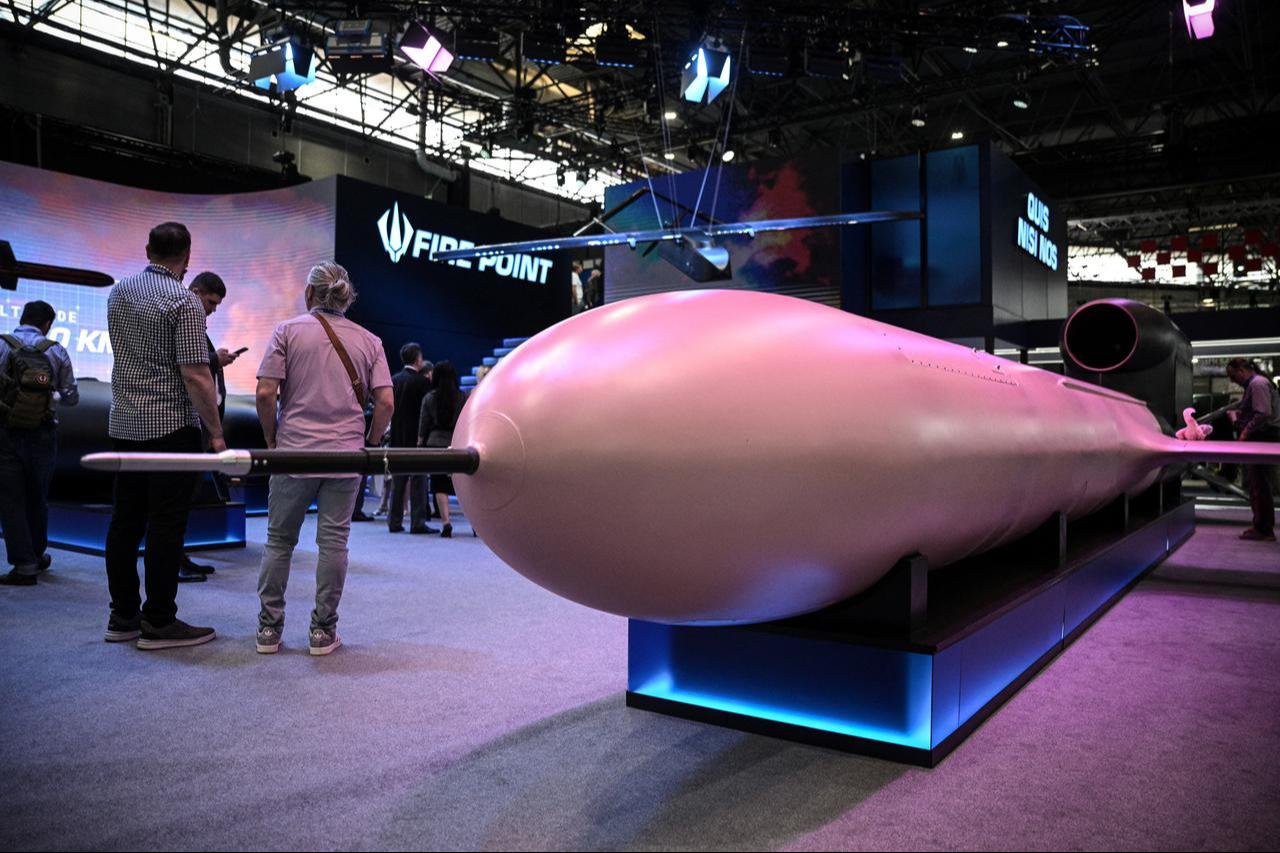
In June, Fire Point, one of Ukraine's largest defense manufacturers, tested a ballistic missile that would in theory allow Ukraine to respond in kind to Russia's long-range attacks.
Fedorov, who said Kyiv's ballistic missile program accelerated during his time as defense minister, said he believes Ukraine will launch a ballistic missile into Russia by the end of the year.
"We need to defeat Russia in every technological cycle, and we have to make decisions 24/7," the 35-year-old Fedorov told CBS News, noting that while Ukraine is innovating quickly, Russia is doing the same.
Early Saturday, Ukrainian President Volodymyr Zelenskyy posted on social media that Ukraine had struck a Russian space agency facility in Samara, located about 560 miles from Ukraine's border, using new Ukrainian-produced Flamingo missiles.
Zelenskyy fired Fedorov in mid-July, citing an irresolvable feud between Fedorov and Zelenskyy's top general, Oleksandr Syrskyi.
The move sparked protests from thousands of people across Ukraine.
About a week later, Zelenskyy removed Syrskyi from his post as well.
Asked why he believes he was fired, Fedorov told CBS News: "I really don't want to talk to the American audience about why."
He added: "Whatever the reason, it is important to understand that Ukraine will continue to fight."
Fedorov was credited with turning the tide of the war in Ukraine's favor, increasing the country's deep strikes into Russia tenfold and bolstering its domestic arms industry.
He said the protests over his removal are a sign that the Ukrainian people support democratic values and that Ukraine is fighting for its freedom.
A former tech entrepreneur, Fedorov was noncommittal on whether a return to government was in his future.
"Soon we will see," he said, adding, "But in any case, all my work will be aimed at ending the war and rebuilding Ukraine."
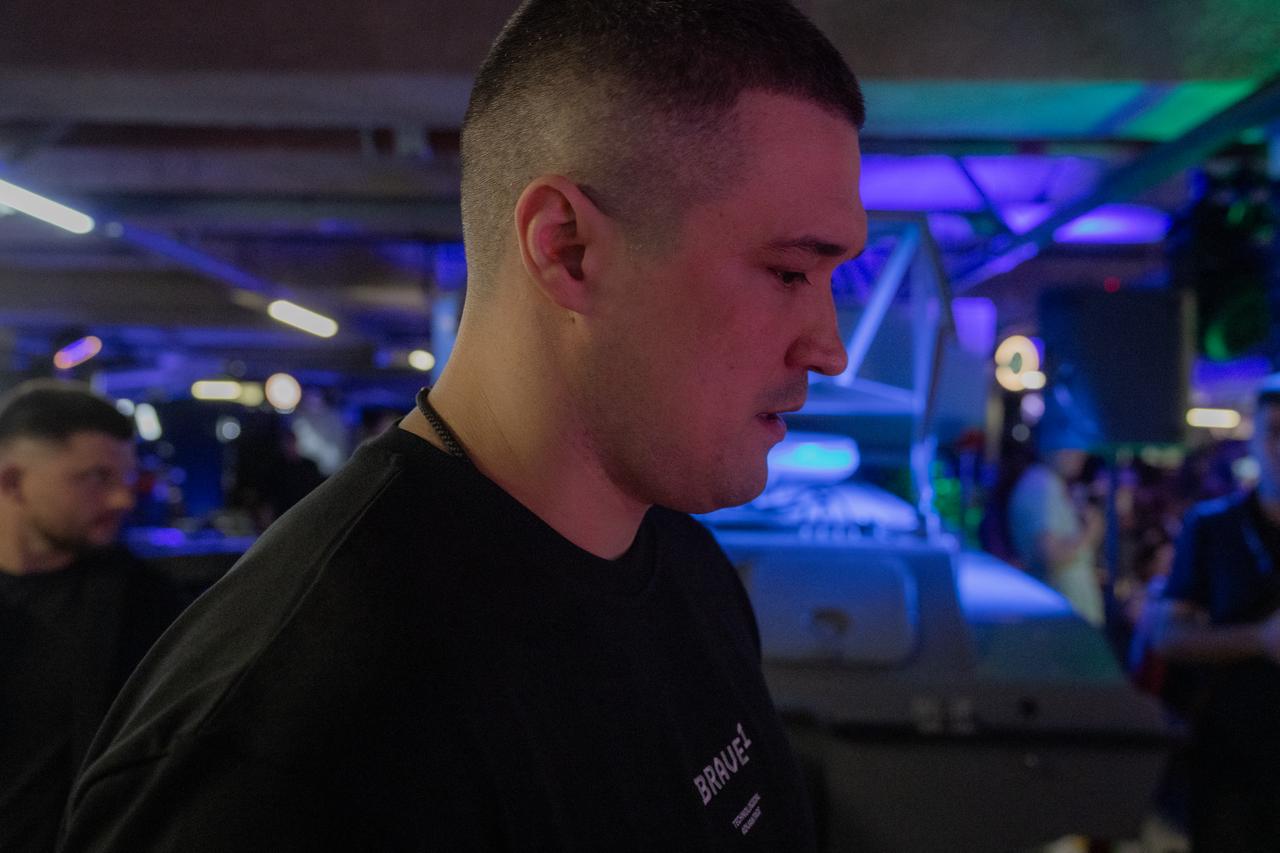

In his garage workshop, Ukrainian engineer Eduard Trotsenko showed off prototypes and futuristic ideas he hopes to bring to the battlefield, including "mechanical birds" that could land on high-voltage power lines to recharge themselves and "robot dogs" that could be sent into combat.
"In order to save human lives, to save soldiers, there must be robots," Trotsenko told Agence France-Presse (AFP).
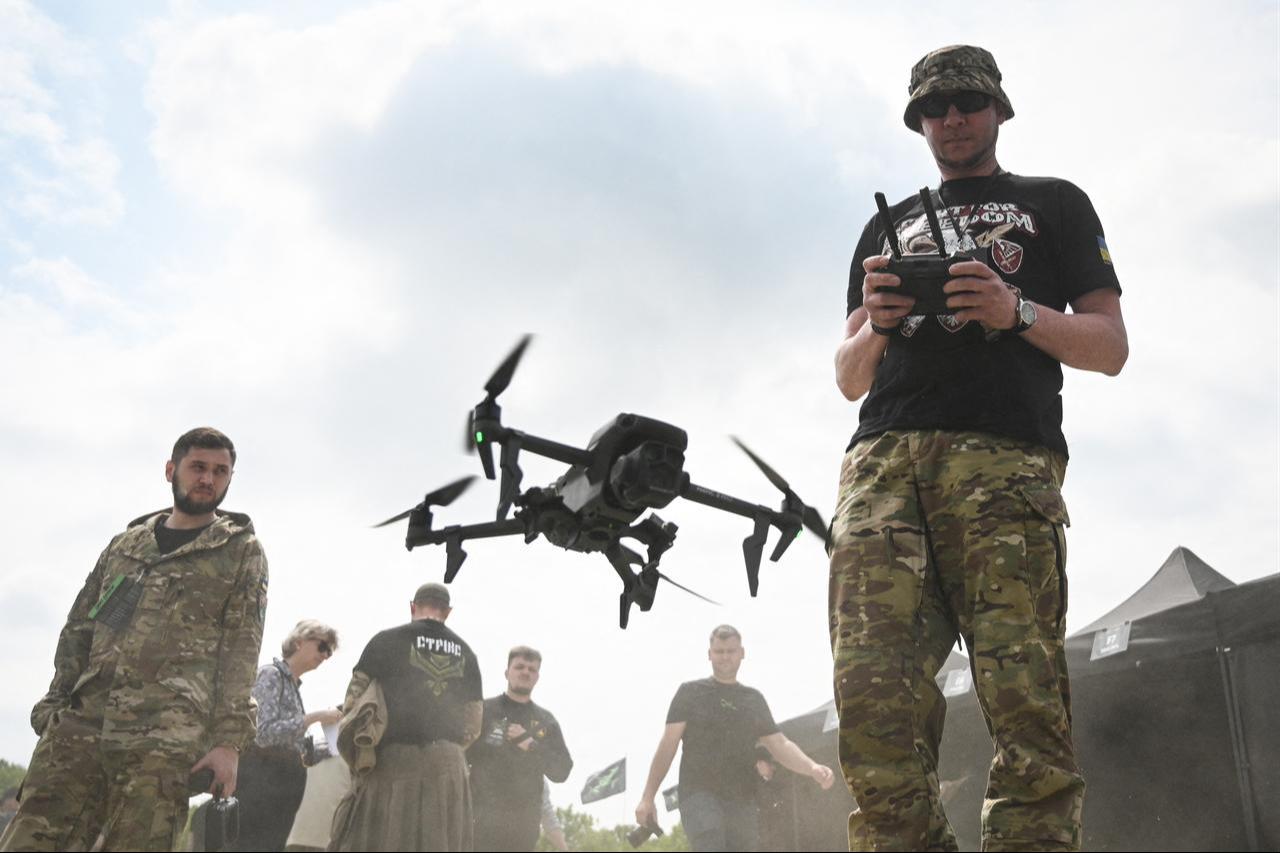
Autonomous weapons have come to dominate the war with Russia.
Aerial drones are used on the front lines for reconnaissance and to drop explosives, while ground robots support logistics operations. Ukraine has built a sprawling drone industry from scratch, one Zelenskyy has called the best in the world.
Fedorov's dismissal, as he was one of the most ardent backers of drones within the government, raised some concerns over the sector's future.
"I don't understand why they sacked Fedorov," Trotsenko, founder and CEO of robot manufacturer Temerland, said. Despite his removal, industry players and military personnel who spoke to AFP said there was no going back now.
"The young people there won't let it go. There'll definitely be drones," Trotsenko said.
Trotsenko, 55, was born in Soviet Kazakhstan and switched from making car-charging stations to military robots when Russia invaded.
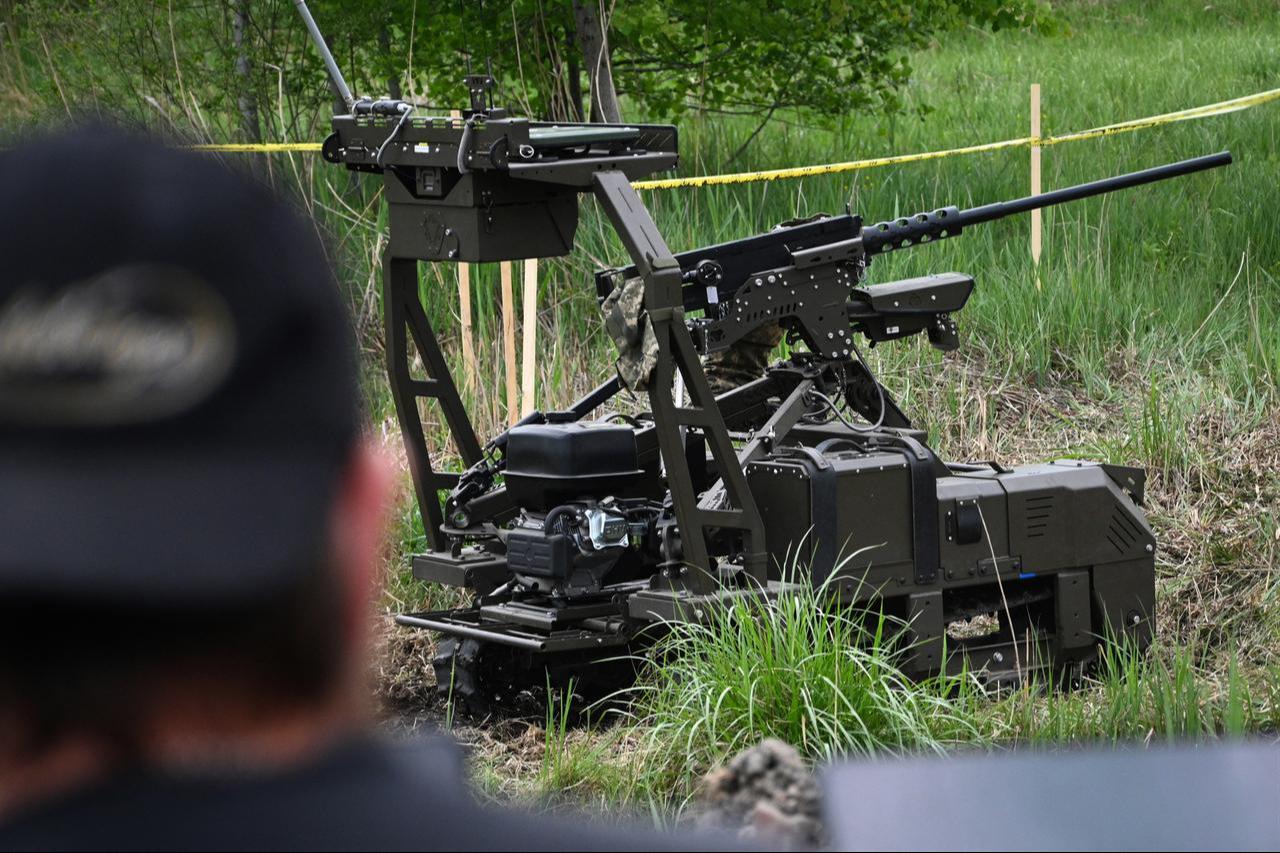
His specialty is ground drones, autonomous vehicles that operate in the "kill zone," the kilometers-deep stretch of territory where Russian and Ukrainian drones lurk in the skies, posing a constant danger to anyone below.
For now, these ground robots mainly help evacuate wounded soldiers from the battlefield or ferry supplies, reducing the need to send additional soldiers into the kill zone. But Trotsenko is also developing combat prototypes, one equipped with an RPG rocket launcher and the other with a heavy machine gun, controlled by onboard artificial intelligence.
"They're currently being tested in some brigades," said Trotsenko, who is awaiting approval from the General Staff for a wider rollout.
Fedorov had been crucial to pushing the technological shift within Ukraine's army.
He created the Defense AI Center A1, a hub dedicated to embedding artificial intelligence in the military and using live feedback from the front to speed the deployment of new technology.
Fedorov also pushed to bring private companies into the military procurement system, putting competition at the heart of the army's innovation efforts.
"In a private company, you can take risks more quickly," Trotsenko said, explaining how smaller companies were incentivized to modify and adapt quickly to win military contracts.
A 45-year-old military commander who goes by the call sign "Jason" and heads a unit that operates ground drones similar to those Trotsenko develops said he was unconcerned about the impact of Fedorov's ouster on Ukraine's drone development.
"You can afford to lose a drone, but not a person. The probability of human losses there is reduced," he told AFP, describing the underlying philosophy that had guided Fedorov's push at the defense ministry.
After Fedorov was sacked, protesters forced out Syrskyi, the Soviet-style commander-in-chief who had clashed with Fedorov's reform drive, criticizing him for not embracing drones and being too careless with soldiers' lives.
Asked whether Fedorov's removal could set back Ukraine's drone development, Jason dismissed the concern.
"It's not that simple ... the technological initiative was not flowing from the top down. It wasn't a government order," he said. After Russia's invasion, "there was an explosion of bottom-up initiative," he added, describing how young engineers created new products, showed them to the military, and then began their own development based on what the military wanted.
Programmers, telecom specialists and engineers are now fully integrated into the army, according to Jason, who said "the shortage of professionally trained people" remains the biggest challenge he faces.
Back in his workshop, Trotsenko's engineers are already working to redefine the technological and geographical limits of war.
On a whiteboard, he sketched his vision of the future: conflicts fought by "humanoid robots," controlled by operators in another country, or by wounded soldiers lying in hospital beds.
"Things have really taken off," he said.


 Set as preferred source
 Set as preferred source


 1 min read
 1 min read