Sign in
 Newsletters


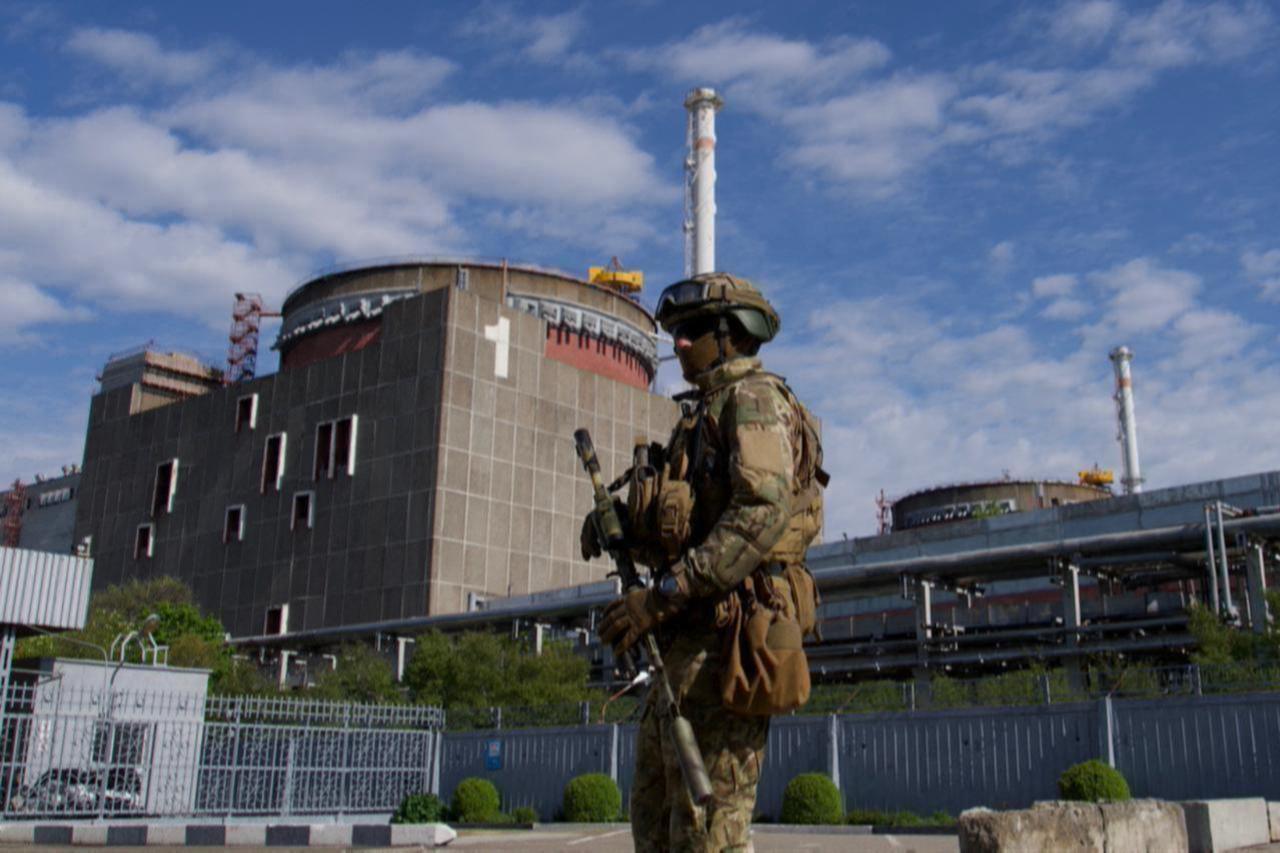


The risk of a nuclear accident in Ukraine is increasing this winter as Russian drone and missile attacks threaten the country's electricity infrastructure, nuclear safety regulators representing 38 countries warned Monday, urging Moscow to halt strikes on facilities essential to nuclear safety.
In a joint statement obtained by Reuters, three international nuclear and radiation safety organizations expressed concern over the growing threat to Ukraine's nuclear power plants, which depend on a stable electricity supply to keep nuclear material cool and prevent a potential meltdown.
"Together we... express our deep concern about the increasing risks to nuclear safety arising from Russia's war against Ukraine, and its continued attacks on the country's energy infrastructure," the regulators said.
The statement was issued by the Heads of the European Radiological Protection Competent Authorities (HERCA), the Western European Nuclear Regulators Association (WENRA) and the Heads of the Nordic Radiation Safety Authorities (NORA).
Together, the organizations represent 38 countries, including all European Union members, the U.S., Britain, Canada and Japan.
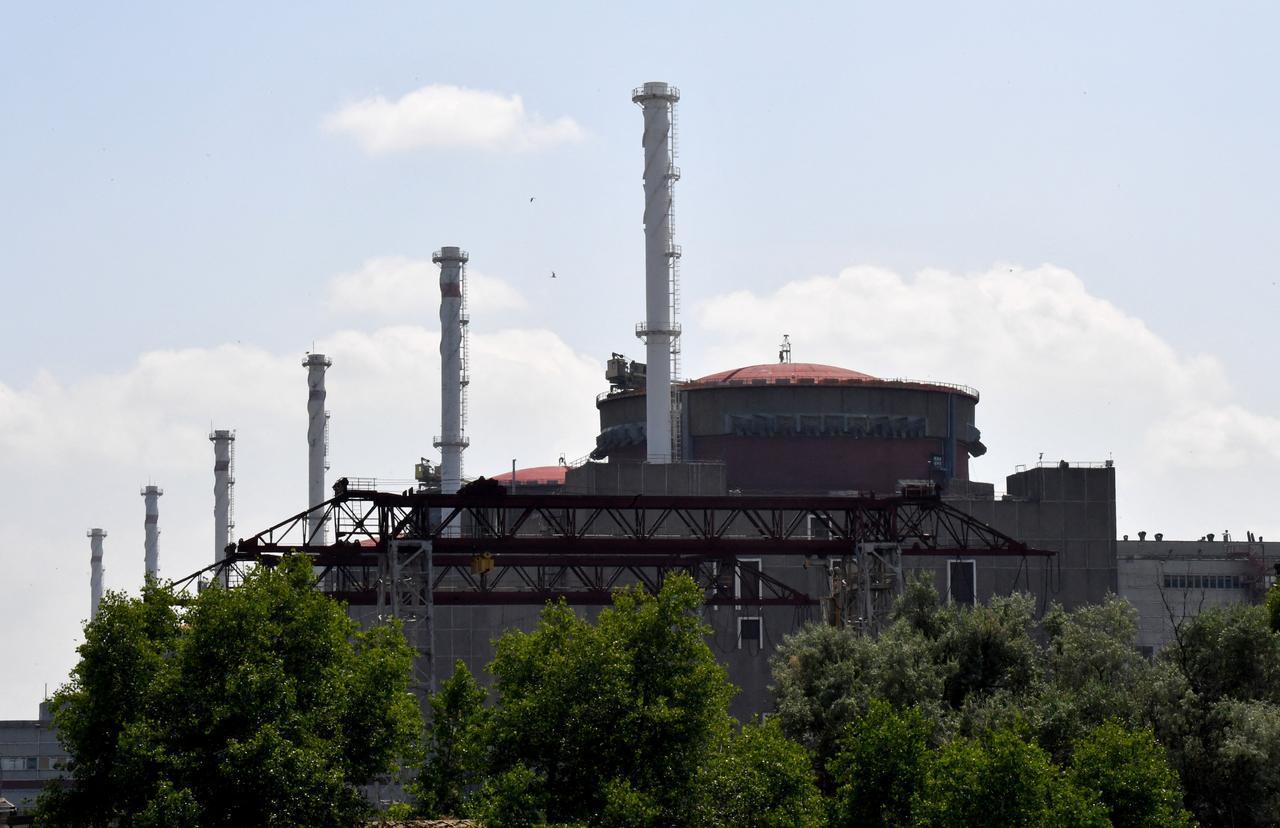

Russian attacks on Ukrainian power plants, transmission lines and electricity substations have intensified, further weakening an energy system damaged by nearly five years of war.
Per Strand, head of HERCA and NORA, told Reuters that Russian strikes had become more destructive in recent weeks, with drones carrying larger payloads and using more precise targeting.
"Because of this new tactic of the Russians, ... clearly the highest risk will be this winter for a nuclear accident," Strand said.
He warned that a nationwide power blackout could simultaneously affect Ukraine's nine operating nuclear reactors, creating the risk of radioactive releases.
"Nine reactors at the same time with the potential of (radioactive) releases would be quite a severe situation," he said.
The regulators warned that prolonged power disruptions could prevent nuclear facilities from maintaining adequate cooling, potentially causing a meltdown and releasing radioactive material into the atmosphere.
A similar release occurred during the 1986 Chornobyl disaster, which spread radioactive iodine-131, caesium-134 and caesium-137 across Ukraine, Belarus, Russia and parts of northern and central Europe.
Strand said the risks could still be reduced if Russia stopped attacking energy infrastructure. Otherwise, European countries would need to strengthen coordinated emergency preparedness.
Ukraine has four nuclear power plants, three of which remain operational and provide approximately 80% of the country's electricity this winter.
The fourth, Zaporizhzhia, Europe's largest nuclear power plant, is under Russian control near the front line. Although it is not generating electricity, it still relies on external power supplied from Ukraine to cool its nuclear material.
The International Atomic Energy Agency (IAEA) said Saturday that military activity had destabilized Ukraine's electricity supply during the previous week, forcing some operating nuclear reactors to reduce power output.
According to the agency, Zaporizhzhia has lost external electricity supplies 27 times since the war began, requiring the facility to rely on emergency diesel generators.
Since late March, the plant has depended on a single external power line, increasing concerns about its vulnerability to further disruptions.
Russia and Ukraine have accused each other of attacking the facility and damaging the power lines supplying it.
The regulators urged Moscow to stop attacks on Ukraine's nuclear facilities and the energy infrastructure necessary for their safe operation, warning that continued disruptions could increase the risk of a nuclear emergency.


 Set as preferred source
 Set as preferred source


 2 min read
 1 min read