Newsletters


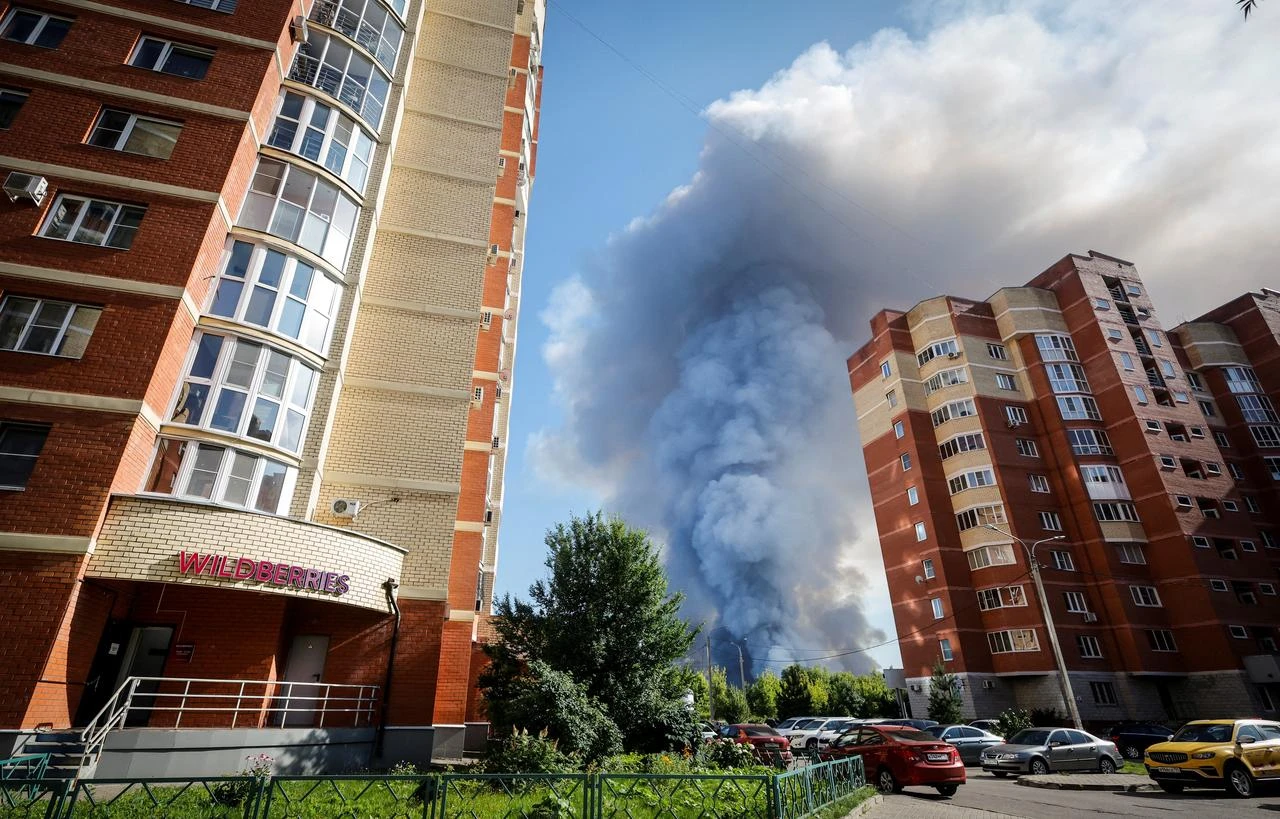
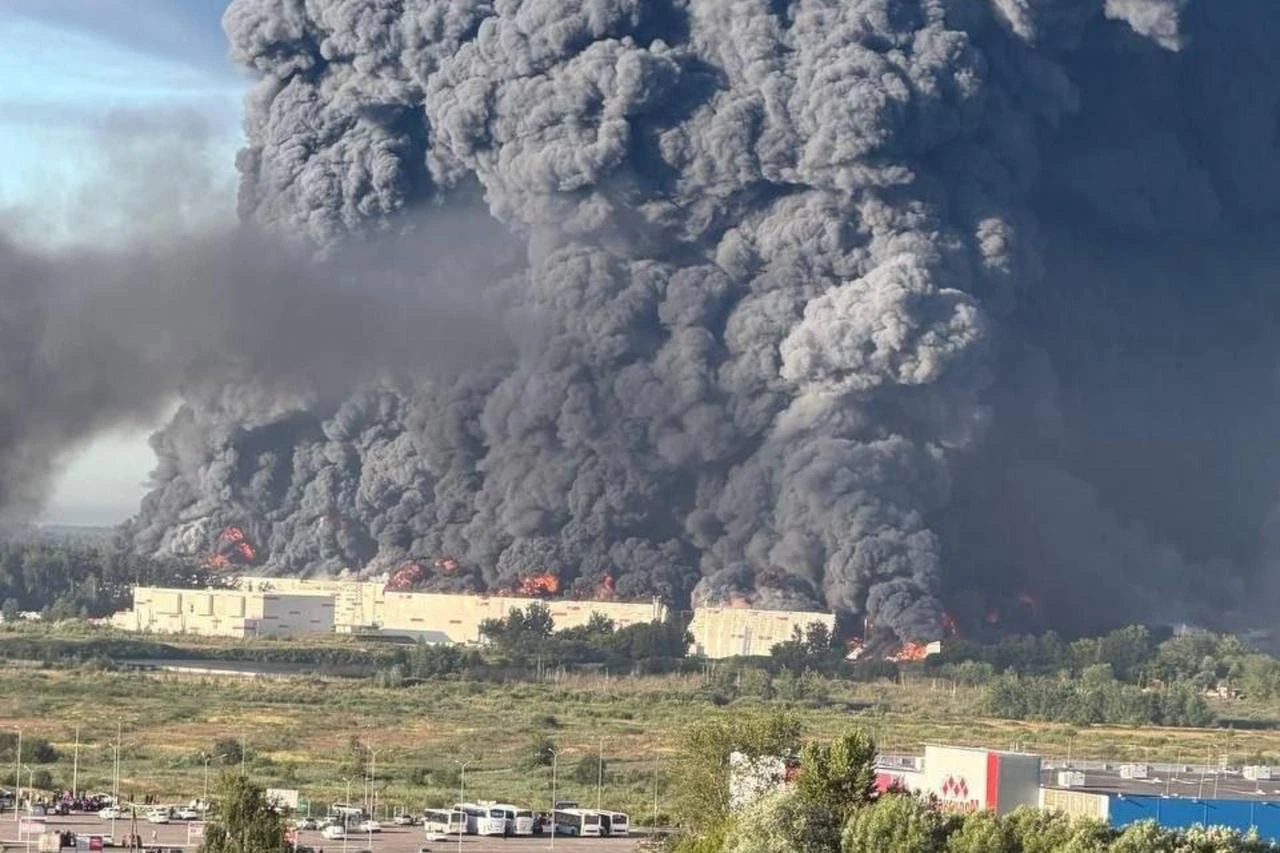
A warehouse belonging to Russian online retailer Wildberries in the Leningrad region near St. Petersburg caught fire after a Ukrainian drone attack, regional Gov. Alexander Drozdenko said Friday.
Drozdenko said in a written statement that the strike hit a Wildberries warehouse in the region's Vsevolozhsk district.
A fire broke out at the facility after the attack, injuring three people who were taken to a hospital for treatment, he said.
Wildberries, Russia's largest e-commerce platform, said operations at two of its logistics sites in the region had been temporarily halted. It also said staff at its warehouse in Crimea had been evacuated.
The company said none of its employees were hurt in the latest attack.
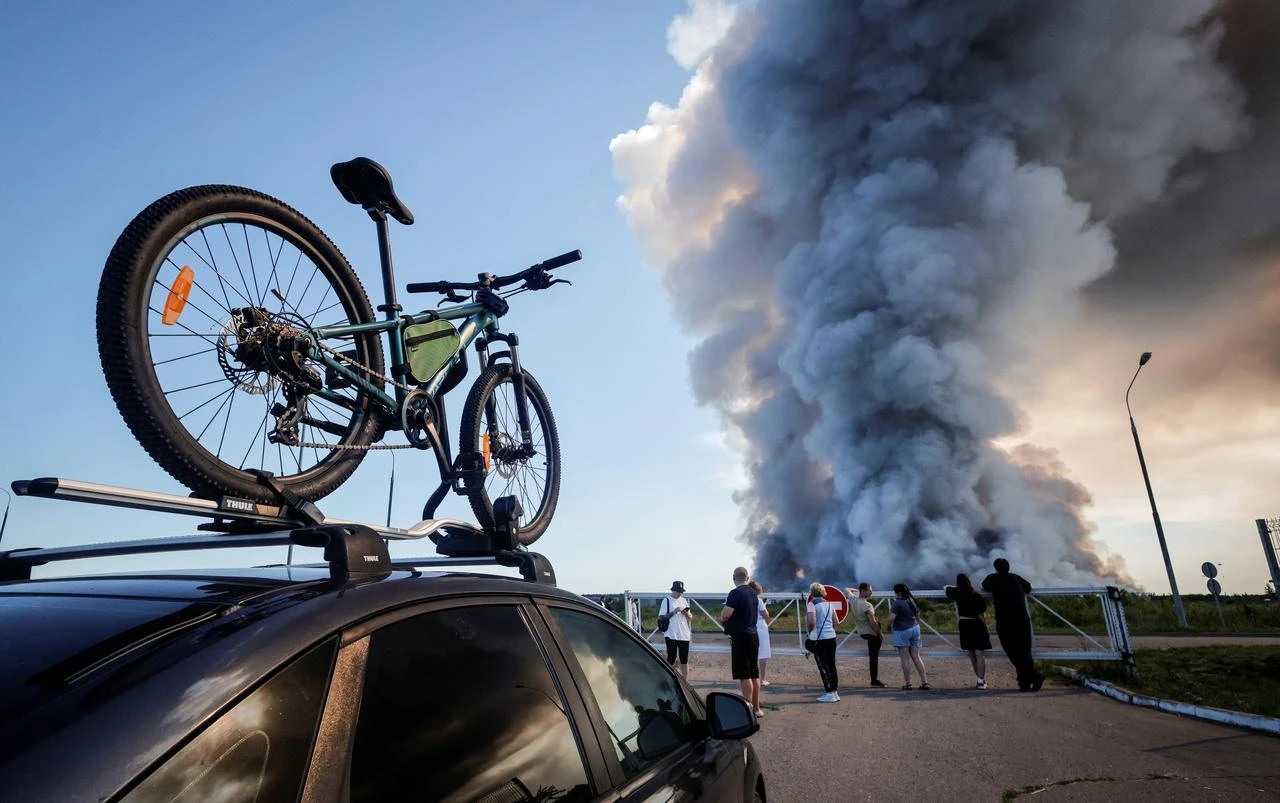

The strike was the third overnight attack by Ukraine on Wildberries sites in the past week.
Different logistics centers belonging to Wildberries have been targeted by intense drone attacks in recent days.
Eight people were killed in July 18 attacks on logistics hubs in the cities of Kotovsk and Elektrostal.
One of the company's logistics hubs outside Moscow was hit last weekend, killing eight night-shift workers and burning the facility to the ground.
Ukrainian President Volodymyr Zelenskyy alleged after the first attack that the facilities were used to "supply sanctioned components for drone production and navigation equipment."
Kyiv says the company is part of infrastructure that supports the Russian military. Russia denies that the company, which is central to the country's consumer economy, handles any military supplies.
Together with smaller rivals, Wildberries and top competitor Ozon sell goods and services worth the equivalent of 8.5% of Russia's gross domestic product and employ 4 million people, or more than 5% of the country's workforce.
St. Petersburg's Pulkovo airport suspended flights during the attack and resumed operations around 6 a.m. local time, or 3 a.m. GMT, with about 50 departures disrupted.
Drozdenko said 59 Ukrainian drones were shot down.
Russian officials rarely acknowledge that Ukrainian drones hit their targets, typically reporting only the number intercepted or attributing fires to falling debris.
Kyiv has targeted St. Petersburg as it steps up long-range drone strikes on Russian energy, military and logistics sites in recent weeks.
Kyiv calls the campaign "long-range sanctions," saying the attacks are justified retaliation for Russia's nightly drone and missile barrages against Ukrainian cities.
The campaign has triggered nationwide fuel shortages and, according to Kyiv, dented Russia's financial war chest.
Both Russia and Ukraine have escalated long-range strikes in recent months.
Moscow's forces have fired increasing numbers of ballistic missiles at Kyiv, killing dozens and tearing open apartment blocks.
U.S. President Donald Trump has appeared to back Ukraine's counterattacks on Russia, calling the strikes "an escalation that can lead to an end."
Washington's attempts to mediate a peace deal between the warring sides have largely stalled as its own war with Iran continues.
Moscow has refused to compromise on demands that Ukraine permanently give up territory it still controls and renounce Western military support.
The Kremlin has said Ukrainian strikes make it more determined to prosecute the war and has threatened to seize more land in Ukraine's east and south.
The United Nations has reported a surge in civilian deaths in 2026, saying June was the deadliest month since mid-2022.
Hundreds of thousands of soldiers and tens of thousands of civilians have been killed since Russia launched its full-scale offensive in February 2022, though there is no precise toll because neither side routinely releases its losses.
Zelenskyy has replaced both his defense minister and commander-in-chief in the past week amid splits in the military hierarchy over a reform drive inside the army.


 Set as preferred source
 Set as preferred source


 1 min read

 1 min read