Newsletters


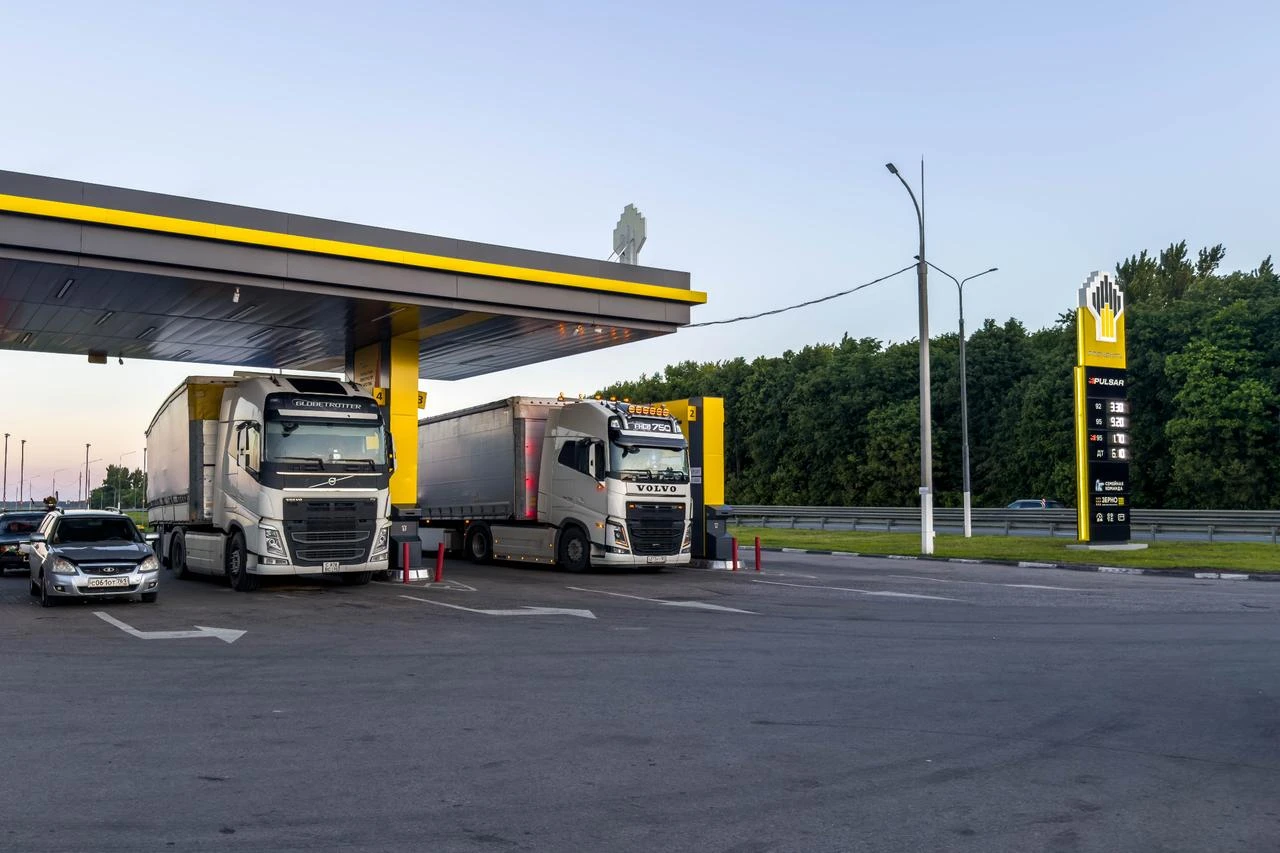


Russia's electric and hybrid car sales surged 90.7% year-over-year to 54,300 units in the first half of 2026, while total new vehicle sales rose 12% to 679,800, as fuel shortages persisted despite government efforts to stabilize the domestic market.
Data from Russia's Industry and Trade Ministry showed electric and hybrid vehicles accounted for nearly 8% of all new passenger car sales in the January-June period, up from 5.4% a year earlier.
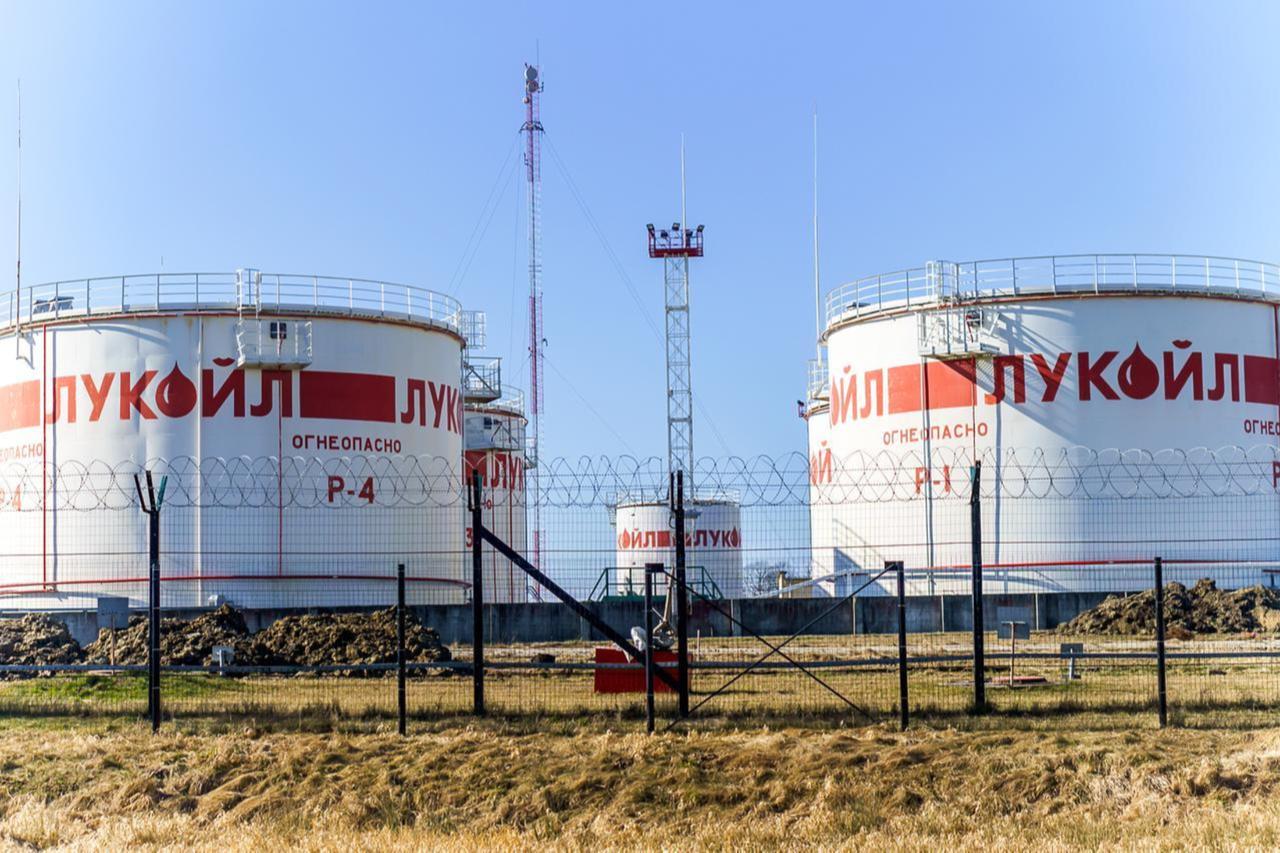
The growth in EV and hybrid sales comes as Russia continues to grapple with fuel supply disruptions after Ukrainian drone strikes on oil refineries forced numerous facilities into maintenance.
To keep the domestic market supplied, the Russian government has periodically introduced restrictions on fuel sales and exports through the end of July. Around 40 regions, including Moscow and St. Petersburg, remain subject to limits on fuel sales.
Authorities have also temporarily relaxed fuel quality rules, allowing some refineries to produce Euro-3 gasoline and diesel through Dec. 31, 2026, to boost domestic fuel availability.
Russia's Energy Ministry said the move would provide additional fuel to the local market to help meet current demand. Euro-3 fuel contains a higher sulfur content than the fuel grades currently sold across the country.
State-run nuclear company Rosatom's CEO, Alexei Likhachev, also said this week that fuel shortages across Russia had driven a sharp increase in demand for electric vehicle charging, with usage at the company's network of more than 290 charging stations rising 40% between June 21 and June 28.
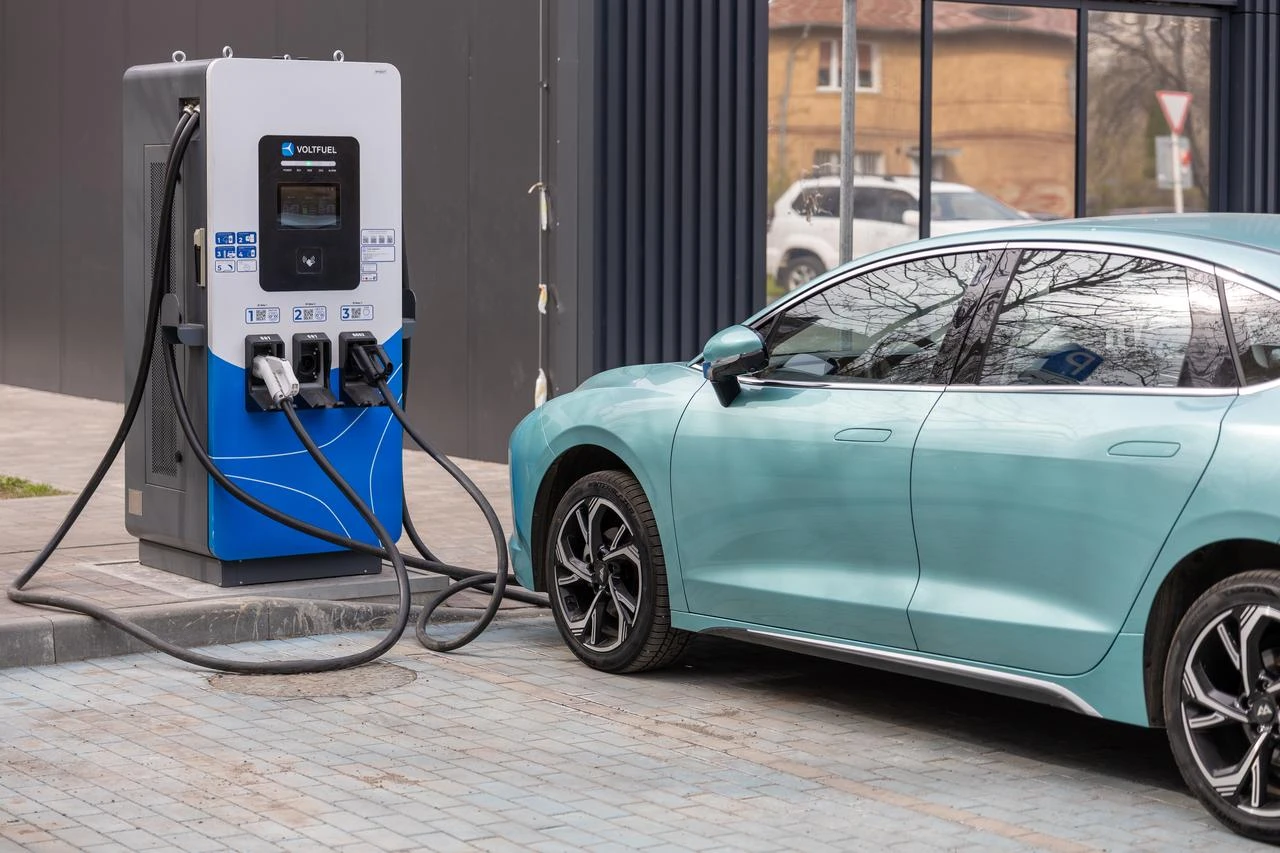

Separately, the Russian government reduced the share of Class 5 gasoline that refiners are required to sell through the country's commodity exchange to 10% of production from 15% between July 1 and Sept. 30, giving producers greater flexibility to direct supplies to the domestic market as fuel shortages persist.
The measure is part of a broader package of emergency steps to boost fuel availability during the peak summer season, when refinery outages have continued to squeeze supplies.
Deputy Prime Minister Alexander Novak also announced a cap on exchange price fluctuations of no more than 0.01% per transaction, saying the move is intended to curb volatility in fuel trading and help stabilize prices.
Russia has also stepped up fuel imports, including shipments from India and Belarus. At least 60,000 metric tons of gasoline have already arrived from India, while Moscow plans to import up to 400,000 metric tons per month from several countries to shore up domestic supplies, Reuters reported.


 Set as preferred source
 Set as preferred source


 1 min read
 1 min read