Newsletters


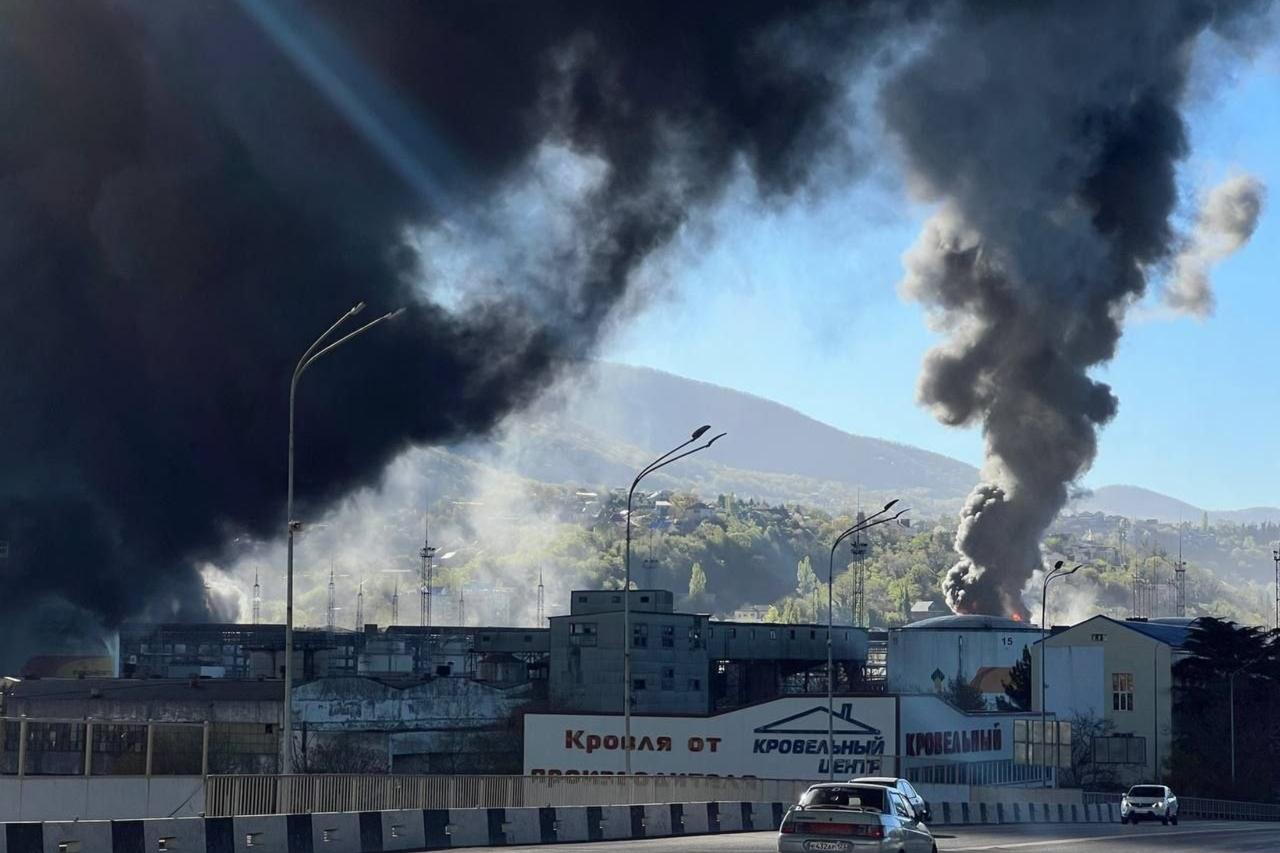


Ukrainian drones struck Russia's Tuapse oil refinery in the Krasnodar region for the third time in two weeks Monday night, causing a new fire just four days after local authorities had fully extinguished a blaze at the port's marine terminal from the previous attack.
An open-source intelligence (OSINT) analysis by the Russian media outlet ASTRA indicates that the tank farm adjacent to the ELOU-AVT-12 processing unit had been struck, as 122 firefighters with 39 vehicles worked to contain the fire.
The Krasnodar regional operational center confirmed the drone attack and resulting fire, stating, "As a result of falling debris from drones that were shot down, a fire broke out at the oil refinery in Tuapse. No casualties or fatalities. 122 people and 39 vehicles are involved in firefighting operations."
Russia's Defense Ministry separately confirmed that 186 Ukrainian drones had been neutralized by air defense systems across various regions and over the Azov and Black Seas between 10 p.m. local time Sunday and 7 a.m. Monday.
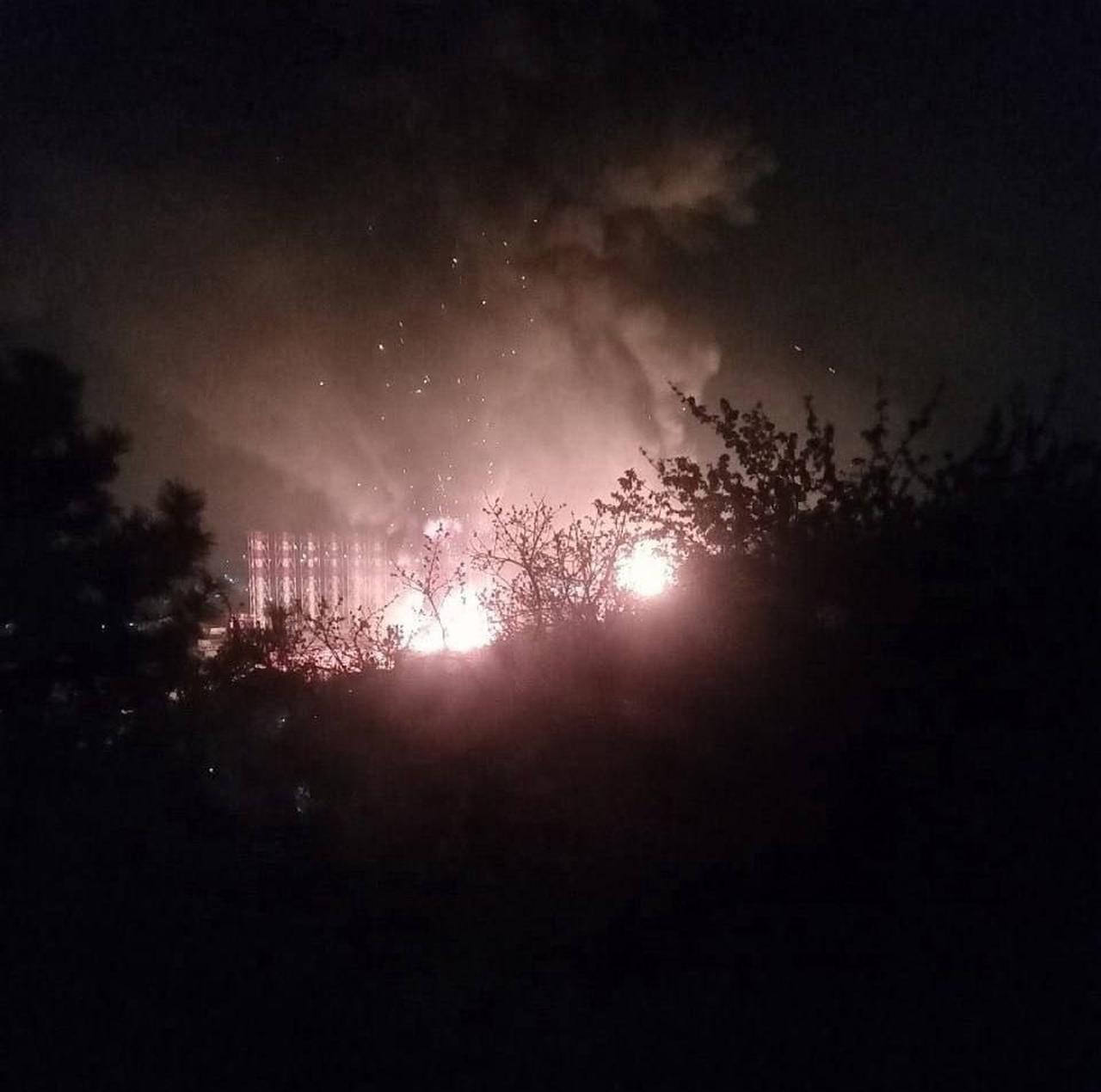
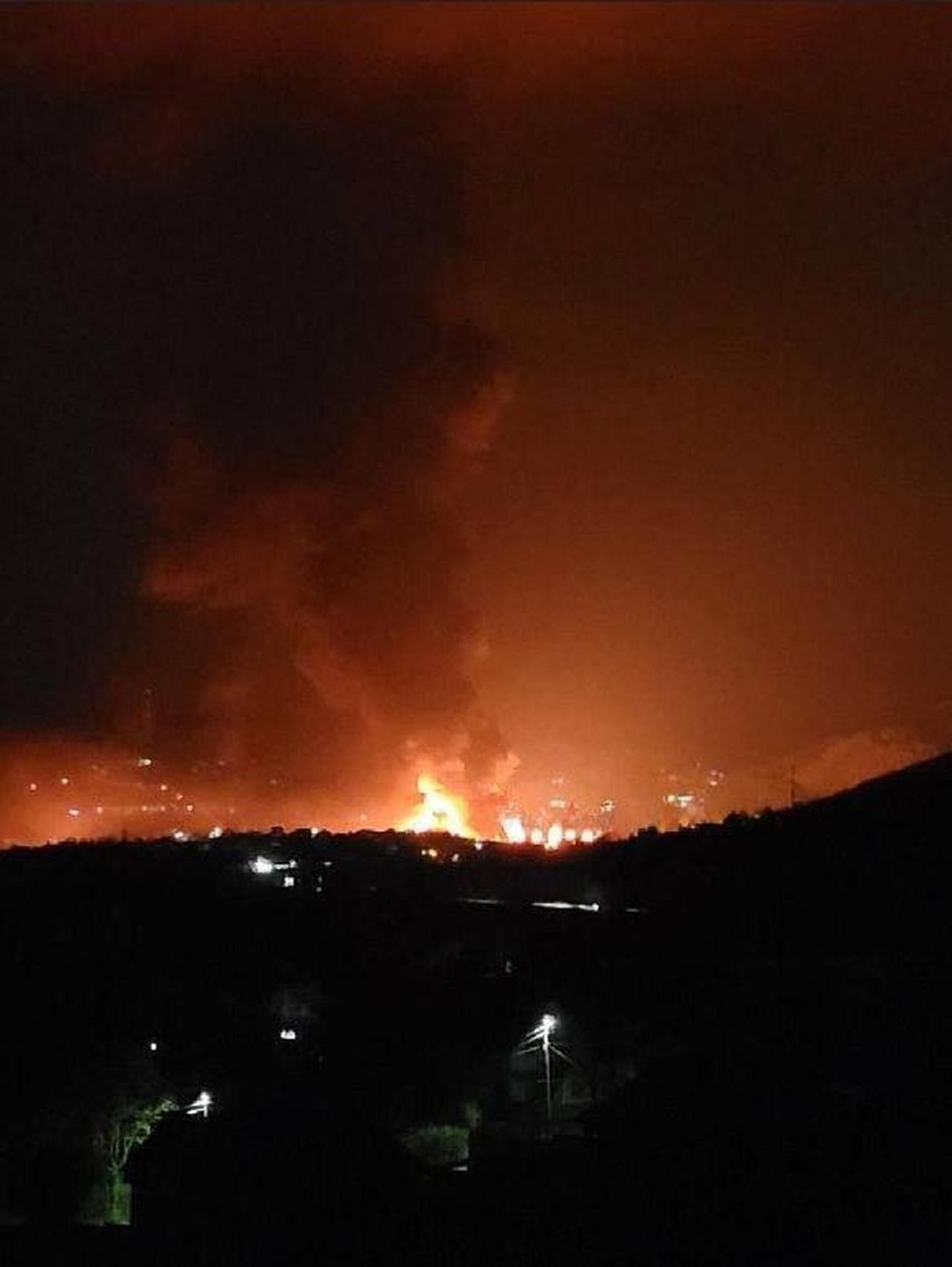
ASTRA's OSINT analysis of eyewitness footage confirmed the Tuapse refinery was on fire, with the tank farm near the ELOU-AVT-12 unit preliminarily identified as the strike point.
Krasnodar authorities had announced only four days earlier, on April 24, that the fire from the previous attack on the marine terminal had been "fully extinguished."
Ukraine had previously struck Tuapse on April 16 and April 20. After the April 20 attack, the refinery halted its sole processing unit. Industry sources confirmed to Reuters that operations had stopped on April 16.
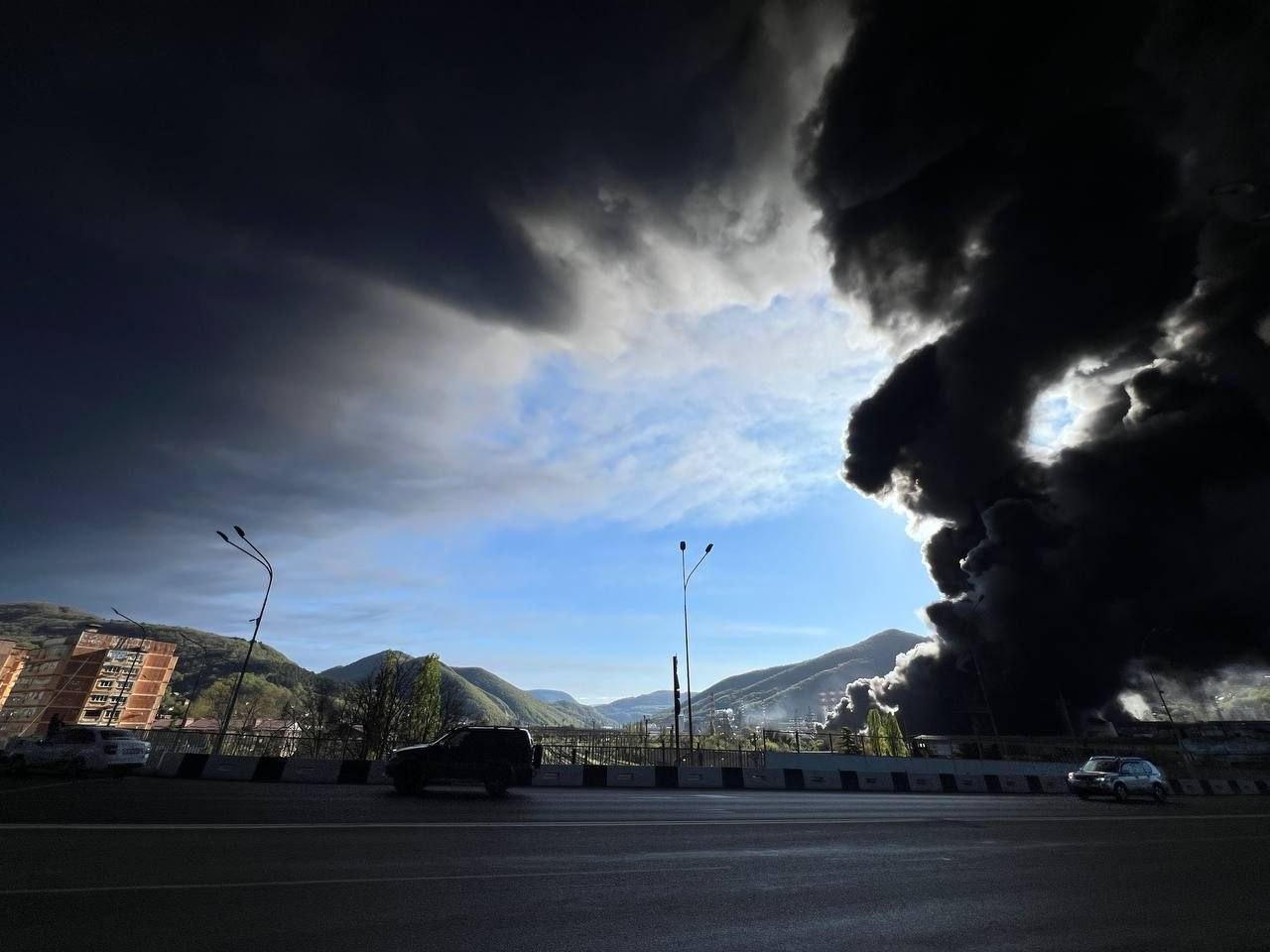

The Tuapse refinery is Rosneft's only refinery on the Black Sea coast and one of Russia's oldest. It has an annual processing capacity of approximately 8.6 to 12 million metric tons, approximately 240,000 barrels per day, producing naphtha, diesel, fuel oil and vacuum gasoil, with 90% of output exported through the adjacent marine terminal.
The facility has been periodically targeted by Ukrainian drones since 2024.
Previous attacks caused an oil spill into the Black Sea.
Residents reported "oil rain" in the area, local animals were covered in oil residue and a major oil slick appeared in coastal waters.
On April 20, Russia's consumer health authority Rospotrebnadzor advised Tuapse residents to avoid going outside unnecessarily.


 Set as preferred source
 Set as preferred source




 3 min read