Newsletters





The United Nations General Assembly has adopted a landmark resolution on Wednesday declaring the transatlantic slave trade the “gravest crime against humanity."
The body has called for reparations, exposing deep divisions among member states over how history should be addressed.
The resolution, proposed by Ghana and backed by African and Caribbean nations, passed with 123 votes in favor, while the United States, Israel and Argentina voted against. Fifty-two countries abstained, including the United Kingdom and all European Union members.
Although General Assembly resolutions are not legally binding, they carry political weight and signal the direction of global opinion.


The resolution describes the trafficking and enslavement of Africans as a defining rupture in world history, given its scale, brutality and long-term impact on global systems of labor, property and capital.
For more than four centuries, millions of Africans were forcibly taken, enslaved and transported across the Atlantic. The consequences, the U.N. argues, continue to shape modern inequalities, including systemic racism and economic disparities.
Speaking ahead of the vote, Ghana’s President John Dramani Mahama framed the resolution as both for recognition and accountability.
“Today, we come together in solemn solidarity to affirm truth and pursue a route to healing and reparative justice,” he said.
U.N. Secretary General Antonio Guterres called for concrete action beyond symbolic recognition, urging states to dismantle structural barriers that still affect people of African descent.
“We must remove the persistent barriers that prevent so many people of African descent from exercising their rights and realising their potential,” he said.
The resolution also requests the return of cultural artefacts taken during colonial periods and encourages formal apologies, financial compensation and policy reforms to address long-standing inequalities.
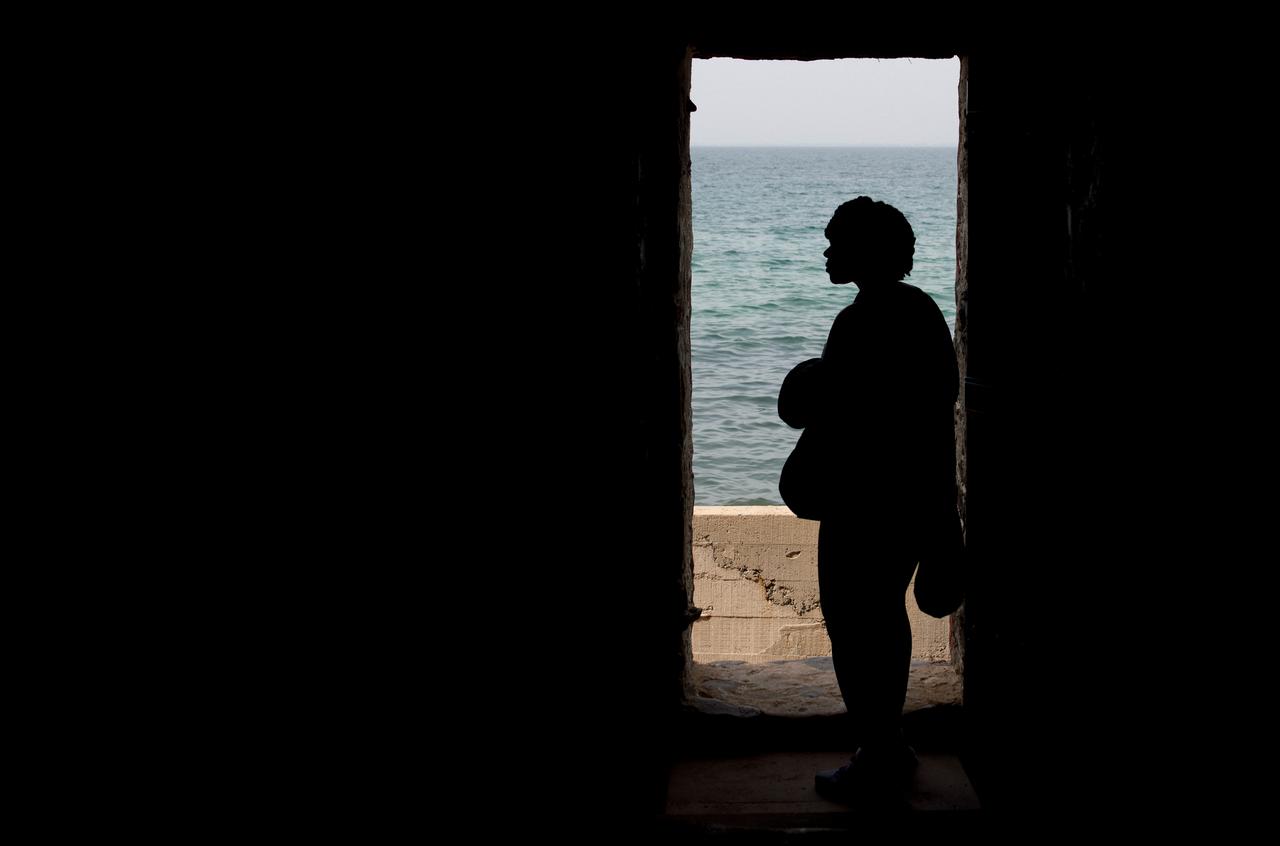
The vote exposed clear fault lines between countries pushing for reparatory justice and those raising legal and political objections.
The United States argued that while it condemns slavery, it does not accept a legal obligation to provide reparations for acts that were not illegal under international law at the time.
“The United States does not recognize a legal right to reparations for historical wrongs that were not illegal under international law when they occurred,” said Deputy U.S. Ambassador Dan Negrea, according to U.S. National Public Radio (NPR).
Washington also objected to the resolution’s language, warning that describing slavery as the “gravest” crime risks creating a hierarchy among atrocities.
European countries echoed similar concerns. Representatives from the U.K. and EU said they opposed any framing that ranks crimes against humanity or applies modern legal standards retroactively to historical events.
At the same time, Western diplomats acknowledged the enduring impact of slavery and expressed support for addressing contemporary forms of racism, discrimination and modern slavery.

Supporters of the resolution see it as a critical step toward formal recognition and accountability at the highest international level.
The text calls on countries to engage in discussions on reparatory justice, including apologies, restitution, compensation and guarantees of non-repetition. It also encourages international cooperation between regional bodies such as the African Union and the Caribbean Community.
Advocates argue that the legacy of slavery continues to shape global inequalities, from wealth distribution to political power.
Historians have linked wealth from enslavement to mass industrialization in Western countries. A petition presented in the U.K. Parliament, cited by The Guardian, states that “so many of the intersecting global challenges we now face are rooted in the legacies of enslavement and empire.”
“There can be no peace without justice – reparatory justice,” said Esther Philips, Barbados’ poet laureate, addressing the General Assembly.
Critics, however, warn that the resolution’s legal framing could complicate international law and diplomacy, particularly as debates over historical responsibility intersect with current political tensions.


 Set as preferred source
 Set as preferred source


 4 min read