Newsletters


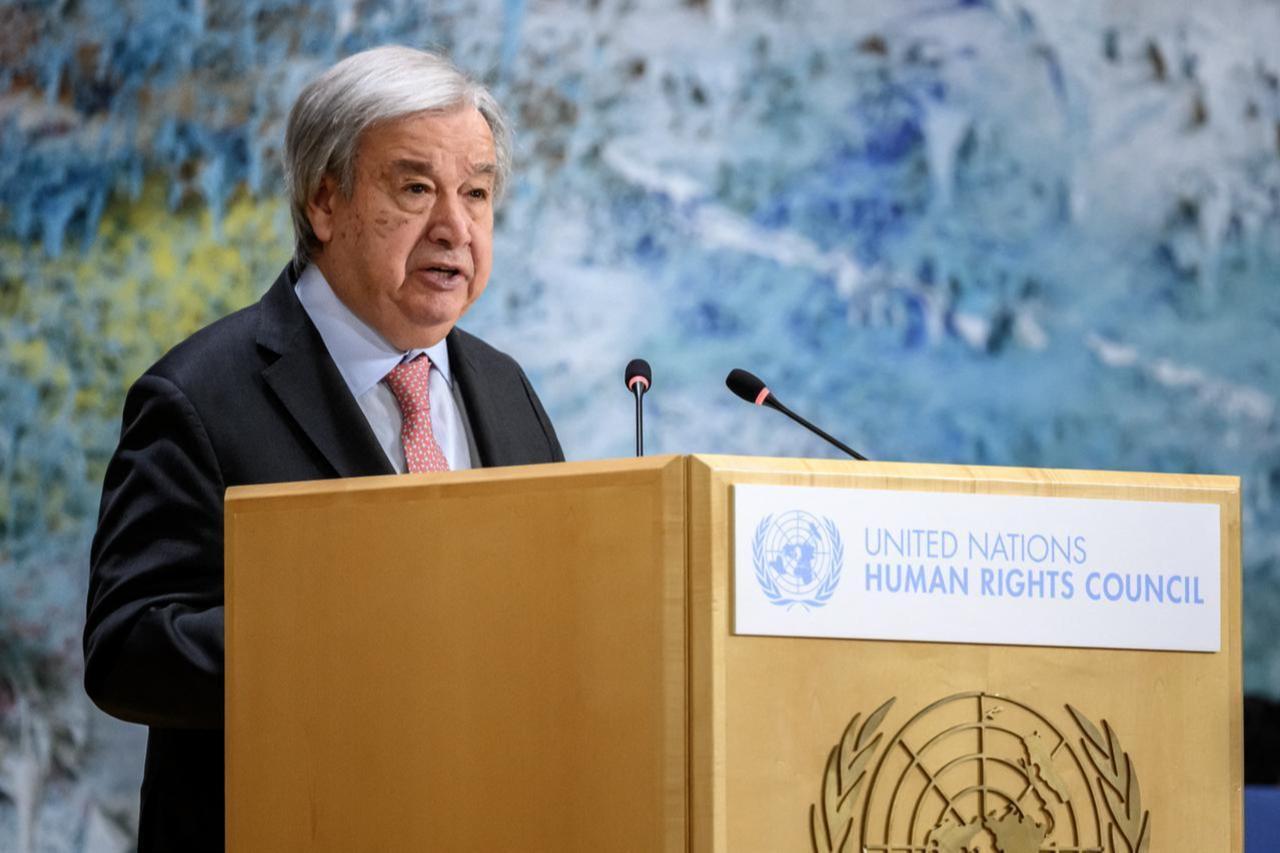


The United Nations secretary-general called Tuesday for renewed diplomacy to end the war in the Middle East, warning that the conflict has no military solution and urging all parties to uphold international law as fragile truces remain in place across the region.
Antonio Guterres, speaking to reporters at UN headquarters, insisted that "serious negotiations must resume," and called on all actors in the Strait of Hormuz to respect freedom of navigation, a global commercial artery through which a significant share of the world's oil passes.
At the center of Guterres's appeal was the two-week truce struck between the United States and Iran following mediation by Pakistan, which the secretary-general said "must be preserved." The two sides held talks in Islamabad over the weekend without reaching an agreement, and US President Donald Trump said Tuesday that a second round of negotiations could take place in Pakistan "over the next two days."
Guterres framed the situation in stark terms. "There is no military solution to this crisis," he said, adding that peace agreements require "persistent engagement and political will."
Guterres welcomed the opening Tuesday of the first direct talks between Israel and Lebanon in decades, a dialogue being convened in Washington. The talks are opposed by Hezbollah, the Iran-backed militant group currently battling Israeli forces in southern Lebanon.
The secretary-general tempered expectations, saying no one expects the talks to resolve all outstanding issues, but expressed hope that they could "create the conditions to a change in the way the actors have been developing their activities."
He also offered an unusually candid assessment of the role both parties have played in Lebanon's political crisis, saying that Hezbollah and Israel have "always helped each other to destabilize the government of Lebanon."
Beyond the immediate flashpoints, Guterres issued a broader appeal for restraint and responsibility, warning that international law was being "trampled" around the world. He cautioned that "lawlessness breeds chaos," and the suffering and destruction that come with it.
The appeal reflects a well-established pattern at the UN, where the secretary-general's office has repeatedly sought to keep diplomatic channels open amid escalating regional hostilities, even as the Security Council has remained divided on binding action.


 Set as preferred source
 Set as preferred source


 2 min read
 1 min read