Newsletters


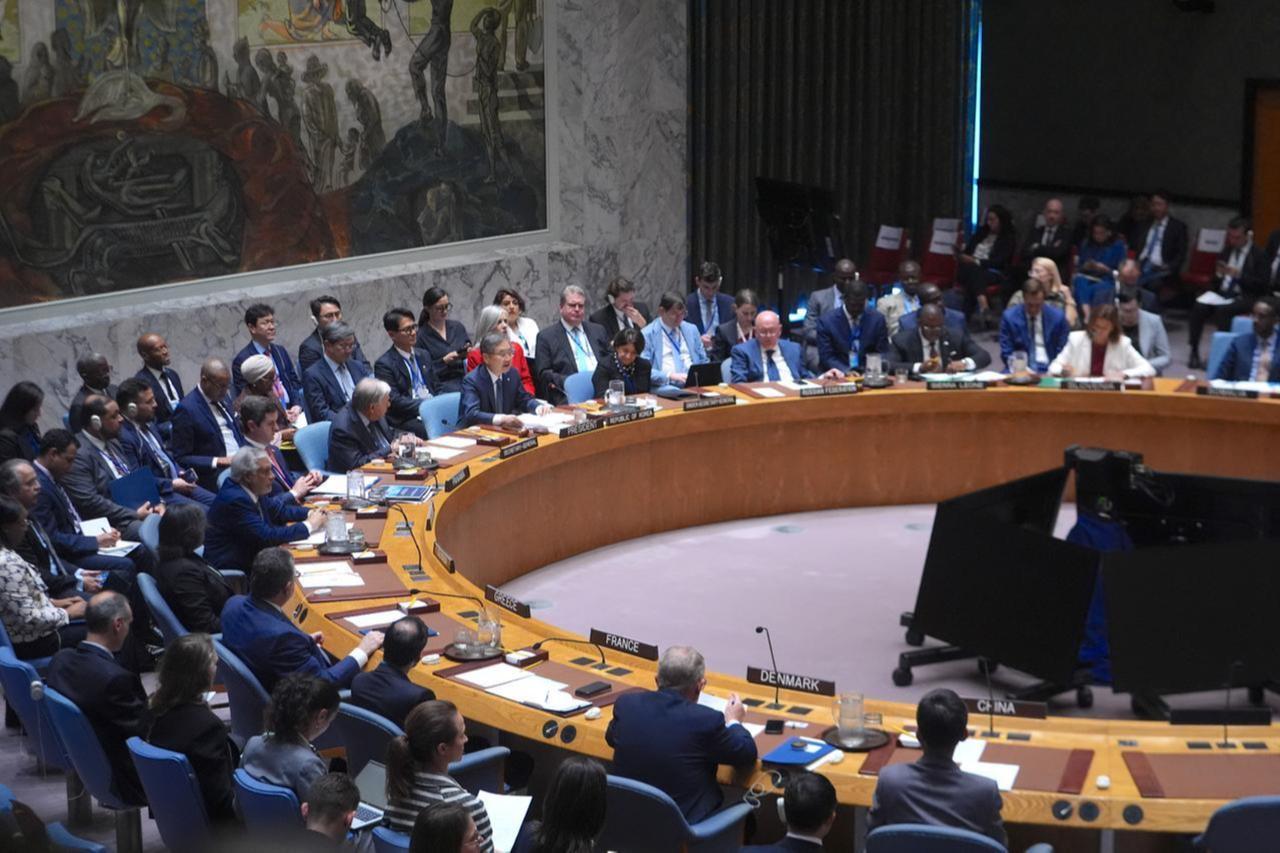


The UN Security Council convened an emergency meeting Tuesday at 3 p.m. New York time to address escalating violence in Yemen, as fighting around the strategic Bab el-Mandeb Strait triggers a fresh wave of displacement and threatens global shipping lanes.
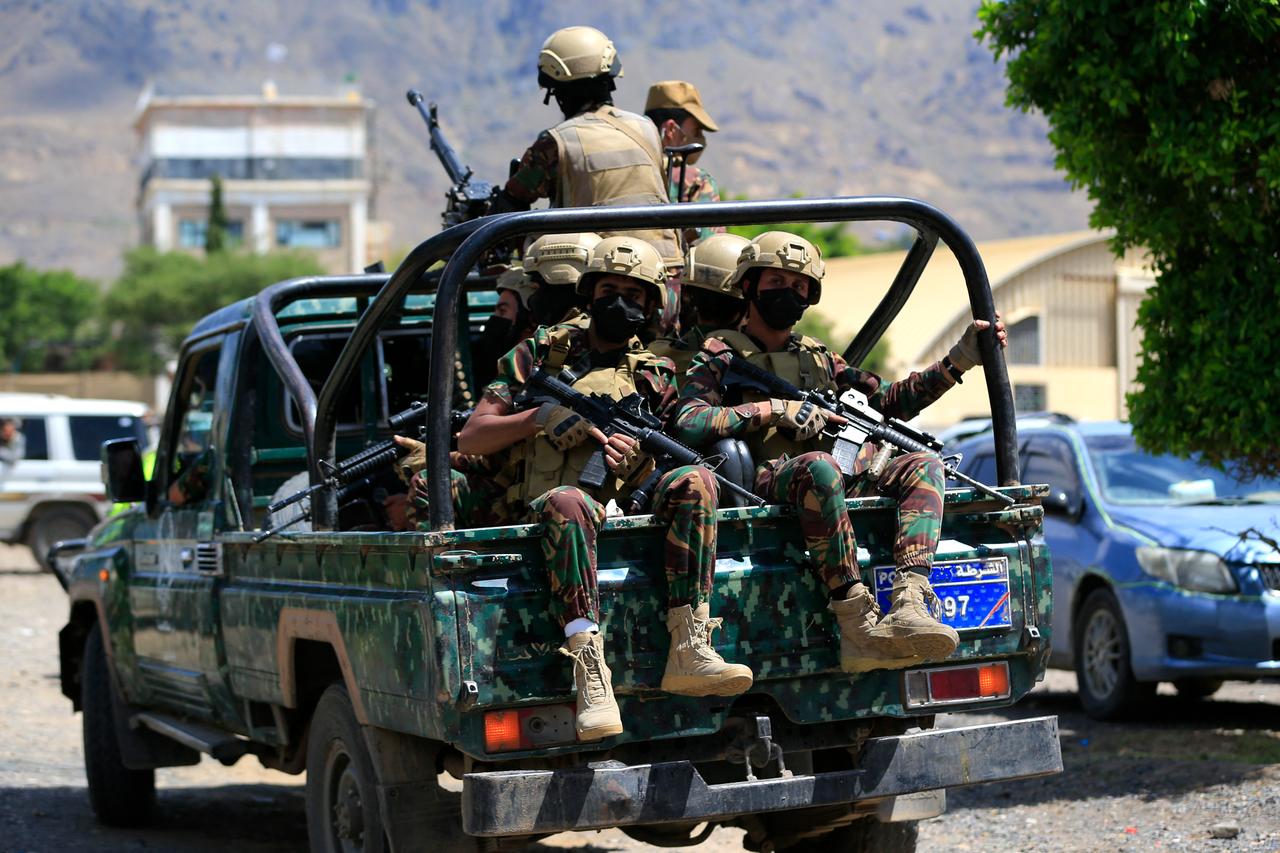
The session was called amid renewed clashes between Saudi-backed Yemeni government forces and Iran-backed Houthi militia, fighting that has spread across Aden, Al Hodeidah, Abyan and Ta'iz and pushed thousands of Yemenis to flee across the strait to Djibouti, according to the UN refugee agency, UNHCR.
The World Health Organization reported 2,883 casualties since Aug. 6, while the International Organization for Migration said 93,864 people have been newly displaced.
WHO's latest situation report also found that seven health facilities and medical assets were damaged, put out of service or directly hit over a 10-day period.
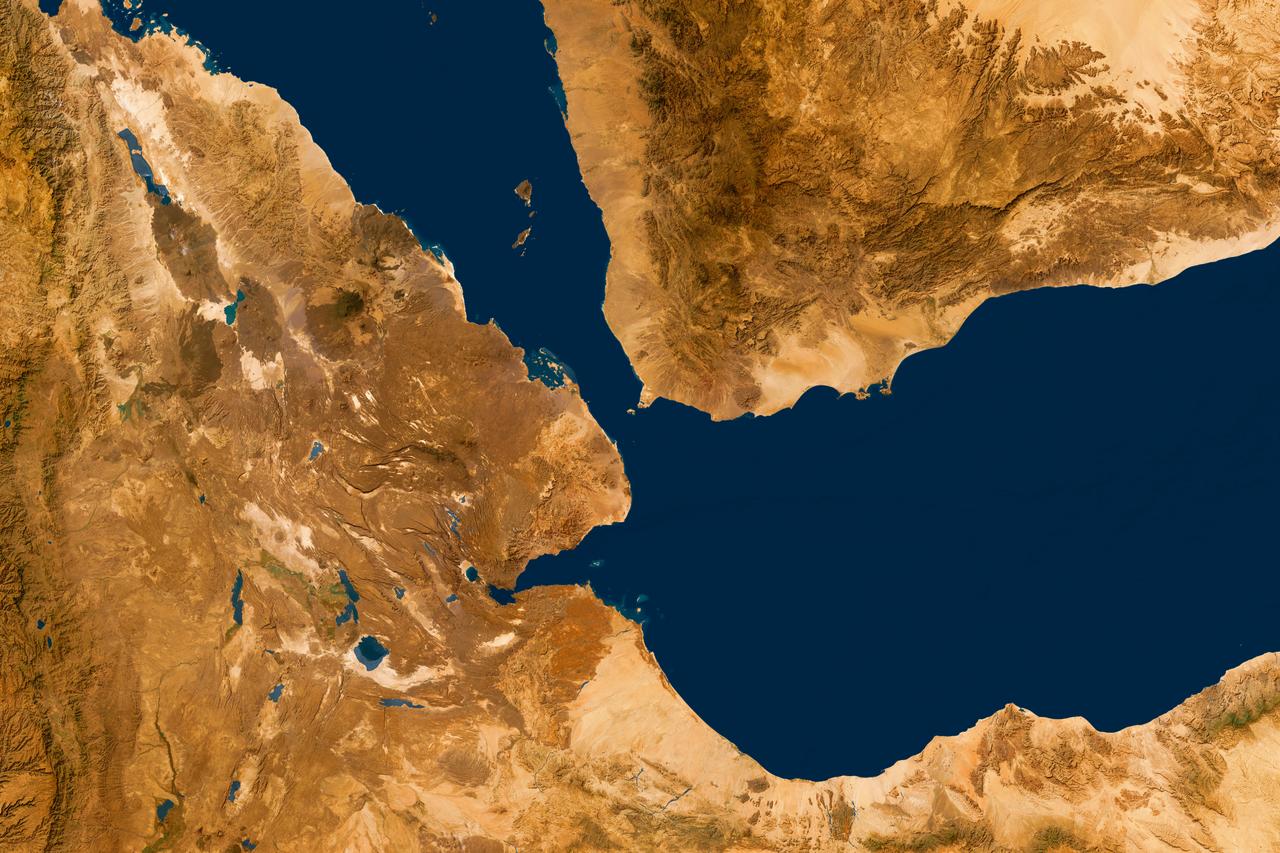

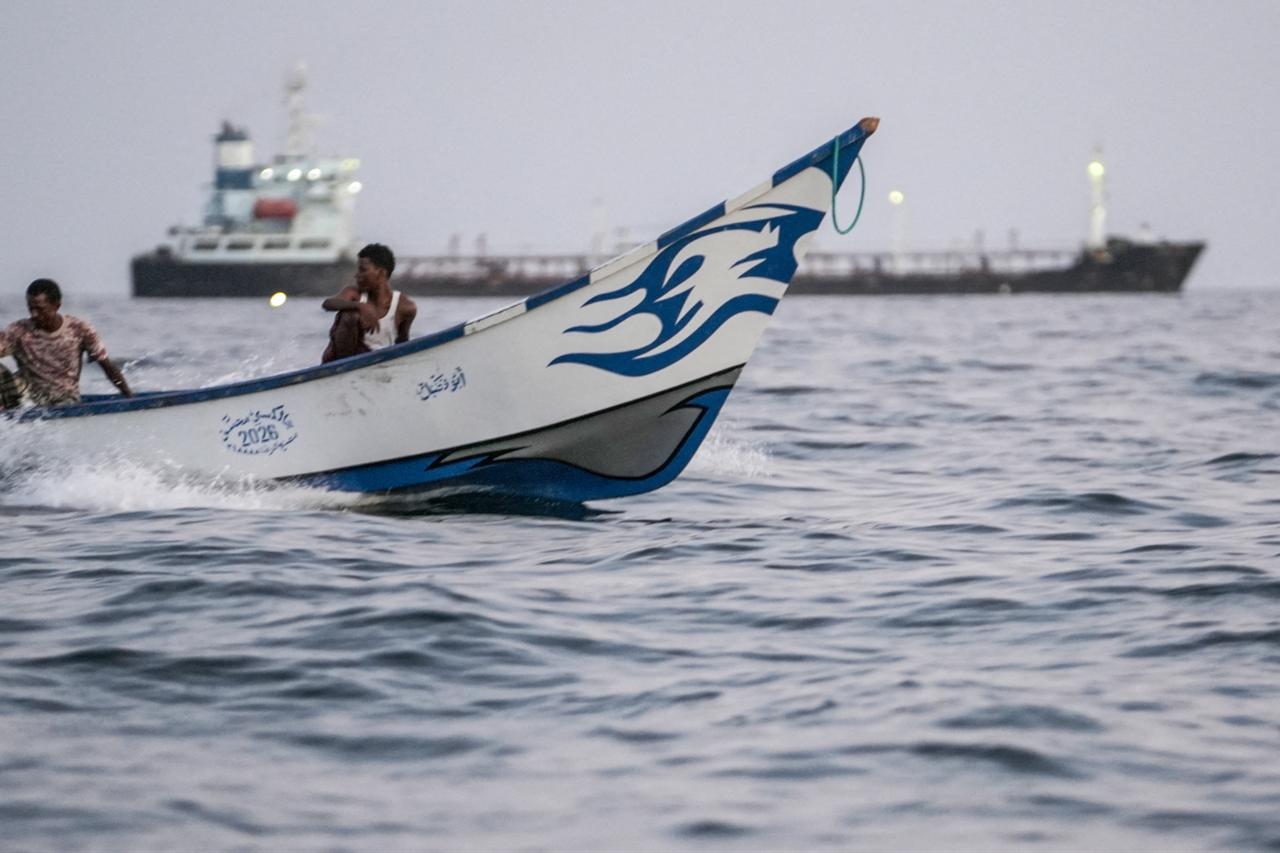
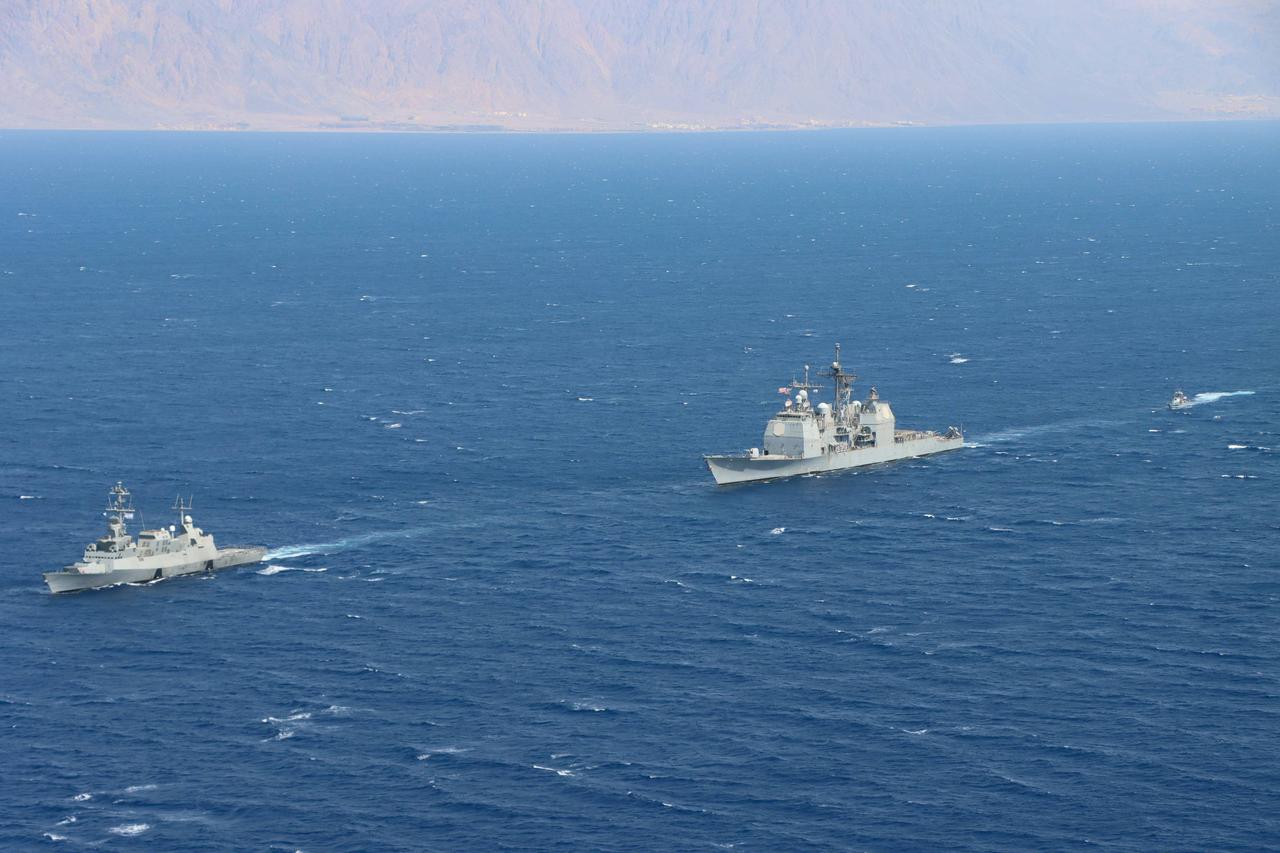
The renewed hostilities have centered on the Bab el-Mandeb Strait, a narrow waterway separating the Arabian Peninsula from the Horn of Africa that serves as one of the world's busiest shipping corridors, linking the Red Sea to the Gulf of Aden.
Military operations in the area have intensified in recent days, with the Houthis seizing several islands last week.
The escalation comes as nearly half of Yemen's population of 41 million people requires humanitarian assistance amid worsening acute hunger, and as officials warned that continued insecurity could disrupt both humanitarian aid deliveries and commercial shipping.
Saudi Arabia's representative, Abdulaziz M. Alwasil, told the Council that Houthi escalation endangers Yemen, regional security, international trade and global supply chains. He cited attacks on Abha, Khamis Mushait, Jazan and Najran that injured civilians, along with renewed strikes on Sept. 14 and continued targeting of commercial vessels in the Red Sea.
He accused the Houthis and allied militias of pursuing a policy of "choking the straits," saying they were "holding the international community and global economy hostage."
Alwasil called protection of the waterways a collective responsibility requiring a firm Council response and full implementation of resolutions 2216 and 2722, while affirming that Saudi Arabia remained committed to de-escalation and a comprehensive political settlement.
The United States pressed the Council to confront Iran's role in the conflict. "Freedom of navigation underpins the global economy, and the United States is working with our partners to protect it," said US representative Jennifer Locetta, who demanded the Houthis halt their advance, withdraw from seized territory and end attacks on shipping.
She called on Iran to stop supporting the group and urged the Council to remain "clear-eyed" about Tehran's role in arming, funding and directing the Houthis, describing Iran as the "principal violator" of resolutions 2140 and 2216 and saying the Council "cannot look away from those facts."
China's representative, Sun Lei, voiced concern over the pace of the escalation and reaffirmed respect for the sovereignty and territorial integrity of both Yemen and Saudi Arabia.
He opposed attacks on energy and civilian infrastructure and said protecting Red Sea shipping is a shared international responsibility, calling on all parties to exercise restraint, return to negotiations and give Gulf countries a greater role in mediation.
Liberia's representative, Lewis Garseedah Brown II, speaking on behalf of the Democratic Republic of the Congo, Somalia and Liberia, warned that further territorial shifts along Yemen's coast could heighten tensions and undermine prospects for a political settlement, stressing there is no military solution and cautioning against Yemen becoming an arena for proxy conflict.
He said Red Sea security carries particular weight for Africa, where disrupted shipping and rising freight and insurance costs raise prices for imported grain, fuel and fertilizer across the continent. Brown called for the immediate release of detained UN and humanitarian personnel and urged confidence-building steps, including opening transit routes, paying public sector salaries and establishing a permanent nationwide ceasefire.


 Set as preferred source
 Set as preferred source


 1 min read
 1 min read