Newsletters


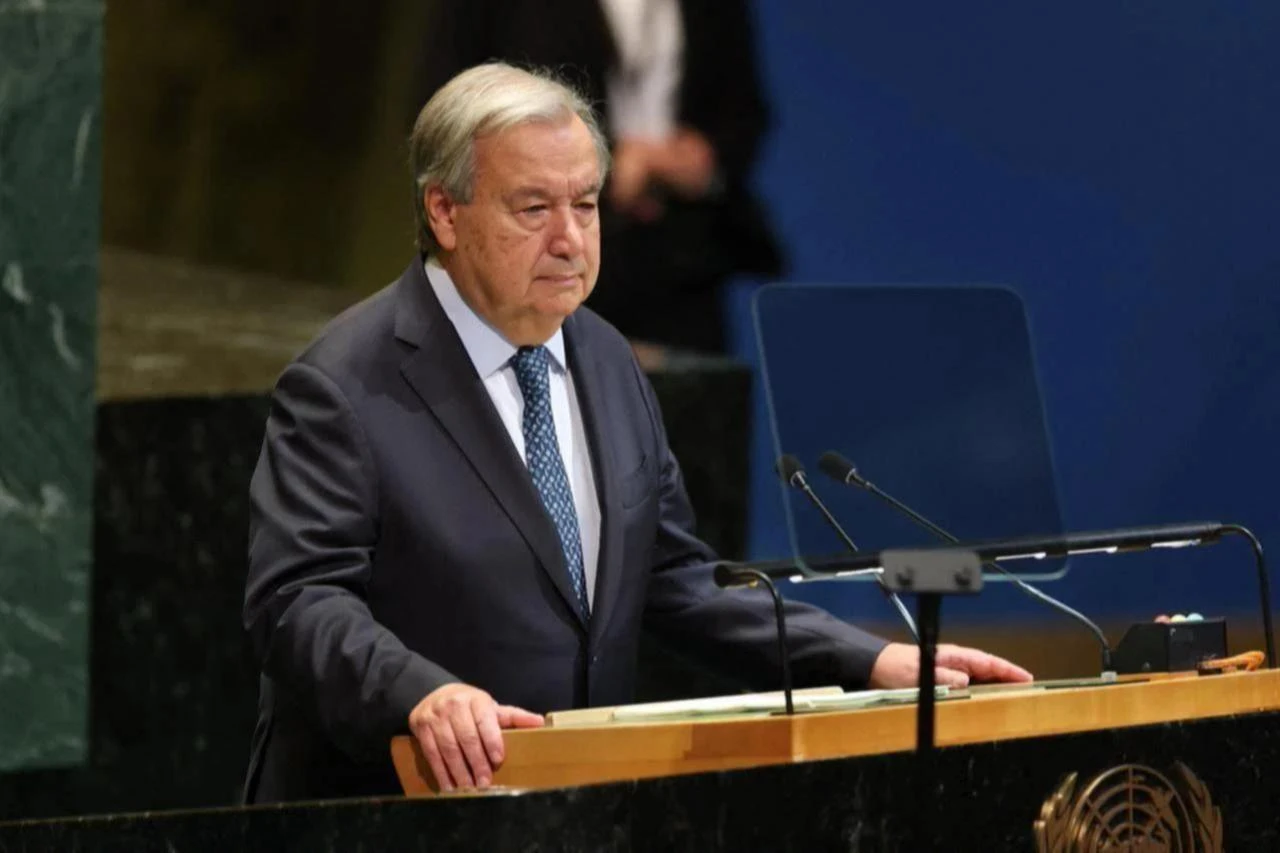


The U.N. Security Council will begin reviewing six candidates this week to succeed Secretary-General Antonio Guterres, whose second five-year term ends Dec. 31.
The candidates are International Atomic Energy Agency Director General Rafael Grossi; former U.N. High Commissioner for Human Rights Michelle Bachelet; former Senegalese President Macky Sall; U.N. Conference on Trade and Development Secretary-General Rebeca Grynspan; former U.N. General Assembly President Maria Fernanda Espinosa; and Guyana’s permanent representative to the U.N., Carolyn Rodrigues Birkett.
Grynspan took leave from her UNCTAD position to pursue her candidacy.
Grossi is running as an Argentine national, Bachelet as a Chilean, Grynspan as a Costa Rican, Espinosa as an Ecuadorian and Birkett as a Guyanese candidate. Sall is the only candidate from Africa.
Under the U.N.’s informal regional rotation tradition, the next secretary-general is expected to come from the Latin American and Caribbean Group.
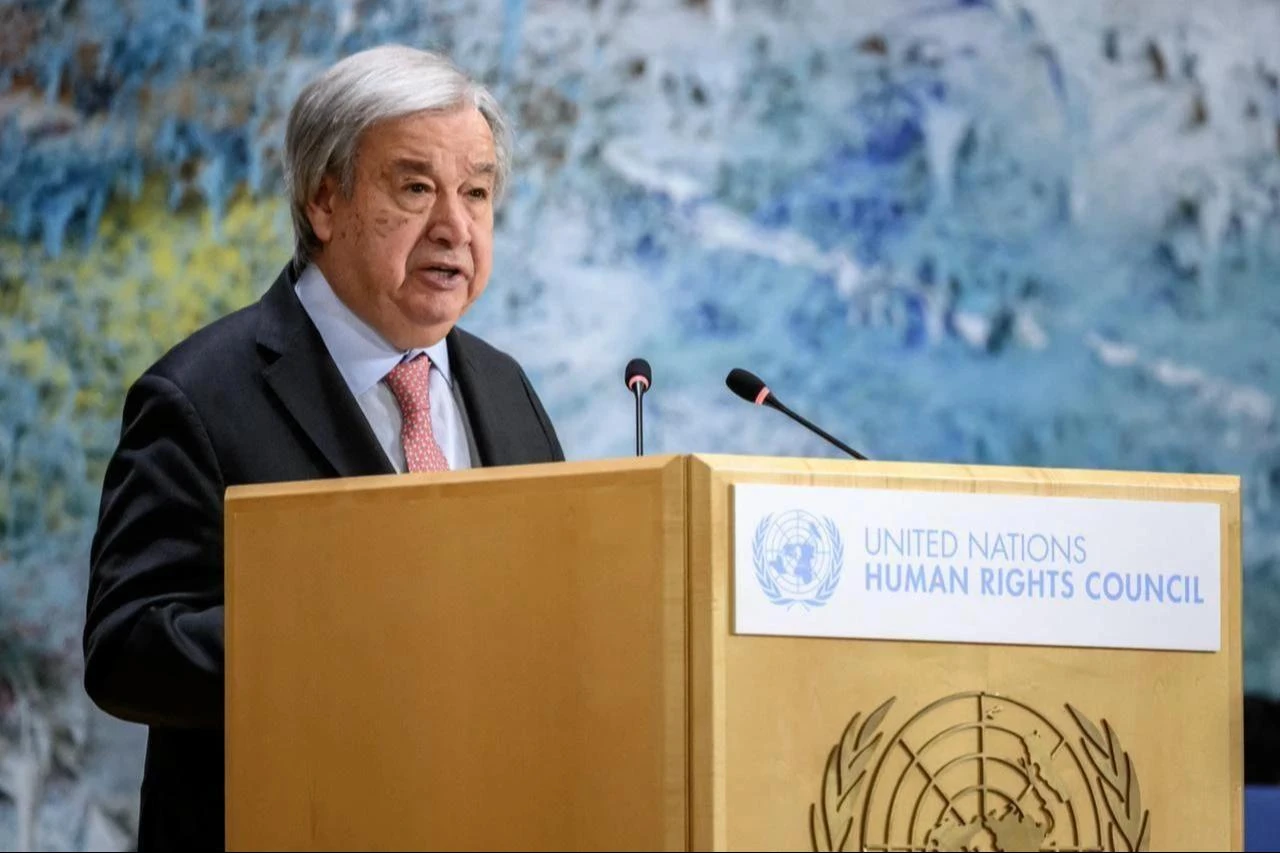

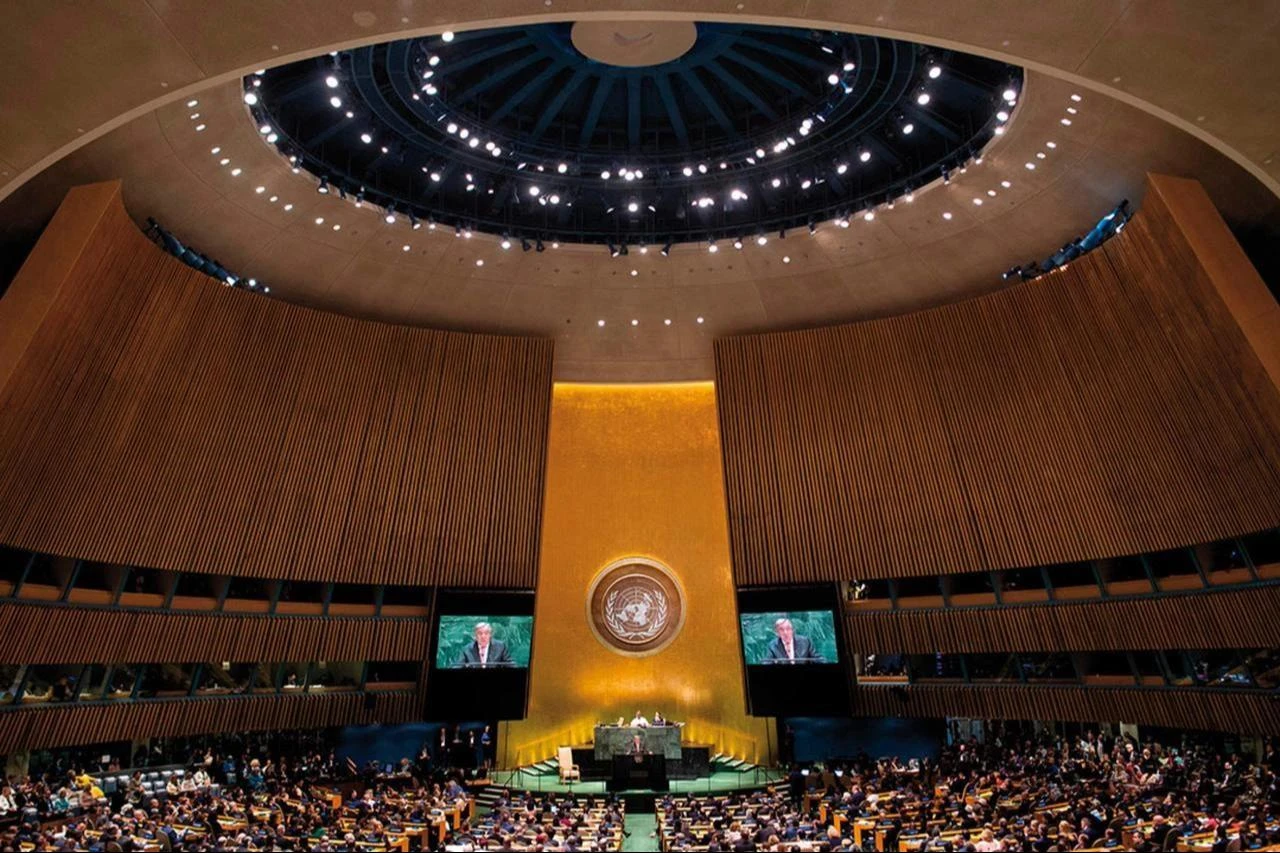
The six candidates appeared last week at a public discussion in the U.N. General Assembly hall titled “Open Session for the U.N. Secretary-General: The Next Secretary-General.”
During the 90-minute session, they outlined their visions on issues ranging from the U.N.’s budget crisis and reform efforts to international conflicts and other global crises.
The candidates also answered questions from moderators and participants in the hall.
They have continued intensive campaigns among U.N. member states ahead of the Security Council deliberations.
The main selection process will begin this week with closed-door meetings of the 15-member Security Council.
A candidate must receive at least nine affirmative votes and avoid a veto from any of the five permanent members — the U.S., Russia, China, the United Kingdom and France—to be recommended to the U.N. General Assembly.
The selected candidate will then be submitted to the 193-member General Assembly for approval.
A candidate who secures majority support in the General Assembly will begin a five-year term as U.N. secretary-general on Jan. 1, 2027.
The next secretary-general could be selected as early as September or as late as December if Security Council members reach an agreement.
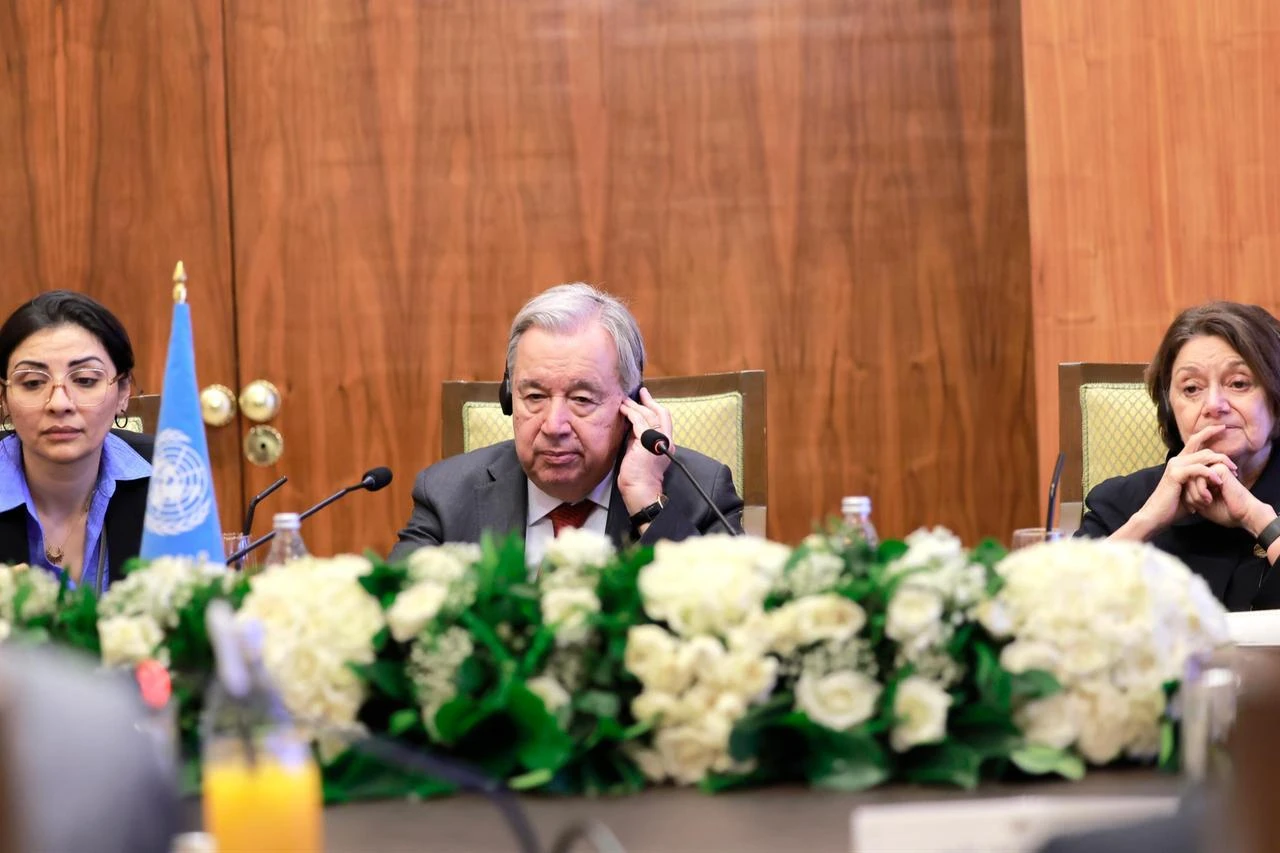
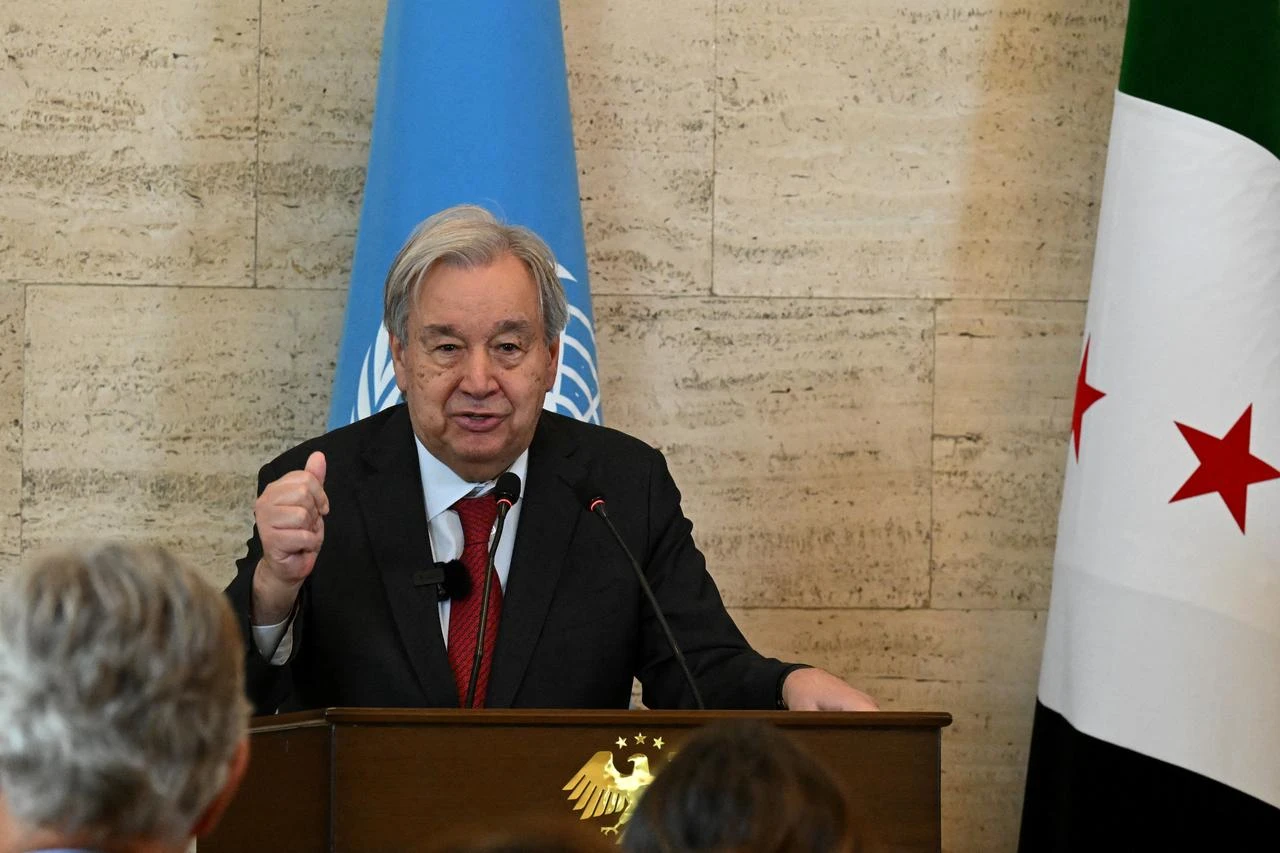
U.N. spokesperson Stephane Dujarric said Guterres hoped member states would select the best possible candidate.
Responding to a question from Anadolu about what type of successor Guterres wanted for the organization’s future, Dujarric said the decision ultimately rested with member states.
“The secretary-general and the deputy secretary-general have previously spoken about the need for a woman to finally lead this organization, but ultimately this is in the hands of the member states,” Dujarric said.
Guterres, a Portuguese national, has served as U.N. secretary-general for two terms since 2016 and will leave office at the end of the year.


 Set as preferred source
 Set as preferred source


 1 min read
 1 min read