Newsletters


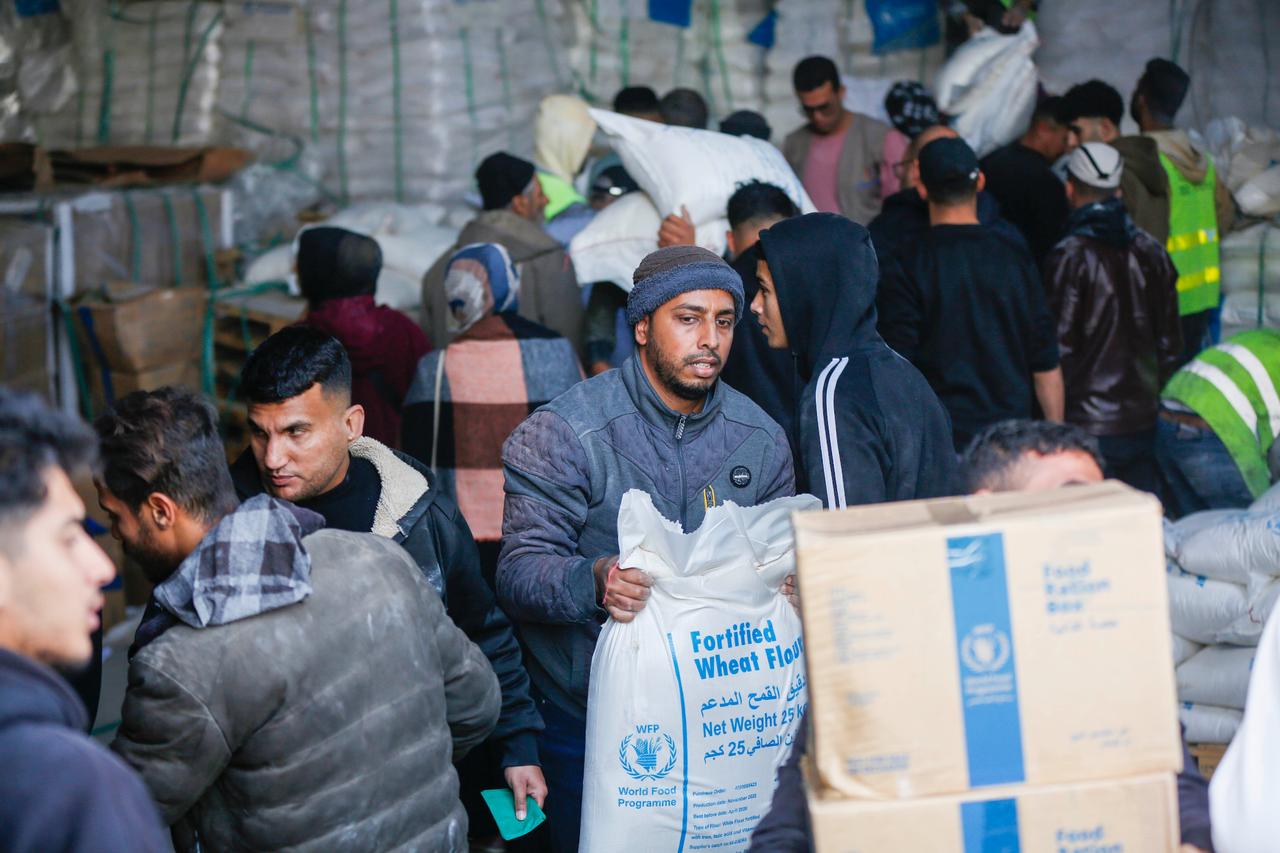


Around 55 million people in West and Central Africa are expected to face acute food insecurity during the lean season between June and August 2026, the U.N. World Food Program warned Friday, citing its latest regional food security analysis.
Jean Martin Bauer, director of food security and nutrition analysis at the World Food Programme (WFP), told reporters in Geneva that the figure includes people classified as being in crisis, emergency or catastrophic conditions under the region’s food security scale.
Bauer said around 3 million people are projected to face emergency conditions, double the number recorded in 2020.
For the first time in a decade, parts of northeastern Nigeria, particularly Borno State, are expected to experience catastrophic food insecurity, he added.
“This is a group that’s one step away from famine,” Bauer said, noting that an estimated 15,000 people in specific areas of Borno are already affected.
He warned that mortality levels there are “way above normal” and said bluntly: “People are starving.”
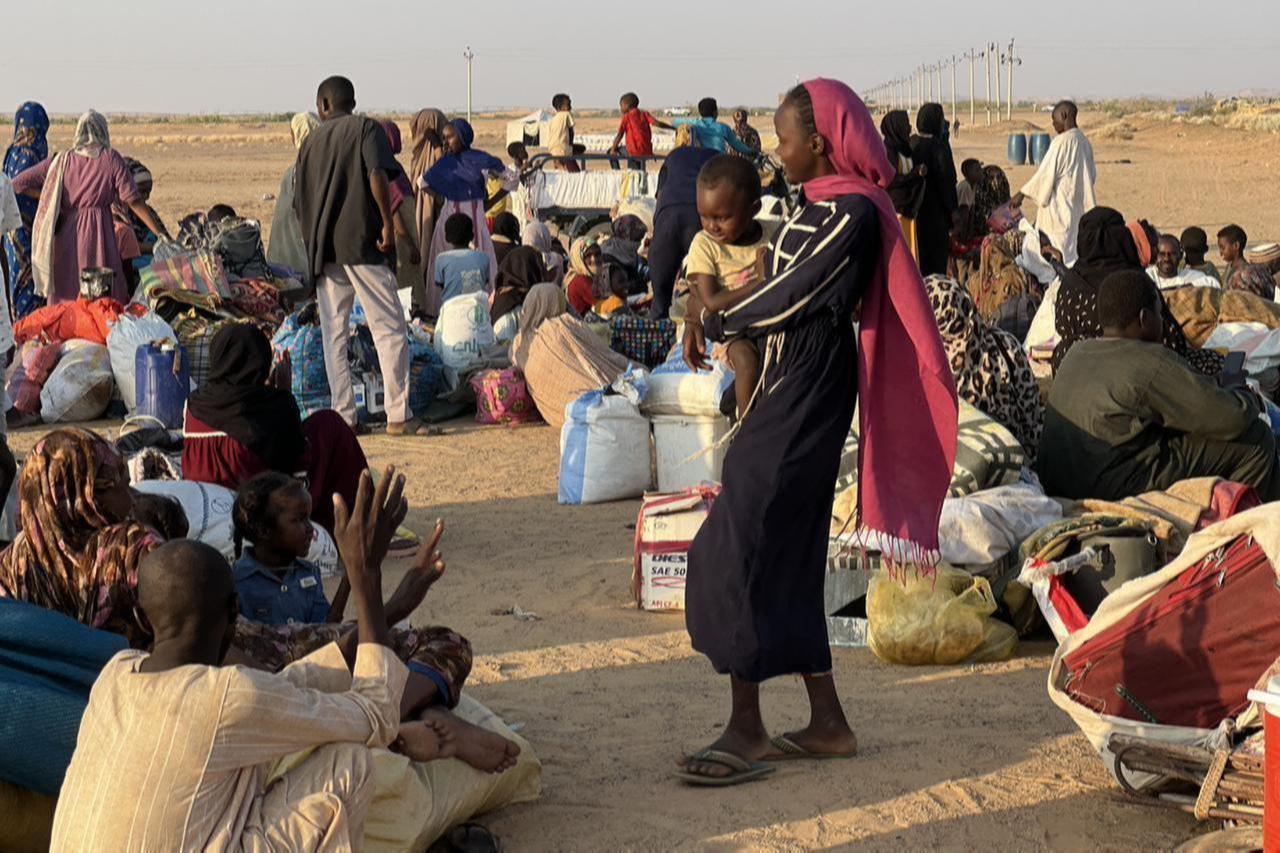

Despite a relatively favorable rainy season, Bauer stressed that the worsening crisis is not climate-driven, but instead caused by ongoing violence and severe reductions in humanitarian funding.
As a result of funding shortages, WFP has already been forced to halt assistance to about 300,000 children in Nigeria, while support for up to 500,000 people in Cameroon may also be cut, he said.
Bauer warned that approximately 13 million children across West and Central Africa are at risk in 2026, underscoring the urgent need to prioritize nutrition and life-saving food programs.
WFP estimates it requires $453 million over the next six months to sustain essential assistance and prevent further deterioration in food consumption and child nutrition indicators across the region.


 Set as preferred source
 Set as preferred source


 1 min read
 1 min read