Newsletters


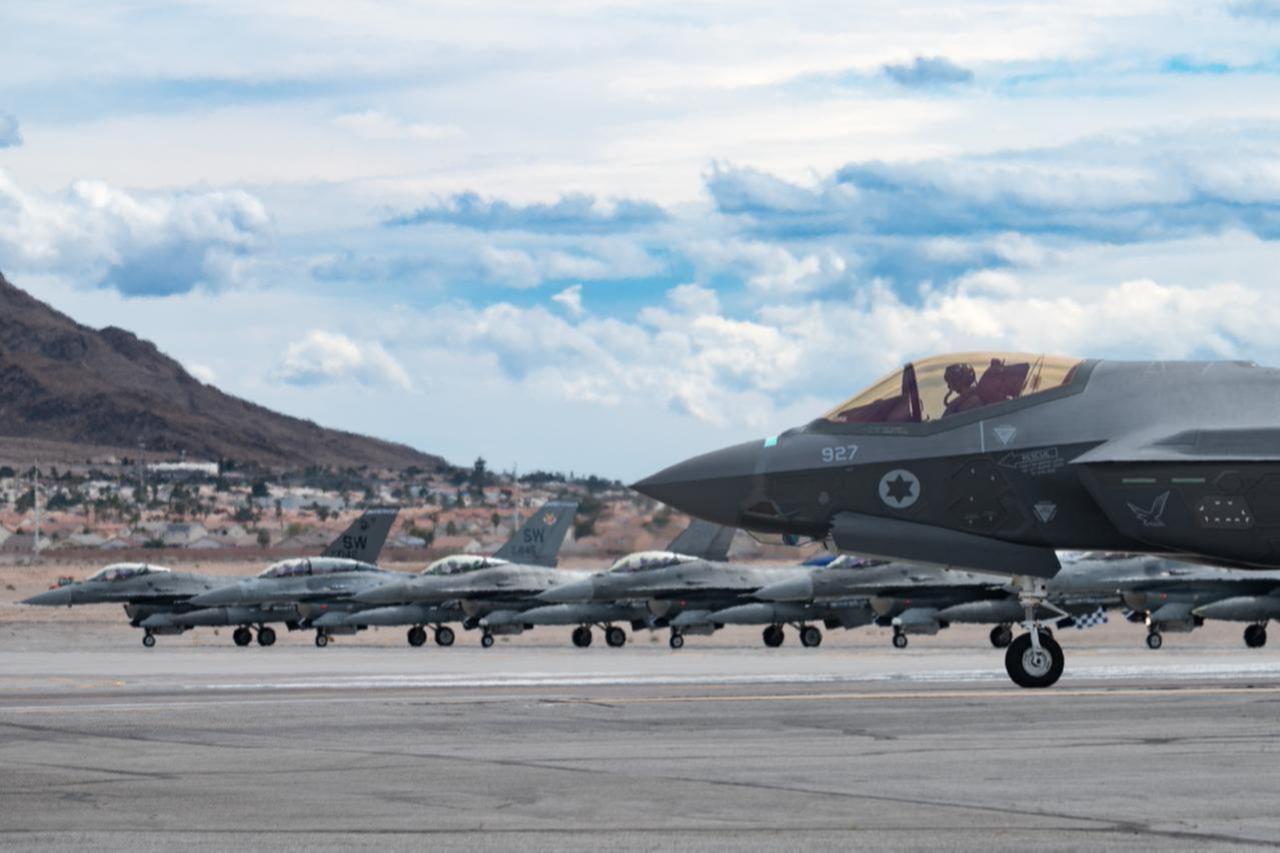


At least 81 American fixed-wing, rotary-wing and uncrewed aircraft have been lost or damaged in military operations against Iran since Feb. 28, according to a new tally from the nonpartisan Congressional Research Service, underscoring the scale of attrition in a campaign whose financial costs have already climbed into the tens of billions of dollars.
The figures, compiled from Pentagon records, statements by US Central Command, military inspector general findings and press reports, mark one of the most comprehensive public accountings yet of American aircraft losses in the operation.
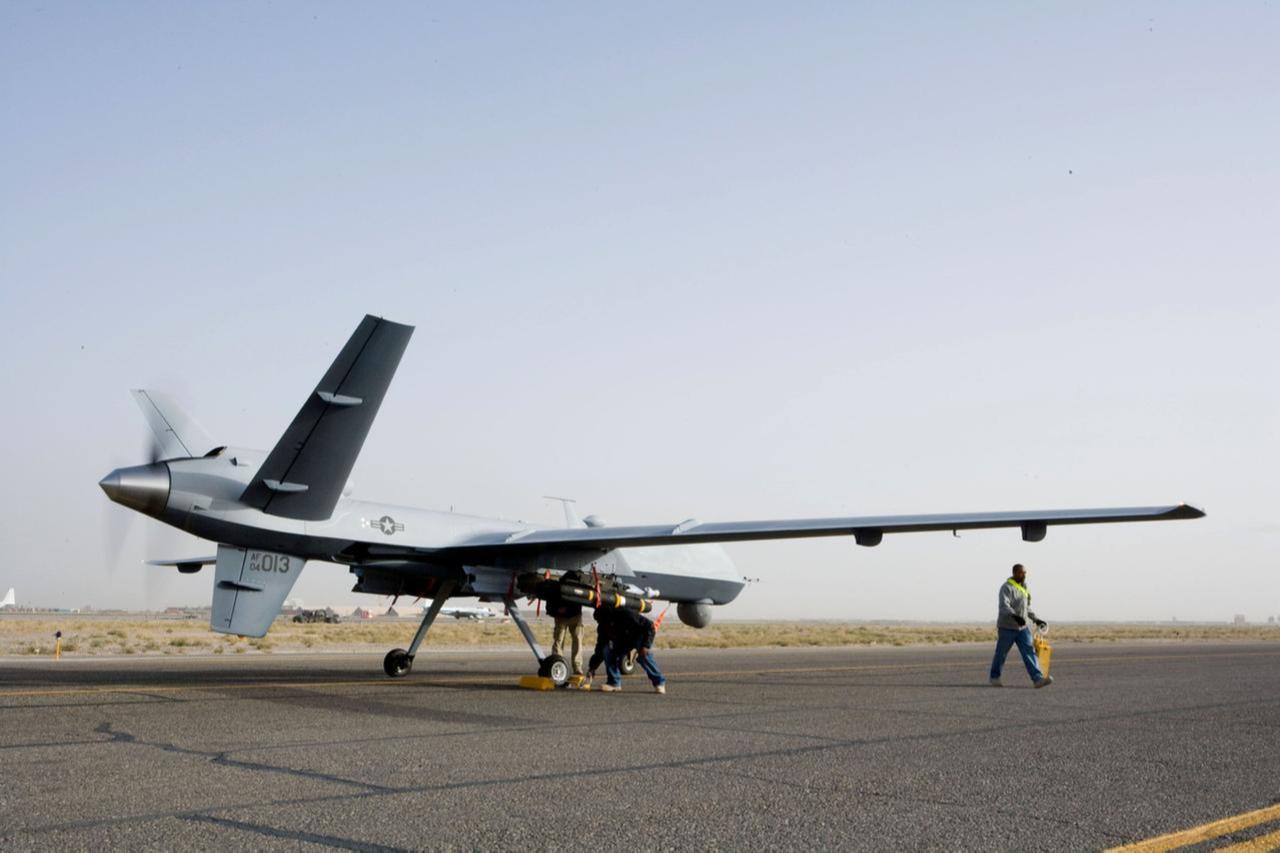
Uncrewed aircraft accounted for the largest share of the toll. Forty-five MQ-9 Reaper drones and three MQ-1 multi-role aircraft were downed during operations, the report found, while a single MQ-4C Triton, a high-altitude surveillance drone, was lost in a flight mishap unrelated to combat.

Manned combat aircraft also sustained heavy damage. Twelve F-15E Strike Eagle fighters were affected in total: three were destroyed in a friendly-fire incident over Kuwait, one was shot down over Iranian territory, and eight sustained light damage when Iranian missiles struck Muwaffaq Salti Air Base in Jordan, though all eight later returned to service.
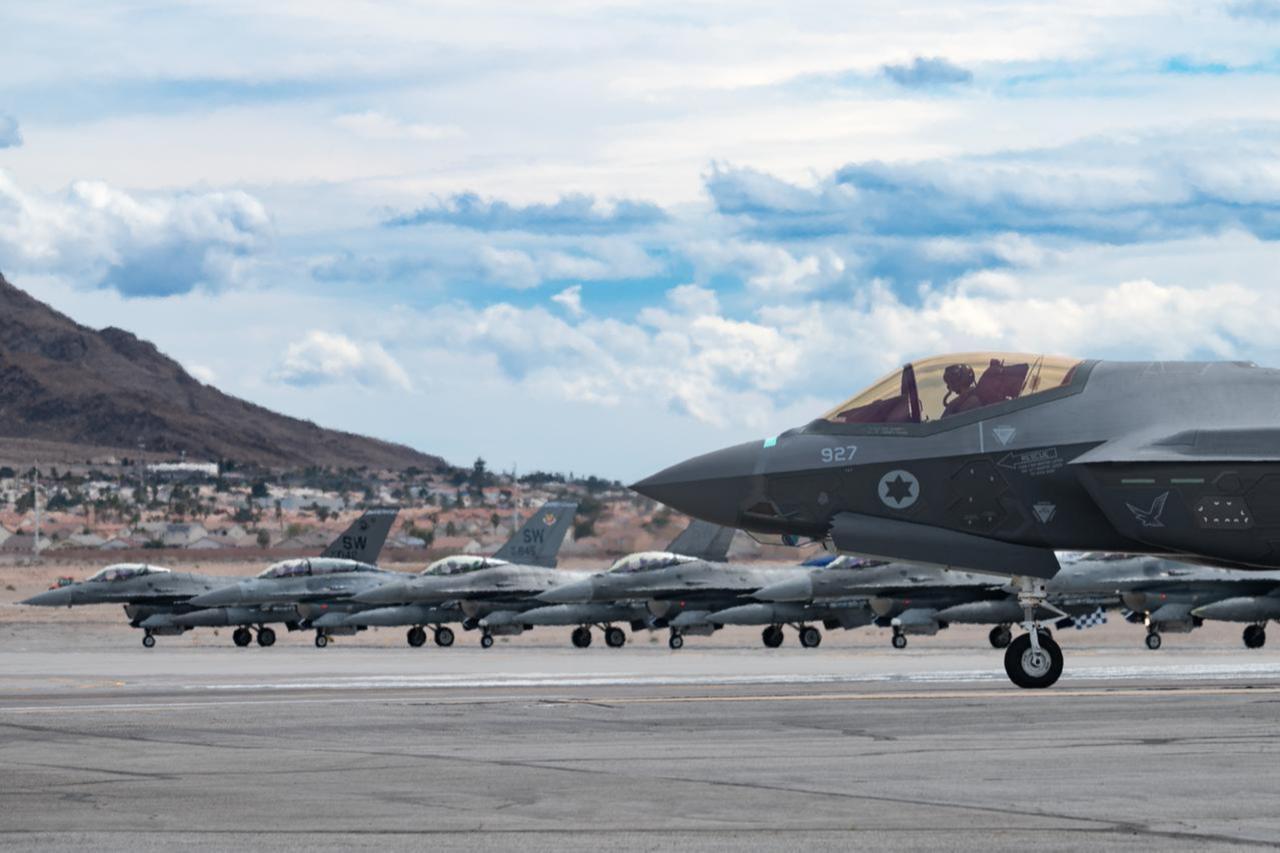
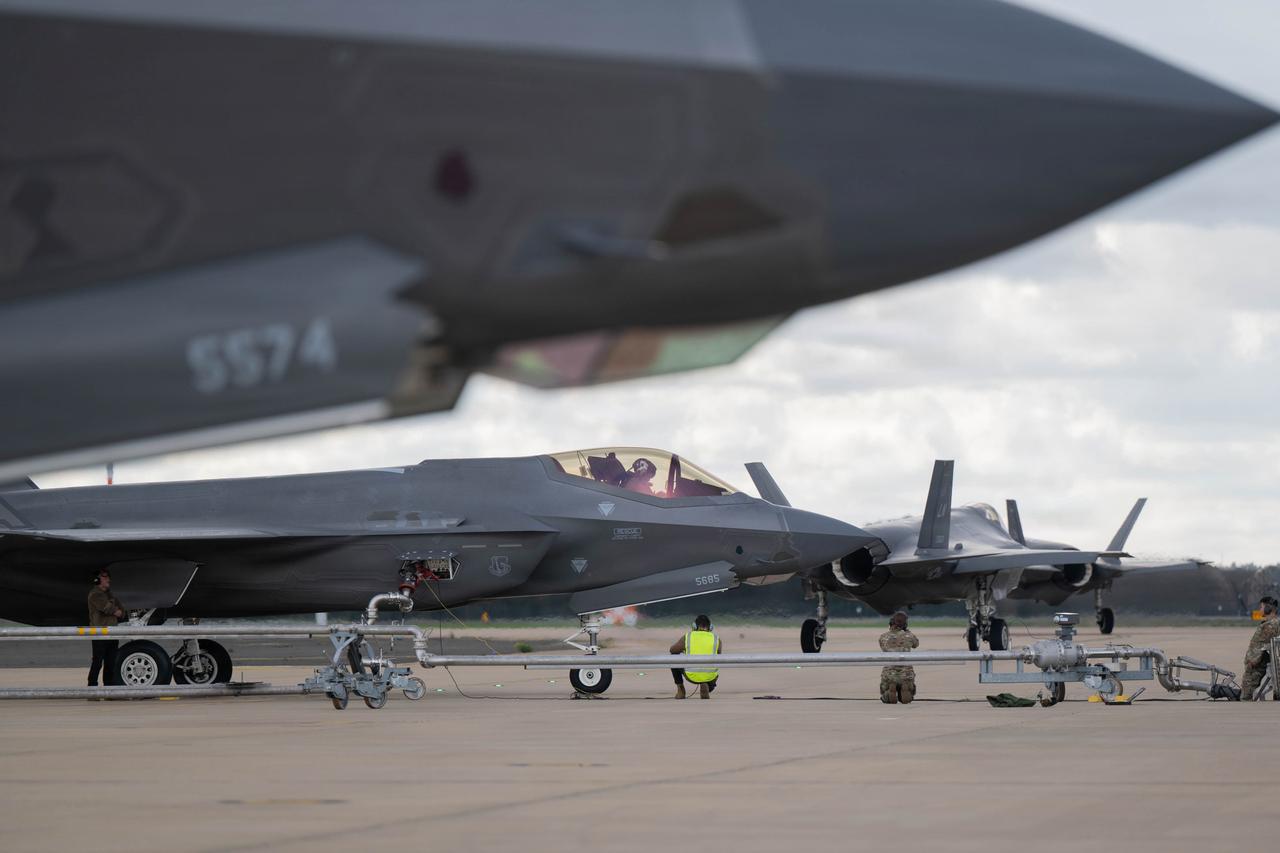
Iranian ground fire also damaged an F-35A Lightning II, one of the US military's most advanced stealth fighters, while two A-10 Thunderbolt II attack jets were lost or left with heavy damage, the report said.
Support aircraft proved similarly vulnerable. Seven KC-135 Stratotanker refueling planes were affected, including one that crashed in Iraq, killing all six crew members aboard, and five more reportedly damaged on the ground in Saudi Arabia.
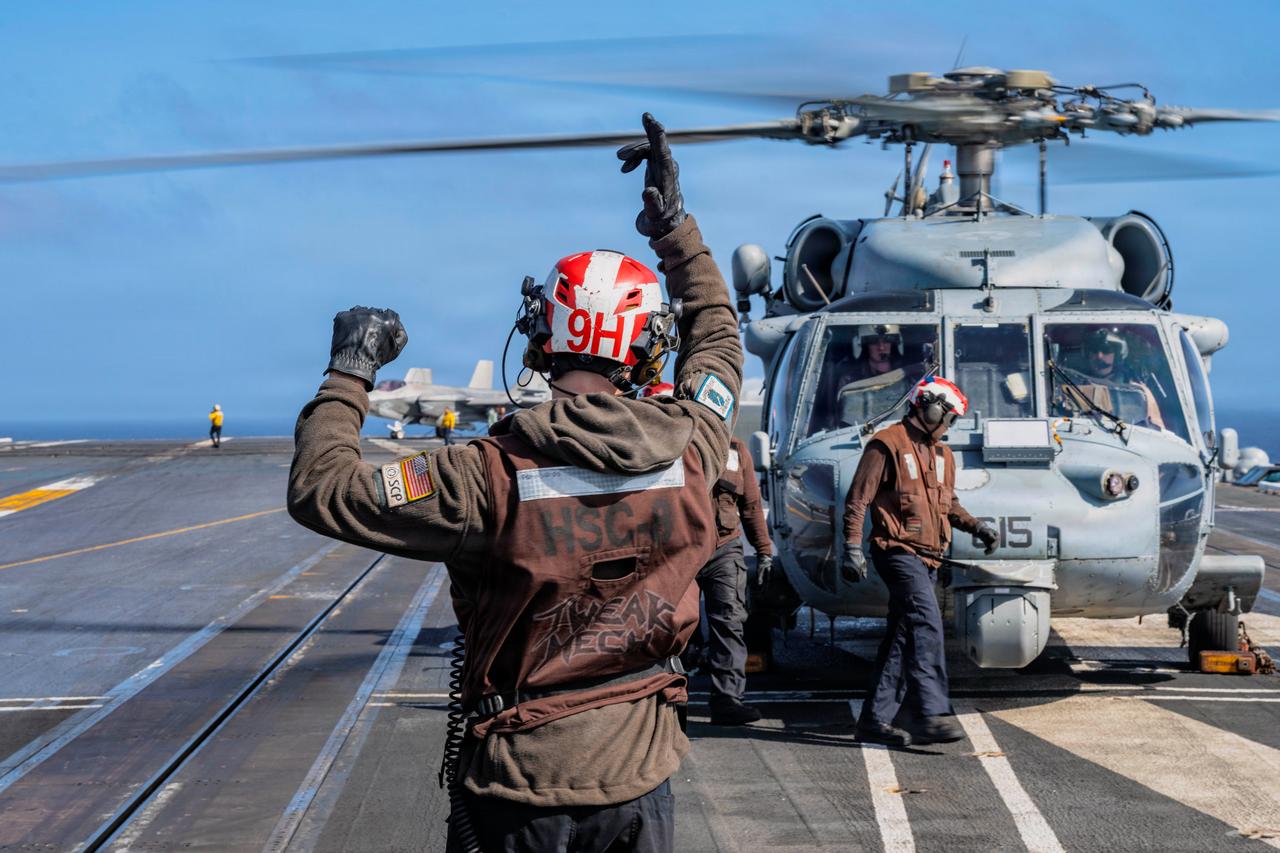
An E-3 Sentry airborne early-warning aircraft took a direct hit, and two MC-130J special operations transport planes were deliberately destroyed during a rescue mission, the report said. Seven military helicopters, including AH-64 Apache and AH-6 Little Bird models, were also lost or damaged.
The disclosures come as the financial costs of the operation continue to rise. A Lead Inspector General report issued in September put total campaign expenses at $33.4 billion through late June, including $3.7 billion in equipment losses. The Congressional Budget Office has separately projected that replacing the damaged and destroyed hardware could cost as much as $3.3 billion.
The Congressional Research Service cautioned that its aircraft count may still be revised, citing classification restrictions, ongoing combat activity and difficulties in attributing individual incidents.


 Set as preferred source
 Set as preferred source


 1 min read
 1 min read