Newsletters


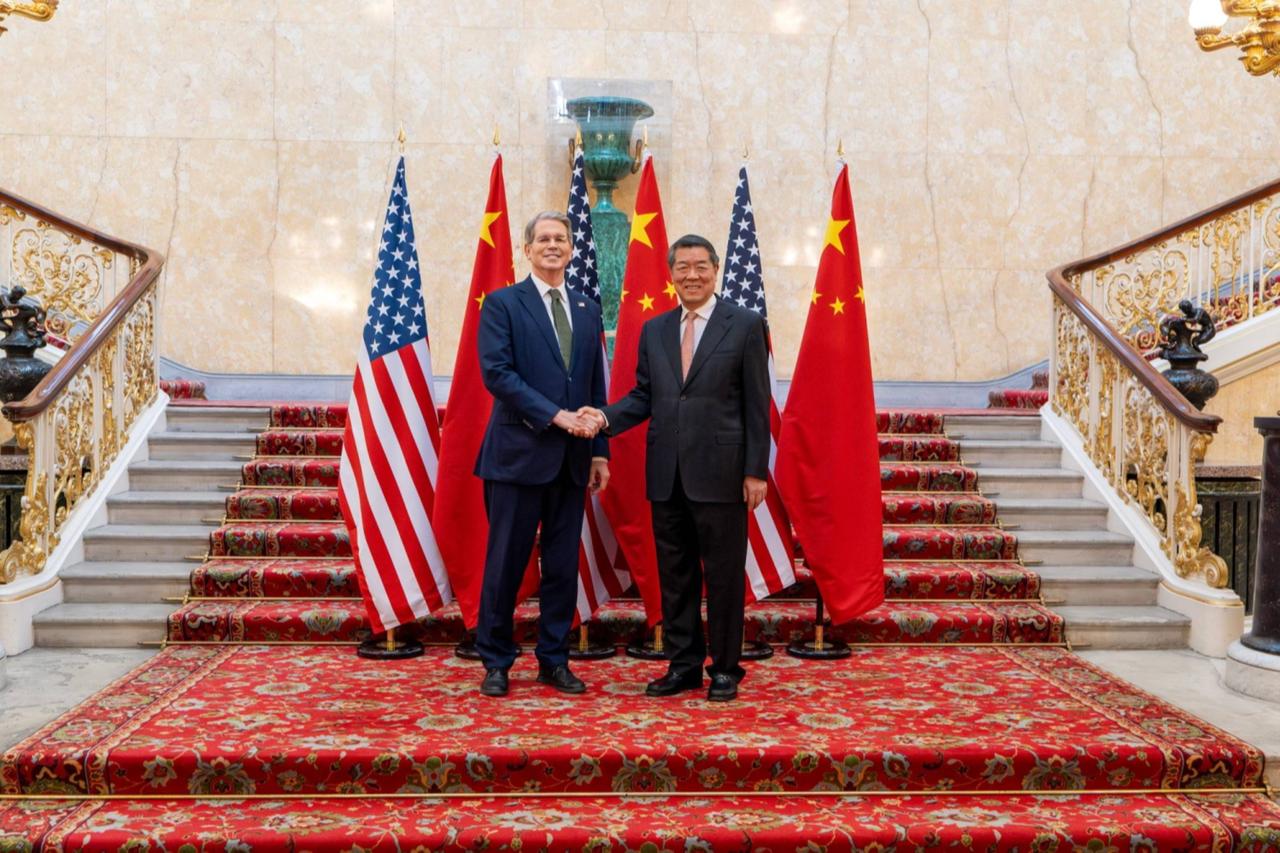


China and the US described their latest round of trade talks as constructive on Monday, even as a planned summit between President Donald Trump and Chinese President Xi Jinping faces delays amid the widening conflict in the Middle East.
US Treasury Secretary Scott Bessent and Chinese Vice Premier He Lifeng met in Paris on Sunday for discussions that both sides characterized in strikingly similar terms. Bessent told journalists the talks "were constructive and they show the stability of the relationship," while Chinese state media outlet Xinhua reported He saying the exchange would bring "greater certainty and stability" to bilateral trade and the global economy.
The meeting was widely viewed as groundwork for a Trump visit to China, initially planned for March 31 to April 2. US officials confirmed Monday, however, that the trip would likely be delayed because of Washington's involvement in the war against Iran.
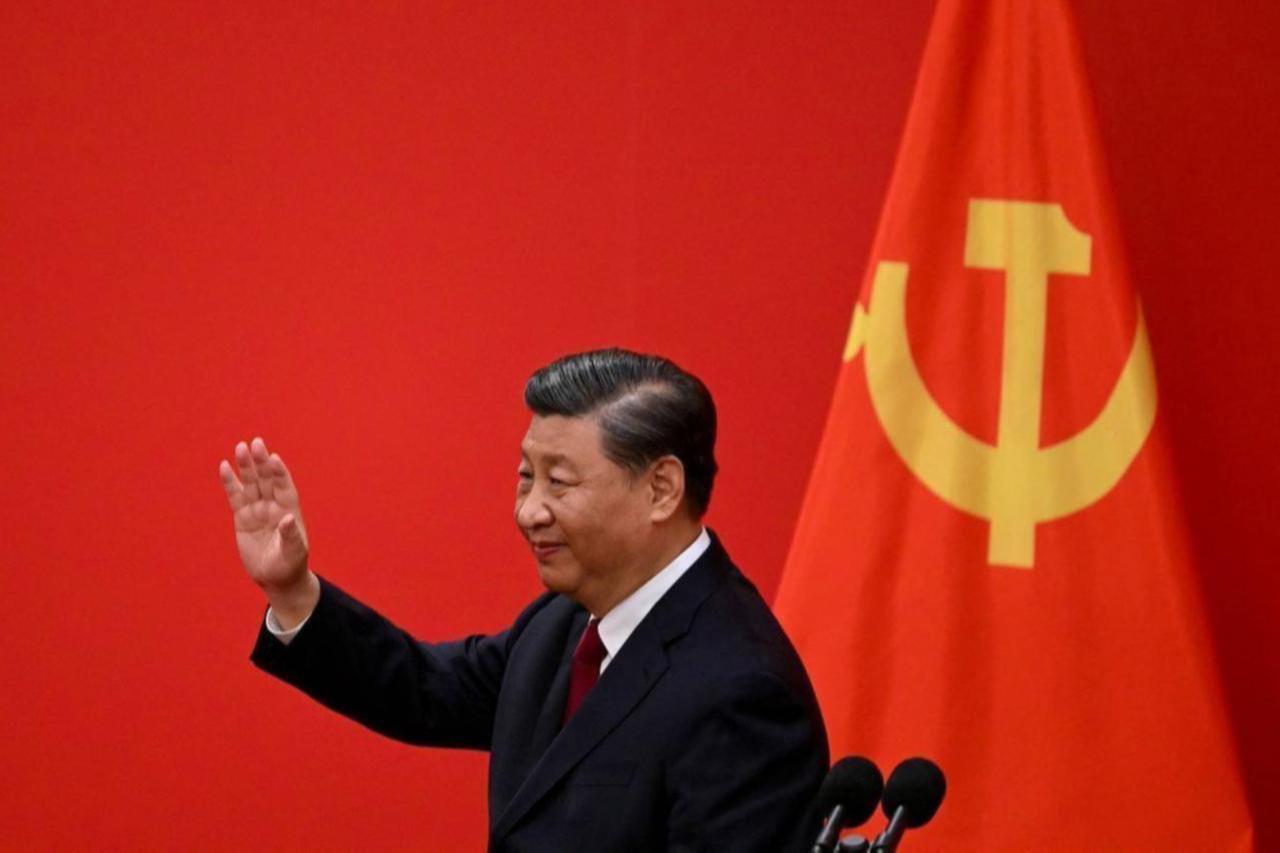
Beijing's foreign ministry confirmed the two sides "are maintaining communication" over the visit, with spokesman Lin Jian emphasizing that direct engagement between heads of state plays "an irreplaceable strategic guiding role" in the bilateral relationship.
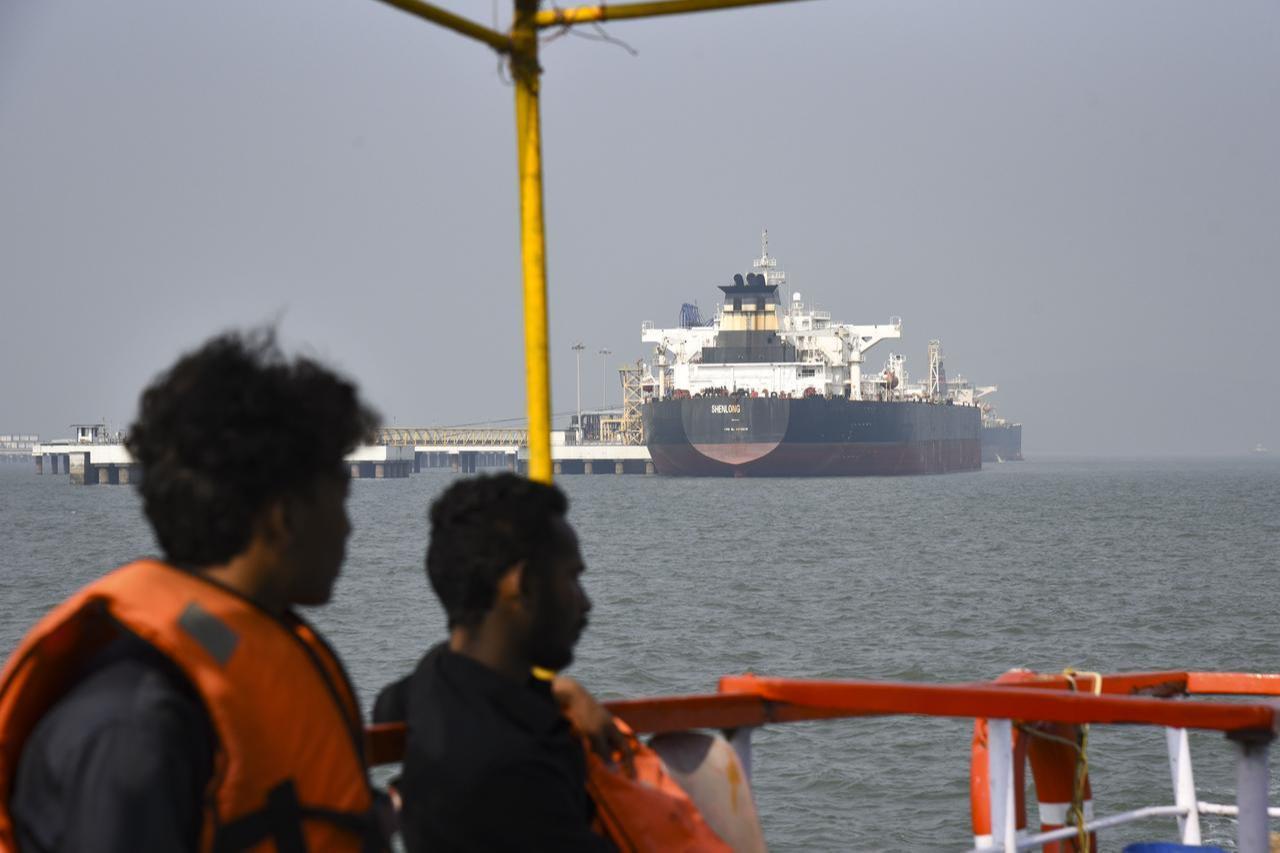

Trump has pushed NATO allies and China alike to help reopen the Strait of Hormuz, the critical oil transit chokepoint that Iran has effectively shut down in retaliation over the US and Israeli military campaign against Tehran. Trump suggested earlier that he could postpone meeting Xi if Beijing does not assist in reopening the waterway.
Lin acknowledged the "tense situation" had disrupted international trade routes for goods and energy but did not directly address Trump's pressure on China to intervene.
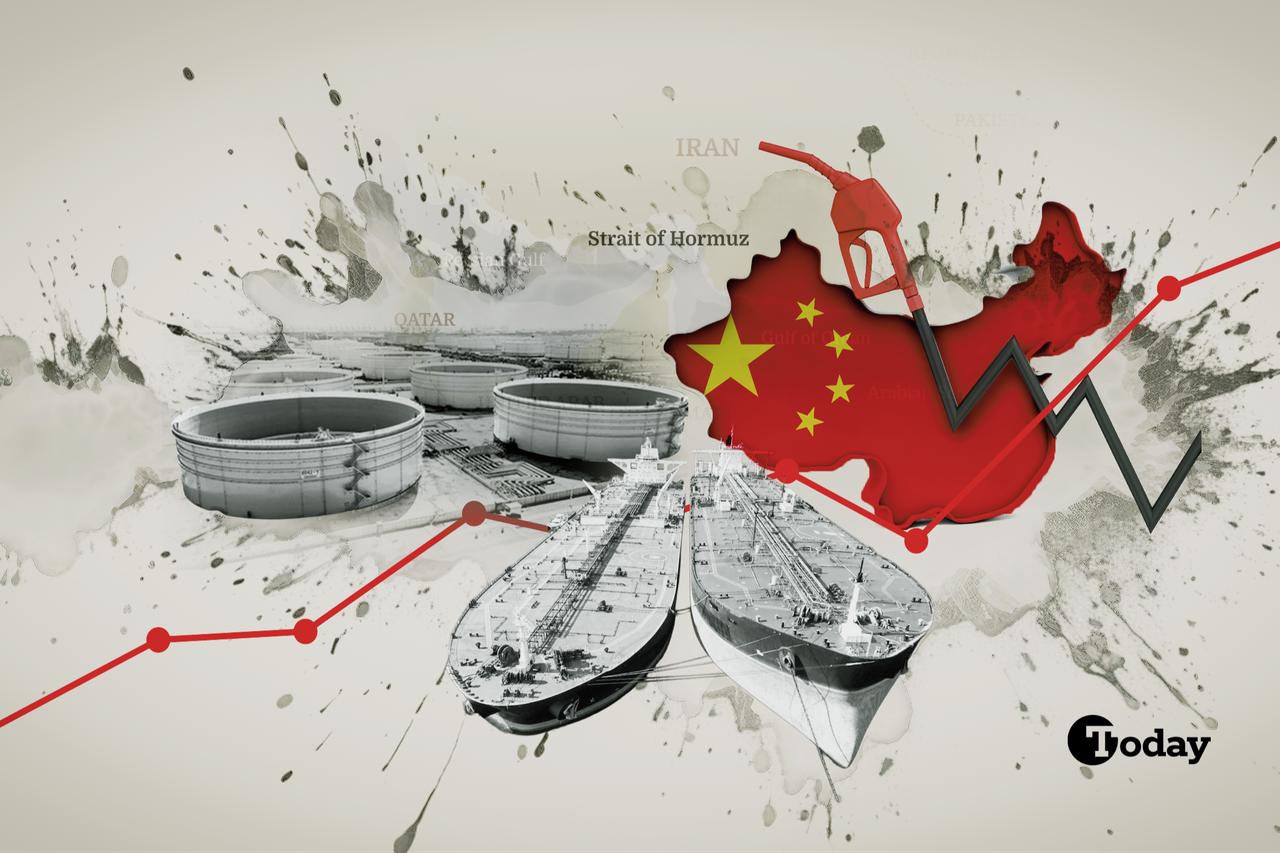
Global oil prices have climbed 40 to 50 percent since the conflict began, with Iran also striking energy and shipping targets in neighboring Gulf states.
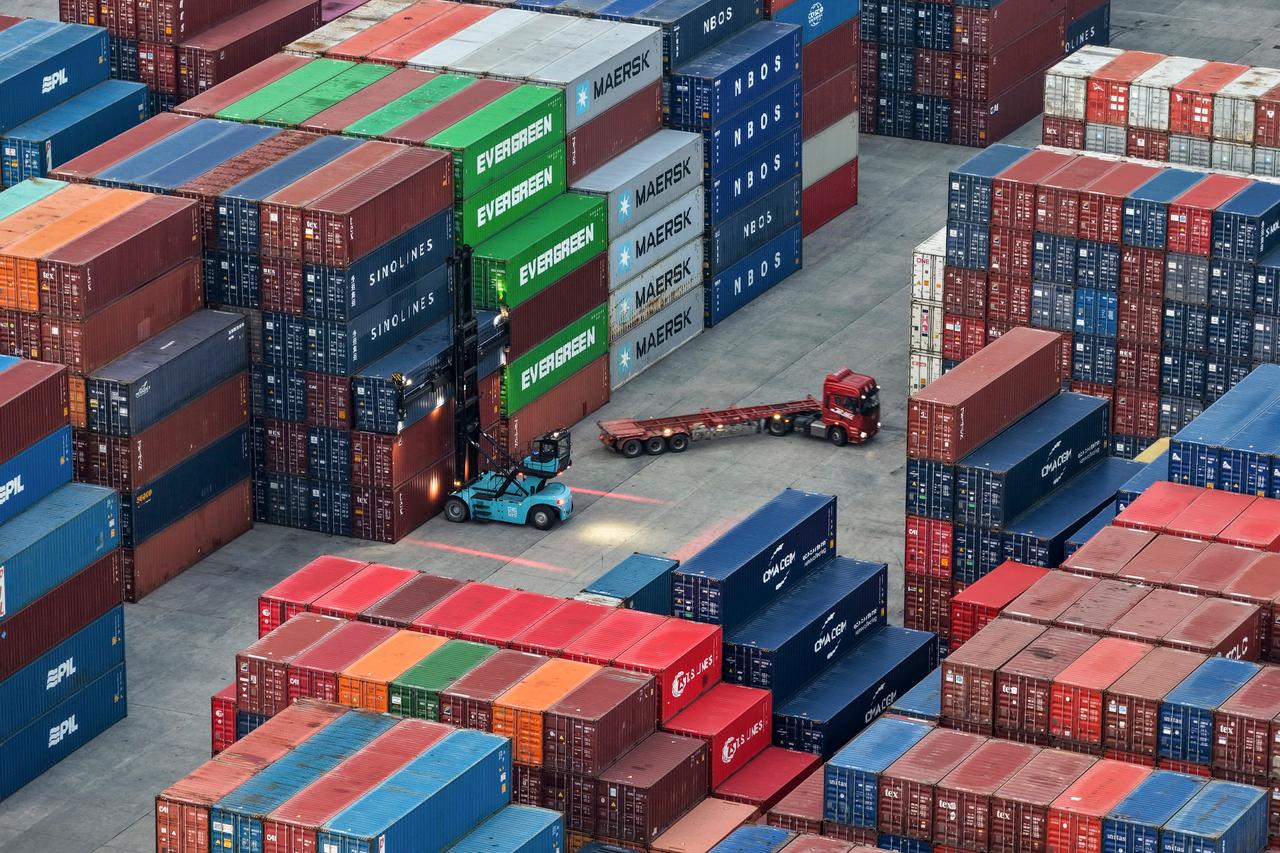
Analysts note that China, which maintains large oil reserves, is better positioned than many nations to absorb the shock, though its economy remains heavily reliant on exports and international trade, as official data from January and February underscored.
The Paris meeting came after a turbulent stretch in economic relations. Last week, Washington announced fresh trade investigations into excess industrial capacity spanning 60 economies, including China.
The probes will examine alleged failures to address forced labor and whether such practices burden US commerce, according to American officials. The investigations have raised the prospect of additional tariffs after the Supreme Court struck down Trump's earlier global duties.
Jamieson Greer, the US trade representative, said his team gave the Chinese delegation "a preview of what we're doing on US trade policy as we adjust to the Supreme Court," adding that while "the president's trade policy hasn't changed, our tools may change."
Beijing responded sharply. The commerce ministry called the investigations "extremely unilateral, arbitrary and discriminatory," accusing Washington of attempting to erect new trade barriers. It urged the US to "immediately correct its erroneous ways" and resolve disputes through dialogue. He Lifeng also reiterated China's firm opposition to the probes, Xinhua reported.
Despite the friction, the tone from both capitals suggested a mutual interest in preserving diplomatic channels. Beijing said it "lodged representations" with Washington over the trade investigations but simultaneously called on the US to "meet China halfway."
The parallel messaging from Paris, where both delegations chose the word "constructive" to characterize their exchange, pointed to a shared desire to prevent economic tensions from spiraling further, even as geopolitical pressures mount on multiple fronts.


 Set as preferred source
 Set as preferred source


 2 min read
 1 min read