Newsletters


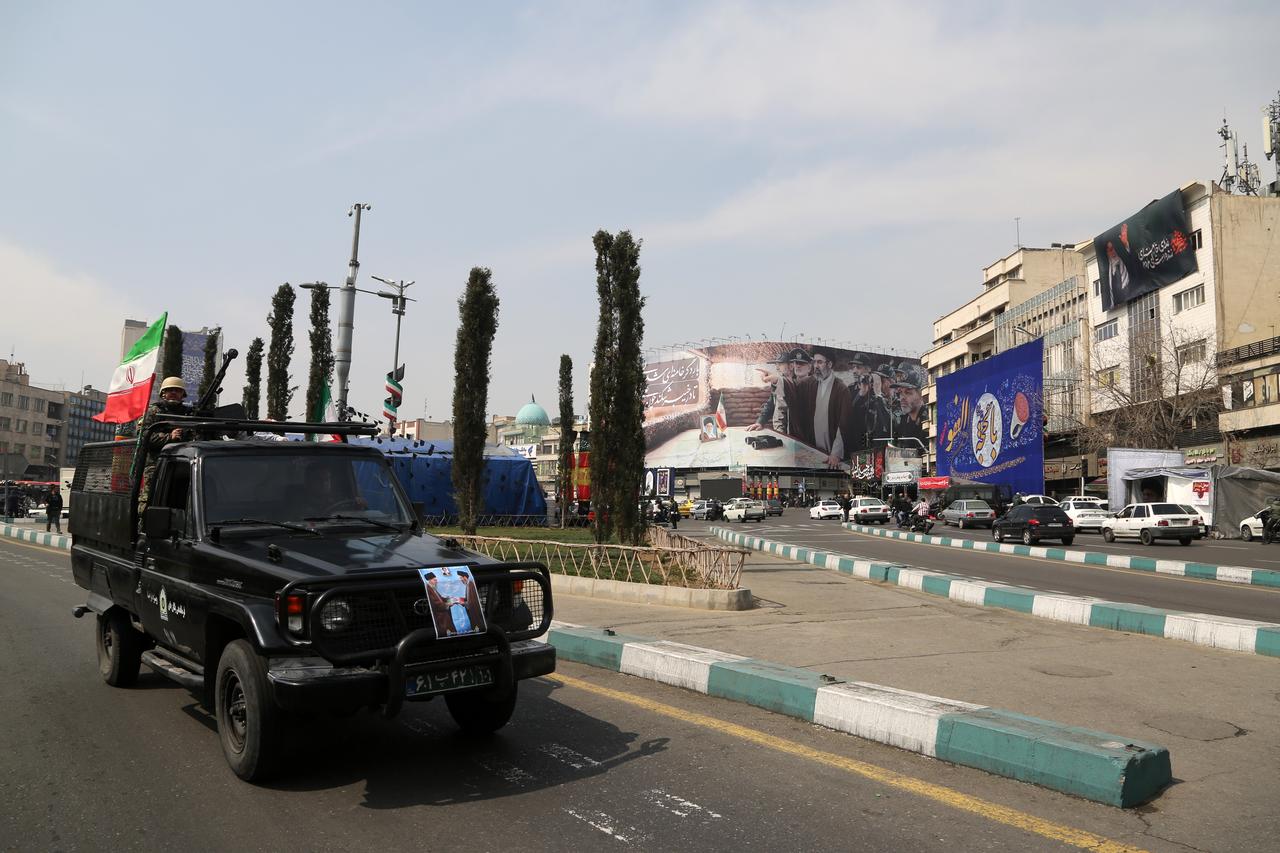


Iranian Foreign Minister Abbas Araghchi stated on Saturday that Iran is receiving "military cooperation" from Russia and China, and vowed to attack energy infrastructure across the Persian Gulf if the U.S. strikes Iranian oil facilities.
He also noted that Tehran has "no intention of fully reopening" the Strait of Hormuz, in an exclusive interview with MS Now.
 Breaking News, Direct to You.
 Follow Türkiye Today on WhatsApp
for real-time updates and key insights from Türkiye and beyond.
Follow Türkiye Today on WhatsApp
for real-time updates and key insights from Türkiye and beyond.
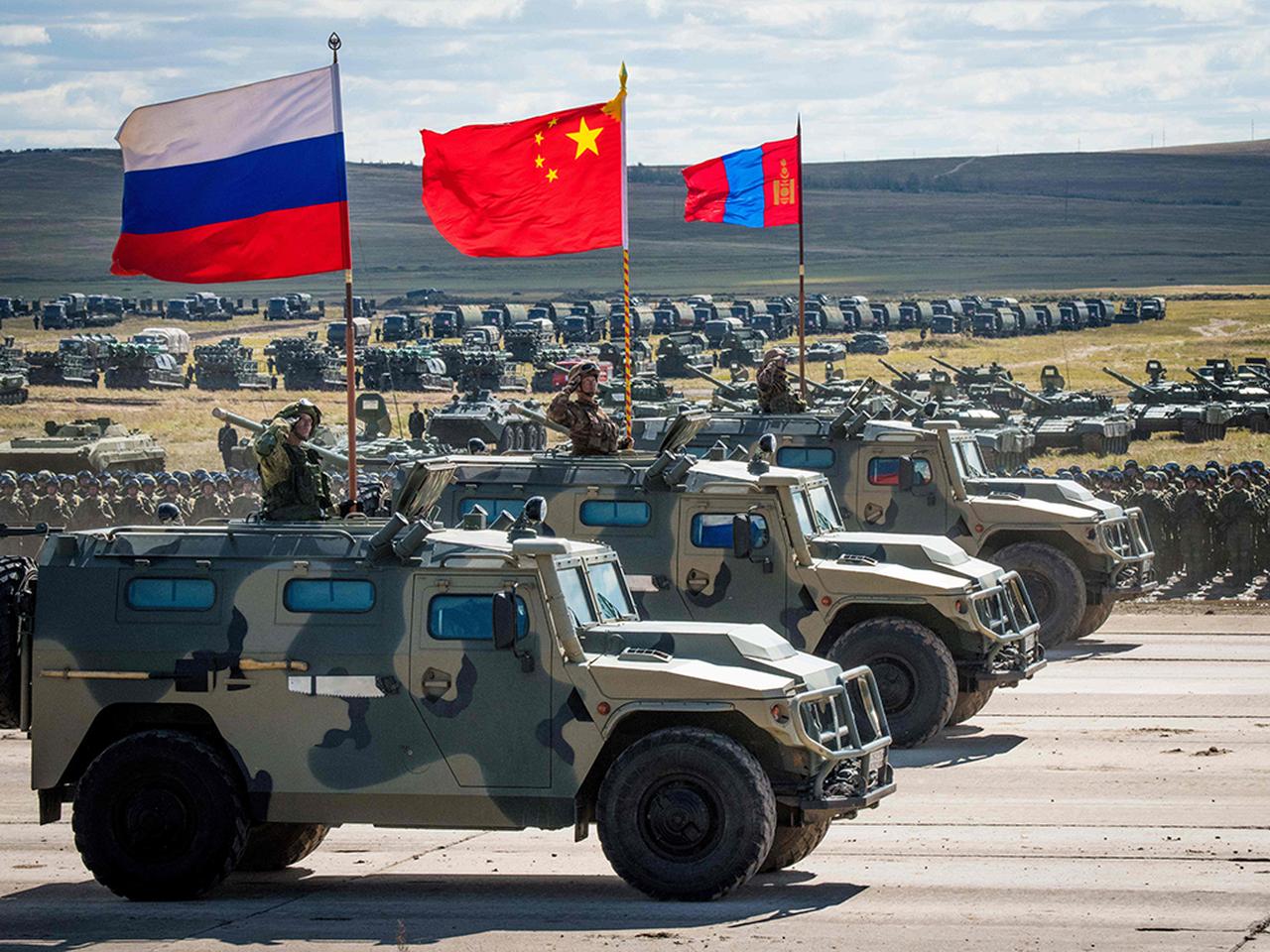
Araghchi called Russia and China Iran's "strategic partners" and confirmed his country was receiving military cooperation from both, though he declined to elaborate on specifics.
"That includes military cooperation. I'm not going into any details of that, but there is good cooperation with these countries, politically, economically, and even militarily," he stated.
His remarks came after U.S. President Donald Trump said Russia is "perhaps" providing intelligence to Iran about the location of U.S. forces.
When he was recently asked by NBC News to respond to reports that Russia is sharing intelligence with Iran about the location of U.S. forces, Trump stated, "Russia is perhaps giving information; perhaps they’re not."

Araghchi vowed that Iran will retaliate against oil facilities across the Persian Gulf if the U.S. targets Iran's oil infrastructure. "I think our armed forces have already answered that they would retaliate if our oil and energy infrastructure were attacked. And they will attack any energy infrastructure in the region, that belongs to an American company or in which an American company is a shareholder. So the reaction would be clear," he said.
He downplayed the impact of the recent U.S. strike on military installations on Kharg Island, through which 90% of Iran's oil exports flow.
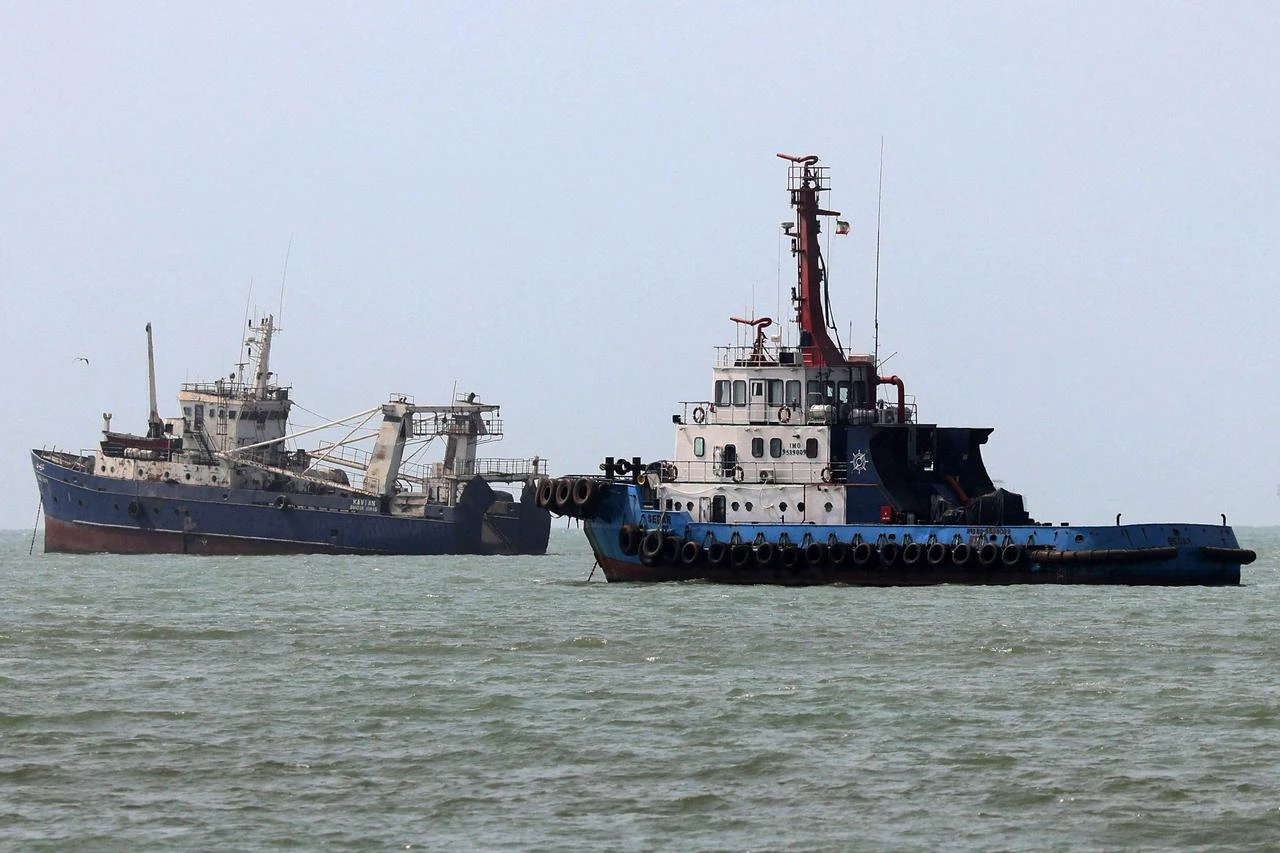
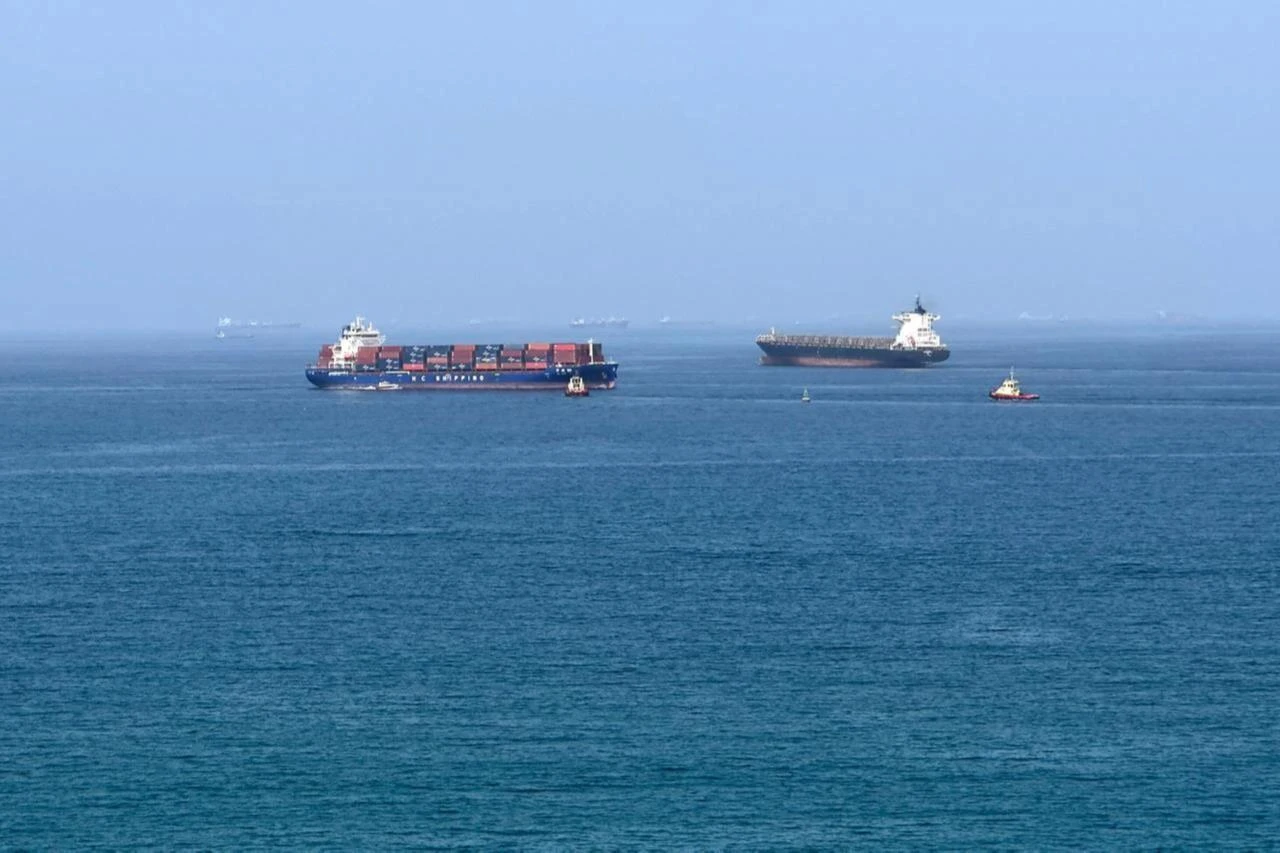
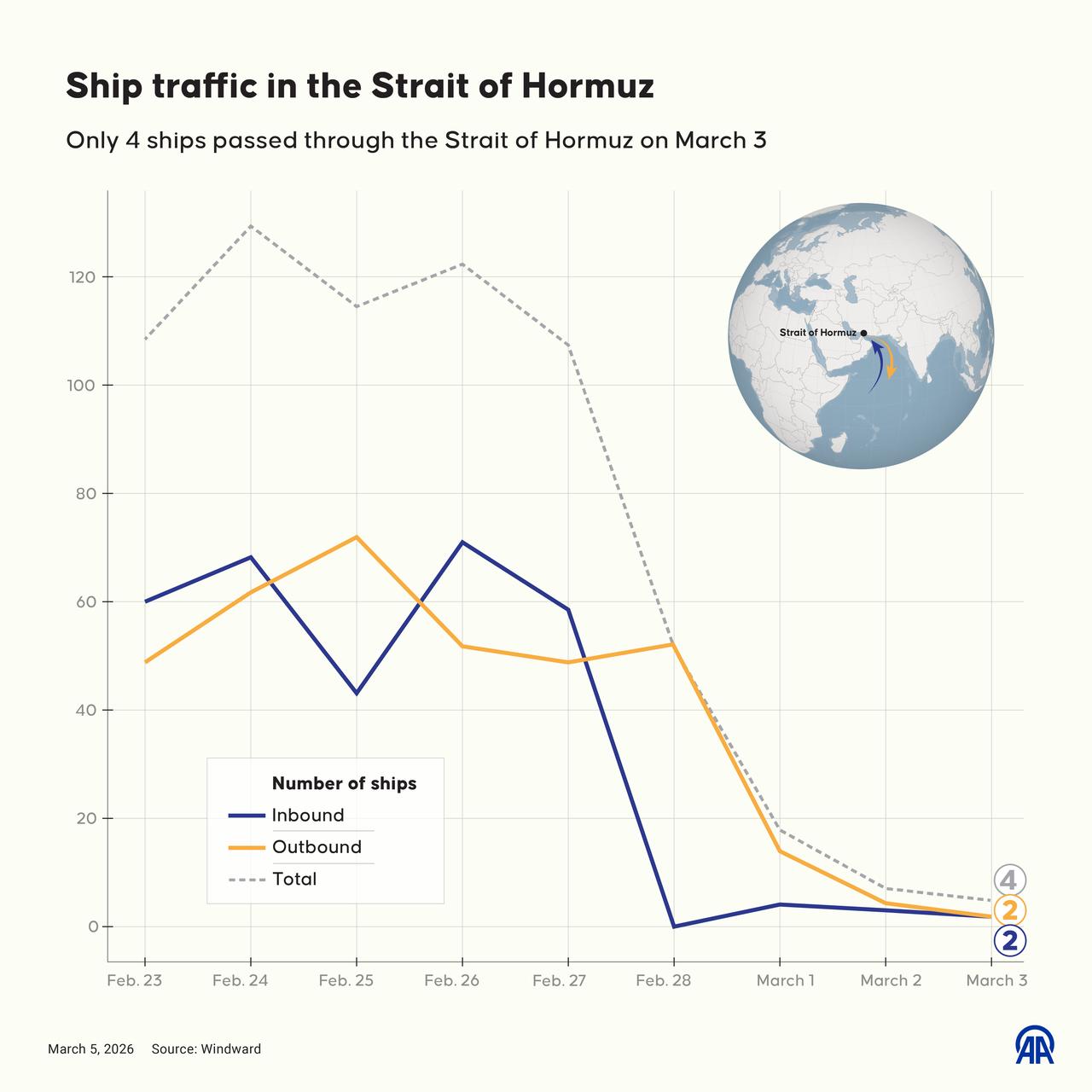
Araghchi noted that the Strait of Hormuz "is open" to ships not belonging to the U.S., Israel, or their allies. "Others are free to pass," he said, but made it clear Iran has no intention of fully opening the waterway.
On the U.S. seeking international help to secure the strait, Araghchi wrote on X that Washington's regional security framework has "proven to be full of holes and inviting rather than deterring trouble," and that the U.S. is "begging others, even China, to help it make Hormuz safe."
He urged neighboring countries to expel "foreign aggressors," saying their only concern is Israel.
Iran has effectively closed the Strait of Hormuz since around March 1. Disruptions to shipping have pushed up global oil and fertilizer prices and raised concerns about energy supplies.
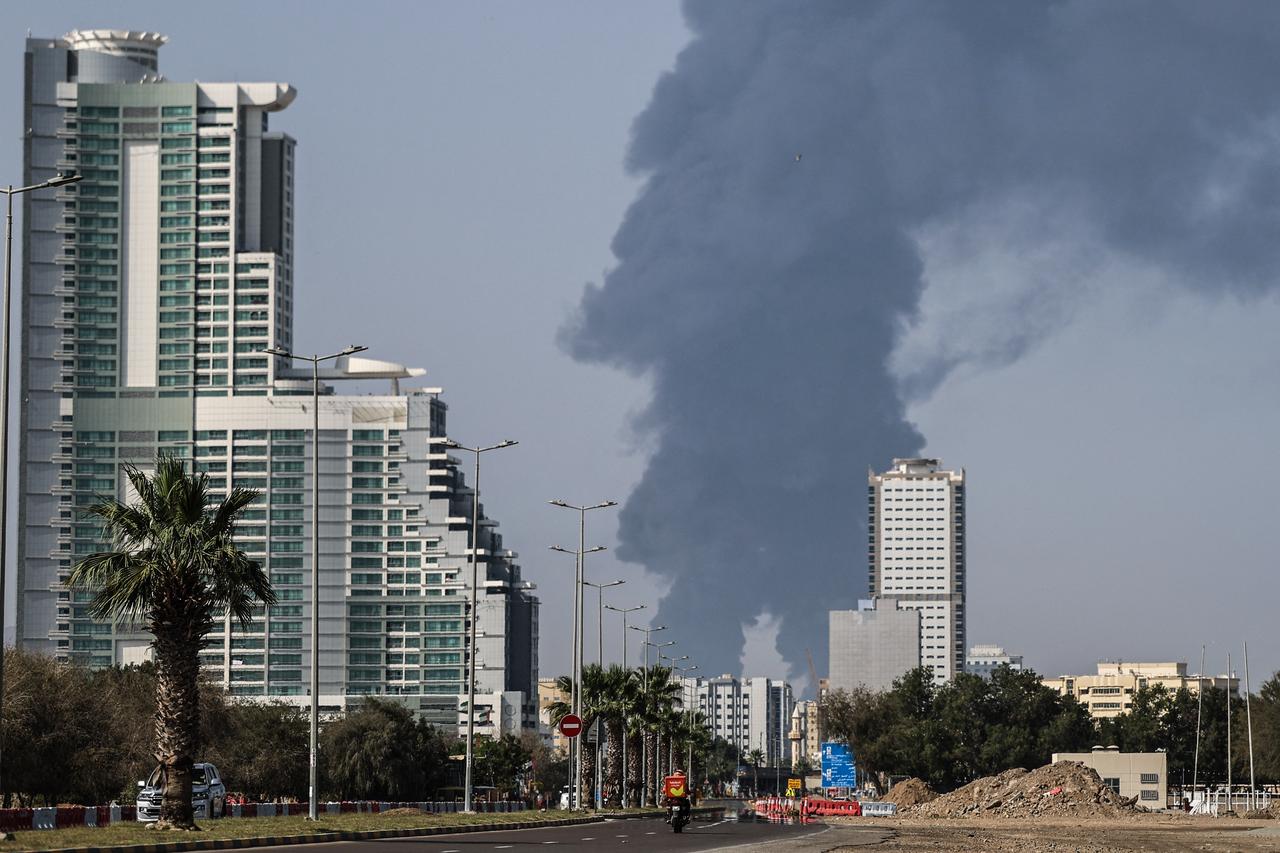
Araghchi accused the United Arab Emirates of allowing the U.S. to launch attacks on Iran from Dubai, Ras Al-Khaimah, and other densely populated areas.
"It is clear that they are fired from the UAE," he said, adding it was "dangerous" to "use highly populated areas to launch, you know, rockets against us."
The UAE responded Saturday, saying Araghchi is perpetuating a "confused policy."
"The UAE has the right to self-defense in the face of this terrorist aggression imposed upon it, yet it continues to prioritize reason and logic," read an official Emirati statement posted on X, adding that the country is "maintaining restraint and seeking an exit for Iran and the region."
Officials from other Persian Gulf countries have also denied allowing U.S. forces to launch attacks from civilian areas.
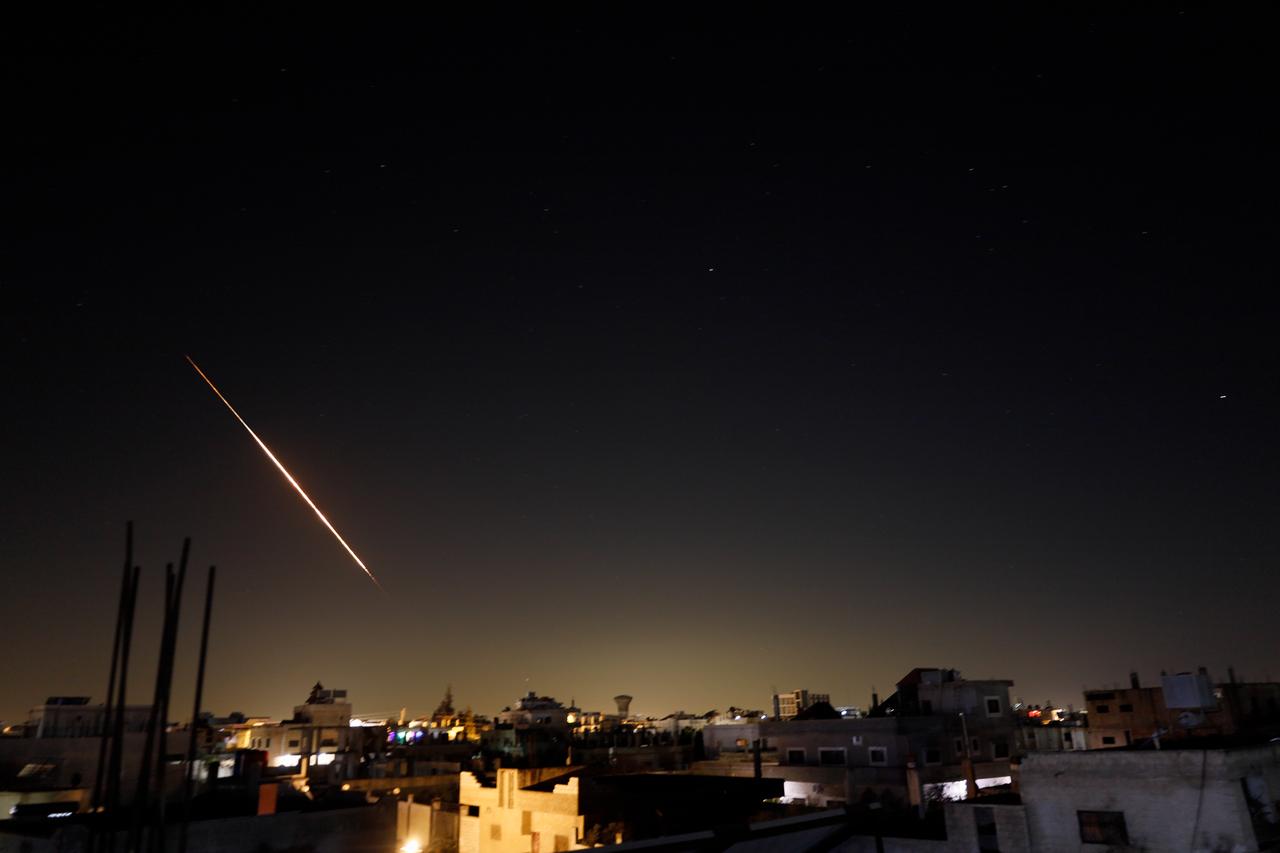
Since the U.S. and Israel launched joint attacks on Iran on Feb. 28, killing at least 1,300 people, including then-Supreme Leader Ali Khamenei, Iran has retaliated with drone and missile strikes targeting Israel, Jordan, Iraq, and Gulf countries hosting U.S. military assets, causing casualties and disrupting global markets and aviation.


 Set as preferred source
 Set as preferred source


 1 min read
 1 min read