Newsletters


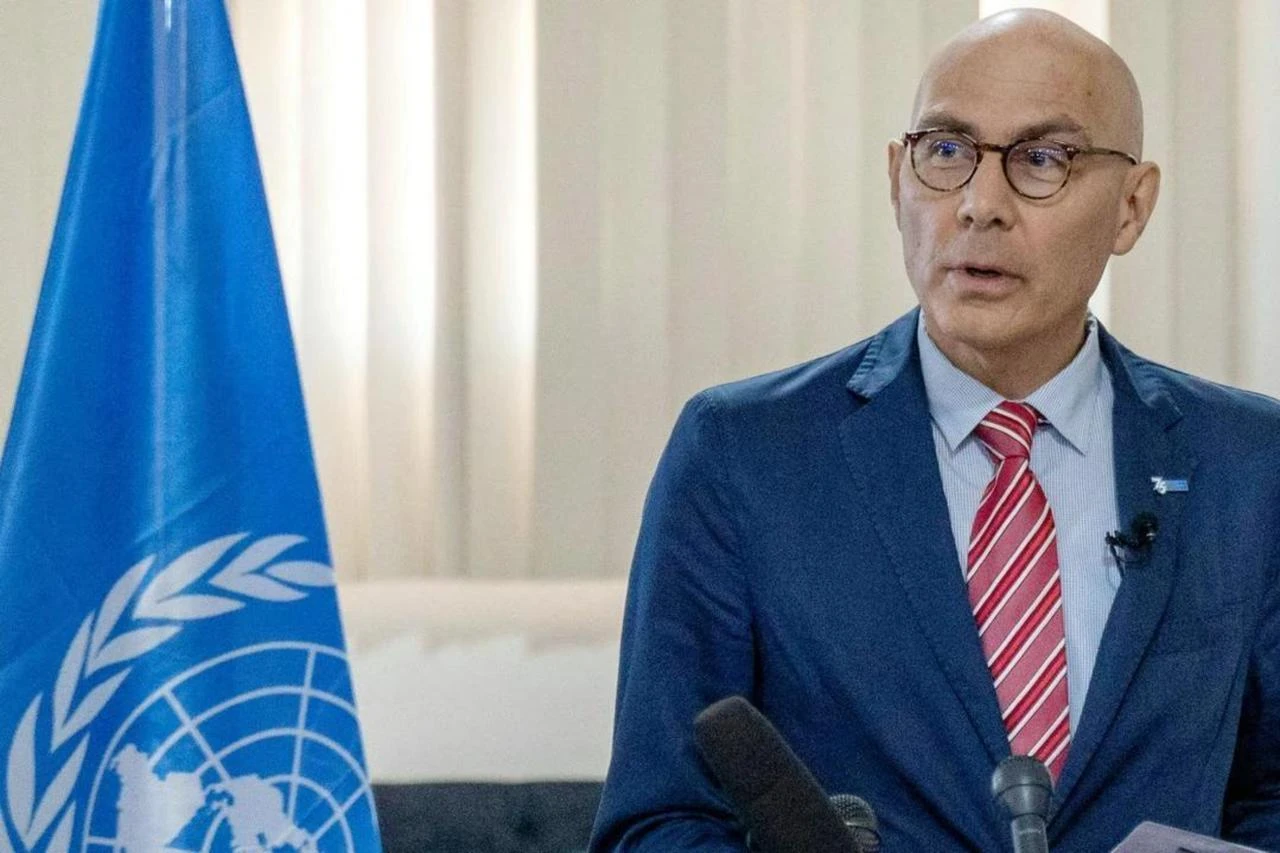


A sharp public dispute between American and French officials spilled onto social media over the weekend, escalating into personal attacks and wartime insults after the United Nations General Assembly reappointed Volker Turk to a new term as UN High Commissioner for Human Rights.
The General Assembly approved Turk's reappointment with 144 nations in favor and 13 abstentions. Washington was among just 10 countries to vote against the appointment, a bloc that included Israel, Russia and Argentina.
The American mission to the UN publicly released a video in which US Ambassador Jeff Bartos charged that the UN human rights system had been "losing credibility for decades" and accused Turk of steering it toward its "deathbed."
The statement drew a swift response from France's Permanent Mission to the UN in Geneva, which shared the US remarks and questioned Washington's standing to lecture on the subject. "The US used to be a beacon of human rights," the French mission said. "Not anymore."
US Representative to the UN Mike Waltz dismissed the French rebuttal as a "shameful" attempt to divert attention from Paris's own record, accusing France of "cozying up to the world's worst oppressors" while scolding what he described as "free, sovereign democracies like the United States, the UK, and Israel."
Waltz alleged that France had chosen to "coddle some of the worst human rights abusers" rather than engage seriously with Washington's concerns.
 1 min read
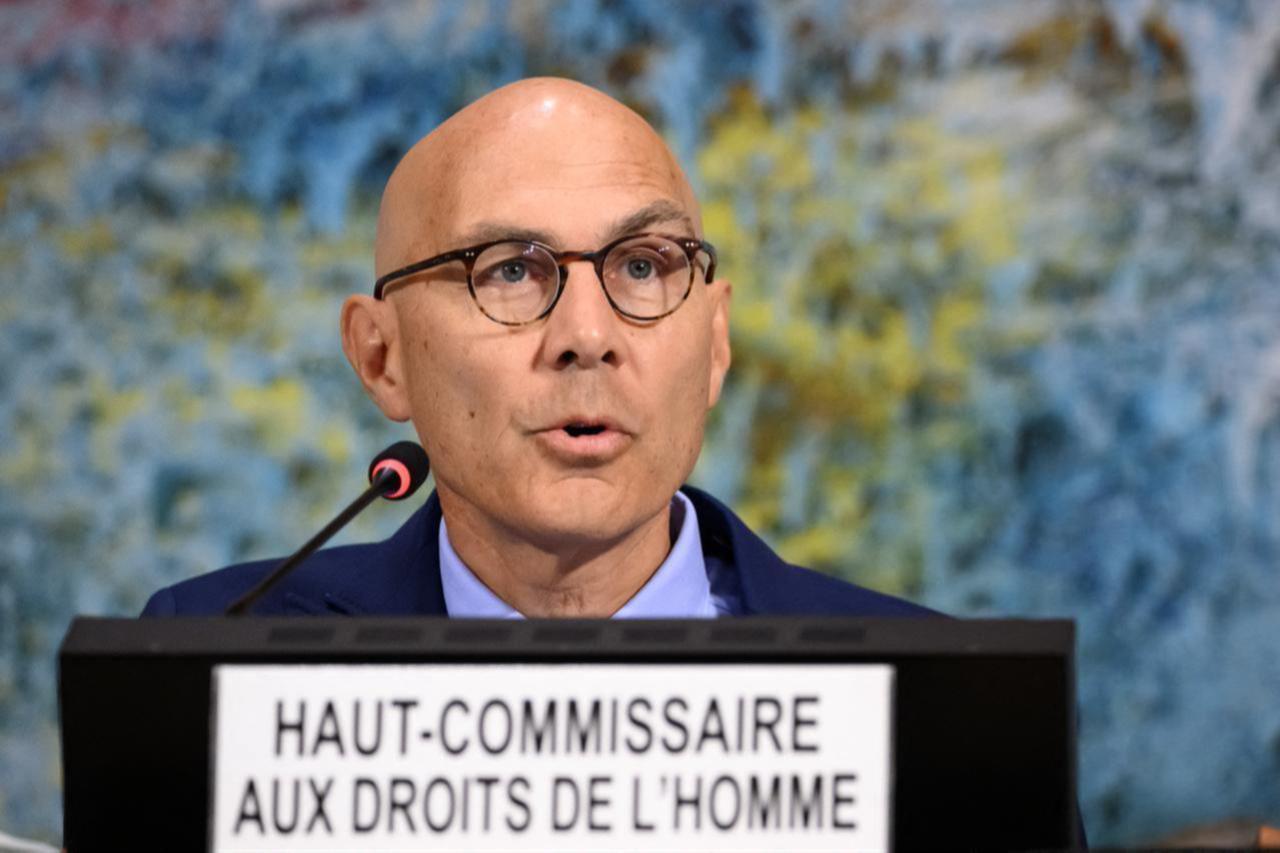
The exchange took a more caustic turn when US Congressman Randy Fine invoked France's military history, asking, "Don't you have someone to surrender to?", a reference to France's capitulation to Nazi Germany in June 1940.
The remark marked a significant escalation in tone from a dispute that began as a disagreement over institutional credibility to one now trading in historical grievances.
The public fracture between the two NATO allies underscores broader tensions over the direction of multilateral institutions and the role of the United States under the current administration.
The UN Human Rights Commissioner post, established in 1993, carries a broad mandate to promote and protect rights enshrined in the Universal Declaration of Human Rights, but has long been contested by member states that view its operations as politically selective.


 Set as preferred source
 Set as preferred source


 1 min read