Newsletters


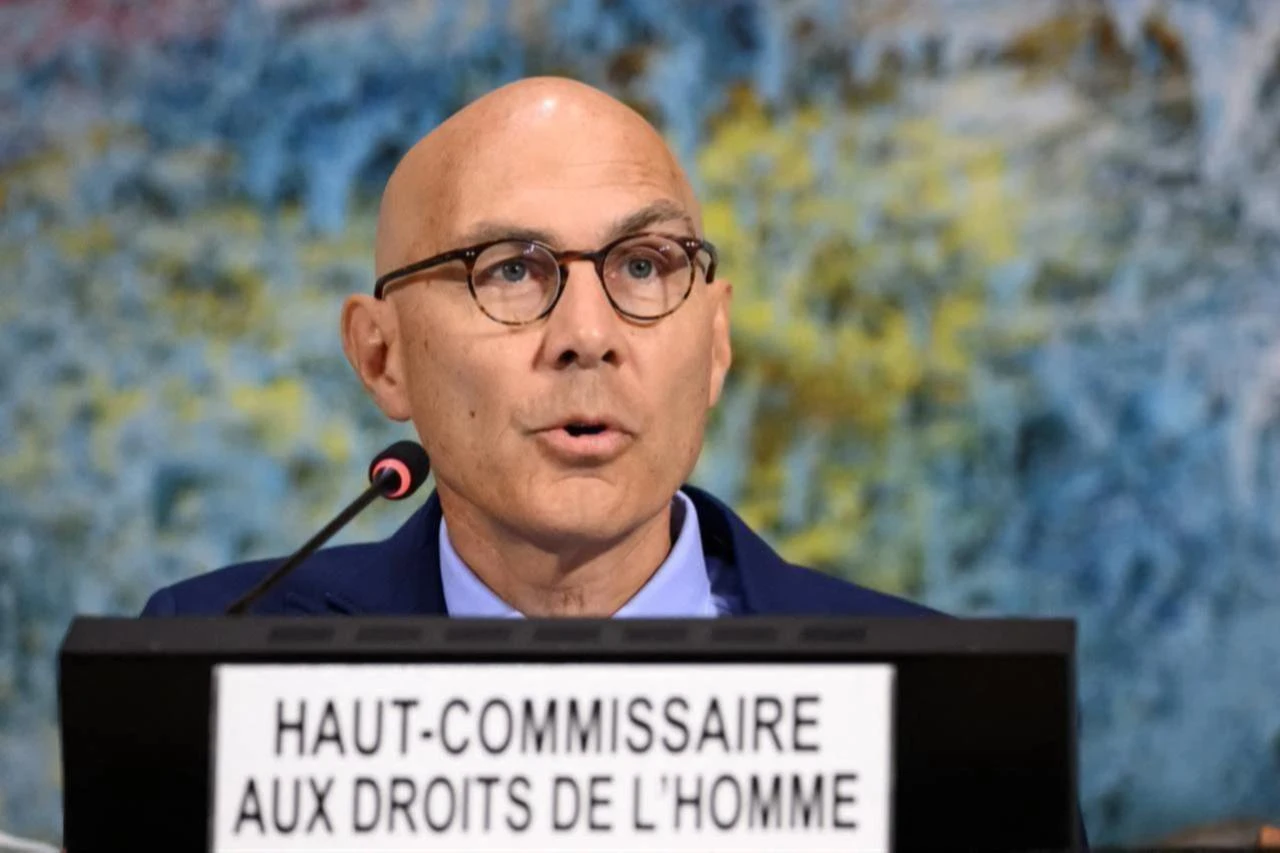


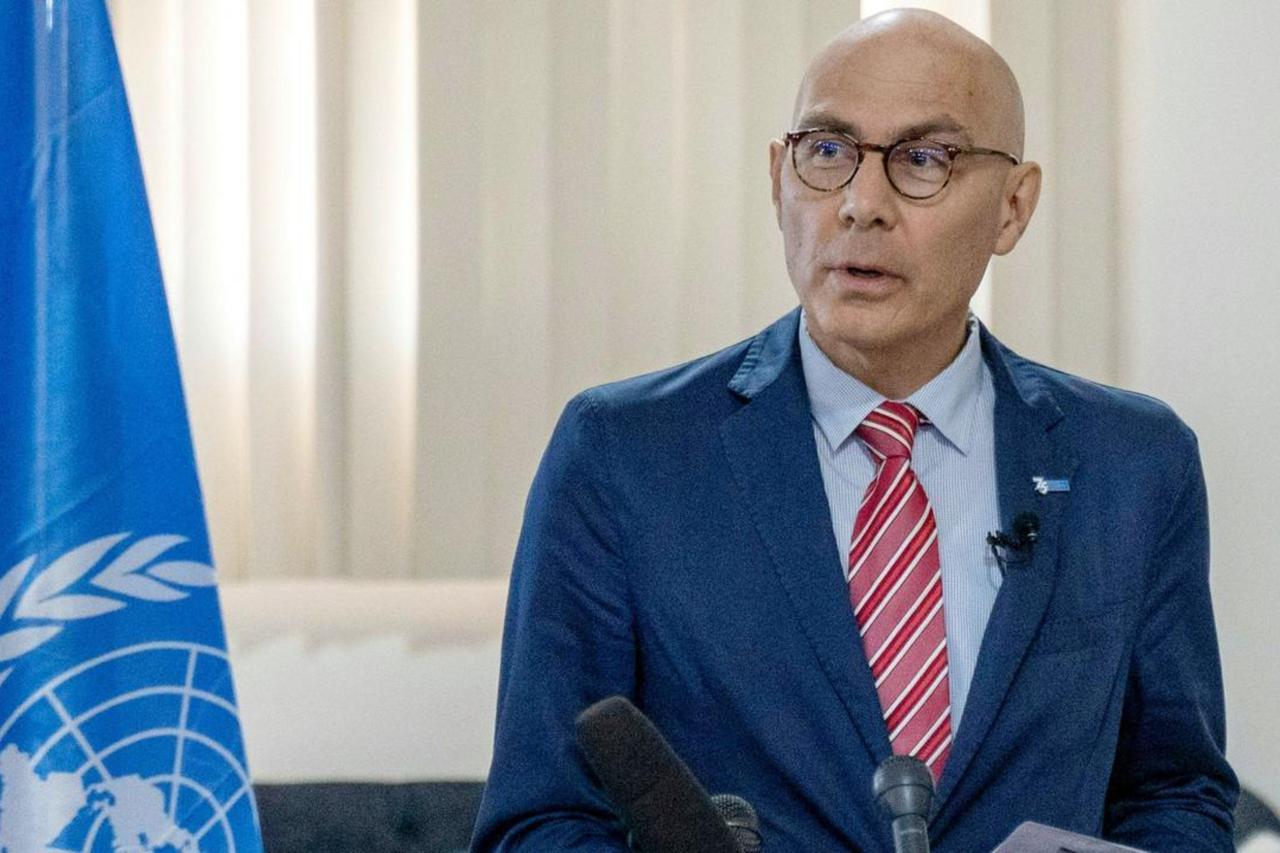
The U.N. General Assembly voted Friday to extend Volker Turk’s term as high commissioner for human rights for four years despite opposition from the United States, Russia and Israel.
The assembly approved the renewal by a vote of 144-10, with 13 abstentions. The new term will begin Oct. 12, 2026, under a proposal submitted by U.N. Secretary-General Antonio Guterres.
A Russian proposal to extend Turk’s mandate only until Dec. 31, 2026, was overwhelmingly rejected. The assembly also rejected a U.S. request to postpone the vote.
U.S. Ambassador Jeff Bartos, the representative for U.N. management and reform, criticized the renewal on procedural and substantive grounds and accused Guterres of rushing the process.
“Make no mistake: If this assembly tolerates procedural overreach, backroom deals, and the misuse of U.N. posts, there will be consequences,” Bartos said before the vote.
“The United States will immediately reassess our engagement, participation, and funding,” he added.
Bartos accused Guterres of accelerating the timetable “to hand his long-term friend a four-year executive payout.”
Guterres’ term as secretary-general is scheduled to end at the close of the year.
Russia and Israel also opposed Turk’s renewal, arguing that Guterres should have left the selection of the next human rights commissioner to his successor.
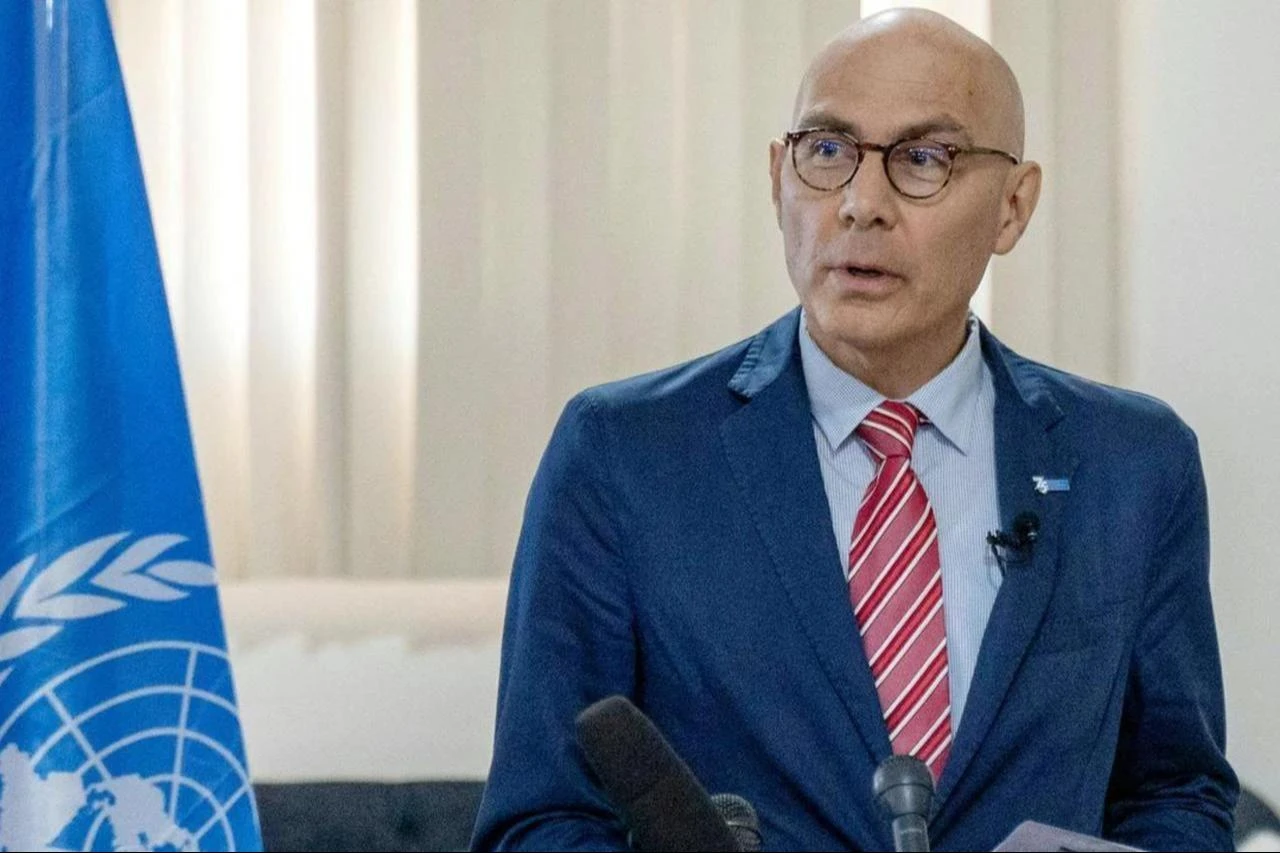

French Ambassador Jerome Bonnafont defended Turk’s record, describing him as “a voice of conscience” who had shown “rigor and impartiality” during his first term.
Turk, an Austrian jurist, has served as U.N. high commissioner for human rights since October 2022.
He has emphasized the universality of human rights and the equal application of international law.
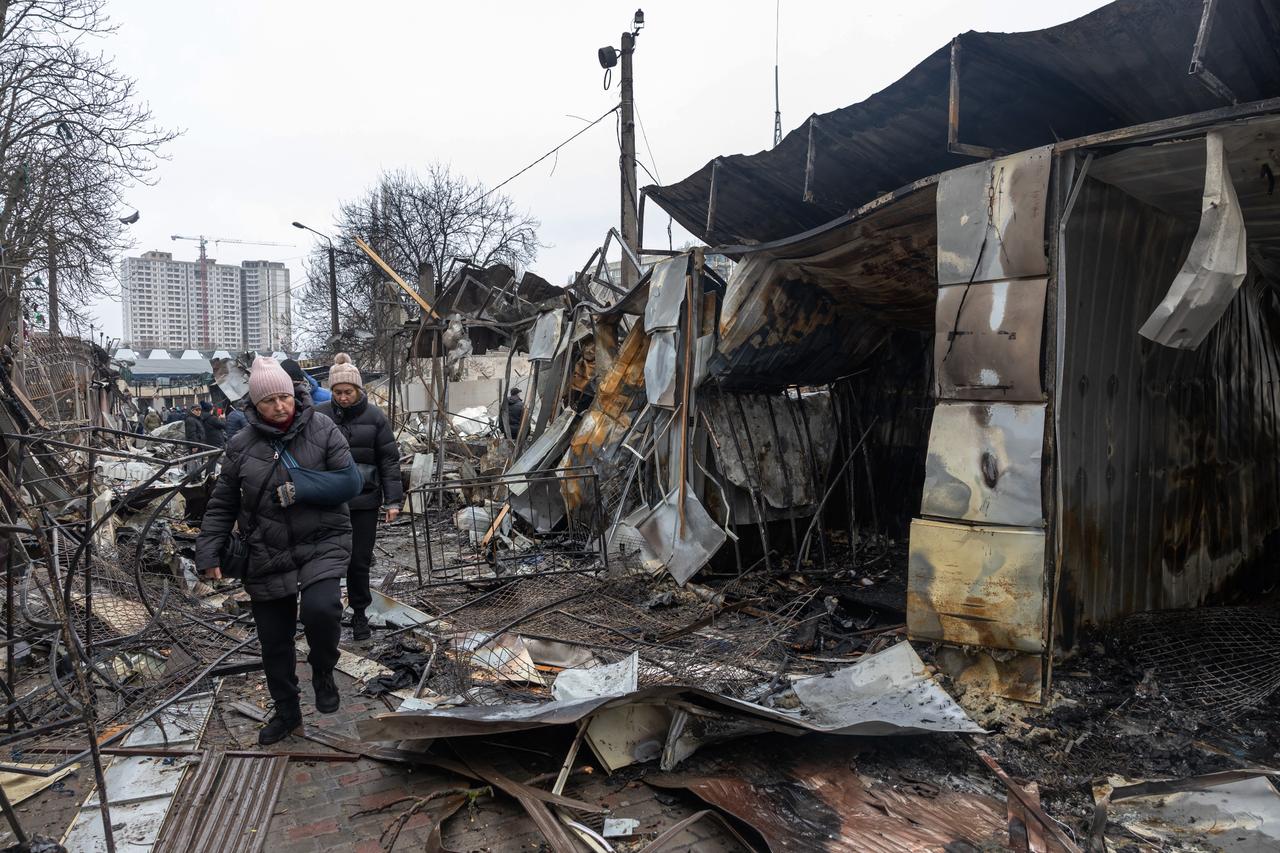
During his tenure, Turk has spoken publicly about Russia’s invasion of Ukraine, the war in Gaza and developments in Afghanistan, Sudan, Bangladesh, Myanmar and Nicaragua.
His positions have drawn sharp criticism from several governments, particularly Russia and Israel.
Turk has also faced criticism for not taking stronger positions on Cuba and the treatment of Uyghurs in China’s Xinjiang region.
He has additionally been criticized for not directly using the term “genocide” in reference to Gaza, unlike several U.N. experts and rapporteurs.


 Set as preferred source
 Set as preferred source


 1 min read
 1 min read