Newsletters


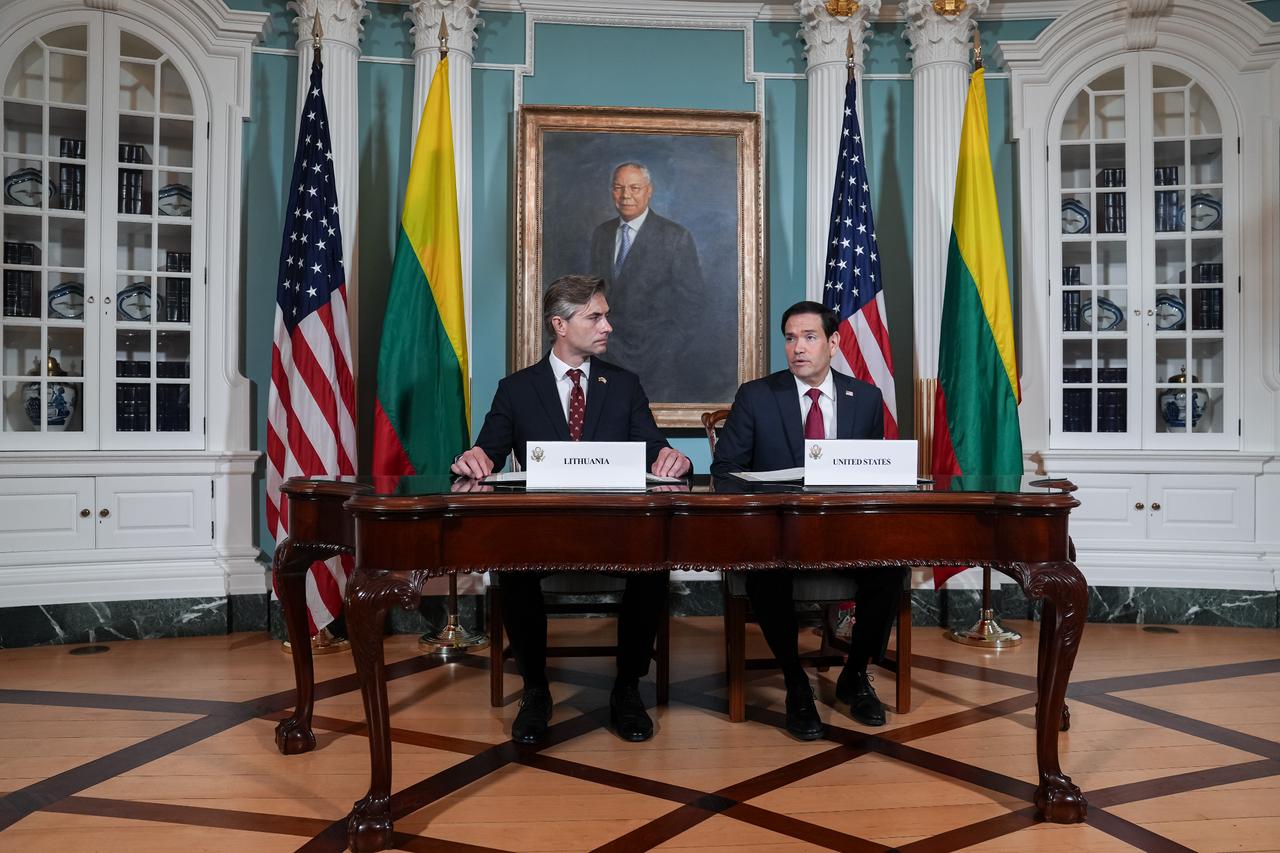


The United States and Lithuania signed a memorandum of understanding on critical minerals Thursday, formalizing a framework aimed at securing supply chains for materials considered essential to both economic growth and national defense.
Secretary of State Marco Rubio and Lithuanian Foreign Minister Kęstutis Budrys signed the agreement during a ceremony at the State Department's Colin L. Powell Treaty Room. The document commits the two countries to jointly identify priority projects and to mobilize government and private-sector financing for them within six months.
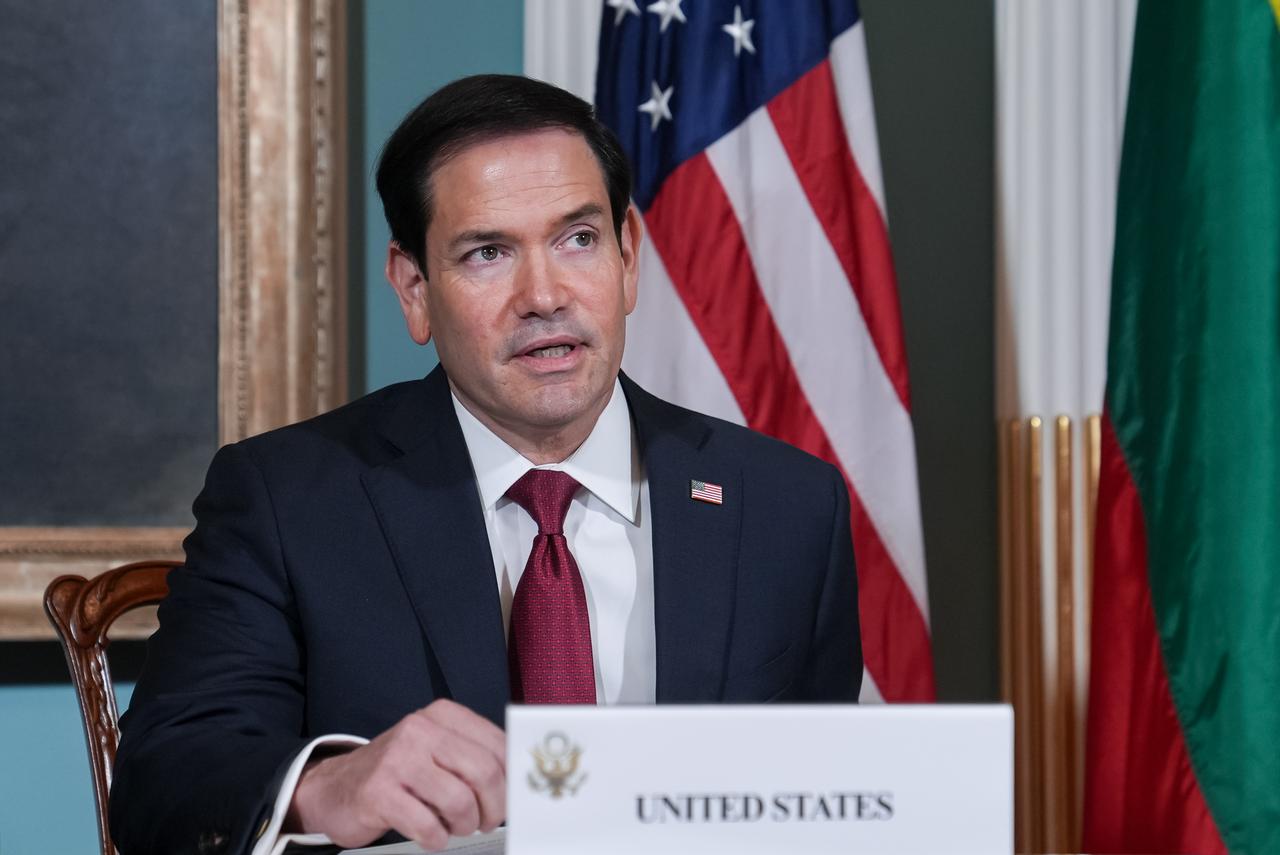

Rubio described secure supply and processing of critical minerals as central to the modern economy, telling attendees the issue is "essential to the economy" and "essential to our defenses as well." He noted that Lithuania is set to hold the rotating presidency of the Council of the European Union, calling it beneficial that the role will be held by "a country that prioritizes economic security."
The secretary also pointed to Lithuania's standing in photonics, a field involving the generation and control of light-based technology, as a factor behind the partnership, saying the agreement supports "rigorous investment screening" tied to that sector.
 1 min read
Budrys said the agreement reflects a top foreign policy priority for his government. "For our government, Government of Lithuania, this is the number two priority in our foreign policy, next to the hard security," he said, describing the goal as building "the strategic partnership with United States as the leading power in the world in building the resilient and strong supply chains."
He added that Lithuanian officials consulted with domestic businesses before proceeding, calling the approach "very practical" and saying officials expect the framework to lead to substantial projects that would strengthen both economic prosperity and security.
Under the memorandum, the two governments are to work jointly over the coming six months to identify priority critical minerals projects and coordinate public and private financing to support them. Following brief remarks, Rubio and Budrys signed two copies of the document.


 Set as preferred source
 Set as preferred source



 1 min read